Tata Titiana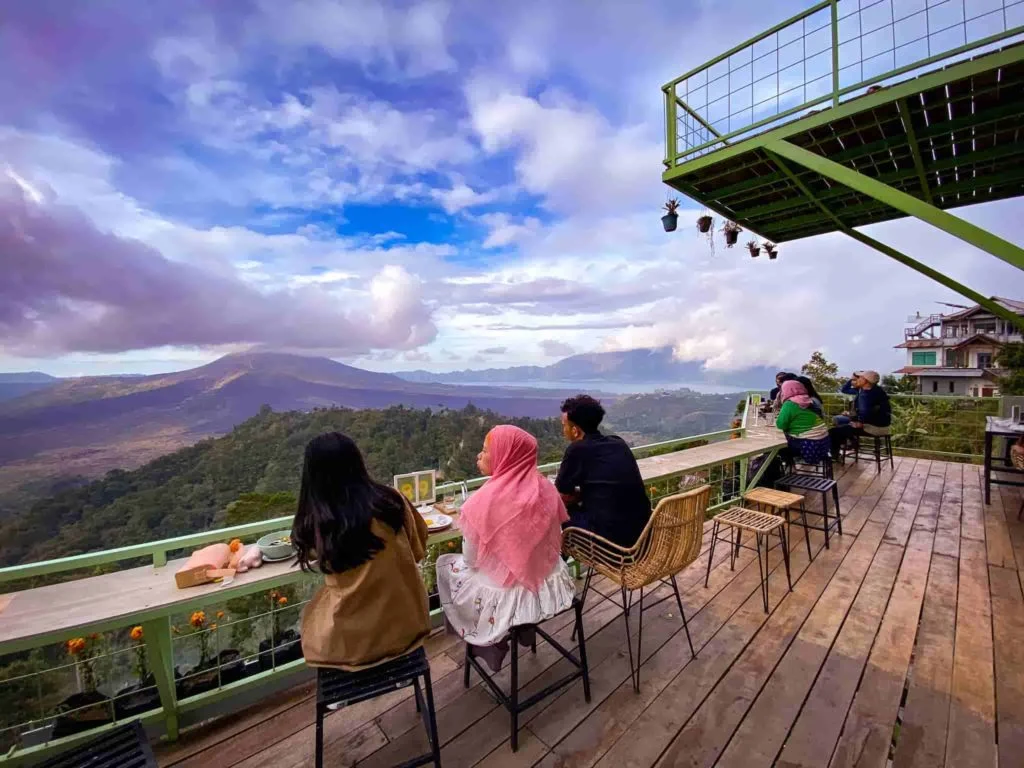
Bali, the "Island of the Gods," continues to enchant visitors with its perennial allure. Beyond its famed beaches and vibrant cultural tapestry, the island boasts a wealth of hidden gems offering breathtaking natural panoramas, perfect for memorable gatherings with friends or loved ones. While many associate Bali with its tropical coastlines, its interior highlands provide a cooler, more serene escape, characterized by lush mountains and stunning vistas. This article explores five premier cafes in Bali, primarily situated in the Kintamani region, that offer not just delectable refreshments but also awe-inspiring natural backdrops, making them ideal spots for social rendezvous and romantic outings.
The Kintamani Highlands: A Sanctuary of Serenity and Scenery
The Kintamani region, located in the northern highlands of Bali, is renowned for its dramatic volcanic landscapes and cool, crisp air. This area is dominated by the imposing Mount Batur and its caldera, which cradles the picturesque Lake Batur. The elevation provides a refreshing contrast to the island’s coastal humidity, making it a sought-after destination for those seeking tranquility and natural beauty. Over the past decade, Kintamani has seen a surge in the development of cafes and eateries, many strategically positioned to capitalize on the region’s unparalleled views of Mount Batur, Mount Abang, and Mount Agung, as well as the expansive Lake Batur. These establishments have transformed the highlands into a popular day-trip destination and a preferred spot for those looking to escape the hustle and bustle of the southern tourist hubs.
Premier Cafes Offering Breathtaking Vistas
The following establishments have emerged as prime destinations for those seeking to combine social interaction with the majesty of Bali’s natural landscapes:
1. Tegu Kopi, Kintamani
Opened in December 2019, Tegu Kopi has quickly established itself as a must-visit destination in Kintamani. Situated on Jalan Raya Penelokan in the Bangli Regency, the cafe’s elevated position offers panoramic views that encompass Mount Batur, Mount Abang, Mount Agung, and the serene Lake Batur. The cool mountain air, often dipping to between 17-18 degrees Celsius, provides a comfortable environment for patrons. As the day draws to a close, visitors are treated to spectacular sunsets painting the mountainous horizon, creating a truly romantic ambiance. This cafe has become particularly popular for its "instagenic" qualities, with its design and natural setting providing ample opportunities for stunning photography, contributing to its reputation as a trending spot for young visitors.
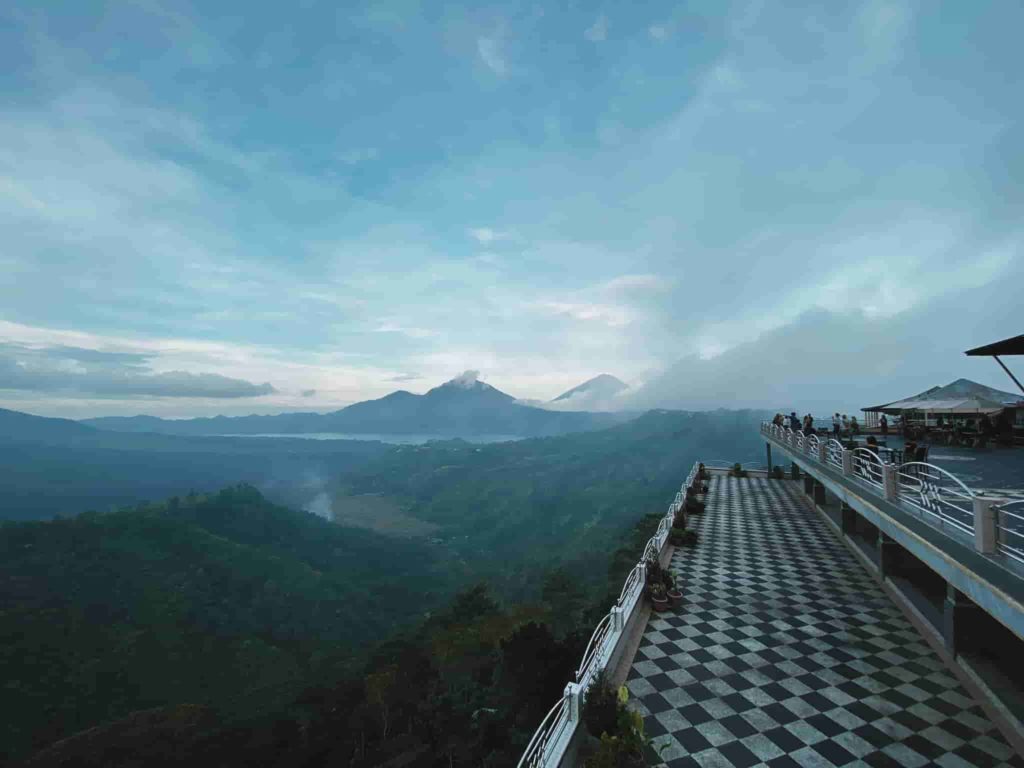
The strategic location on Jalan Raya Penelokan is significant. This road is a primary route for tourists exploring the Kintamani region, offering direct sightlines to the volcanic caldera. Tegu Kopi leverages this prime real estate by providing a comfortable and aesthetically pleasing space from which to absorb the grandeur of the landscape. The cafe’s opening coincided with a growing trend in Bali for cafes that offer more than just food and drink, but an entire experience rooted in the natural environment. This foresight has contributed to its sustained popularity.
2. Eco Bike Coffee, Kintamani
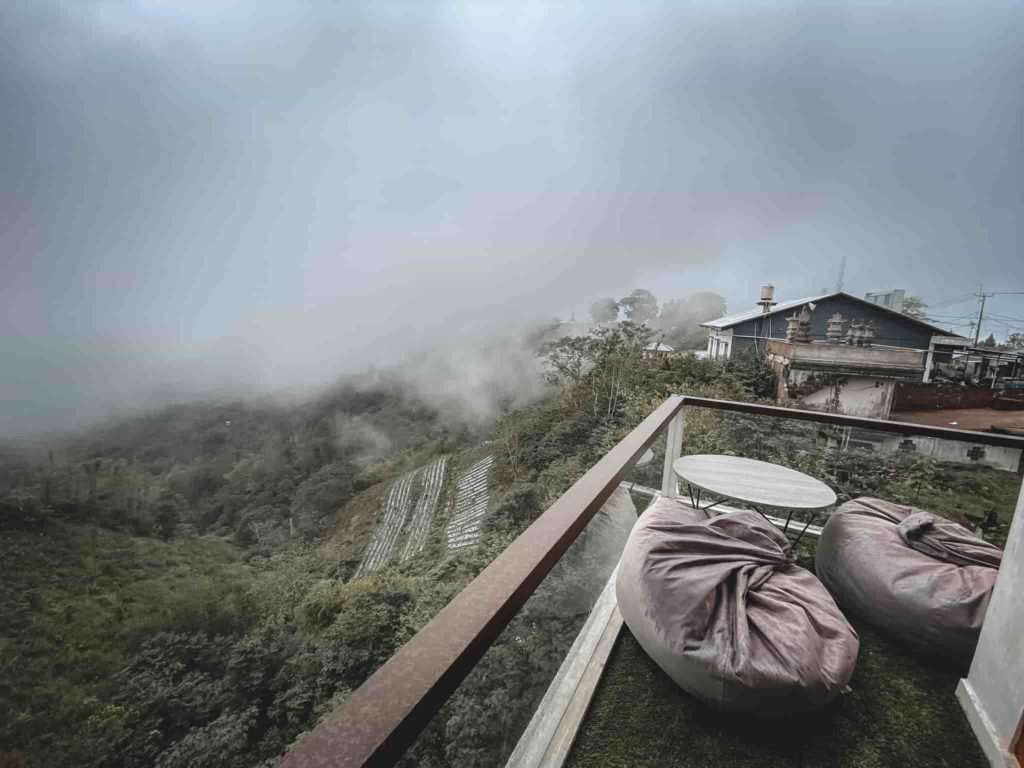
Eco Bike Coffee stands out as one of the largest establishments in the Kintamani cliffside area, boasting a three-story structure. The first floor is dedicated to lodging and a coffee garden, while the third floor features an open-air rooftop. This multi-level design offers varied perspectives of the surrounding scenery. It is advisable for visitors to check the weather forecast before planning a visit, as heavy fog, which can occur in the highlands, can obscure the iconic views of Mount Batur. The cafe’s name suggests a potential connection to eco-tourism or outdoor activities, hinting at a broader appeal to nature enthusiasts.
The unique tiered design of Eco Bike Coffee allows for different experiences within the same venue. The rooftop, in particular, is likely a prime spot for enjoying unobstructed views, weather permitting. The presence of lodging facilities also positions Eco Bike Coffee as a potential destination for overnight stays, allowing guests to fully immerse themselves in the tranquil Kintamani environment and enjoy multiple sunrises or sunsets. The integration of a coffee garden further emphasizes a farm-to-cup ethos, appealing to coffee connoisseurs.
3. Akasa Coffee, Kintamani
Another gem in the Kintamani area, Akasa Coffee is highly recommended for its comfortable ambiance and its direct line of sight to the majestic Mount Batur. The cool climate here necessitates bringing a jacket, especially for those sensitive to colder temperatures. Akasa Coffee offers a menu catering to various tastes, including breakfast options, beers, and a selection of coffees and teas. The average price for menu items is around IDR 150,000, positioning it as a mid-range to upscale dining experience. Visiting during clear weather is paramount to fully appreciate the stunning volcanic panorama.
Akasa Coffee’s appeal lies in its blend of comfort and spectacular views. The recommendation to bring a jacket underscores the distinct microclimate of Kintamani, a key factor for visitors to consider. The price point suggests a certain level of quality in both the food and the overall experience. The emphasis on clear weather highlights the reliance of such venues on natural conditions to deliver their core offering – the view. This interdependence between the establishment and the environment is a defining characteristic of many successful Kintamani cafes.
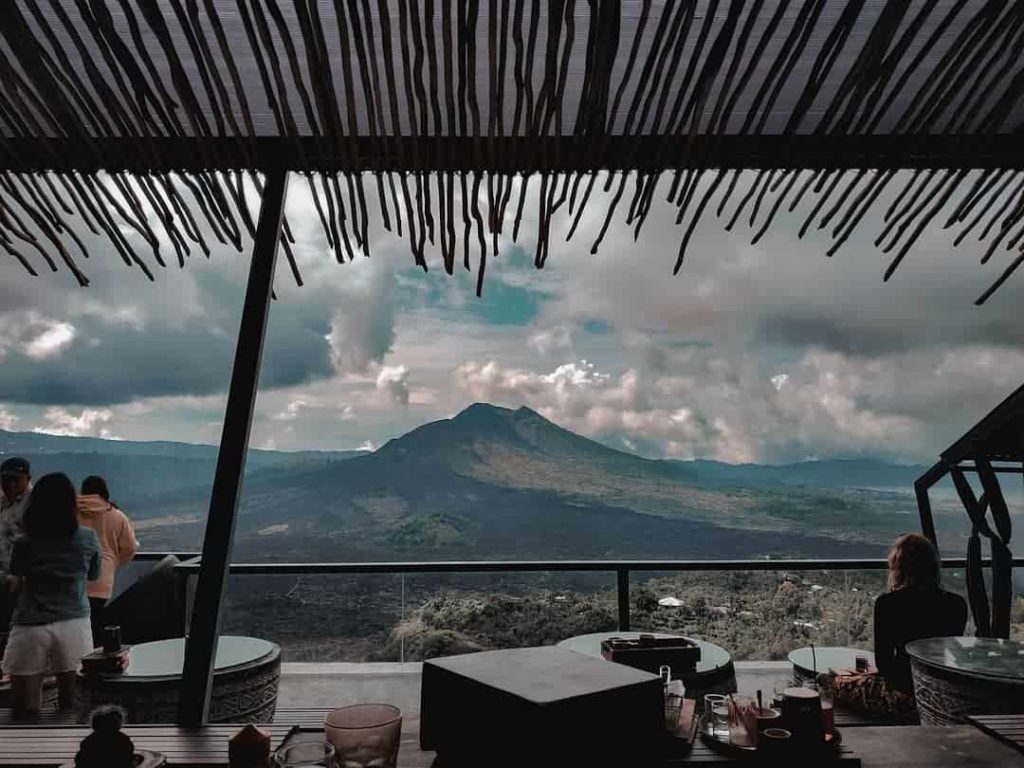
4. Batur 1926, Kintamani
For those seeking a truly serene start to their day, Batur 1926 offers an unparalleled sunrise viewing experience, with the best time to arrive being around 5:30 AM. On clear mornings, the vista from this vantage point is a breathtaking spectacle of three prominent volcanoes: Mount Batur, Mount Abang, and Mount Agung. Beyond its natural allure, Batur 1926 boasts a unique and "instagrammable" architectural design, making it an ideal backdrop for social media enthusiasts aiming to enhance their online presence. A distinctive Balinese-style archway at the rooftop terrace adds to its charm and cultural appeal.
The specific mention of viewing the sunrise at 5:30 AM highlights Batur 1926’s focus on offering distinct, time-sensitive experiences. The panoramic view of three volcanoes is a significant draw, offering a comprehensive showcase of the region’s geological wonders. The architectural design, described as "unique and instagrammable," speaks to the modern trend of creating visually appealing spaces that complement the natural beauty. The inclusion of a Balinese archway serves as a cultural nod, grounding the modern cafe experience in local aesthetics. This fusion of natural beauty, architectural design, and cultural elements creates a holistic visitor experience.
5. Kava Coffee, Kintamani
Nestled along the legendary Lake Batur, Kava Coffee provides not only captivating views of the lake itself but also the imposing silhouettes of Mount Batur, Mount Abang, and Mount Agung. Upon entering, visitors are greeted by a captivating interior design that thoughtfully complements the majestic Mount Batur. The cafe features spacious seating arrangements in a semi-outdoor setting, with long tables that encourage social interaction. A key design element is the use of glass doors, allowing patrons to enjoy the stunning outdoor panorama even from within the cafe, ensuring that the breathtaking scenery is a constant companion.
Kava Coffee’s location on the shores of Lake Batur adds a unique dimension to its offerings. The lake itself is a significant natural landmark, steeped in local lore and cultural importance. The cafe’s design, described as harmonizing with Mount Batur, suggests an intentional effort to integrate the built environment with the natural landscape. The semi-outdoor seating and glass-fronted interior are practical design choices that maximize the visual experience for patrons, ensuring the stunning views are always accessible, regardless of the seating arrangement or minor weather changes.
The Broader Impact: Tourism and Economic Development in Kintamani
The rise of these cafes in Kintamani represents a significant shift in the region’s tourism landscape. Historically, Kintamani was primarily known for its volcanic attractions and traditional villages. However, the emergence of these aesthetically pleasing and view-centric cafes has transformed it into a major destination for "cafe hopping" and day trips, attracting a younger demographic and international tourists.
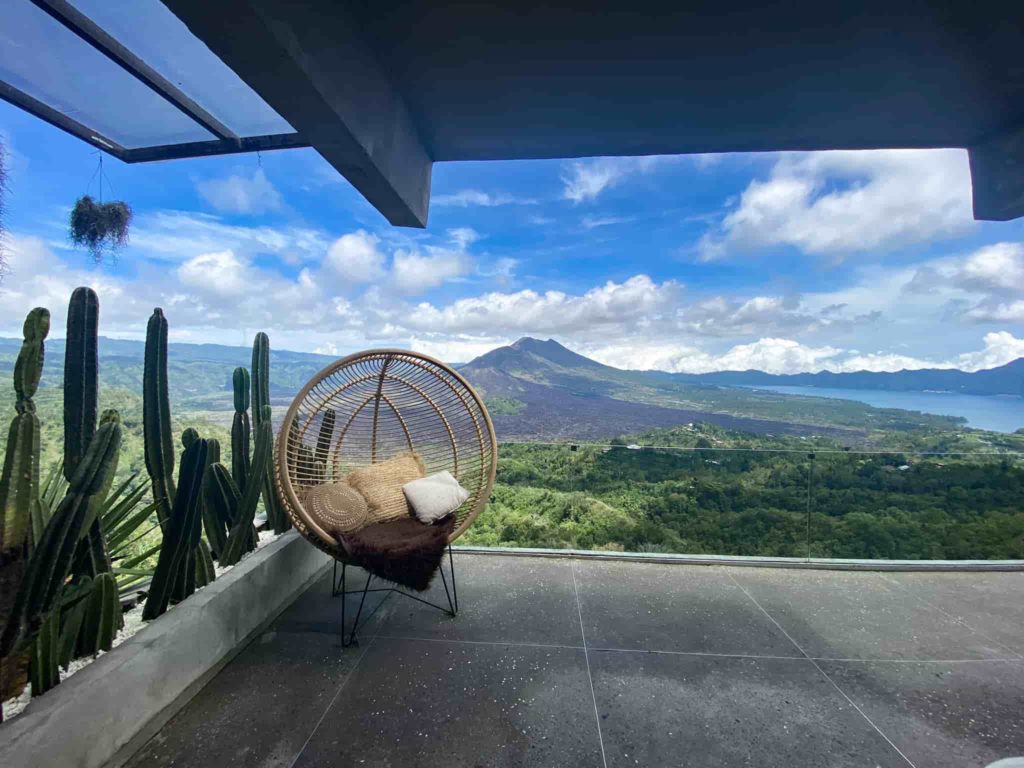
Supporting Data: While specific economic data for these individual cafes is not publicly available, the broader tourism trend in Bali indicates substantial growth. According to the Bali Central Statistics Agency (BPS Bali), the number of foreign tourist arrivals in Bali has been on a steady upward trajectory in the years preceding the global pandemic, with significant numbers visiting highland areas for their unique attractions. The Kintamani area, in particular, has seen increased investment in tourism infrastructure, including hotels, restaurants, and attractions, driven by this demand.
Background Context: The development of these cafes aligns with a global trend of experiential tourism, where travelers seek authentic and memorable experiences beyond traditional sightseeing. In Bali, this translates to a demand for locations that offer not just beautiful scenery but also comfortable, stylish environments for socializing and relaxation. The Kintamani region, with its unique volcanic topography and cooler climate, provided fertile ground for this type of tourism development.
Chronology of Development: The growth of these high-view cafes in Kintamani can be broadly traced over the last decade. Initial developments were more basic, focusing on simple warungs (local eateries) offering basic refreshments with a view. As tourism diversified and visitor expectations evolved, more sophisticated establishments began to emerge, investing in modern architecture, diverse menus, and enhanced customer service. The period from 2015 onwards saw a notable acceleration in the opening of cafes like those listed, many leveraging social media to gain visibility. The establishments mentioned, Tegu Kopi (2019), and others appearing in articles from 2020-2021, exemplify this recent surge.
Analysis of Implications: The proliferation of these cafes has several implications for the Kintamani region:
- Economic Diversification: It provides an alternative economic driver to traditional agriculture and tourism focused solely on the volcano. It creates employment opportunities in hospitality, service, and related industries.
- Infrastructure Development: Increased visitor numbers necessitate improvements in road access, public utilities, and waste management, which can benefit the wider community.
- Environmental Considerations: The concentration of tourist activities in specific scenic areas raises concerns about carrying capacity, waste generation, and the potential impact on the natural environment. Sustainable tourism practices and effective management are crucial to mitigate these risks.
- Cultural Preservation: While these cafes offer modern amenities, their integration into the local landscape and culture is vital. Efforts to incorporate local craftsmanship, traditions, and community involvement can ensure that development is respectful and beneficial to the local heritage.
Statements and Reactions (Inferred): While direct quotes from local authorities or business owners are not provided in the source material, it can be logically inferred that local governments are likely to view this development positively for its economic contributions. However, they would also be increasingly focused on ensuring sustainable practices and managing the influx of visitors to protect the fragile mountain environment. Business owners, on the other hand, are likely to be focused on maintaining their competitive edge by enhancing the customer experience, offering unique promotions, and adapting to evolving tourist preferences. Local residents may have mixed reactions, appreciating the economic opportunities while potentially expressing concerns about increased traffic, noise, and environmental impact.
Conclusion
The cafes of Kintamani offer a compelling reason to venture beyond Bali’s well-trodden coastal paths. They represent a harmonious blend of natural splendor and contemporary comfort, providing idyllic settings for social gatherings, romantic moments, and simply appreciating the profound beauty of the Balinese highlands. As Bali continues to evolve as a global tourist destination, these mountain-view cafes stand as testaments to the island’s diverse offerings, promising unforgettable experiences against a backdrop of majestic volcanic landscapes. For travelers seeking an escape that nourishes both the soul and the senses, these Kintamani hotspots are undoubtedly a must-visit.