Tata Titiana
Indonesia’s rich tapestry of tourism is inextricably linked to its colonial past, a legacy that, surprisingly, lives on in the very foundations of some of its most iconic hotels. While many may not realize it, several historic establishments, originally built during the Dutch East Indies era, continue to welcome guests today, offering a tangible connection to a bygone era. These architectural gems are not just places to stay; they are living museums, silent witnesses to centuries of trade, cultural exchange, and pivotal historical moments that shaped the archipelago.
The genesis of Indonesia’s tourism industry is often traced back to the late 19th century. With the opening of the Suez Canal, European vessels, initially focused on trade, began making more frequent stops in the Indonesian archipelago. Soon after, the allure of exotic landscapes and unique cultures drew passenger liners, bringing a wave of European tourists, primarily from affluent circles, eager to explore these distant shores. To cater to this burgeoning demand, the Dutch colonial administration, and private entities under its influence, embarked on a strategic construction of hotels, primarily on the island of Java. These establishments were designed to offer a level of comfort and luxury that mirrored European standards, thus laying the groundwork for what would eventually become a significant sector of the Indonesian economy.
Many of these early hotels, erected during a period of significant colonial influence, have not only survived the passage of time but have also adapted and thrived. They stand as testaments to the architectural prowess of the era and the enduring appeal of their strategic locations. Examining these historical hotels provides a fascinating lens through which to understand Indonesia’s evolving identity, from its colonial roots to its modern status as a vibrant tourist destination. This article delves into some of the most prominent examples of these colonial-era hotels that remain operational, offering a blend of historical significance and contemporary hospitality.
Hotel Indonesia Kempinski: A Symbol of Modernity and Royal Stays
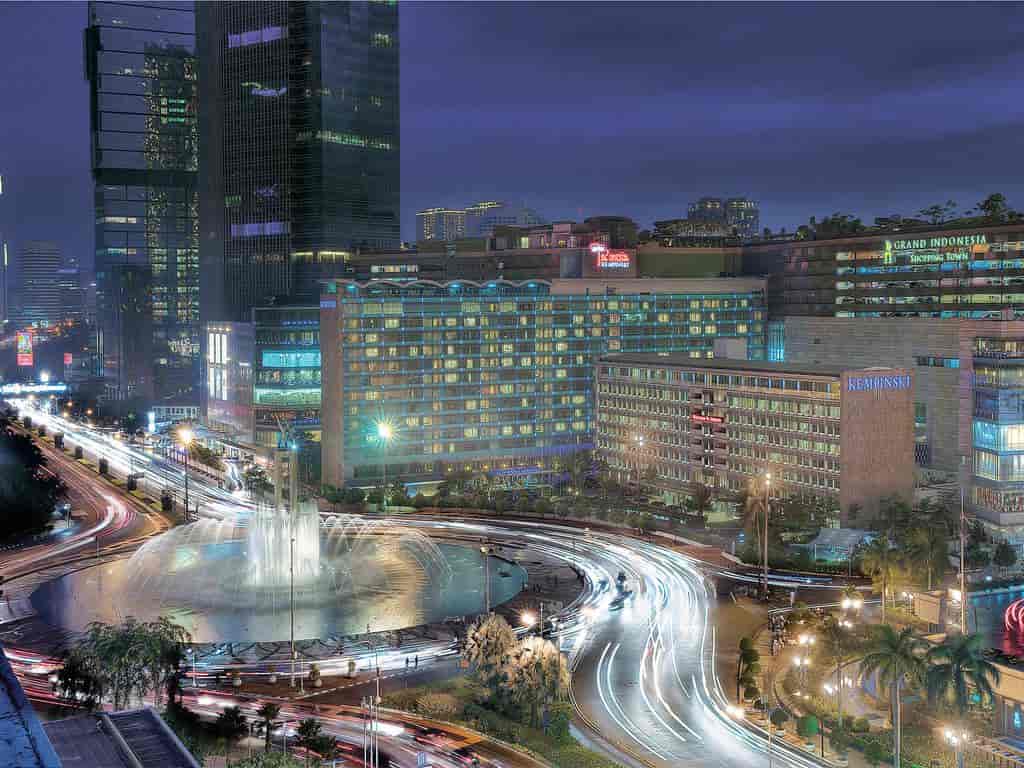
Hotel Indonesia Kempinski, Jakarta, holds a special place in the nation’s hospitality history as Indonesia’s first five-star luxury accommodation. Its construction was intrinsically tied to a significant international event: the IV Asian Games in 1962. The hotel was built using resources from the Japanese war reparations, a complex financial arrangement following World War II, underscoring the geopolitical shifts of the mid-20th century. Its inauguration marked a bold statement by the newly independent nation, showcasing its capacity to host major global sporting events and its ambition to position itself on the international stage.
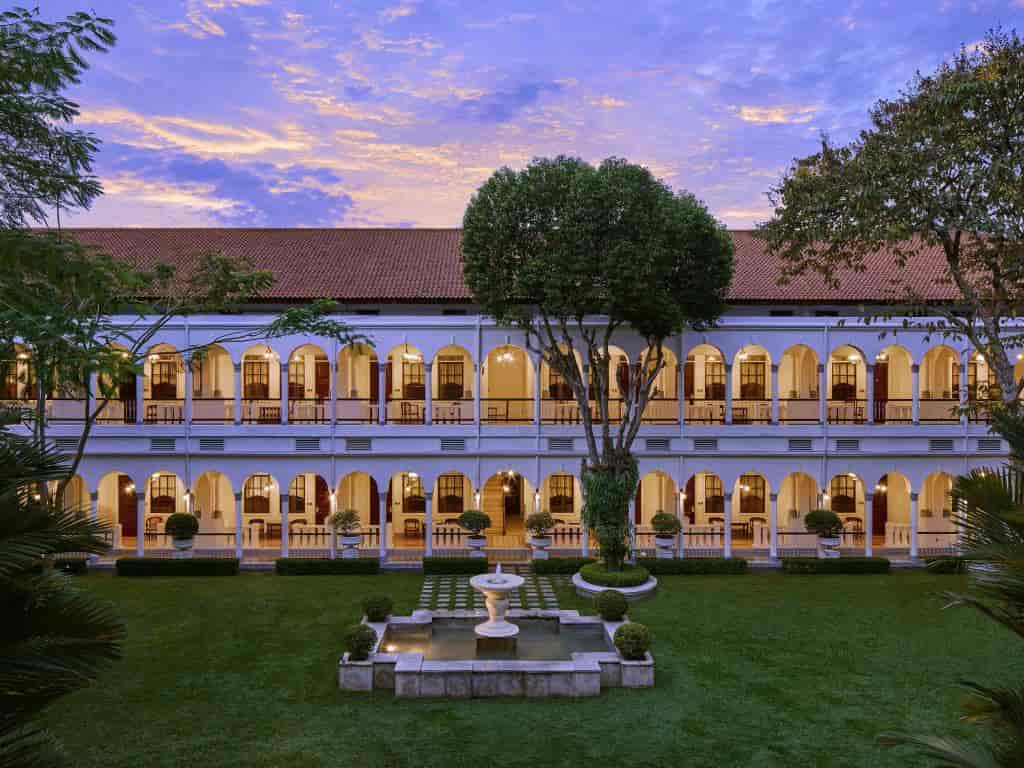
The sheer scale and modernity of Hotel Indonesia Kempinski at the time made it a landmark. It was the tallest building in Jakarta upon its completion, a symbol of progress and national pride. Over the decades, it has hosted numerous dignitaries, reflecting its continued prestige. A notable recent event was the 2020 visit of the Dutch King and Queen to Indonesia. Their choice to stay at Hotel Indonesia Kempinski, specifically in rooms equipped with bulletproof glass, highlighted the hotel’s enduring security and luxury appeal, bridging the historical connection with the Dutch monarchy in a contemporary context. This detail underscores the hotel’s consistent commitment to accommodating high-profile guests with utmost discretion and safety.
The hotel’s pricing, as of recent checks, indicates a premium experience, with rates starting around Rp 2.98 million per night. This pricing reflects its five-star status, historical significance, and prime location in the heart of the capital, making it a destination for discerning travelers seeking both luxury and a deep connection to Indonesian history.
Hotel Majapahit Surabaya: A Crucible of Patriotism
Hotel Majapahit Surabaya is more than just a hotel; it is a living monument to a pivotal moment in Indonesian history. Built in 1910 by the Sarkies Brothers, Armenian hoteliers who also established other renowned establishments in Southeast Asia, it was initially named Hotel Oranje. During the Japanese occupation, its name was changed to Hotel Yamato, a period of significant upheaval and transition for the archipelago.
The hotel’s most indelible mark on history occurred on September 19, 1945, shortly after Indonesia’s declaration of independence. In the wake of the Allied re-occupation and the continued presence of the Dutch flag, a tense confrontation erupted at Hotel Yamato. Indonesian youths, fueled by nationalist fervor, stormed the hotel and, in an act of defiance, tore off the blue stripe from the Dutch flag, transforming it into the red and white Indonesian flag. This symbolic act, often referred to as the "Battle of the Blue Flag," became a potent emblem of Surabaya’s heroic struggle for independence and cemented the hotel’s place in the national consciousness.
The hotel’s architecture, a blend of Dutch colonial and Art Deco styles, speaks to its historical layers. Its continued operation as a luxury hotel allows visitors to step back in time and experience the grandeur of its past while reflecting on the courage and determination of those who fought for national sovereignty. Recent pricing for Hotel Majapahit Surabaya suggests a starting rate of approximately Rp 985,125 per night, positioning it as an accessible yet historically rich destination for travelers.
Royal Ambarukmo Yogyakarta: A Royal Legacy and Presidential Vision
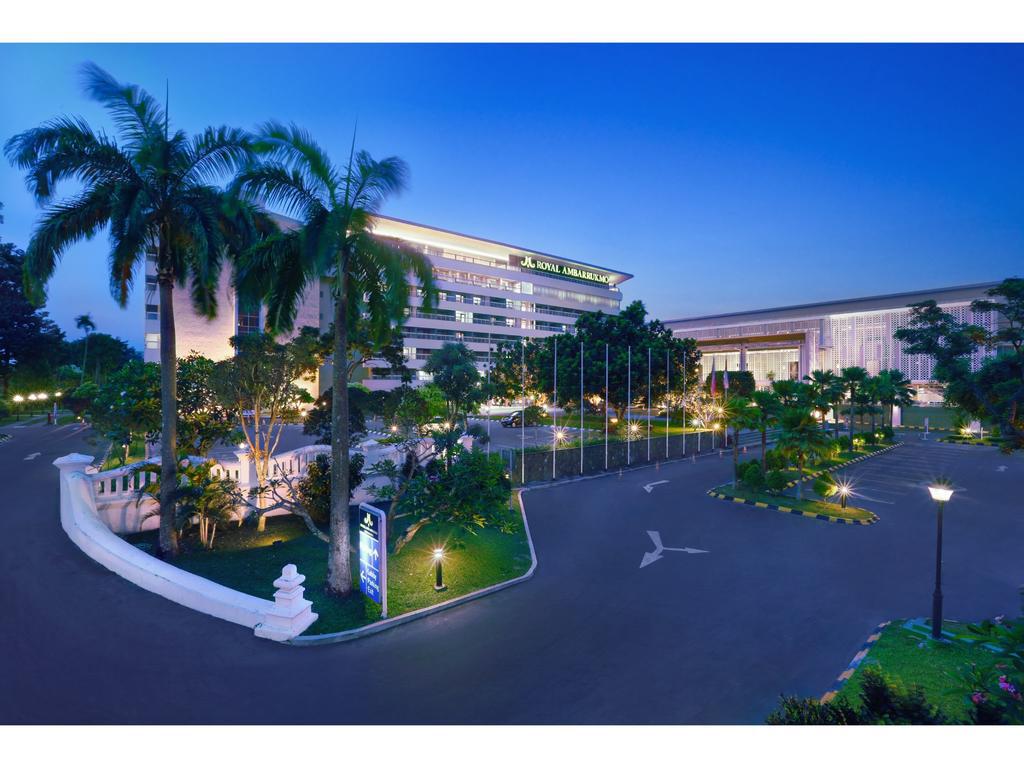
Nestled in Yogyakarta, a city renowned for its rich cultural heritage and royal traditions, the Royal Ambarukmo stands as a significant historical landmark. While not directly built by the Dutch, its inception and early promotion are deeply intertwined with Indonesian national leadership and international aspirations. The hotel was initiated by Sultan Hamengku Buwono V, a prominent figure in Javanese royalty, and was among the first four hotels in Indonesia to be championed by President Soekarno in 1966 as part of his vision to elevate Indonesia’s international tourism profile.
This endorsement by President Soekarno was strategic. He recognized the potential of such establishments to showcase Indonesia’s hospitality, culture, and readiness to engage with the global community. The Royal Ambarukmo, with its five-star amenities, including golf facilities, game rooms, and a poolside bar, was designed to meet the expectations of international travelers and foster a sense of national pride through world-class hospitality. Its location in Yogyakarta, the heartland of Javanese culture, further enhances its appeal as a destination that offers both luxury and profound cultural immersion.
The hotel’s continued operation as a luxury establishment underscores the enduring success of President Soekarno’s vision. Travelers can experience its opulent facilities and rich history, with rates starting around Rp 911,250 per night, offering a glimpse into a period of national optimism and ambition in Indonesian tourism.
Hotel Savoy Homann Bandung: Art Deco Elegance and Global Footprints
Located on Jalan Asia-Afrika in Bandung, a street steeped in historical significance, Hotel Savoy Homann is a testament to elegant Art Deco design and international renown. Originally owned by the Homann family, it gained fame for its exquisite "rijsttafel" (rice table) culinary tradition, a Dutch-influenced feast of Indonesian dishes. The hotel’s current design, envisioned by architect Albert Aalbers in 1939, is a masterpiece of Art Deco, characterized by its flowing, wave-like structures that evoke the grandeur of the ocean. This architectural style was a bold departure, reflecting a modern sensibility that was cutting-edge for its time.
The hotel’s name change to Savoy Homann in 1940 was a deliberate move to emphasize its prestige and stature. Its history is punctuated by the presence of global icons; the legendary filmmaker and actor Charlie Chaplin is noted to have been a guest, a fact that further cemented the hotel’s international allure. The street it resides on, Jalan Asia-Afrika, is also historically significant as the site of the 1955 Asian-African Conference, a landmark event that brought together leaders from newly independent nations to discuss global issues and advocate for self-determination, further linking the hotel to pivotal moments in 20th-century history.
The Hotel Savoy Homann continues to offer a luxurious experience, with prices starting from around Rp 390,880 per night. This makes it an appealing option for travelers seeking to immerse themselves in sophisticated colonial-era architecture and a rich historical narrative at a more accessible price point.
Inna Bali Heritage Hotel: Bali’s First Luxury Pioneer
The Inna Bali Heritage Hotel holds the distinction of being Bali’s first luxury accommodation, opening its doors on August 22, 1927. Its establishment coincided with a growing influx of foreign tourists arriving in Bali via the steamships of the Koninklijke Paket-vaart Maatschappij (Royal Packet Navigation Company). This marked a significant turning point for Bali, transforming it from a relatively isolated island into a destination of international interest.
The hotel was designed to cater to these early international visitors, offering a level of comfort and service that was unprecedented on the island at the time. Situated in Denpasar, the administrative heart of Bali, it quickly became a hub for travelers seeking to experience the island’s unique culture and breathtaking landscapes. Even as a three-star establishment, its amenities, including a garden, restaurant, swimming pool, and cafe, were considered luxurious for its era, setting a precedent for the island’s future as a world-renowned tourist destination.
The Inna Bali Heritage Hotel’s enduring presence is a testament to Bali’s long-standing appeal to international visitors and its successful evolution into a global tourism powerhouse. Its historical significance lies not only in its pioneering role but also in its connection to the early days of Bali’s integration into the global tourism circuit. With rates starting from approximately Rp 270,000 per night, it offers an affordable opportunity to stay in a hotel that has witnessed and contributed to Bali’s transformation over nearly a century.
Enduring Legacies and Evolving Tourism Landscapes
These five hotels represent just a fraction of Indonesia’s colonial-era accommodations that continue to operate. Each possesses a unique narrative, woven from the threads of trade, diplomacy, conflict, and cultural exchange. They serve as invaluable links to the past, offering travelers more than just a place to rest their heads; they provide an immersive historical experience.
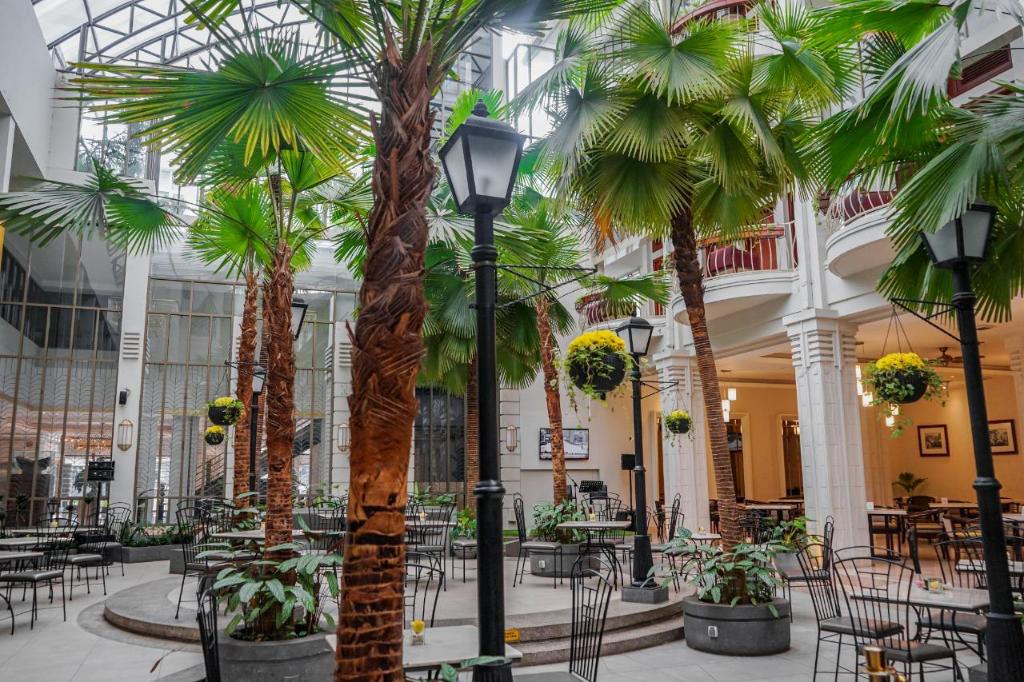
The enduring success of these hotels highlights a broader trend in global tourism: the increasing appreciation for heritage and authentic experiences. As travelers become more discerning, the allure of staying in a place with a story, a place that has witnessed significant historical events, grows stronger. These hotels, with their distinctive architecture, rich histories, and often updated amenities, perfectly meet this demand.
However, it is crucial to acknowledge the complexities of this heritage. While these hotels are celebrated for their historical value, they are also products of a colonial era marked by exploitation and power imbalances. A nuanced understanding of their history is essential, recognizing both their architectural and cultural contributions and the socio-political context in which they were established.
The pricing of these hotels, as noted, can fluctuate significantly based on seasonal demand, inflation, local tax policies, and booking patterns. Travelers are advised to always verify final prices before confirming reservations, with off-peak seasons generally offering more economical rates. Ultimately, these historic hotels stand as powerful reminders of Indonesia’s layered past, continuing to shape its present and future as a captivating global destination. They are not merely buildings; they are living chronicles, inviting visitors to step into the pages of history.