Chalifah Fatihah
New Research Suggests Flavonoid-Rich Diets Can Significantly Impact Healthy Aging and Cognitive Function
A groundbreaking study published in the esteemed American Journal of Clinical Nutrition in 2025 has illuminated the profound potential of flavonoids, a group of naturally occurring compounds found in a wide array of fruits, vegetables, nuts, and beverages, to significantly contribute to healthy aging. The research, which analyzed participants aged 30 to 75, indicates that a diet intentionally incorporating flavonoid-rich foods can lead to a notable reduction in the markers of aging, including physical frailty, cognitive decline, and overall mental well-being. This finding offers a compelling, science-backed approach to proactive health management and longevity, moving beyond conventional anti-aging strategies.
The study introduced the concept of a "flavodiet," a dietary regimen specifically designed to maximize the intake of flavonoid-rich foods and beverages. Participants who adhered to this structured eating plan demonstrated a significantly lower incidence of age-related decline compared to those with a less consistent or haphazard approach to flavonoid consumption. Specifically, the group consistently following the flavodiet experienced a 15% reduction in the risk of physical frailty, a 12% decrease in the likelihood of experiencing physical impairments, and a 12% lower risk of worsening mental health. These statistical improvements underscore the tangible benefits of integrating these powerful plant compounds into one’s daily nutrition.
Understanding Flavonoids: Nature’s Antioxidant Powerhouse
Flavonoids are a diverse class of polyphenolic secondary metabolites found in plants. They are renowned for their potent antioxidant properties, which play a crucial role in combating oxidative stress within the body. Oxidative stress, an imbalance between free radicals and antioxidants, is a fundamental contributor to cellular damage, inflammation, and the progression of numerous chronic diseases, including cardiovascular conditions like heart attacks and strokes. By neutralizing harmful free radicals, flavonoids help protect cells from damage, thereby mitigating the risk of these serious health issues.
The recent research, however, expands our understanding of flavonoids beyond their immediate protective functions. It positions them as instrumental in promoting a more graceful and robust aging process, suggesting that their benefits extend to preserving vital bodily functions and cognitive acuity as individuals advance in age. This paradigm shift in understanding highlights flavonoids not just as disease preventers, but as vital components for maintaining a high quality of life throughout one’s lifespan.
A Timeline of Discovery and Emerging Research
While the antioxidant benefits of flavonoids have been recognized for decades, culminating in widespread recommendations for increased fruit and vegetable consumption, the specific link to slowing the aging process is a more recent area of intensive scientific inquiry. Early research in the late 20th century began to identify the protective effects of plant-based diets against chronic diseases. The turn of the millennium saw a surge in studies focusing on specific phytonutrients, with flavonoids emerging as particularly promising candidates.
The 2025 study published in the American Journal of Clinical Nutrition represents a significant milestone, providing robust clinical data that quantifies the impact of a structured flavonoid-rich diet on multiple facets of aging. Prior to this, numerous observational studies had hinted at these benefits, correlating higher flavonoid intake with reduced risks of cardiovascular disease, certain cancers, and neurodegenerative conditions. This latest research moves beyond correlation to demonstrate a more direct causal link through a controlled dietary intervention.
The implications of this research are far-reaching. As global populations age, the burden of age-related diseases and the associated healthcare costs continue to rise. By identifying and promoting dietary strategies that can actively slow down the aging process and improve the quality of life for older adults, scientific and public health initiatives can pivot towards a more proactive and preventative approach to aging.
Key Flavonoid-Rich Foods: A Guide to Healthier Eating
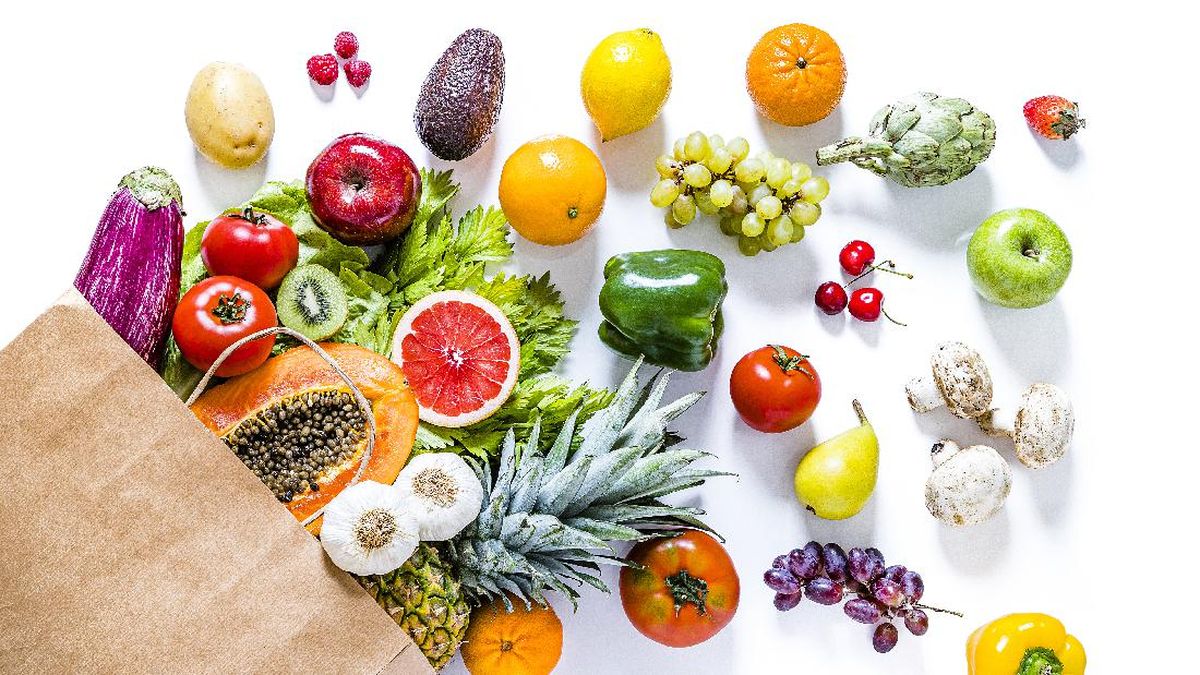
The findings from the American Journal of Clinical Nutrition study, corroborated by insights from nutritional experts like Jasmine Hormati, as reported by Vogue UK, emphasize that incorporating a variety of fruits and vegetables into daily meals and snacks is the most straightforward way to increase flavonoid intake. Here’s a detailed look at some of the most potent sources:
1. Berries: Nature’s Jewel Tones of Health
Berries, including blueberries, blackberries, and cranberries, are powerhouses of flavonoids, particularly anthocyanidins. These pigments, responsible for the vibrant red, blue, and purple hues of these fruits, are potent antioxidants that offer significant protection against cellular damage. Blueberries, in particular, have been extensively studied for their cognitive benefits, with research suggesting their consumption can improve memory and delay age-related cognitive decline. A cup of mixed berries can provide a substantial dose of these beneficial compounds, making them an ideal addition to breakfast cereals, yogurt, smoothies, or as a standalone snack.
2. Parsley: The Humble Herb with Mighty Benefits
Often overlooked as a mere garnish, parsley is surprisingly rich in flavonoids, especially apigenin, a flavone found in high concentrations in the herb. Beyond its flavonoid content, parsley is a good source of vitamins K, A, and C, which are essential for blood clotting, vision, and immune function, respectively. Incorporating fresh parsley into salads, sauces, soups, and marinades can boost both the flavor and nutritional profile of meals. Its mild, refreshing taste makes it versatile across various cuisines.
3. Purple Cabbage: A Spectrum of Antioxidant Power
The deep, rich purple of cabbage is a visual cue to its high anthocyanin content, specifically cyanidin. This vibrant color indicates a significant presence of flavonoids, often exceeding that found in its green counterpart. Purple cabbage is also a good source of fiber, vitamin C, and vitamin K. Shredded and incorporated into coleslaws, stir-fries, or roasted, it offers a crunchy texture and a subtly sweet flavor. Its versatility allows it to be enjoyed raw or cooked, making it an accessible way to increase flavonoid intake.
4. Citrus Fruits: Zesty Guardians of Cellular Health
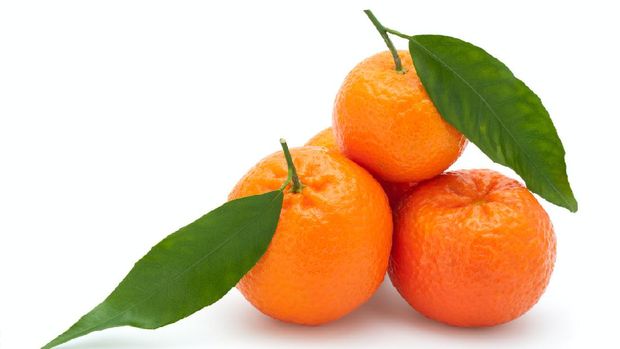
Oranges, grapefruits, lemons, and limes are not only sources of vitamin C but also abundant in flavonoids, particularly flavanones. These compounds are celebrated for their remarkable ability to scavenge free radicals and possess potent antioxidant and anti-inflammatory effects. The presence of flavanones in citrus fruits contributes to their overall health-promoting properties, potentially reducing the risk of chronic diseases. Enjoying whole citrus fruits, their segments, or freshly squeezed juices (in moderation) can provide a significant boost of these beneficial compounds.
5. Apples: An Apple a Day, Flavonoids to Stay
Apples, especially when consumed with their skin, are excellent sources of catechins and flavonols like quercetin. Studies have indicated that the antioxidant activity and bioavailability of beneficial compounds are often higher in apple skin than in the flesh. Quercetin, in particular, has been linked to anti-inflammatory and antihistamine effects, potentially benefiting individuals with allergies and respiratory conditions. Incorporating apples into snacks, desserts, or savory dishes can be a delicious way to harness their flavonoid power.
6. Cherries: Sweet and Tart Sources of Antioxidants
Both sweet and tart cherries are recognized for their high levels of anthocyanidins and catechins. Beyond their flavonoid content, cherries are rich in other antioxidants and essential vitamins, contributing to overall health and well-being. Tart cherries, in particular, have gained attention for their potential to aid in muscle recovery after exercise and improve sleep quality due to their natural melatonin content. Enjoying cherries fresh, dried, or as juice can be a beneficial dietary practice.
7. Onions: The Flavorful Foundation of Health
Onions, a staple in many culinary traditions, are a treasure trove of flavonols, as noted by WebMD. These vegetables not only add a distinctive umami flavor to dishes but also contribute significantly to the intake of beneficial plant compounds. Research has suggested that the flavonols in onions may play a role in reducing the risk of certain cancers, such as prostate cancer in men. Whether sautéed, roasted, or used raw in salads, onions are an accessible and versatile way to enhance both the taste and health benefits of meals.
8. Dark Chocolate: A Decadent Dose of Flavonoids
Dark chocolate, particularly varieties with a cocoa content of 70% or higher, is a rich source of flavonols. These compounds have been the subject of numerous studies exploring their positive impact on cardiovascular and brain health. While dark chocolate can be a delightful way to consume flavonoids, moderation is key due to its caloric content and potential sugar. Opting for high-cocoa content chocolate ensures a greater concentration of beneficial compounds.
9. Soybeans: Isoflavones for Long-Term Well-being
Soybeans are a primary source of isoflavones, a specific type of flavonoid that has garnered attention for its potential health benefits, particularly concerning hormone-related cancers. Products derived from soybeans, such as tofu and tempeh, are excellent dietary options for increasing isoflavone intake. These plant-based proteins are versatile in cooking and offer a complete amino acid profile, making them a valuable addition to vegetarian and vegan diets, as well as for those looking to diversify their protein sources.
10. Tea: A Soothing Sip of Flavonoids
Beyond solid foods, beverages like tea are significant contributors to flavonoid consumption. Green tea, oolong tea, and black tea all contain flavanols, a class of flavonoids that have been extensively researched for their cardioprotective and cognitive-enhancing properties. Regular consumption of tea, particularly unsweetened varieties, can be a simple yet effective way to increase daily flavonoid intake. The ritual of tea drinking itself can also contribute to stress reduction, a factor that plays a role in overall health and well-being.
Broader Implications and Future Directions
The implications of this research extend beyond individual dietary choices. Public health initiatives can leverage these findings to promote targeted nutritional education, emphasizing the importance of plant-rich diets for healthy aging. Policymakers may consider the role of accessible and affordable flavonoid-rich foods in public health strategies aimed at reducing the incidence of chronic diseases and improving the overall healthspan of the population.
The continued study of flavonoids and their interaction with human physiology holds immense promise. Future research may delve deeper into the specific mechanisms by which different flavonoid subclasses exert their effects, explore personalized flavonoid recommendations based on genetic predispositions, and investigate synergistic effects when consumed in combination with other nutrients. The growing body of evidence solidifies the role of these natural compounds as cornerstones of a proactive approach to health, offering a pathway to not just living longer, but living healthier and more vibrantly. By embracing a diet rich in these remarkable plant-based compounds, individuals can actively invest in their future well-being, paving the way for a more robust and fulfilling aging experience.