Nila Kartika Wati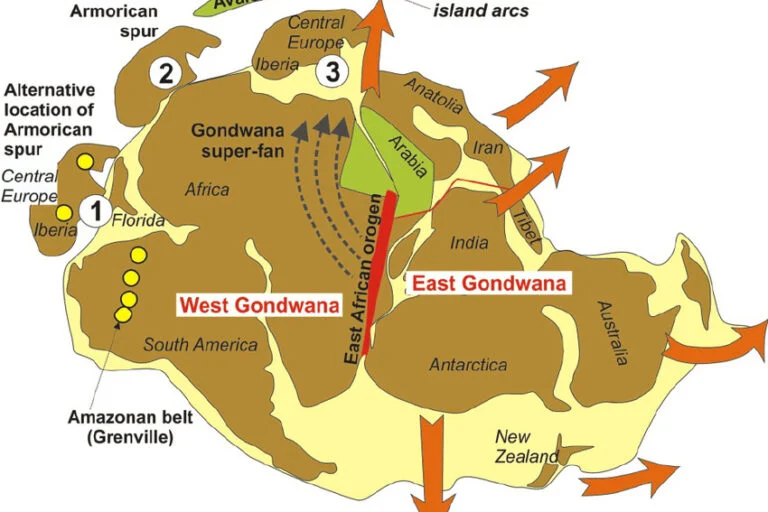
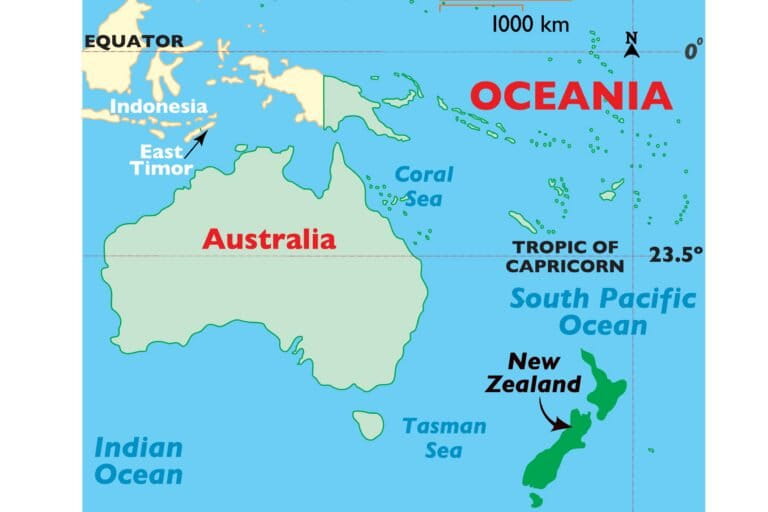
New Zealand is frequently characterized as a pristine fragment of paradise adrift in the South Pacific, a land of emerald hills and jagged, snow-capped peaks that seem to have escaped the ravages of time. Yet, beneath this aesthetic splendor lies a profound biological anomaly that serves as a cornerstone of its national identity: the country is one of the few significant landmasses on Earth with no native or wild snake populations. This absence is a startling geographical outlier, especially considering New Zealand’s proximity to regions teeming with reptilian life. Only 4,000 kilometers away lies the Australian continent, home to the world’s most lethal serpents, including the Inland Taipan (Oxyuranus microlepidotus) and the Eastern Brown Snake (Pseudonaja textilis). To the north, the Indonesian archipelago boasts a staggering variety of herpetofauna, ranging from the iconic King Cobra (Ophiophagus hannah) to the massive Reticulated Python (Malayopython reticulatus). Despite being surrounded by these "snake hotspots," New Zealand remains an impenetrable fortress against the slithering world.
The Deep Time of Geological Isolation
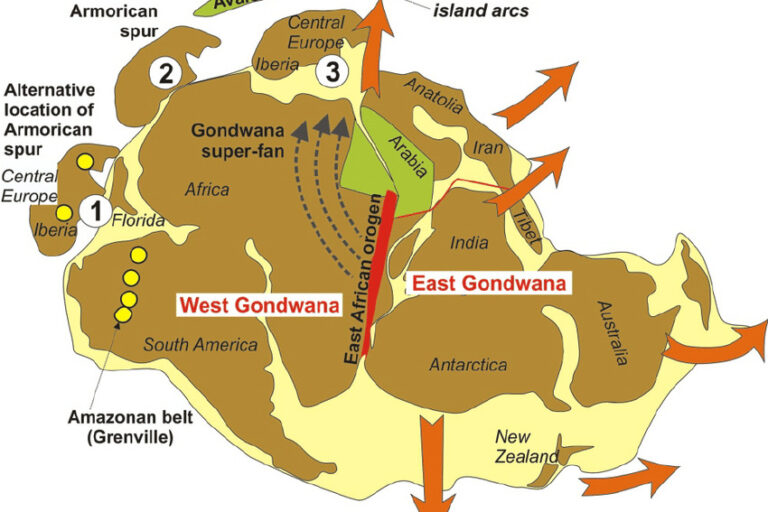
The absence of snakes in New Zealand is not a mere quirk of modern history or a stroke of climatic luck; it is the result of a monumental geological divorce that occurred millions of years ago. To trace the origins of this phenomenon, one must look back to the era of the supercontinent Gondwana. Approximately 80 million years ago, the landmass that would become New Zealand began to break away from the eastern edge of Gondwana, which at the time included what are now Australia and Antarctica. This separation was driven by seafloor spreading in the Tasman Sea, a process that moved New Zealand further into the isolation of the Pacific.
Crucially, this tectonic departure occurred before many of the modern lineages of snakes had evolved or achieved widespread distribution. While Australia remained connected to other landmasses via intermittent land bridges during various ice ages—allowing for the migration of diverse reptilian species—New Zealand was already an island nation surrounded by deep, frigid oceanic trenches. These waters acted as a lethal barrier. Unlike some lizards or small mammals that might survive long-distance "rafting" on floating vegetation, snakes are generally poorly equipped for the thousands of kilometers of trans-oceanic travel required to reach New Zealand’s shores. By the time snakes became a dominant predatory force across most of the globe, New Zealand was already a locked room, biologically speaking.
An Evolutionary Trajectory Without Terrestrial Predators
The lack of snakes, and terrestrial predatory mammals, fundamentally altered the evolutionary trajectory of New Zealand’s endemic wildlife. In most ecosystems, the presence of snakes exerts a constant selective pressure on ground-dwelling animals, forcing them to develop camouflage, speed, or defensive toxins. In the "vacuum" of New Zealand, birds became the undisputed masters of the land. Over millions of years, this lack of ground-based threats led to a phenomenon known as "evolutionary naivety" and the widespread loss of flight among avian species.
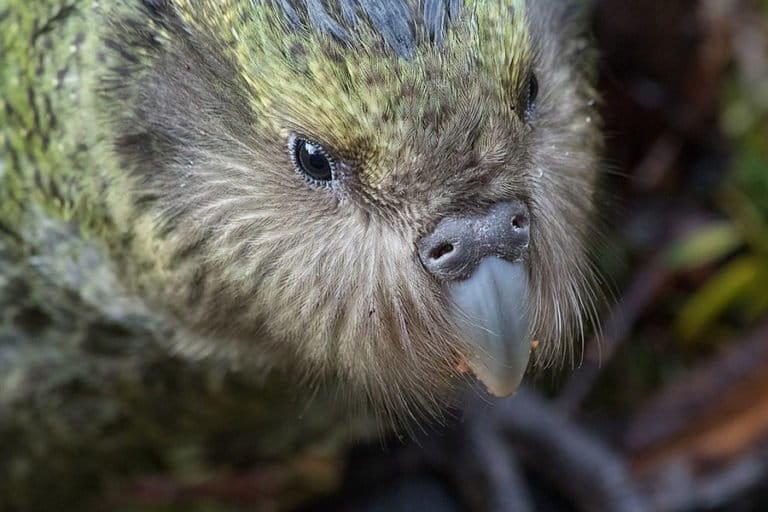
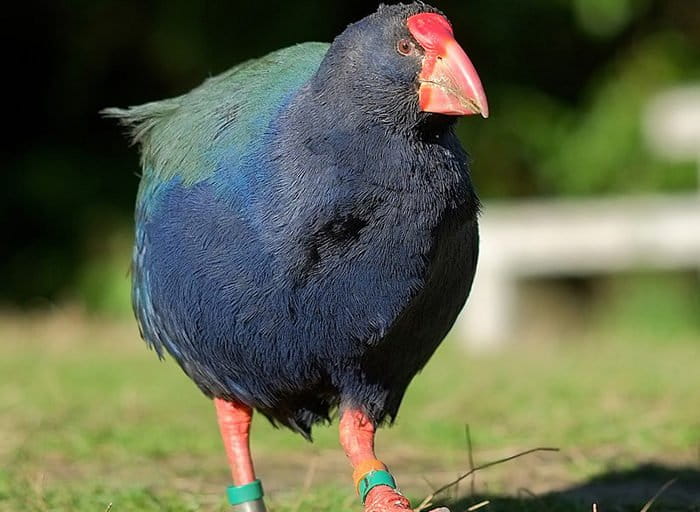
When energy does not need to be expended on maintaining flight muscles for escape, biology often redirects those resources toward larger body sizes or stronger legs for foraging. This resulted in the emergence of iconic species such as the Kiwi, the Kakapo (the world’s only flightless parrot), and the Takahe. These birds evolved to nest on the forest floor and move with a deliberate slowness that would be suicidal in a snake-infested environment. Their survival strategy was built entirely on the assumption that no silent, legless predator would ever stumble upon their eggs. Consequently, the introduction of a single snake species would not just be an ecological nuisance; it would be a catastrophic event capable of erasing millions of years of specialized evolution in a matter of decades.
The Guam Precedent: A Cautionary Tale of Ecological Collapse
New Zealand’s hardline stance on snakes is heavily informed by regional disasters, most notably the case of Guam. Following World War II, the Brown Tree Snake (Boiga irregularis) was accidentally introduced to the island of Guam, likely as a stowaway in military cargo. With no natural predators and an abundance of unsuspecting prey, the snake population exploded. The results were devastating: ten out of twelve native forest bird species in Guam were driven to extinction, and the remaining two are functionally extinct in the wild.
The "Guam effect" extended beyond the loss of birds. Without birds to spread seeds and control insect populations, the entire forest structure of Guam began to change, leading to a cascade of ecological failures. New Zealand authorities view this as a blueprint for what could happen to their own "Department of Conservation" lands if a similar breach occurred. The economic and cultural cost of losing the Kiwi or the Kakapo—symbols of national identity—is considered incalculable by the New Zealand government.
The Biosecurity Act and the Zero-Tolerance Framework
To maintain its snake-free status, New Zealand has implemented what is arguably the world’s most stringent biosecurity regime. Under the Biosecurity Act 1993, the Ministry for Primary Industries (MPI) manages a multi-layered defense system designed to intercept invasive species before they touch soil. The law is unequivocal: it is illegal to import, possess, or display snakes in New Zealand. Unlike many other nations, there are no exceptions for private collectors, and even accredited zoos are prohibited from housing snakes.
This zero-tolerance policy is supported by significant investment in frontline defense. At international airports and shipping ports, the "Beagle Brigade"—a team of highly trained detector dogs—is deployed to sniff out biological threats. These dogs are specifically trained to detect the scent of reptiles, which is distinct from mammals or birds. Every year, MPI officers intercept several snakes, usually found hiding in heavy machinery, timber shipments, or personal luggage from tropical regions.
In the rare event that a snake is spotted in the wild—often reported by citizens who have seen an escaped pet or a stowaway—the response is treated with the same urgency as a national security threat. Specialized "Snake Response Teams" are dispatched immediately to capture and euthanize the animal. Public awareness campaigns ensure that every New Zealander understands that a "strange rope-like creature" in their garden is an emergency that requires an immediate call to the biosecurity hotline.
Ecological Surrogates: Who Fills the Niche?
While snakes are absent, the ecological niche of the predator has not remained entirely empty. In a world without serpents, other creatures have stepped up to maintain the balance of the food chain. In the air, birds of prey such as the New Zealand Falcon (Falco novaeseelandiae) and the Swamp Harrier (Circus approximans) act as the primary controllers of small vertebrate populations.
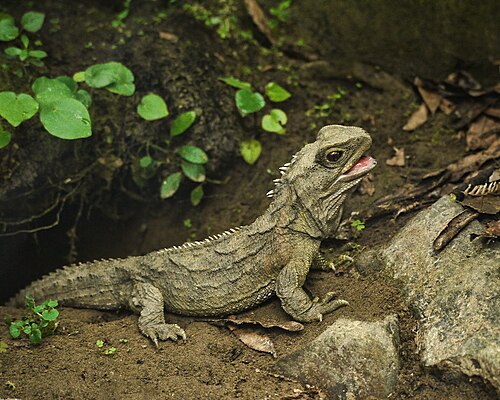
On the ground, the role of the "ancient watcher" is filled by the Tuatara (Sphenodon punctatus). Although the Tuatara resembles a lizard, it is actually the sole surviving member of the order Rhynchocephalia, which flourished alongside the dinosaurs 200 million years ago. The Tuatara is a formidable predator in its own right, feeding on insects, lizards, and even the chicks of ground-nesting birds. However, unlike the prolific breeding and rapid movement of many snake species, the Tuatara has an incredibly slow metabolism and reproductive cycle, fitting perfectly into the slow-motion ecology of New Zealand.
Modern Threats and the Cost of Vigilance
The primary threat to New Zealand’s snake-free status today is no longer geological or biological, but commercial. As global trade intensifies, the volume of shipping containers entering New Zealand ports has reached unprecedented levels. Each container represents a potential "Trojan horse" for invasive species. Climate change also poses a burgeoning risk; as New Zealand’s climate warms, areas that were once too cold for tropical snakes to survive may become hospitable, increasing the likelihood that a stowaway could establish a breeding colony.
The maintenance of this "biological sanctuary" comes at a high financial cost. New Zealand spends hundreds of millions of dollars annually on biosecurity and the protection of endangered species. However, economists and ecologists alike argue that this is a necessary investment. The "New Zealand Brand"—centered on "100% Pure" nature—is a massive driver of the tourism industry, which contributes significantly to the national GDP. A snake-infested New Zealand would not only lose its unique biodiversity but also its reputation as a safe, pristine destination for outdoor enthusiasts.
Conclusion: A Fortress of Natural Heritage
New Zealand stands as a testament to the power of isolation and the necessity of human intervention in the age of the Anthropocene. By remaining a land without snakes, it preserves a window into a pre-mammalian, pre-reptilian world where birds rule the earth. The country’s success in maintaining this status is not just a matter of luck, but a reflection of a national commitment to preserving evolutionary history. As the world becomes increasingly homogenized through globalization, New Zealand’s serpent-free forests remain one of the most unique and fiercely guarded ecological treasures on the planet, a "potatoes and paradise" landscape where the only thing to fear in the tall grass is the occasional territorial bird.