
 Lina Irawan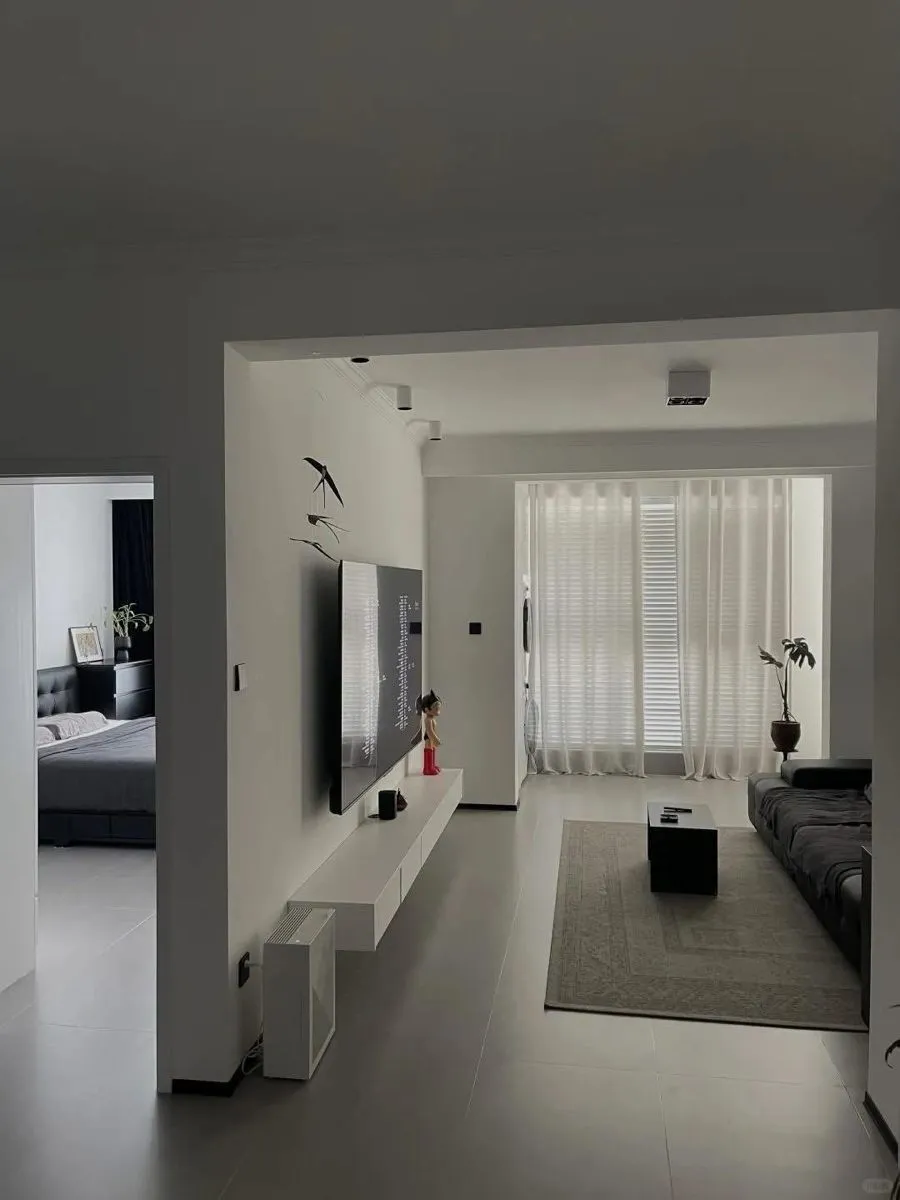
In an era where design trends increasingly lean towards simplicity and functionality, minimalist interior design has cemented its place as a cornerstone of modern living. At the heart of this aesthetic lies the flooring, an often-underestimated element that acts as the foundational canvas upon which all other design choices are built. For homeowners embracing a minimalist ethos, selecting the right ceramic or porcelain tile is paramount, influencing not just the visual appeal but also the perceived spaciousness, ambiance, and overall functionality of a room. InteriorDesign.ID emphasizes that minimalist flooring typically embodies clean visuals, minimal patterns, and a neutral palette, all strategically chosen to create an illusion of expansive and uncluttered spaces.
High-quality porcelain, particularly in large formats with matte or satin finishes, frequently emerges as the preferred material for this design style. The rationale is simple: fewer grout lines translate to a more seamless, continuous surface, enhancing the visual flow and understated elegance characteristic of minimalism. Professional installation, especially with thin grout lines, is consistently recommended by experts to achieve this cohesive, uninterrupted look. The floor’s role extends beyond mere aesthetics; it is the unifying element that harmonizes furniture, decor, and lighting within a space. An ill-considered choice in color, size, or installation can lead to a cramped, disjointed feel, whereas a well-executed flooring strategy can instantly elevate the entire home’s atmosphere. This comprehensive guide delves into the intricate process of selecting the perfect palette, proportioning tile sizes, and exploring optimal installation patterns to achieve a truly minimalist sanctuary.
The Foundation of Modern Aesthetics: Why Flooring Defines Minimalist Spaces
The global embrace of minimalist design principles reflects a desire for tranquility and order amidst an increasingly complex world. In interior design, minimalism champions clarity, functionality, and visual calm. The floor, often referred to as the "fifth wall," plays a disproportionately significant role in achieving this. Upon entering any space, the eye naturally sweeps across the floor, making it the second-largest visual area after the walls. In a minimalist context, where every element must serve a purpose without creating visual clutter, the flooring provides the essential bedrock for this desired serenity. Consider the grand lobbies of luxury hotels; their pristine, expansive floors are often the first feature to command attention, setting a tone of sophistication and spaciousness. This principle translates directly to residential design, where a well-chosen floor can anchor the entire aesthetic.
Industry data consistently shows a rising demand for large-format tiles and neutral color palettes, underscoring their integral role in modern minimalist homes. According to a recent market analysis by Grand View Research, the global ceramic tiles market is projected to grow significantly, with a substantial portion of this growth driven by residential renovations focused on contemporary and minimalist aesthetics. This trend highlights a consumer preference for durable, low-maintenance materials that contribute to a clean, spacious environment. Leading designers often articulate this philosophy by stating that "the floor is not just a surface to walk on; it’s the silent narrator of a home’s story, setting the mood before any furniture is even placed."
Evolving Trends in Minimalist Tile Design
Minimalist tile design has undergone a subtle yet significant evolution. While stark white tiles once dominated the minimalist landscape, the trend has gradually shifted towards warmer, more nuanced neutral tones. This evolution is partly driven by a desire to infuse warmth and organic comfort into minimalist spaces without sacrificing their clean lines. The emergence of "greige" (a blend of grey and beige), soft sand, and creamy off-white hues reflects this transition, offering a sophisticated alternative to pure white that is both inviting and practical.
Furthermore, the growing influence of biophilic design, which seeks to connect occupants with nature, has led to a surge in popularity for wood-look and natural stone-textured porcelain tiles. These materials offer the aesthetic warmth and organic patterns of natural elements while retaining the superior durability, low maintenance, and water resistance of porcelain. This allows homeowners to achieve the natural appeal of wood without the susceptibility to scratches, moisture damage, or the rigorous maintenance often associated with genuine timber flooring. The enduring appeal of monochrome palettes, encompassing shades of concrete gray, charcoal, and ivory white, also remains a strong contender, providing a bold yet versatile foundation for various contemporary urban and industrial aesthetics.

Strategic Palette Selection: Harnessing Color and Light
The choice of tile color is not merely an aesthetic decision; it’s a strategic one that profoundly impacts how light interacts with a space, influencing its perceived size, temperature, and mood.
Warm Earth Tones:
The current shift away from stark white towards earth tones such as greige, sand, and cream signifies a desire for warmth and subtlety in minimalist interiors. These hues are adept at reflecting natural and artificial light, particularly during the softer hours of the afternoon, creating a gentle, inviting glow. Beyond their aesthetic appeal, earth tones offer practical advantages, such as more effectively camouflaging everyday dust and minor foot traffic marks compared to pristine white floors. This palette is ideally suited for integration with natural wood furniture, such as teak or walnut, fostering a harmonious and organic environment. Research on color psychology suggests that earth tones evoke feelings of stability, comfort, and warmth, making them perfect for living areas and bedrooms.
Sophisticated Monochromes:
For a sharper, more defined aesthetic, monochrome palettes featuring concrete gray, charcoal, and ivory white offer a striking visual impact. Matte concrete gray, for instance, is a quintessential choice for industrial or contemporary urban homes, lending an understated yet powerful edge. The versatility of monochrome allows for easy integration with a diverse range of furniture colors and styles, providing flexibility for future interior design updates. However, caution is advised when selecting bluish-gray tones for rooms with limited natural light exposure, as they can inadvertently make the space feel cold and unwelcoming. The cool undertones of certain grays can diminish the warmth of ambient light, creating a sterile atmosphere.
Illuminating Bright Hues for Expansive Spaces:
In smaller or narrower rooms, bright colors like Carrara white with delicate gray veins can be a transformative choice. The reflective properties of light surfaces help to bounce incoming light around the room, effectively brightening dark corners and visually expanding the perceived dimensions of the space. To prevent an overly glossy or glaring effect, especially in areas with abundant natural light, opting for a satin or honed finish is recommended. These finishes offer a subtle sheen that enhances brightness without causing discomforting reflections. A study published in the Journal of Environmental Psychology confirms that lighter floor colors can indeed enhance perceived spaciousness and brightness in interior environments.
Mastering Proportion: Tile Sizes for Optimal Spatial Perception
The size of the tile plays a crucial role in defining the character and perceived scale of a room. Strategic selection based on room dimensions and function is key to achieving a cohesive minimalist design.
Grand Scale for Public Zones:
For high-traffic and communal areas such as living rooms and dining rooms, large-format tiles are highly recommended to create a sense of grandeur and openness. Sizes like 80×80 cm, 60×120 cm, or even expansive porcelain slabs measuring 120×240 cm (budget permitting) are ideal. The primary benefit of these larger tiles is the significant reduction in grout lines, which visually unifies the floor into a seamless, expansive surface. This uninterrupted flow enhances the illusion of a larger, more sophisticated space. It is absolutely critical that the subfloor is perfectly leveled before the installation of such large format materials to ensure an even, flawless finish. Rectified edge tiles, which are precisely cut to uniform dimensions, further facilitate ultra-thin grout lines (as little as 1-1.5 mm), contributing to this monolithic effect.
Tailored Sizes for Private Retreats:
Bedrooms, being more intimate spaces, can comfortably accommodate standard sizes like 60×60 cm. For those seeking the warmth of wood, wood-look porcelain planks in dimensions such as 15×60 cm or 20×120 cm are excellent choices. It’s important to avoid forcing excessively large tiles, such as 120×120 cm, into compact bedrooms (e.g., 3×3 meters). Doing so can lead to an excessive amount of waste from edge cuts, disrupt the visual harmony, and potentially inflate installation costs due to material loss. The goal is to select a size that complements the room’s scale without overwhelming it.

Functional Choices for Wet Environments:
Areas prone to moisture, such as bathrooms and laundry rooms, require specific considerations. Smaller tile formats like 30×30 cm or 40×40 cm with a coarser texture are generally more suitable. The increased density of grout lines in these smaller tiles serves a dual purpose: it aids in water drainage and significantly enhances foot grip, minimizing the risk of slips. For bathroom walls, however, larger tiles (e.g., 60×120 cm) can still be effectively utilized to reduce the number of grout lines, thus minimizing the accumulation of soap scum and making cleaning easier. The selection of tiles for wet areas must also factor in their slip resistance ratings.
Beyond the Grid: Exploring Advanced Installation Patterns
While the straightforward grid pattern is efficient to install, experimenting with different tile layouts can dramatically alter a room’s character and perceived dimensions.
The Classic Herringbone:
The herringbone pattern, created by arranging rectangular tiles at a 90-degree angle, imparts a rich visual texture and a sense of dynamic movement. It is particularly striking when applied with wood-look tiles in living rooms or study areas, evoking classic elegance. However, this pattern demands meticulous precision from installers and typically results in a higher material waste factor (often 15-20% compared to 5-10% for straight lays) due to the intricate cuts required. Despite the added complexity, the visual reward of a well-executed herringbone floor is undeniable.
The Versatile Brick or Subway Pattern:
This pattern, mimicking staggered brickwork, involves offsetting each tile by half or one-third of its length. For elongated tiles, such as 20×120 cm, a one-third offset is often recommended. This technique helps to mitigate any slight bowing that can occur in the middle of long tiles, ensuring a flatter, more uniform surface. Installing brick patterns parallel to the main light source, such as a large window, can visually extend the length of the room, creating a more expansive feel. This pattern is widely used in kitchens and hallways for its clean, structured look.
The Expansive Diagonal Layout:
Laying square tiles at a 45-degree angle to the walls can fundamentally change the perception of a room’s dimensions. By redirecting the eye along the diagonal lines, this pattern makes narrow spaces, such as corridors or foyers, appear significantly wider and more open. While it also involves more cutting and potentially more waste than a standard grid, its ability to visually manipulate space makes it a powerful design tool. The added visual interest also contributes to a more dynamic aesthetic. A skilled tiler is crucial for executing these complex patterns precisely, ensuring a professional and durable finish.
Curated Choices: Flooring Solutions for Every Room
Tailoring tile selections to the specific function and character of each room is essential for a harmonious home.
Elegant Living Rooms:
For the living room, the primary communal space, large-format porcelain with a subtle marble motif in warm white or cream, finished with a satin or honed texture, creates an atmosphere of understated luxury. These finishes provide a gentle sheen that reflects light without being overly glossy. To introduce warmth and define specific zones, integrating a thick, plush rug beneath the coffee table can act as a tactile and visual transition, adding softness and grounding the furniture arrangement.

Resilient Kitchens:
Kitchens demand highly durable, low-porosity materials capable of withstanding spills, grease, and heavy foot traffic. Terrazzo-look tiles with fine gray speckles or a clean monochrome palette are excellent choices, as they cleverly disguise minor dirt and spills until the floor can be cleaned. Crucially, opt for a matte finish with an adequate slip resistance rating (R-rating of at least R10 or R11) to prevent accidents in a potentially oily or wet environment. Porcelain’s inherent resistance to stains and moisture makes it a superior choice for this demanding area.
Serene Bathrooms:
In bathrooms, the focus shifts to creating a tranquil yet functional space. Textured natural stone-look or dark slate-look tiles for the floor can be paired with lighter-colored walls to create visual depth and contrast. The rougher texture of these tiles naturally enhances slip resistance. Meticulous attention to the floor’s slope towards the drainage point is non-negotiable to prevent water pooling and ensure efficient drying, which is vital for hygiene and safety.
Comforting Bedrooms:
For bedrooms, warmth and comfort are paramount. Light oak or bright pine wood-look tiles installed in a brick pattern can evoke a natural, inviting ambiance. The brick pattern mimics genuine wood planking, enhancing the organic feel. A significant advantage of wood-look porcelain over standard porcelain is its perceived warmth underfoot, which is particularly noticeable when air conditioning is running, making the room feel cozier and more comfortable.
The Unseen Hero: Grout and Subfloor Integrity
The longevity and aesthetic integrity of any tiled floor heavily rely on two often-overlooked technical aspects: the choice of grout and the quality of the subfloor.
Grout Technology: Epoxy vs. Cement:
Traditional cement-based grout is porous, making it susceptible to absorbing water, oils, and soap residues. In wet areas like bathrooms and kitchens, this leads to rapid discoloration, mold growth, and gradual erosion, especially when frequently scrubbed with acidic cleaners. This necessitates constant cleaning and can detract significantly from the overall appearance of the floor over time.
In contrast, epoxy grout, formulated with resin, offers superior performance. It is non-porous, waterproof, highly resistant to chemical agents, and inhibits the growth of mold and mildew. This means spills in the kitchen won’t permanently stain, and bathrooms remain cleaner and more hygienic with minimal effort. While epoxy grout has a higher upfront cost and requires specialized installation due to its faster setting time and specific application techniques, its long-term benefits in terms of durability, hygiene, and reduced maintenance far outweigh the initial investment. A cost-benefit analysis often reveals significant savings in cleaning products and labor over the lifespan of the floor.
The Critical Role of Subfloor Leveling:
Even the most expensive tiles and expertly chosen grout cannot compensate for a poorly prepared subfloor. A concrete base that is uneven or undulating will inevitably lead to an uneven tile installation, resulting in inconsistent grout lines, potential tile lippage (where one tile edge is higher than its neighbor), and even premature cracking of tiles. Precision leveling of the subfloor is therefore paramount. When the concrete base is perfectly flat and smooth, it allows for the installation of tiles with ultra-thin grout lines (as narrow as 1 to 1.5 millimeters), achieving the seamless, almost monolithic look highly desired in minimalist designs. Professional subfloor preparation, often involving self-leveling compounds, is a non-negotiable step for a high-quality, durable, and aesthetically pleasing tiled floor. Industry standards dictate specific tolerances for subfloor flatness to ensure optimal tile performance and longevity.
Navigating Common Pitfalls in Tile Installation

Even with meticulous planning, certain common mistakes can undermine the minimalist aesthetic and functionality of a tiled floor.
Visual Cohesion: Avoiding Material Overload:
A common error in open-plan living spaces is the introduction of too many different flooring materials. Combining, for instance, wood-look tiles in the living room, marble in the dining area, and exposed concrete in the kitchen within a single open zone can create a fragmented, visually chaotic environment that makes the space feel smaller and disjointed. For seamless integration and an expansive feel, it is advisable to maintain one consistent flooring material across all public areas of the home. This uniformity enhances visual flow and reinforces the minimalist principle of simplicity.
Grout Color Harmony:
The color of the grout might seem like a minor detail, but it profoundly impacts the overall perception of the floor. Choosing a grout color that sharply contrasts with the tile can make the floor appear busy, akin to a chessboard, detracting from the desired minimalist serenity. The ideal approach is to match the grout color as closely as possible to the base color of the tile. If an exact match isn’t available, selecting a grout shade that is one level darker than the tile is often recommended. This subtle contrast ensures that the grout lines blend harmoniously, appearing to recede slightly into the shadows, thus enhancing the unified appearance of the tiled surface. Always bring a tile sample to the store when selecting grout to ensure the best possible match.
Respecting Natural Patterns: Ignoring Vein Patterns:
For tiles designed to mimic natural materials like marble or wood, each piece often features unique vein patterns or grain directions. Disregarding these natural variations during installation can lead to an unnatural or repetitive look. To avoid this, it is crucial to perform a "dry lay" – arranging the tiles without adhesive – before permanent installation. This allows the installer to arrange the tiles aesthetically, ensuring the vein patterns flow naturally and that there are no undesirable concentrations of dark or busy patterns in any single area. This attention to detail is vital for creating an authentic and visually pleasing natural stone or wood effect.
Sustaining the Minimalist Aesthetic: Maintenance and Longevity
Maintaining a minimalist floor is generally straightforward, but adhering to specific practices will ensure its lasting beauty and durability.
Gentle Cleaning Regimens:
Modern porcelain and ceramic tiles are highly durable and non-porous, making them resistant to dirt absorption. Therefore, harsh cleaning agents are largely unnecessary and can even be detrimental. Avoid using acidic cleaners or bleach, as these can gradually erode the protective sealant or glaze on the tile surface. This erosion can lead to dullness, increased susceptibility to scratches, and a diminished aesthetic over time. Instead, opt for pH-neutral floor cleaners or simply use a damp microfiber mop for regular cleaning. This gentle approach preserves the integrity and luster of the tile surface, extending its lifespan.
Protecting Your Investment:
Furniture, particularly chairs and tables, can cause abrasive scratches on tiled floors with regular movement. To prevent this, affix protective rubber or felt pads to the feet of all furniture. These pads create a soft barrier between the furniture and the floor, absorbing impact and preventing direct friction that leads to unsightly scratches and wear marks. This simple measure is an effective way to safeguard your flooring investment.
The Interplay of Light and Surface:
The type of artificial lighting in a room can significantly alter the perceived color and texture of your flooring. Warm white lighting (around 3000K) tends to bring out the richness of brown, cream, and wood-grain tones, enhancing their natural warmth. Conversely, daylight-spectrum lighting (around 6000K) accentuates the crispness and cleanliness of monochrome or concrete gray materials. Before making a bulk purchase, it is highly advisable to test tile samples under the specific lighting conditions that will be installed in your home. This ensures that the chosen tile color and finish will appear as intended, harmonizing with the overall lighting scheme and desired ambiance.

Strategic Budgeting and Future-Proofing Your Flooring
Effective financial planning for flooring involves more than just the initial purchase price; it requires foresight for material wastage and future repairs.
Calculating Material Wastage:
When estimating material requirements, always factor in wastage. For straight-lay patterns, an additional 5-10% of material should be ordered to account for cuts, breakages, and minor installation adjustments. For more intricate patterns like diagonal or herringbone, which involve more complex cuts and potentially higher waste, it is prudent to allocate an extra 15-20% of material. This buffer prevents delays and additional costs associated with ordering insufficient quantities.
The Value of Spare Tiles:
A crucial, often overlooked, aspect of future-proofing your flooring is to store 2 to 3 extra boxes of tiles after the project is completed. Should any tiles become damaged or cracked years down the line, having spare tiles from the original production batch is invaluable. Tile manufacturers frequently adjust their production processes, leading to slight variations in color, texture, or "shade" over time. Finding an identical production code or shade match in the future can be exceptionally challenging, if not impossible. These stored spares ensure that any future repairs seamlessly blend with the existing floor, maintaining its aesthetic uniformity and value.
Conclusion: A Harmonious Foundation for Minimalist Living
Designing the flooring for a minimalist home is an intricate process that demands careful synchronization of color palettes, tile formats, and technical specifications. From selecting the perfect neutral shade that interacts harmoniously with natural light to choosing the appropriate tile size that enhances spatial perception, every decision contributes to the overarching aesthetic. Furthermore, crucial technical details such as grout thickness, the superior performance of epoxy grout in wet areas, and the absolute necessity of a perfectly leveled subfloor cannot be overstated.
Executing a compelling visual design into a precise and durable structural element requires meticulous planning and expert execution. The team at InteriorDesign.ID specializes in translating conceptual material preferences into detailed 3D design renderings, ensuring that your vision is realized with precision. Beyond design, they also provide oversight to ensure that the installation process adheres strictly to the specifications of your space, guaranteeing a flawless and enduring minimalist foundation for your home. Investing wisely in your flooring is not just about immediate aesthetics; it’s about creating a serene, functional, and aesthetically pleasing environment that stands the test of time, reflecting the true essence of minimalist living.








