
 Lina Irawan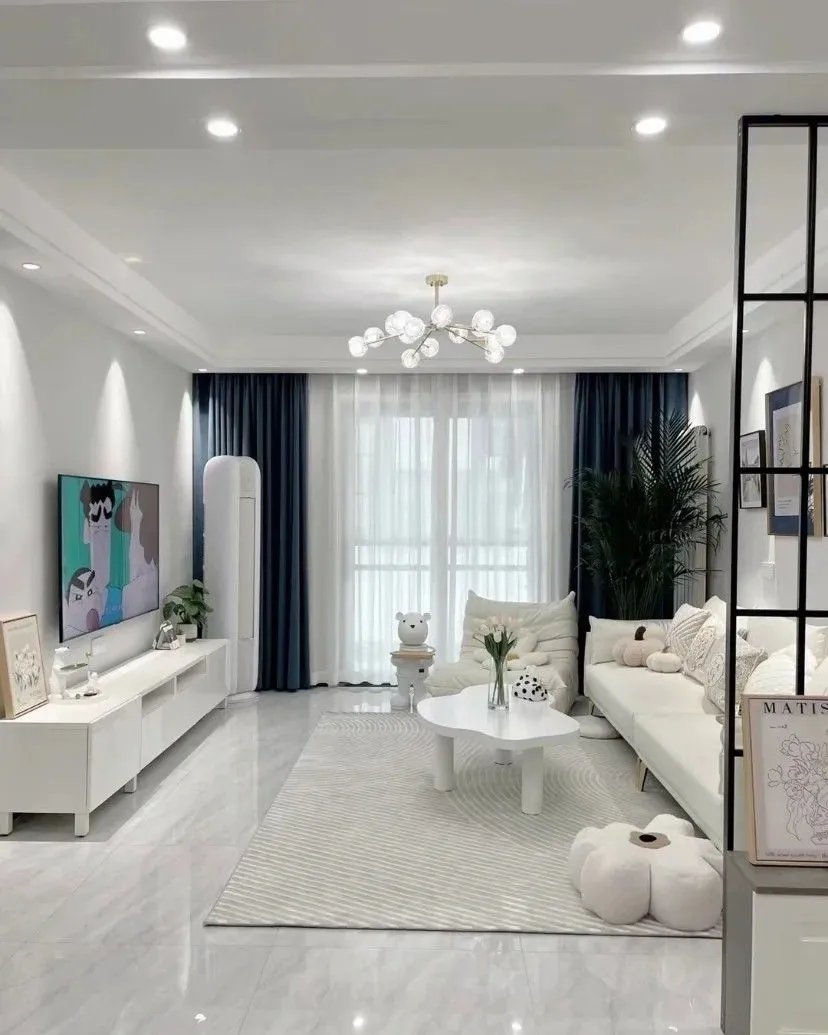
Small living rooms often struggle with a pervasive sense of coldness and stiffness, a common design pitfall frequently rooted in erroneous flooring choices rather than a lack of furniture. While the instinct might be to add more furnishings, the fundamental solution often lies in addressing the floor material itself, particularly when it appears overly plain or excessively glossy. This article delves into the intricate relationship between flooring and room ambiance, offering strategic insights to create welcoming and spacious-feeling small living areas.
The Perils of Glossy White Floors in Compact Spaces
A widespread misconception in interior design dictates that glossy white floors are ideal for small rooms, promising to visually expand the space. However, this popular choice often backfires, creating an unintended "clinical" or "sterile" effect that undermines comfort and warmth. The aggressive reflection of light from such surfaces can lead to visual fatigue and an unwelcoming atmosphere reminiscent of a hospital corridor. The interplay of texture, pattern, and light reflection in flooring materials is paramount, profoundly influencing the overall mood and perception of a room.
Beyond the stark aesthetic, several factors contribute to why small living rooms with inappropriate flooring often feel cold and unwelcoming. Expensive furniture alone cannot compensate for a foundational design flaw. Incorrect flooring materials can distort the visual proportions of a room, making it feel less harmonious. Plain white floors with a high-gloss finish aggressively bounce ambient and artificial light, overwhelming the eyes and contributing to that undesirable sterile impression.
Furthermore, the scale and color of grout lines play a significant role. Wide, contrasting grout lines can fragment the floor into a distracting grid, visually dissecting the space and making a small area feel even more confined and cluttered. This visual ‘noise’ prevents the eye from flowing smoothly across the room, negating any potential illusion of spaciousness. Pure white flooring also presents a practical challenge: it is notoriously unforgiving, quickly revealing every speck of dust, hair, and footprint, demanding constant cleaning and upkeep, which can add to a homeowner’s stress rather than comfort.
Addressing Monotonous and Overly Glossy Floors
Many residential properties, particularly those from developers, come equipped with standard, highly glossy ceramic tiles due to their cost-effectiveness. If immediate renovation is not feasible, homeowners can implement tactical design interventions to mitigate the floor’s undesirable effects. A primary strategy involves the strategic use of large area rugs.
Opt for generously sized rugs made from thick, plush materials such as shaggy wool blends or high-pile synthetics. These materials are excellent at absorbing excess light reflections, effectively muting the glare from glossy surfaces. Additionally, they provide a soft, comfortable underfoot experience, instantly adding a layer of warmth and coziness. When selecting colors, gravitate towards warm, inviting tones like cream, terracotta, or a soft greige (a blend of grey and beige). These hues work to neutralize the inherent coolness of the underlying ceramic, grounding the space and fostering a more welcoming ambiance. A well-placed large rug can also serve to visually anchor a seating arrangement, defining the living area within an open-plan layout without the need for physical partitions, thus making the overall space feel more cohesive and intentionally designed.
However, for those planning a more permanent transformation, exploring flooring materials with more suitable visual textures and light-reflecting properties is crucial. The investment in new flooring can significantly enhance both the aesthetic appeal and the long-term comfort of a small living room.

Inspiration for Small Living Room Flooring Materials
Selecting the right flooring for a small living room demands careful consideration of both lifestyle and aesthetic goals. The aim is to create an illusion of greater space while enhancing comfort and visual appeal. Here are several material options that can breathe new life into compact living areas:
-
Wood-Look Flooring: The allure of natural wood is undeniable, bringing warmth and organic beauty into any home. Modern digital printing technologies have revolutionized this, allowing porcelain, ceramic, and Luxury Vinyl Tile (LVT) or Stone Plastic Composite (SPC) to replicate the intricate grains and textures of real wood with remarkable realism. For smaller rooms, lighter wood tones such as oak or birch are highly recommended. These lighter shades gently reflect natural light, contributing to a brighter, more open feel without the harsh glare of glossy surfaces. Installation patterns are equally important; a staggered pattern or a classic herringbone can visually elongate a room, creating a sense of greater depth. These engineered alternatives also boast superior durability and moisture resistance compared to natural wood, making them easier to clean and maintain, a significant advantage for busy households.
-
Matte Texture: Surfaces with a matte or ‘doff’ finish are transformative for small spaces. Unlike glossy tiles, matte surfaces absorb a portion of the light that falls upon them, producing a soft, diffused glow rather than a harsh reflection. This characteristic instantly makes a room feel calmer, more subdued, and inherently more comfortable. Earthy, muted tones such as light grey, sandy beige, or a deep taupe provide a versatile, neutral canvas that allows furniture and decorative elements to stand out without competing with the floor. A practical benefit of matte finishes is their superior ability to conceal dust, dirt, and footprints, reducing the frequency of visible cleaning and offering a more consistently tidy appearance.
-
Contemporary Terrazzo: Terrazzo, with its distinctive speckled appearance, has made a triumphant return to contemporary interior design, proving particularly effective in compact urban dwellings. The composite material, typically made from chips of marble, quartz, granite, or glass set in a binder, adds a playful yet sophisticated character. For confined areas, the key is to select terrazzo with a light-colored base and smaller, more subtle chip sizes. This approach introduces visual interest without overwhelming the space. The inherent patterns of terrazzo can reduce the need for excessive decorative elements, allowing the floor to be a design statement in itself. It pairs beautifully with various styles, from retro-modern to minimalist Scandinavian, offering a touch of bespoke elegance.
-
Subtle Geometric Patterns: While bold patterns are often advised against in small rooms, subtle geometric designs can be incredibly effective. Patterns like hexagons or fine, monochromatic stripes can introduce dynamic energy without making the room feel cluttered or cramped. The trick is to ensure the pattern is delicate and the color contrast is minimal. Another innovative approach is to use patterned flooring as a "permanent rug" in the central area of the living room, surrounded by plain, complementary flooring. This technique clearly defines functional zones without the need for physical dividers, maintaining an open and airy feel while adding a unique design feature.
-
Stone-Look Flooring: Materials that emulate natural stone, such as limestone, slate, or travertine, offer a rich palette of organic colors and textures. Each tile often features unique veining and color variations, mirroring the authentic formations found in nature. To enhance the sense of spaciousness and minimize visual interruptions, opt for large-format tiles, which reduce the number of grout lines. Stone-look flooring creates a sophisticated, grounded aesthetic that pairs exceptionally well with wooden furniture, natural fabrics, and indoor plants, fostering a tranquil and earthy ambiance.
Strategic Sizing for an Expansive Feel
It is a common misconception that small rooms necessitate small flooring tiles. Counterintuitively, installing numerous small tiles, such as 30×30 cm, often results in an abundance of grout lines. These lines create a visually confining grid that emphasizes the room’s limited dimensions, making it feel more cramped.
Instead, interior design experts recommend using large-format flooring materials, ideally measuring at least 60×60 cm or even 80×80 cm. The reduction in the number of grout lines creates a more seamless and continuous surface, which tricks the eye into perceiving a larger, more expansive area. For wood-look planks, choose longer pieces (e.g., 15×60 cm or 20×100 cm) and install them parallel to the primary light source, such as a large window. This orientation helps to draw the eye through the room, further enhancing the illusion of length and openness. This principle is not merely aesthetic; it leverages human visual perception to subtly manipulate the perceived dimensions of a space.

Mastering Grout Lines for Seamless Aesthetics
The color and width of grout lines are critical, often overlooked details that can significantly impact the overall aesthetic of a floor. For small living rooms, the objective is to make the grout disappear as much as possible. This is achieved by matching the grout color precisely to the primary color of the flooring material. When the grout blends seamlessly with the tiles, the floor appears as a unified, continuous surface, free from distracting interruptions.
Conversely, using a contrasting grout color—such as dark grey or black grout with white tiles—creates a pronounced grid pattern that can be visually jarring and make the room feel busy and smaller. This "netting" effect draws undue attention to the individual tiles and their boundaries, breaking up the visual flow. Furthermore, it is imperative to ensure that tiles are installed with the narrowest possible grout lines, ideally between 1-2 mm. This minimal gap further contributes to the unbroken appearance of the floor, allowing the material itself to be the focal point rather than the divisions between its components.
Harmonizing Flooring with Furniture
The relationship between your flooring and furniture is symbiotic, each influencing the other’s visual impact. Thoughtful pairing can significantly enhance the perceived size and comfort of a small living room.
If your chosen floor is dark—perhaps a deep grey or rich brown—it’s advisable to pair it with furniture that features slender, elevated legs. Sofas, armchairs, and side tables with exposed wooden or metal legs create visual "breathing room" beneath the pieces. This allows light to flow freely underneath the furniture, preventing the room from feeling heavy or overly cluttered. The elevated design also makes the space easier to clean, maintaining the perception of openness.
Conversely, with very light-colored floors, you have more liberty to select furniture with solid, more substantial silhouettes. However, it is crucial to ensure that the furniture color provides a sufficient contrast to the floor. If the furniture blends too seamlessly with a very light floor, the room can appear washed out and lack definition. To add depth and tactile interest, consider incorporating furniture upholstered in textured fabrics such as boucle, corduroy, or linen. These textures provide a welcome counterpoint to the smoothness of the floor, adding warmth and visual richness to the overall design.
Color Palettes to Combat Confinement
Choosing the right color palette for your flooring is fundamental to avoiding a cramped or cold sensation in a small living room. Warm, neutral earth tones are exceptionally effective for compact communal areas. Shades like "sand" (a soft, warm beige), "greige" (a sophisticated blend of grey and beige), or "pale oak" offer brightness without producing the harsh glare often associated with pure white. These versatile neutrals are highly adaptive to varying light conditions; they reflect morning sunlight gently, making the room feel airy, and absorb artificial light in the evening, contributing to a cozy ambiance.
When considering grey, which is a popular contemporary choice, exercise caution. Avoid cool, bluish-grey tones, as these can enhance the feeling of coldness. Instead, opt for warmer greys that have subtle brown or yellow undertones. These warmer greys maintain a modern aesthetic while infusing the space with a more inviting and comfortable feel, ensuring the room remains welcoming regardless of its size.

The Transformative Power of Lighting
Lighting is an often-underestimated element that directly impacts how flooring materials are perceived. If your living room already has glossy flooring, the choice of lighting can either exacerbate its coldness or soften its impact. Avoid using harsh, bright white ceiling lights (with a color temperature of 6500K, often labeled "cool daylight"). These intensely bright lights will amplify the "clinical" effect of glossy floors, making the room feel stark and uninviting.
Instead, switch to softer, warmer light temperatures. Warm white (3000K) or natural white (4000K) bulbs will cast a more inviting glow, significantly softening the reflections from the floor. Furthermore, move away from relying solely on a single, central overhead light. A layered lighting scheme is far more effective for creating ambiance and managing reflections. Incorporate wall sconces to provide ambient light, and strategically place floor lamps and table lamps in corners or beside seating areas. This diffused, multi-source lighting approach ensures that the light reflecting off the floor is gentler and more pleasant, transforming the room into a more comfortable and visually harmonious space.
Common Flooring Selection Regrets
Homeowners frequently express regret over certain flooring choices post-renovation. Key mistakes include:
- Prioritizing aesthetics over practicality: Choosing a high-maintenance floor simply for its look, without considering durability or cleaning needs.
- Ignoring grout details: Underestimating the impact of grout color and width on the overall appearance.
- Incorrect tile sizing: Believing small tiles are best for small rooms, leading to a fragmented look.
- Neglecting lighting integration: Failing to consider how the chosen floor will interact with existing or new lighting, resulting in harsh glares or dullness.
- Choosing overly dark or patterned floors: These can quickly overwhelm a small space, making it feel even smaller and claustrophobic.
- Inconsistent material transitions: Creating abrupt visual breaks between rooms, which hinders the perception of flow and openness in an entire dwelling.
When to Consider a Flooring Replacement
Deciding when to replace old flooring is a practical decision influenced by both aesthetics and structural integrity. A replacement should be seriously considered if the existing floor shows significant signs of wear and tear, such as visible cracks, "popping" or lifting tiles, or extensive discoloration that cannot be remedied with cleaning. Furthermore, if an old, dark-colored floor consistently makes the room feel gloomy and perpetually dim, despite adequate lighting, it’s a strong indicator for an upgrade.
Modern flooring solutions offer convenient renovation options. You don’t always need to undertake a messy and time-consuming concrete slab demolition. If the existing floor is relatively flat and stable, new materials like Luxury Vinyl Tile (LVT) or Stone Plastic Composite (SPC) can often be installed directly on top of the old floor (tile on tile). These "click-and-lock" systems are known for their quick, clean, and efficient installation process, making renovation less disruptive and more accessible for homeowners.
Harmonizing Transitions in Open-Plan Layouts
In contemporary homes, small living rooms frequently flow seamlessly into dining areas or kitchens without physical partitions. In such open-plan layouts, consistency in flooring material is paramount. Using the same flooring material throughout these interconnected spaces is crucial for creating a cohesive and expansive visual experience. A continuous floor surface eliminates visual breaks, allowing the eye to sweep uninterrupted across the entire area, making it read as one large, unified space rather than several smaller, disconnected rooms.

If, due to practicalities or design preferences, two different flooring materials must be used, the transition between them should be meticulously executed. Avoid bulky metal transition strips, which can create an abrupt and unappealing visual divide. Instead, aim for a clean, flush transition, perhaps using a slim, color-matched sealant or a subtle threshold strip that blends with both materials. Crucially, select materials that share a common thread—perhaps similar undertones, complementary textures, or a harmonious color palette—to ensure a smooth and aesthetically pleasing transition that maintains a sense of flow and visual continuity.
Expert Q&A on Small Living Room Flooring
-
Are dark-colored floors suitable for small rooms?
Dark floors can be incorporated into small rooms, but only under specific conditions. They require walls to be painted in very bright, reflective colors and the room must receive an abundance of natural light to prevent it from feeling cave-like. A significant drawback, however, is that dust, pet hair, and minor debris become far more noticeable on dark surfaces, necessitating frequent cleaning. -
Is it advisable to use rough-textured flooring in a living room?
Generally, it’s best to avoid excessively rough textures, such as those mimicking outdoor paving stones, for indoor living areas. Such textures can be challenging to clean effectively, trapping dirt and making mopping difficult. More importantly, they are often uncomfortable to walk on barefoot, diminishing the cozy feel of a living room. A smooth matte texture offers a much better balance of aesthetics, comfort, and practicality. -
Should I choose square or rectangular tiles for a small living room?
The choice between square and rectangular tiles depends on the desired visual effect. Rectangular planks, especially those mimicking wood, can create an illusion of length, making a narrow room appear longer or a short room wider, depending on the installation direction. Square tiles (e.g., 60×60 cm) offer a clean, modern, and orderly aesthetic, contributing to a sense of calm and spaciousness when large-format options are chosen. -
What is an ideal budget for replacing flooring in a 3×4 meter room?
The budget for replacing flooring in a 3×4 meter (12 sq meter) room can vary widely based on the chosen material, labor costs in your region, and the complexity of installation. For mid-range wood-look tiles, matte porcelain, or quality SPC/LVT, a general estimate for both material and professional installation typically ranges from IDR 2,000,000 to IDR 4,000,000 (approximately USD 130-260, depending on exchange rates). High-end materials or intricate patterns would naturally incur higher costs. -
How can I mitigate the impact of an already installed, busy patterned floor?
If your small living room already features a floor with a busy or overwhelming pattern, you can neutralize its effect through strategic furnishing. Opt for minimalist furniture with clean lines and solid, plain upholstery colors. Introduce a large, solid-colored area rug in a neutral tone (like cream, grey, or beige) and place it centrally in the seating area. This rug will visually anchor the space, provide a calmer visual break, and significantly reduce the dominance of the patterned floor, allowing the eye to rest.
In conclusion, the flooring choice in a small living room is far more than a mere aesthetic decision; it is a foundational element that dictates the room’s perceived size, warmth, and overall comfort. By moving beyond traditional pitfalls like overly glossy surfaces and embracing materials with thoughtful textures, colors, and installation strategies, homeowners can transform even the most compact spaces into inviting, expansive, and truly comfortable living environments.








