Nila Kartika Wati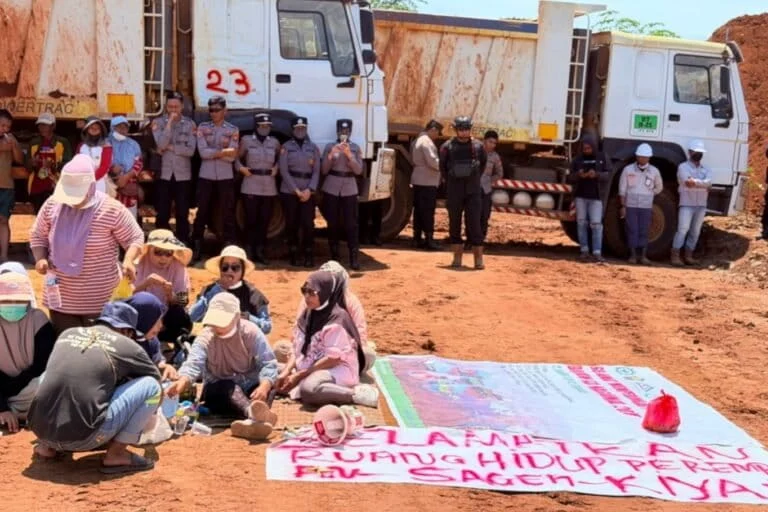
The Indonesian economic landscape is currently defined by a stark and widening chasm between a tiny elite and the vast majority of the population, a condition exacerbated by the massive exploitation of the nation’s natural resources. According to a comprehensive report by the Center of Economic and Law Studies (Celios) titled "Indonesia’s Economic Inequality 2026: Republic of Oligarchy," the wealth concentrated in the hands of the 50 richest individuals in Indonesia is now equivalent to the total wealth of the bottom 55 million citizens. This concentration of capital has not only created a significant economic imbalance but has also begun to fundamentally alter the democratic fabric of the nation, leading to what experts describe as a systemic "state capture" by oligarchic interests.
Between 2019 and 2025, the wealth of these 50 individuals surged from approximately Rp2,508 trillion to Rp4,651 trillion. Media Wahyudi Askar, the Director of Fiscal Justice at Celios, highlighted the alarming speed of this accumulation, noting that the top-tier elite can amass up to Rp13 billion in a single day. In contrast, the average laborer in Indonesia has seen a nominal wage increase of only about Rp2,000 per day over the same period. Projections for the year 2050 suggest that if current trends continue, the median wealth of the super-rich will jump by another 106% to Rp107.7 trillion, while the median wealth of the general population is expected to rise by a meager 20% to just Rp101 million.
The Faces of Extreme Wealth and the Longevity of Capital
The Celios report identifies the primary beneficiaries of this economic structure, led by the Hartono family with a net worth of Rp650 trillion. They are followed by Prajogo Pangestu (Rp483 trillion), the Widjaja family (Rp478 trillion), Low Tuck Kwong (Rp341 trillion), Anthony Salim (Rp221 trillion), and the Tahir family (Rp179 trillion). To put the scale of this wealth into perspective, Celios calculated that the top five billionaires could spend Rp2 billion every single day and it would still take them 603 years to exhaust their current fortunes.
While this elite group enjoys unprecedented financial security, the middle and lower classes are increasingly squeezed by inflation and a lack of robust social protections. Askar noted during the report’s launch in Jakarta that while inequality can be defined by statistics, its effects are viscerally felt by the public in the form of rising costs for basic necessities and a diminishing quality of life. The influence of this "Republic of Oligarchy" extends beyond personal wealth; a group of approximately 1,700 individuals is estimated to hold systemic control over the prices of strategic commodities, including cooking oil, subsidized LPG, property, and even the tariff structures for online transportation.
The Dominance of Extractive Industries and Ecological Costs
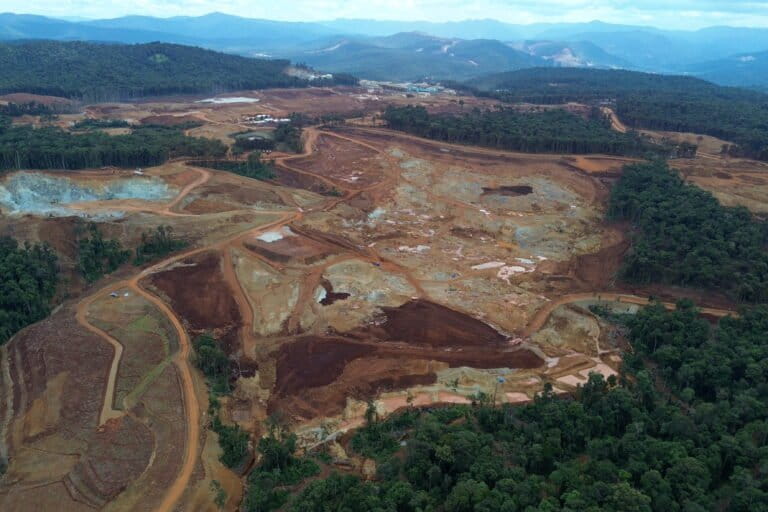
The primary engine behind this wealth concentration is the extractive sector. Industries such as coal mining, oil and gas, palm oil, and nickel account for 58% of the total wealth of the 50 richest Indonesians, amounting to Rp2,690 trillion. This reliance on natural resource exploitation often leaves a trail of ecological destruction in its wake, the costs of which are rarely borne by the corporations themselves. Instead, local communities face the "ecological wounds" of mining and deforestation, while the financial profits are funneled back to central hubs or offshore accounts.
This injustice is further reflected in climate data. The Celios report points out that the use of 57 private jets by the Indonesian elite generates approximately 46,000 tons of CO2e per year. This carbon footprint is equivalent to the annual emissions of 7,825 cars or nearly 52,000 motorcycles. While the elite contribute disproportionately to environmental degradation, the poor are the first to suffer from the consequences. For instance, the devastating floods and landslides that struck Sumatra in late September 2025 were linked to intensive extractive activities. In these disasters, local residents lost their homes and livelihoods, receiving little to no compensation from the industries that profited from the landscape’s destabilization.
State Capture and the Erosion of Democracy
Bivitri Susanti, a constitutional law expert from the Indonesian Center for Law and Policy Studies (PSHK), argues that the power of the oligarchy has effectively taken the policy-making process hostage. She suggests that the government increasingly views land and resources like nickel as pure assets, while the people living on those lands are seen as mere obstacles to profit. This "state capture corruption" means that laws and regulations are no longer designed for the public good but are instead tailored to facilitate the exploration of resources with minimal regard for human rights or environmental standards.
The government has frequently utilized the label of "National Strategic Projects" (PSN) to bypass procedural rights and fast-track industrial expansion. This designation grants corporations regulatory leniency, tax breaks, and guaranteed land availability, often at the expense of indigenous communities. Susanti emphasized that poverty and lack of education in these regions are not matters of "fate" but are structural issues created by deliberate policy choices. In this environment, the principle of "one man, one vote" is replaced by a system where the financial backing of a single wealthy individual carries more weight than the voices of millions of ordinary citizens.
Voices from the Ground: Resistance and Marginalization
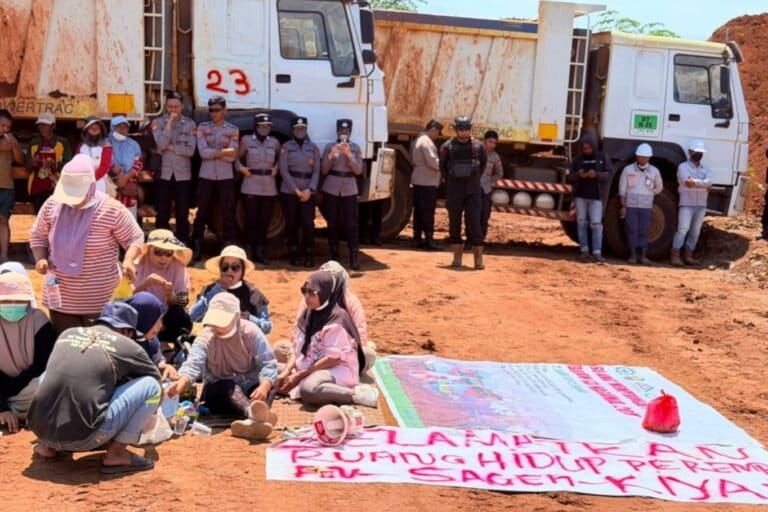
The human cost of this economic model is evident across the Indonesian archipelago. In North Maluku, the "Save Sagea" coalition, consisting of hundreds of residents from Sagea and Kiya, has been protesting the nickel mining operations of PT Zhong Hai Rare Metal Mining Indonesia. Similar struggles are found in the Weda Bay area, where traditional fishermen find their waters polluted, and among the O’hongana Manyawa indigenous people in Halmahera, who are being displaced from their ancestral forests.
In Southeast Sulawesi, the Pomalaa community continues to suffer from the impacts of nickel processing, while in Merauke, Papua, massive food and energy projects threaten the survival of local tribes. In East Nusa Tenggara (NTT), the Wae Sano and Poco Leok communities are resisting geothermal power projects (PLTPB) due to fears of losing their customary lands, gas leaks, and landslides. Yoseph Erwin, a representative of the Wae Sano indigenous community, stated that they are not asking for grand promises of prosperity from the state; they are simply fighting to keep what is already theirs.
The response from the state has often been repressive. Communities defending their land frequently face criminalization under the Minerba Law or the Electronic Information and Transactions (ITE) Law. Reports indicate that under the current administration, the involvement of the military in securing extractive projects has intensified. Presidential Decree (Perpres) No. 5 of 2025 has been cited as a legal framework that allows for increased military presence in "Operations Other Than War" (OMSP) to protect strategic assets, which often escalates tensions and leads to human rights violations in project areas.

Proposed Solutions: Wealth Taxes and Social Dividends
To address this systemic inequality, Celios has proposed a series of radical fiscal reforms. Bhima Yudhistira Adhinegara, Executive Director of Celios, advocates for the implementation of a "Wealth Tax." He suggests a 2% tax on individuals with assets exceeding Rp84 billion. According to his calculations, applying this tax to just the 50 richest individuals would generate Rp93 trillion annually. This amount would be sufficient to provide free university education for 1.2 million students or build 387,000 homes for low-income families.
Broadening the scope to include all individuals meeting the Rp84 billion threshold with a progressive tax rate of 1-2% could potentially yield Rp142.2 trillion per year. Bhima noted that even some of the world’s wealthiest individuals globally are now advocating for higher taxes on the rich to prevent a total collapse of consumer purchasing power caused by extreme inequality.
In addition to federal tax reforms, Wahyudi Askar suggested a "Social Dividend" scheme for local governments. Unlike the current Profit-Sharing Fund (DBH) system, where revenue is first sent to the central government, social dividends would require extractive companies to pay a portion of their profits directly to the local communities where they operate. This would ensure that those living on the front lines of environmental impact receive immediate and tangible benefits.
Conclusion and Future Implications
The Celios report serves as a stark warning that Indonesia’s current economic trajectory is unsustainable. As the nation moves toward 2050, the "Republic of Oligarchy" risks becoming a permanent fixture unless there is a fundamental shift in how resources are managed and how wealth is distributed. The integration of political power and corporate interests has created a barrier to reform that starts at the highest levels of government.
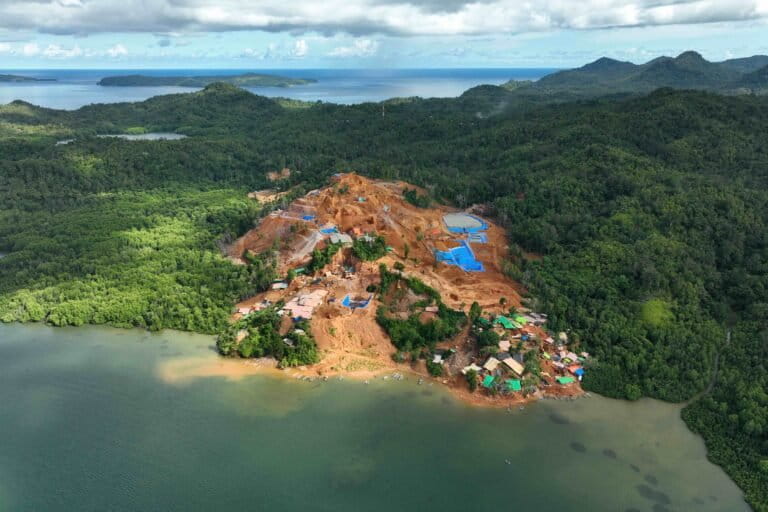
The ongoing "state capture" not only threatens the environment and the rights of indigenous peoples but also undermines the long-term stability of the Indonesian economy. Without a shift toward fiscal justice—including wealth taxes and the protection of "living spaces" for local communities—the gap between the super-rich and the rest of the country will continue to grow, potentially leading to increased social unrest and the further erosion of democratic institutions. The struggle in places like Sagea, Poco Leok, and Merauke represents more than just local disputes; they are the front lines of a national battle for the soul of Indonesia’s democracy and the equitable distribution of its vast natural wealth.