Lusiana Hamidun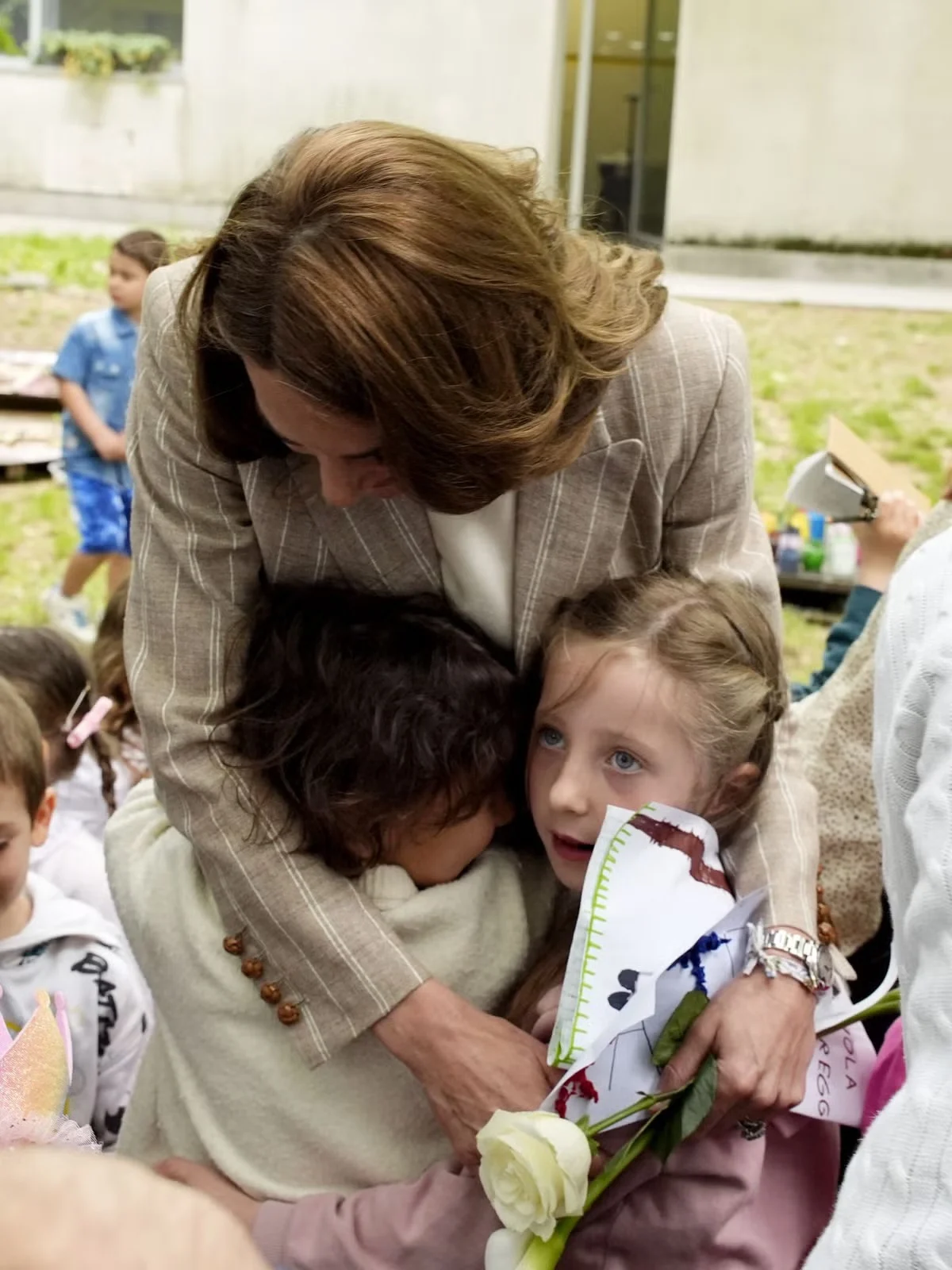
Catherine, Princess of Wales, has successfully concluded her two-day solo visit to Northern Italy, a trip marked by her deep engagement with innovative early childhood education practices in Reggio Emilia. The picturesque city, globally recognized for its child-centered and pioneering educational philosophy, provided a fitting backdrop for the Princess to underscore the international expansion of her Royal Foundation Centre for Early Childhood. This visit, her first official overseas engagement since her cancer diagnosis was publicly announced, carried significant symbolic weight, demonstrating her continued commitment to her philanthropic endeavors.
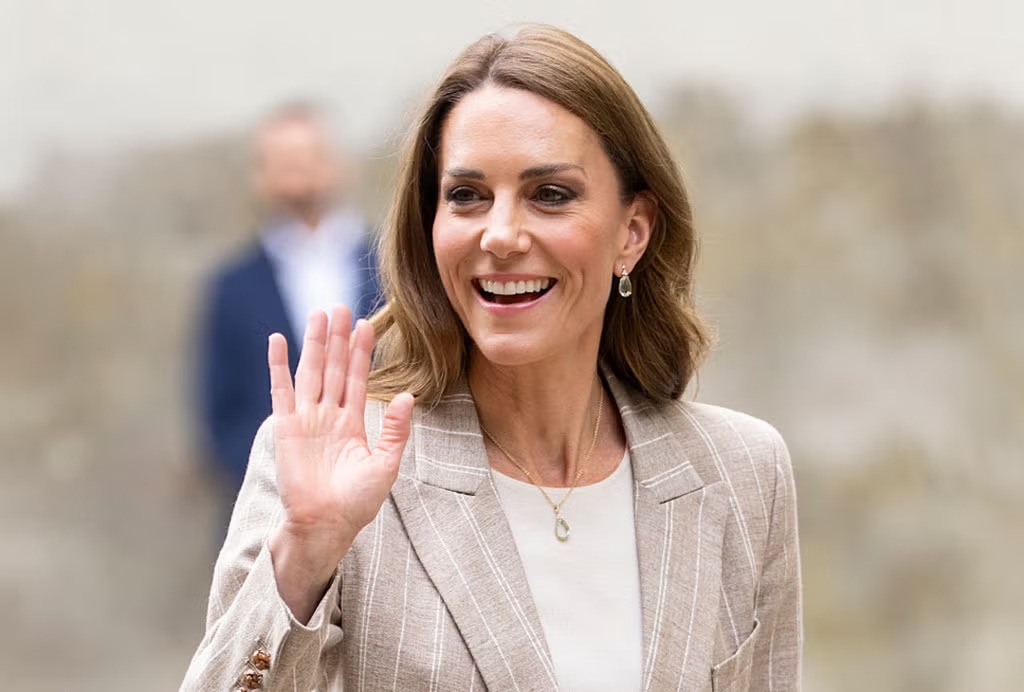
The Princess of Wales has long dedicated a substantial portion of her royal duties to addressing critical issues surrounding early childhood development. Her Italian sojourn was a direct continuation of this vital work, offering her an opportunity to explore and learn from some of the world’s most respected approaches to early childhood education and care. Reggio Emilia’s unique pedagogical model, which emphasizes the child’s innate curiosity, creativity, and capacity for learning through exploration and collaboration, resonated deeply with the Princess’s own vision for fostering supportive and enriching environments for young children.
Day one of the Princess’s itinerary saw her arrive in Reggio Emilia, where she was officially welcomed at Piazza Camillo Prampolini, the site of the city’s Town Hall and mayoral offices. Outside the historic building, she was greeted by an enthusiastic crowd of local children and families who had gathered to catch a glimpse of the royal visitor. For this occasion, the Princess of Wales exuded elegance and professionalism, opting for a sophisticated ensemble: a soft, powder-blue suit by the Canadian-British designer Edeline Lee, paired with a matching sky-blue Asprey London handbag. This choice of attire reflected her signature style – polished, contemporary, and mindful of her public role.
Her engagements on the first day were designed to provide an introduction to the city’s esteemed educational ethos. By visiting the Town Hall, she signaled her respect for the local governance and its commitment to initiatives that impact young citizens. The presence of children and families underscored the community-oriented nature of Reggio Emilia’s educational philosophy, where the involvement of parents and the wider community is considered paramount.
The second day of her visit was dedicated to experiencing firsthand the innovative practices that have placed Reggio Emilia at the forefront of early childhood education. A key highlight was her visit to Remida, il Centro di Riciclaggio Creativo. This remarkable initiative is more than just a recycling center; it is a vibrant cultural project that ingeniously focuses on sustainability, creativity, and the innovative repurposing of industrial waste materials. At Remida, the Princess gained insight into how the city’s industrial heritage is being creatively harnessed to support the development and learning of young children, transforming discarded materials into tools for imagination and discovery. This visit likely underscored the importance of resourcefulness and creative problem-solving in educational settings, aligning with broader goals of environmental awareness and sustainable practices.
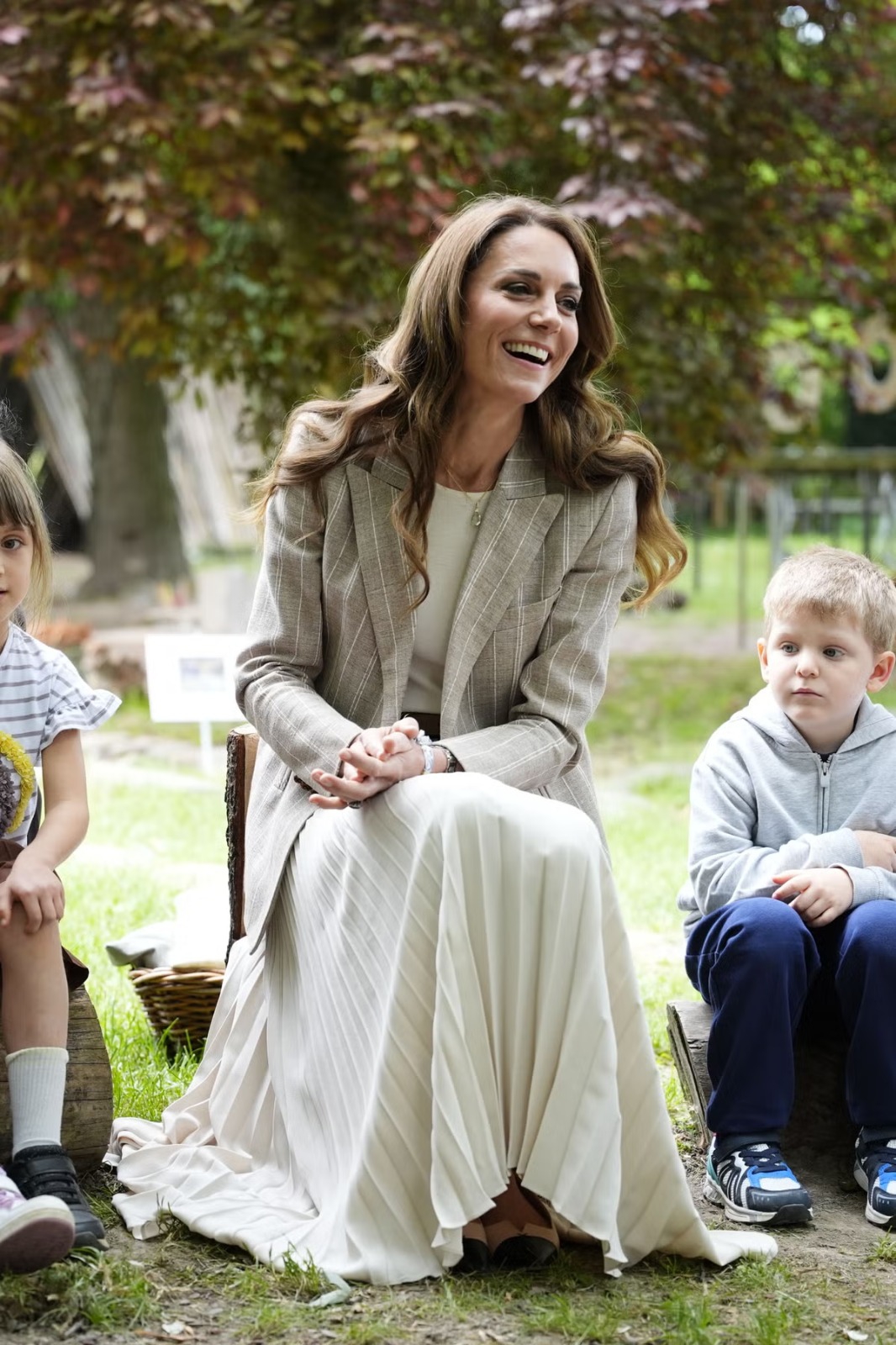
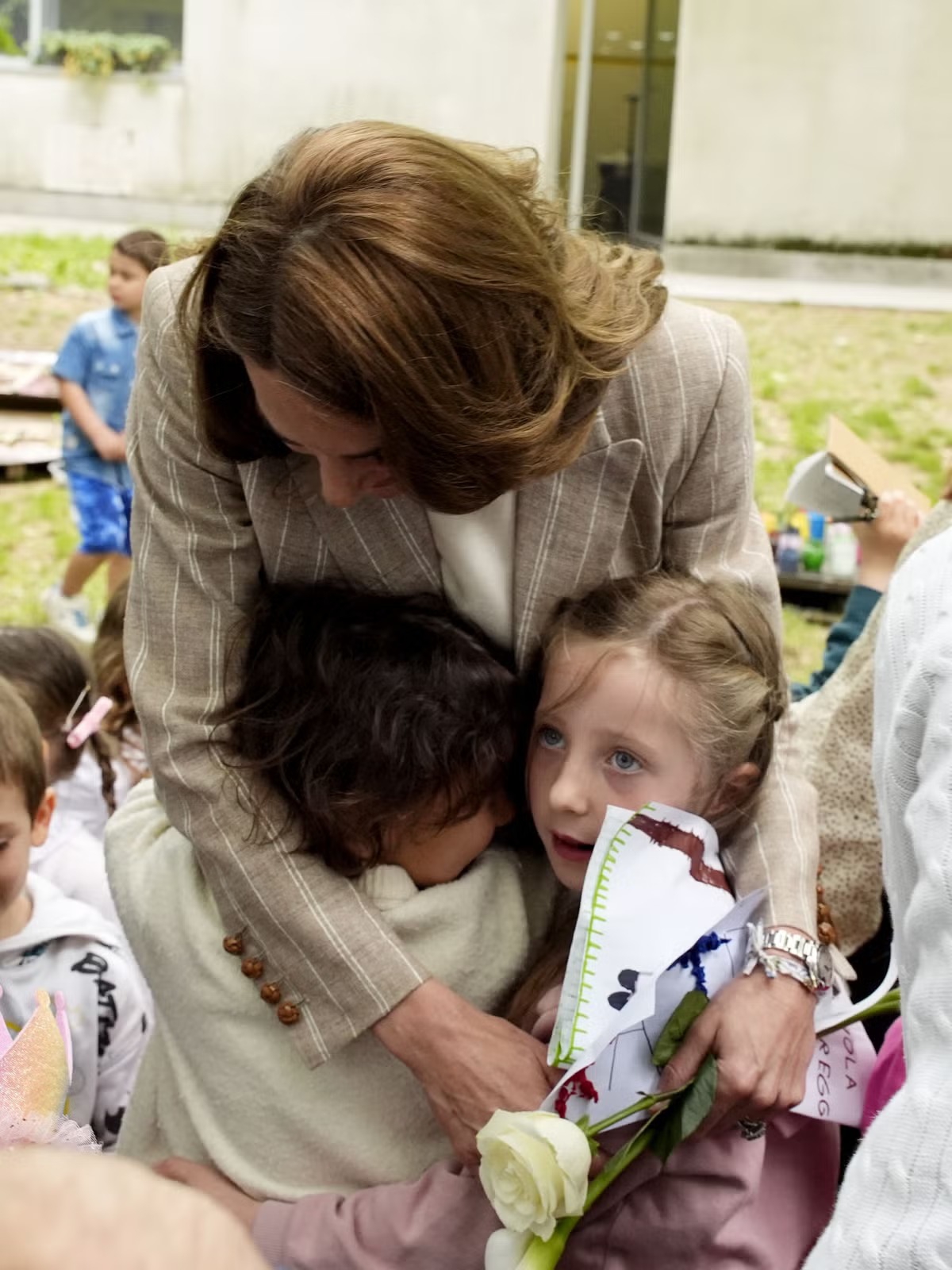
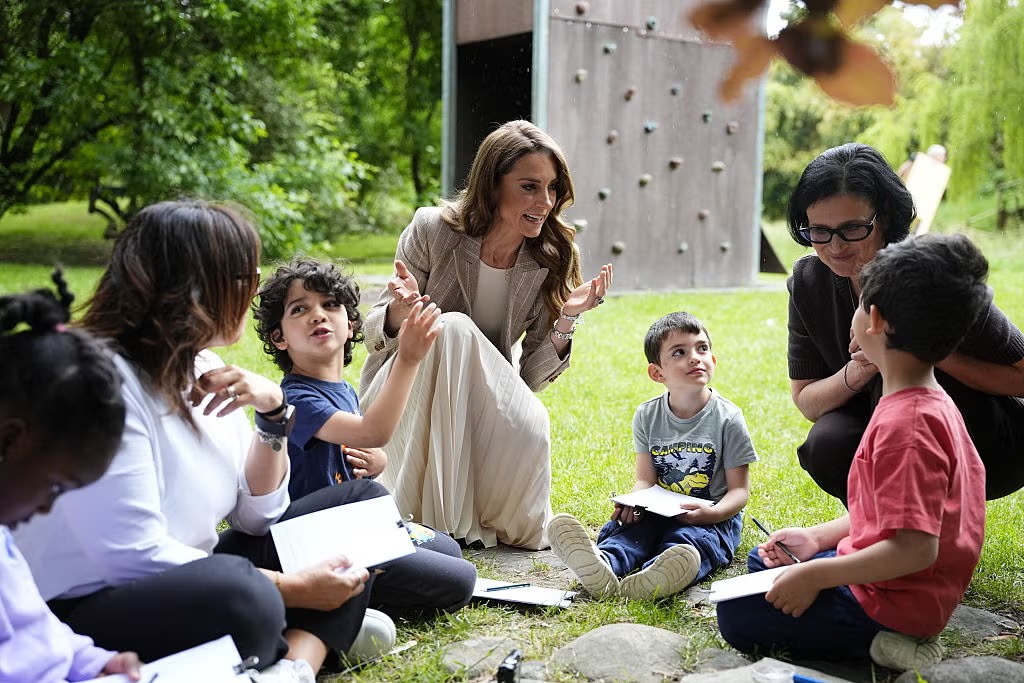
Following her immersion in the creative reuse of materials, the Princess of Wales visited the Salvador Allende Scuola dell’infanzia. This esteemed public kindergarten and preschool is renowned for its pioneering "education in nature" approach. Here, the Princess had the opportunity to observe and engage with educators and children, experiencing firsthand how a deep connection with the natural environment is integrated into the curriculum. Such educational models are increasingly recognized for their benefits in promoting children’s physical, emotional, and cognitive development, fostering a sense of wonder and respect for the natural world from an early age. Her participation in these activities, including observing and possibly joining in on lessons, demonstrated her active interest and genuine commitment to understanding these educational philosophies.
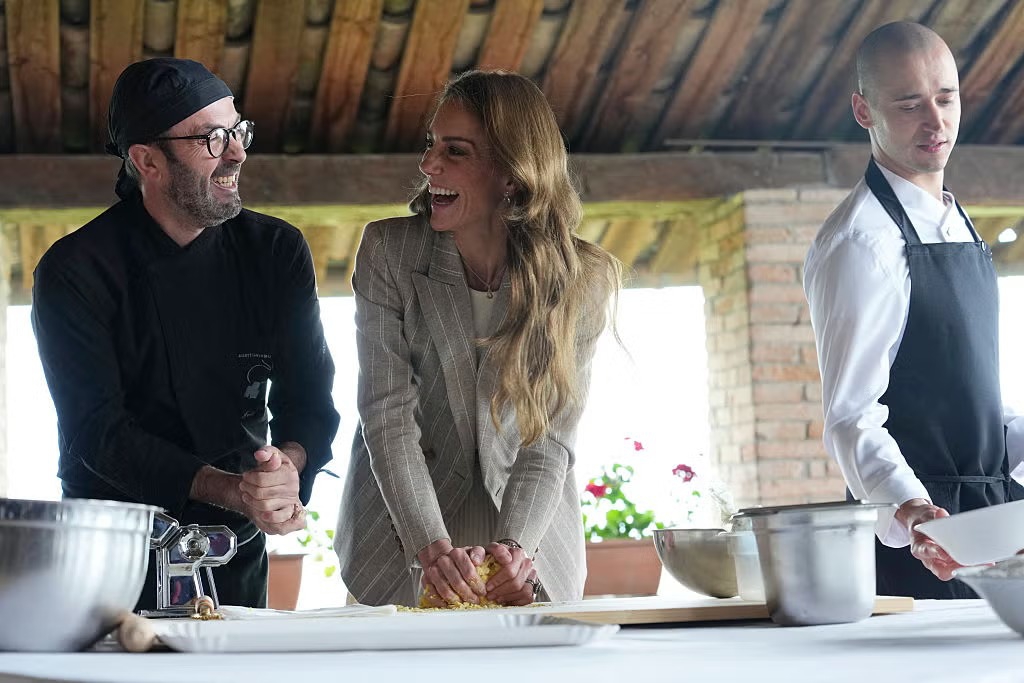
The Princess’s visit concluded with a charming and hands-on experience at Agriturismo Al Vigneto, a rural farmhouse in Felino. Here, she participated in preparing tortelli, a traditional local pasta dish. This culinary experience offered a glimpse into the agricultural heritage of the region and provided a relaxed setting for informal interaction. Her willingness to actively engage in the preparation of the meal further illustrated her approachability and her desire to connect with the local culture on a personal level. This experience likely symbolized the grounding and nurturing aspects of early childhood development, much like the preparation of food for nourishment and community.
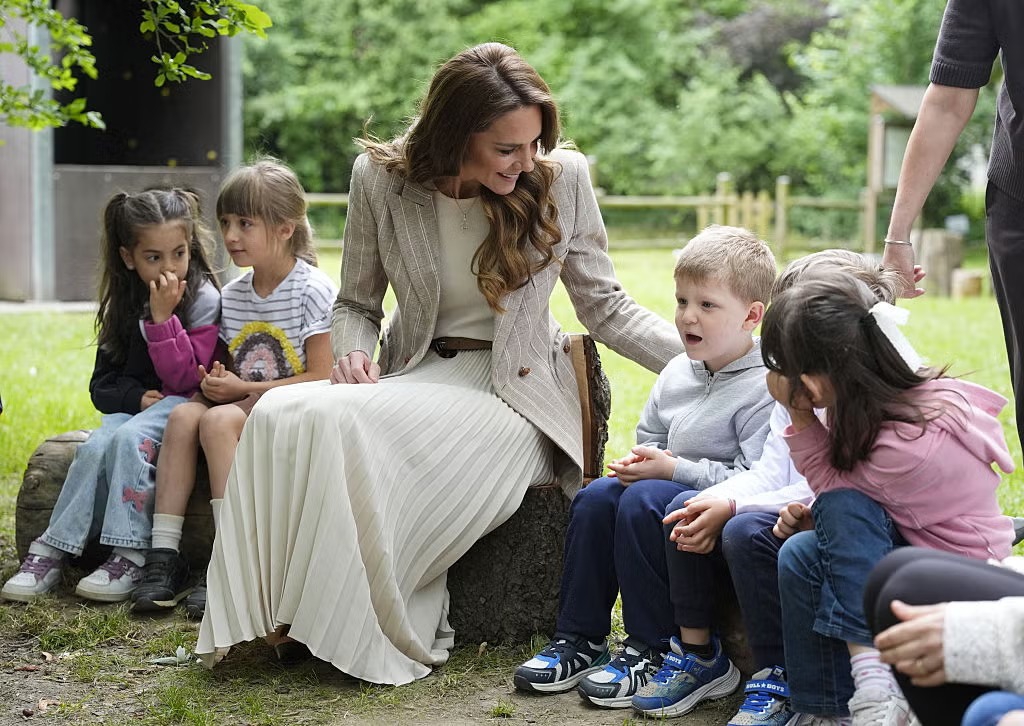
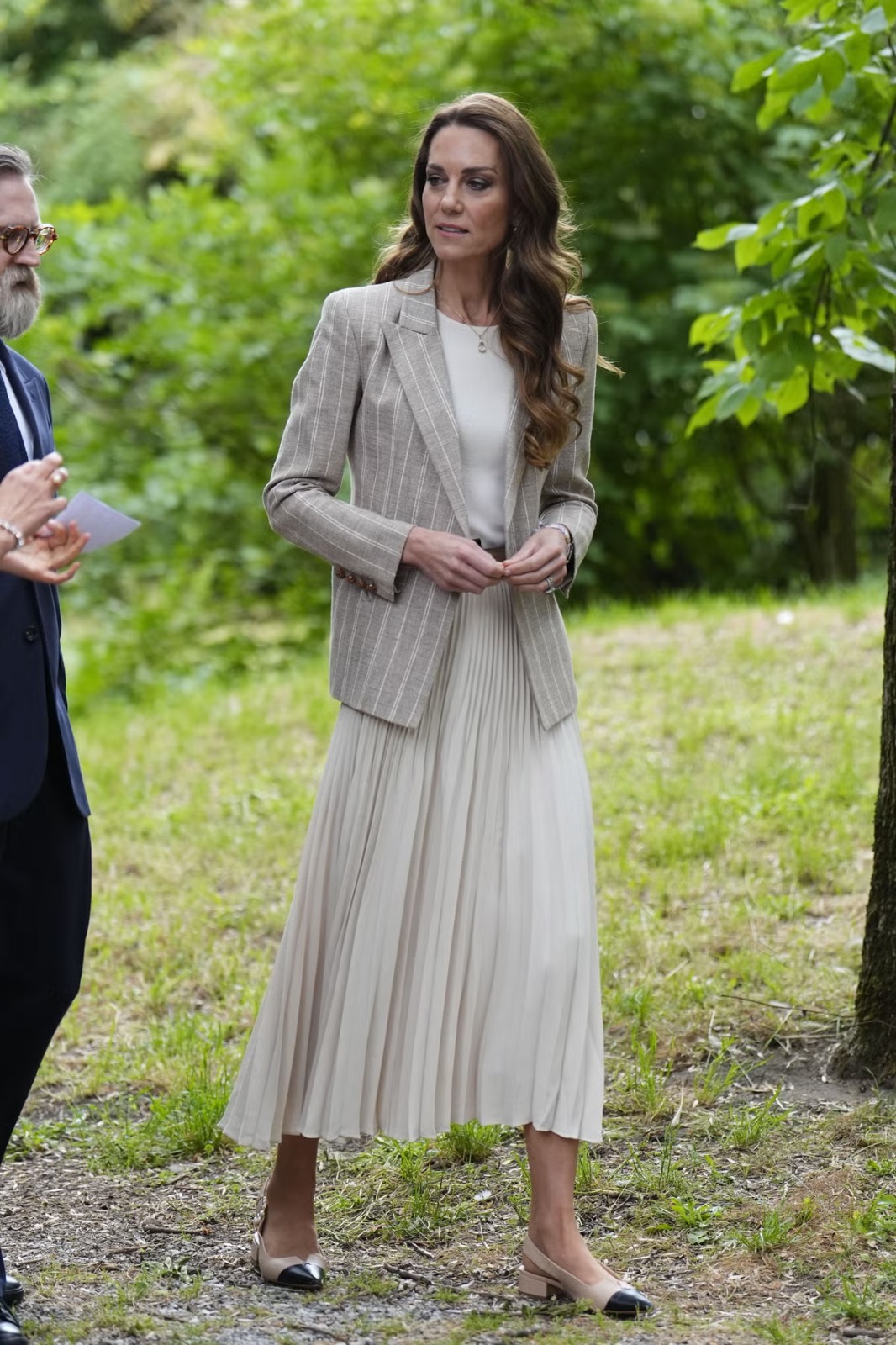
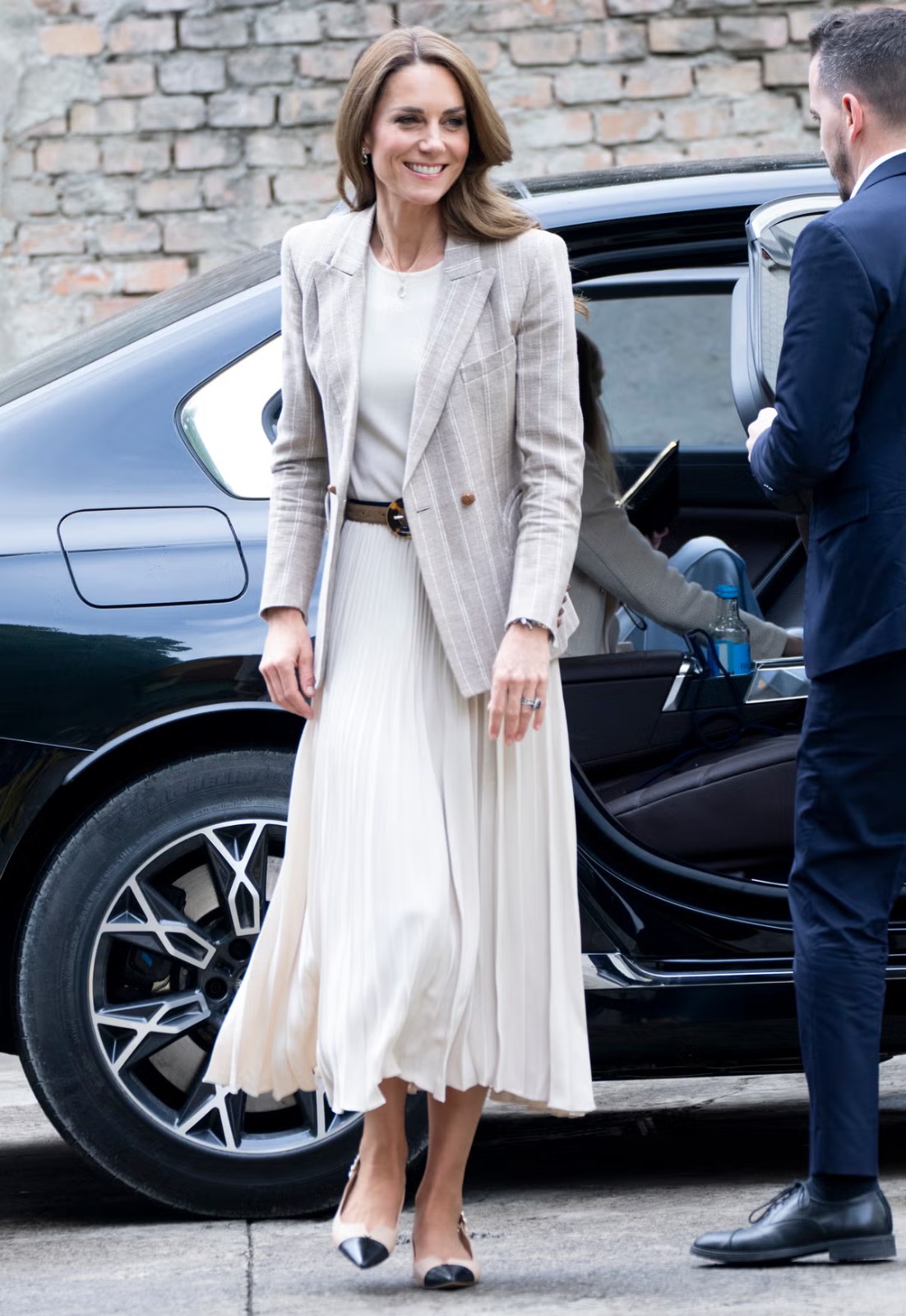
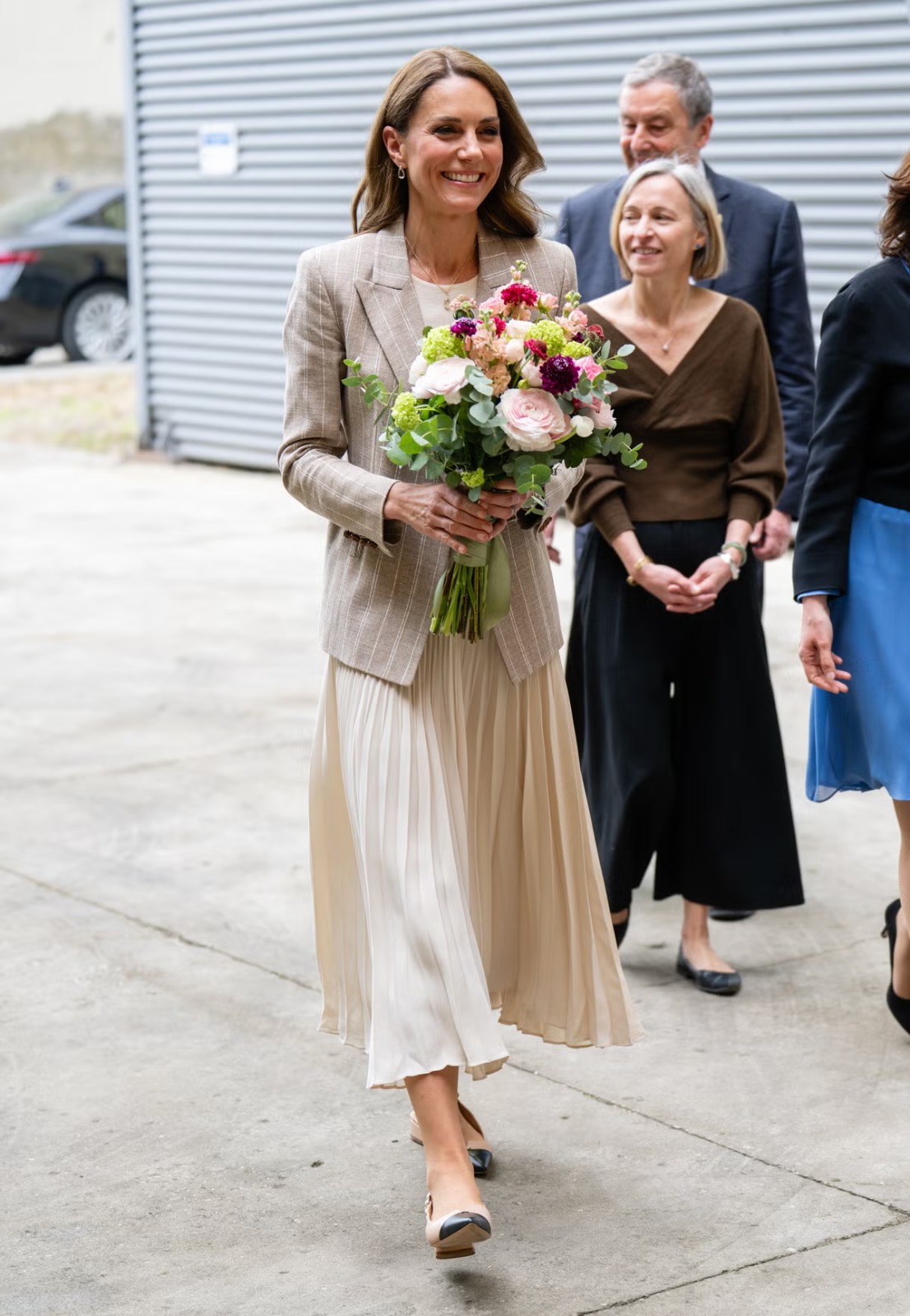
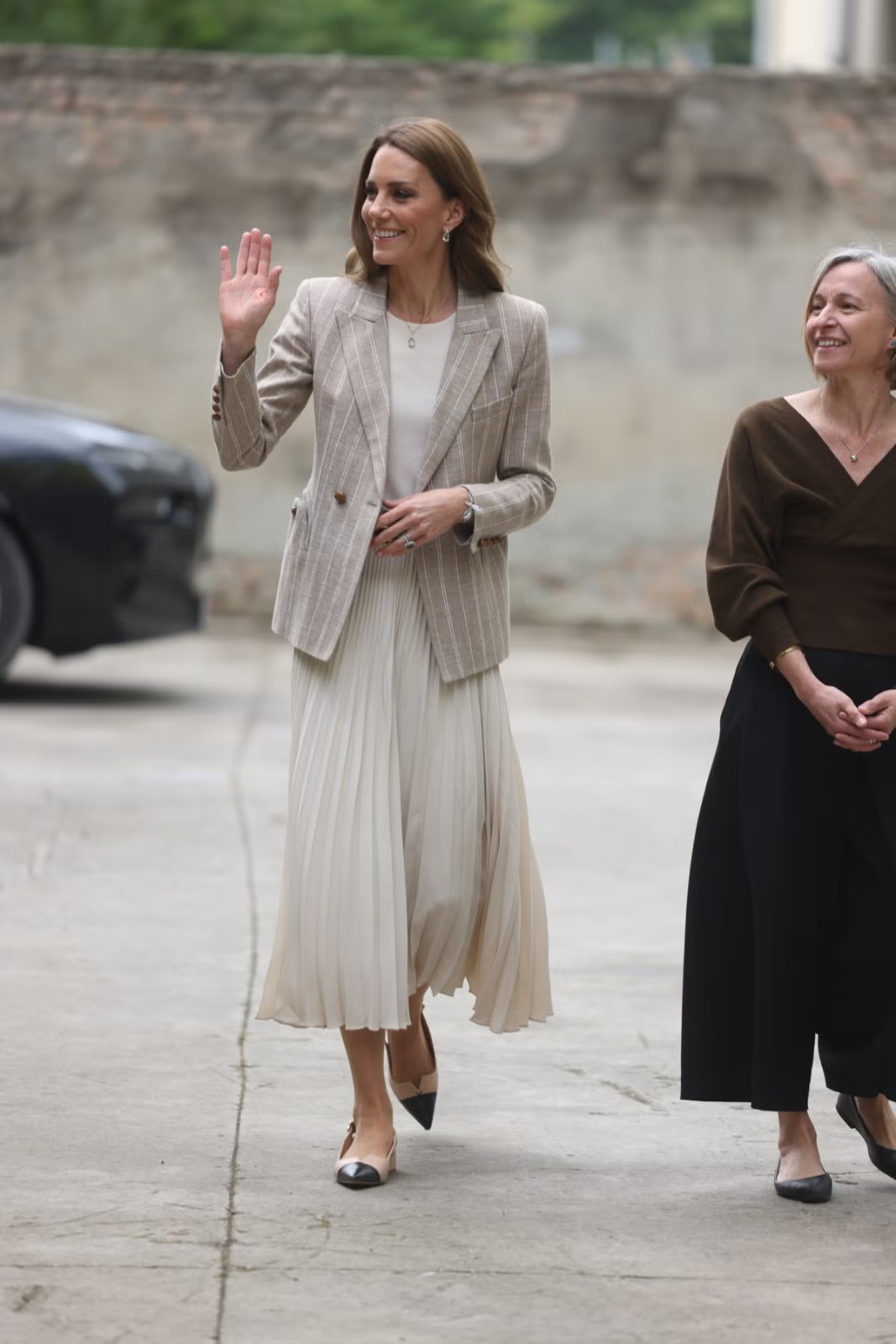
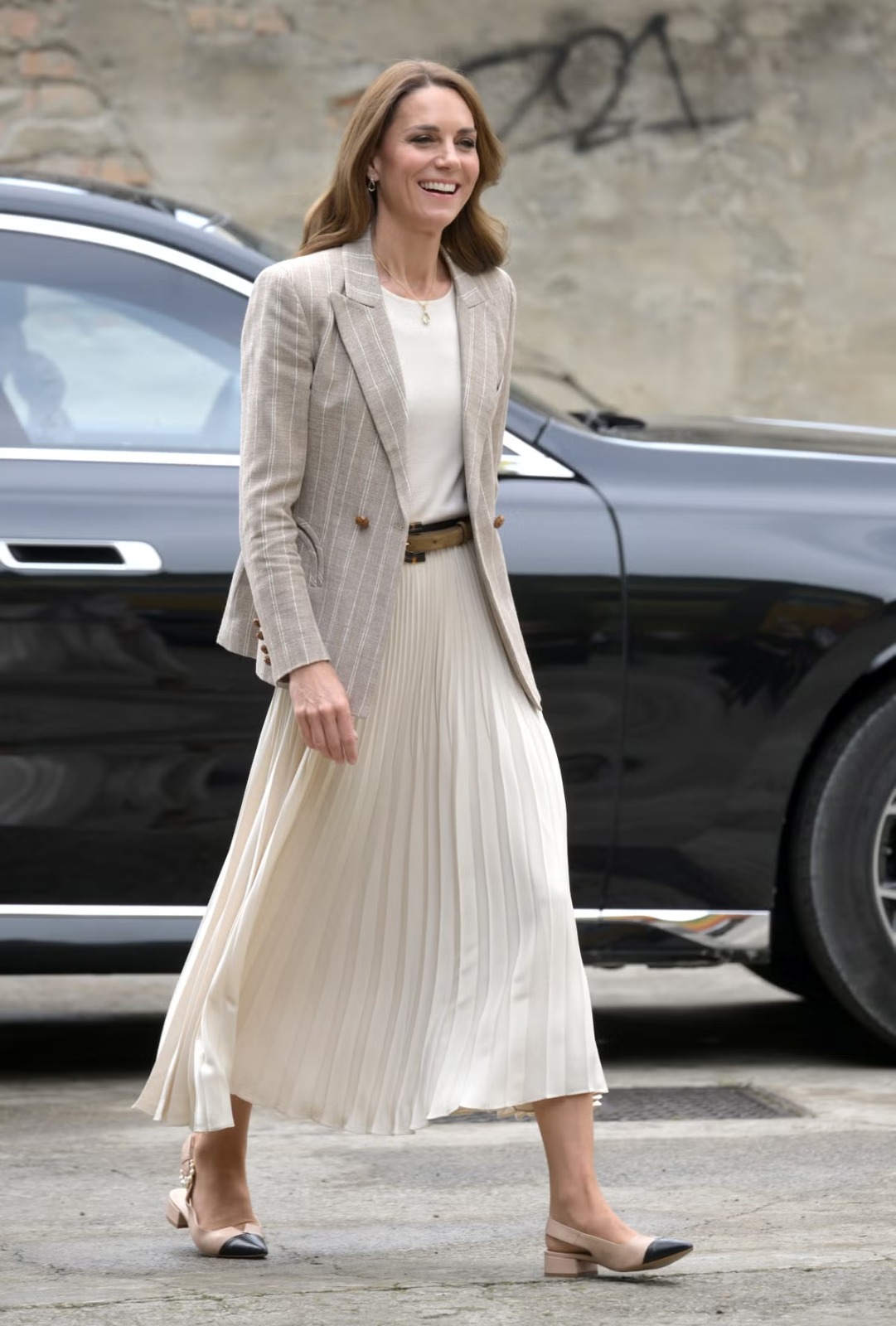
For her final day’s engagements, the Princess of Wales chose a more subdued yet equally chic ensemble. She wore a crisp white top, a flowing cream-colored pleated skirt, a light brown pinstripe blazer, and classic cream and black heeled shoes. This outfit projected an image of understated elegance and professionalism, perfectly complementing the pastoral setting of her final activities.
The significance of this visit extends beyond its focus on early childhood development. It marked Princess Kate’s first official overseas trip since her public announcement of undergoing preventative chemotherapy for cancer. Her decision to undertake this international engagement, despite her ongoing health challenges, speaks volumes about her resilience, dedication to her public duties, and her unwavering commitment to the causes she champions. The visit served as a powerful testament to her strength and her determination to continue her important work on the global stage.
A Deeper Dive into Reggio Emilia’s Educational Philosophy
Reggio Emilia’s approach to early childhood education, often referred to as the Reggio Emilia approach, is globally acclaimed for its unique and profoundly effective methods. Developed in the aftermath of World War II by Loris Malaguzzi, the philosophy is built on a deep respect for the child and an understanding of their potential as active constructors of their own learning. Key tenets include:
- The Hundred Languages of Children: This concept recognizes that children express their understanding and ideas through a multitude of forms beyond just verbal language, including drawing, sculpting, music, dance, and symbolic play. Educators are trained to observe and interpret these diverse expressions.
- The Role of the Environment: The physical space, known as the "third teacher," is meticulously designed to be stimulating, welcoming, and rich with possibilities for exploration and discovery. Materials are carefully chosen to encourage creativity and critical thinking.
- Project-Based Learning: Learning is often driven by long-term projects that emerge from the children’s interests and questions. This allows for in-depth exploration and the development of complex problem-solving skills.
- The Teacher as Co-Learner: Educators in Reggio Emilia are not seen as instructors who impart knowledge, but rather as guides, researchers, and co-learners who collaborate with children, observe their processes, and document their learning journeys.
- The Importance of Documentation: The process of observing, recording, and reflecting on children’s work and interactions is central. This documentation serves as a valuable tool for understanding the learning process, communicating with parents, and informing future pedagogical decisions.
The Princess’s engagement with institutions like Remida and the Salvador Allende Scuola dell’infanzia demonstrates her interest in practical applications of these principles, particularly concerning sustainability and experiential learning.
Chronology of Princess Kate’s Italian Visit
Day 1: Arrival and Civic Engagement
- Morning/Afternoon: Princess Catherine arrives in Reggio Emilia, Italy.
- Afternoon: Visit to Piazza Camillo Prampolini, the location of the Town Hall and mayoral offices.
- Late Afternoon: Encounter with local children and families gathered outside the Town Hall.
- Outfit: Edeline Lee powder-blue suit, Asprey London sky-blue handbag.
Day 2: Educational Immersion and Cultural Farewell
- Morning: Visit to Remida, il Centro di Riciclaggio Creativo, to understand its role in child development and sustainability.
- Late Morning: Visit to Salvador Allende Scuola dell’infanzia to experience their "education in nature" approach.
- Midday: Engagement with educators and children during lessons.
- Afternoon: Lunch at Agriturismo Al Vigneto in Felino, where the Princess assisted in preparing tortelli.
- Late Afternoon: Departure from Italy, concluding her two-day visit.
- Outfit: White top, cream pleated skirt, light brown pinstripe blazer, cream and black heels.
Supporting Data and Broader Impact
The Royal Foundation Centre for Early Childhood, established by the Prince and Princess of Wales, aims to build a thriving early years sector that supports children’s development and well-being. Its international expansion signifies a growing recognition of the universal importance of early childhood education and the potential for cross-cultural learning and collaboration.
Data consistently shows the profound impact of early childhood experiences on an individual’s lifelong trajectory. According to the World Health Organization (WHO), the first five years of a child’s life are critical for brain development, laying the foundation for future health, learning, and behavior. Investments in early childhood education have been shown to yield significant returns, not only for individuals but also for society as a whole, leading to improved educational outcomes, reduced crime rates, and increased economic productivity.
Princess Catherine’s advocacy for early childhood development aligns with global initiatives and research findings that underscore the critical need for quality early care and education. Her visits to institutions like those in Reggio Emilia provide valuable opportunities to draw attention to these innovative models and inspire similar advancements in other regions.
Potential Implications and Official Reactions (Inferred)
While specific official statements from Italian dignitaries regarding the Princess’s visit were not detailed in the initial report, the nature of her engagements suggests a highly positive and collaborative reception. The Italian government and local authorities in Reggio Emilia would likely view the Princess’s visit as a significant endorsement of their educational leadership and a valuable opportunity to promote their renowned pedagogical approaches on an international stage.
For the Royal Foundation, this visit is a strategic step in broadening its global influence and forging international partnerships. It allows the Foundation to learn from best practices worldwide and to share its own insights and initiatives. The Princess’s personal involvement, particularly given her recent health announcement, sends a powerful message of determination and unwavering commitment, likely garnering widespread admiration and support for her endeavors.
The implications of this visit are multifaceted. It reinforces the importance of early childhood development as a critical area of focus for royal philanthropy. It also highlights the Princess’s personal dedication to her patronages and her capacity to undertake significant international duties with grace and purpose. Her solo overseas visit serves as a powerful symbol of continuity and strength, reassuring the public of her ongoing role and dedication to her royal responsibilities, even as she navigates personal health challenges. The positive media coverage and the visual documentation of her engaging interactions with children and educators are expected to further galvanize public interest and support for early childhood initiatives both in the UK and internationally.