Nasution Nanang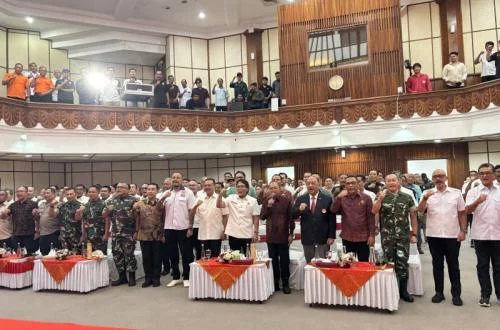
DENPASAR – The Indonesian National Sports Committee (KONI) Pusat has declared its unequivocal commitment to position Bali as a premier destination for hosting a diverse array of international sports championships. This significant endorsement, articulated by KONI Pusat Chairman, Lieutenant General (Ret.) Marciano Norman, during the inauguration of the new KONI Bali leadership for the 2026-2030 term in Denpasar on Friday, underscores a strategic vision to leverage Bali’s inherent appeal and robust sporting infrastructure for global athletic events. The initiative aims to not only elevate Indonesia’s standing in the international sporting arena but also to harness the substantial economic benefits associated with sports tourism.
KONI Pusat, as the national umbrella organization for sports federations in Indonesia, plays a pivotal role in fostering athletic development from grassroots levels to elite competition, coordinating national sports federations, and representing Indonesia in various international sports forums. Its central mandate includes identifying and supporting regions capable of hosting major events that align with national sports development goals. Marciano Norman’s statement in Denpasar was a clear signal of the national body’s confidence in Bali’s unique potential, envisioning the island as a hub for world-class sporting spectacles.
Bali’s Unique Proposition for Global Sports
Marciano Norman emphasized that Bali possesses immense potential to become a leading host for international sporting events. This potential stems from several key factors, most notably the province’s globally recognized tourism appeal and its proven track record in organizing events of international magnitude. Bali’s brand as a top-tier tourist destination is unparalleled in Southeast Asia, attracting millions of visitors annually with its stunning landscapes, rich cultural heritage, and world-class hospitality infrastructure. This existing ecosystem of hotels, transportation networks, and service providers offers a strong foundation for accommodating large contingents of athletes, officials, and spectators.
Beyond its tourism prowess, Bali also boasts a commendable record in sports performance within the national context. The province has consistently ranked among the top five in the National Sports Week (PON), making it the highest-achieving province outside Java. This achievement is not merely a statistic; it reflects a vibrant local sporting ecosystem, dedicated athletes, effective coaching programs, and a developing network of local sports facilities. This strong local sporting culture demonstrates that Bali is not just a scenic backdrop but a province with genuine athletic ambition and a growing capability to nurture talent and host competitive events.
Strategic Imperatives and Overcoming Challenges
To successfully transition Bali into a global sports hub, Marciano Norman outlined several strategic imperatives. These include a concerted focus on enhancing the quality of event organization, ensuring the presence of professional and internationally accredited referees, and guaranteeing a high level of security for all participants and attendees. Achieving these standards requires meticulous planning, substantial investment in training programs for local organizers and officials, adherence to the stringent guidelines set by international sporting bodies, and the implementation of robust security protocols in collaboration with local and national law enforcement agencies.
However, the KONI Pusat Chairman candidly acknowledged one of the primary hurdles: the inherent limitations in government budgets. This financial constraint necessitates a paradigm shift in how major events are funded and executed. Marciano Norman called for "breakthroughs and cooperation with third parties" to realize the ambition of hosting world championships in Bali. This multi-stakeholder approach would involve exploring various funding models, including Public-Private Partnerships (PPPs), securing corporate sponsorships from both domestic and international entities, leveraging international grants dedicated to sports development, and implementing innovative fundraising initiatives. The successful execution of such a strategy would be crucial in bridging the financial gap and ensuring the sustainability of Bali’s ambition.
The Power of Sport Tourism: A Strategic Economic Driver
Central to KONI Pusat’s vision for Bali is the concept of "sport tourism," which Marciano Norman highlighted as a potent catalyst for local economic growth. Sport tourism, broadly defined as travel for the purpose of either participating in or viewing a sporting event, offers multifaceted benefits that extend far beyond the immediate economic injection. For Bali, integrating sports into its tourism offerings presents a strategic pathway for diversification and resilience in its economy.
The economic advantages of sport tourism are substantial. Direct economic benefits include increased revenue from accommodation, food and beverage services, local transportation, retail sales, and event-related services. Indirect benefits ripple through the broader economy, supporting local businesses, suppliers, and service providers across various sectors. Furthermore, major sporting events generate significant employment opportunities, both temporary during the event period and potentially permanent as infrastructure and expertise develop. This creates jobs for event managers, security personnel, hospitality staff, technical support teams, and many others.
Beyond direct financial gains, sport tourism serves as a powerful long-term marketing tool for Bali. The global media coverage associated with world championships provides invaluable exposure, showcasing the island’s beauty, cultural richness, and hospitality to a vast international audience. This can attract new waves of tourists who might not otherwise have considered Bali, thereby extending the island’s tourism appeal beyond its traditional segments. Moreover, sport tourism fosters cultural exchange, as athletes and spectators from diverse backgrounds interact with the local community, promoting mutual understanding and appreciation. Marciano Norman eloquently summarized this potential, stating, "Sport tourism can stimulate the local economy, while the people of Bali can act as ambassadors for the nation."
Local Enthusiasm and Government Endorsement
The vision articulated by KONI Pusat has garnered strong support from Bali’s local leadership, underscoring a unified commitment to this strategic direction. I Nyoman Giri Prasta, who serves as both the Chairman of KONI Bali and the Vice Governor of Bali, expressed the province’s unequivocal readiness to serve as a host location for these significant events. His dual role lends considerable weight to his statement, signifying a high level of political and organizational buy-in from the provincial government.
Giri Prasta underscored the tangible benefits, stating that the "tourism potential of sports will provide a positive impact on the community’s economy and an increase in local tax revenue." This clear articulation highlights the local government’s understanding of the direct link between hosting international sports events and enhancing the welfare of its citizens, as well as boosting the provincial coffers. The influx of visitors and event-related spending would directly contribute to the local economy, creating a virtuous cycle of growth and development.
Further cementing this commitment, Governor Wayan Koster added his full endorsement, emphasizing the broader strategic advantages. Governor Koster highlighted that the "regular organization of sports events will strengthen sports achievement at regional and national levels and support economic rotation." This statement transcends the immediate economic benefits, pointing towards a long-term vision where sustained engagement with international sports not only stimulates the economy but also elevates the performance of Balinese and Indonesian athletes. By providing opportunities for local athletes to compete on home soil against international talent, and for local officials to gain experience in managing world-class events, Bali can foster a culture of excellence that benefits the entire national sports ecosystem.
Bali’s Proven Track Record and Future Outlook
While the original article does not explicitly detail past sporting events, Bali’s history of successfully hosting major international conferences and cultural festivals provides a robust foundation for its aspirations in sports. The island has been the venue for high-profile gatherings such as the APEC Summit and the G20 Leaders’ Summit, demonstrating its capacity to manage complex logistics, ensure high-level security, and accommodate thousands of delegates from around the world. This experience in event management, coupled with its existing world-class hospitality infrastructure, positions Bali uniquely to transition into a significant player in the global sports tourism market.
The potential for Bali extends to a diverse range of sports that naturally align with its geography and climate. Water sports like surfing, sailing, and beach volleyball could thrive on its famous coastlines. Cycling, triathlons, and marathons could leverage its scenic routes and challenging terrains. Furthermore, indoor sports could utilize existing or newly developed multi-purpose arenas. The strategic goal is not merely to host a single event but to cultivate a reputation as a reliable and attractive destination for a variety of international sporting competitions, thereby creating a sustainable calendar of events.
The implications of this initiative are far-reaching. Economically, beyond direct spending, there is potential for significant infrastructure upgrades, including improvements to roads, public transportation, digital connectivity, and specialized sports venues. This development would create both temporary and permanent employment opportunities and facilitate the transfer of skills in event management, hospitality, and sports science. Socially, hosting major events can foster a strong sense of community pride, inspire local youth to pursue athletic endeavors, promote healthy lifestyles, and provide a platform for showcasing Balinese culture to a global audience. From a sporting development perspective, it offers invaluable exposure for Indonesian athletes, creates opportunities for local officials and coaches to gain international experience, and could lead to improved training facilities and programs across the nation.
Operationalizing the Vision: Next Steps
The inauguration of the new KONI Bali board marks a crucial step in this ambitious journey. The path forward will involve a series of sequential actions, including the formation of specialized committees dedicated to event bidding and organization, conducting comprehensive feasibility studies for potential championships, and engaging in extensive stakeholder consultations with national sports federations, international governing bodies, and local business communities. Developing a robust financial model that integrates public and private sector funding will be paramount. Concurrently, efforts will need to focus on upgrading existing facilities and, where necessary, developing new, purpose-built venues that meet international standards. Athlete preparation, including enhanced training programs and international exposure, will also be critical to ensure Indonesia’s competitive presence on the global stage.
This multi-year endeavor will require sustained commitment, innovative thinking, and collaborative action from all levels of government, sports organizations, and the private sector. By strategically leveraging its unparalleled tourism appeal, growing sports capabilities, and proven event-hosting experience, Bali is poised to transform into a premier destination for world championships, delivering significant economic, social, and sporting dividends for the island and for Indonesia as a whole. The vision articulated by KONI Pusat is not just an aspiration but a strategic blueprint for Bali’s future as a vibrant, dynamic, and globally recognized sports tourism hub.