Tyo Susilo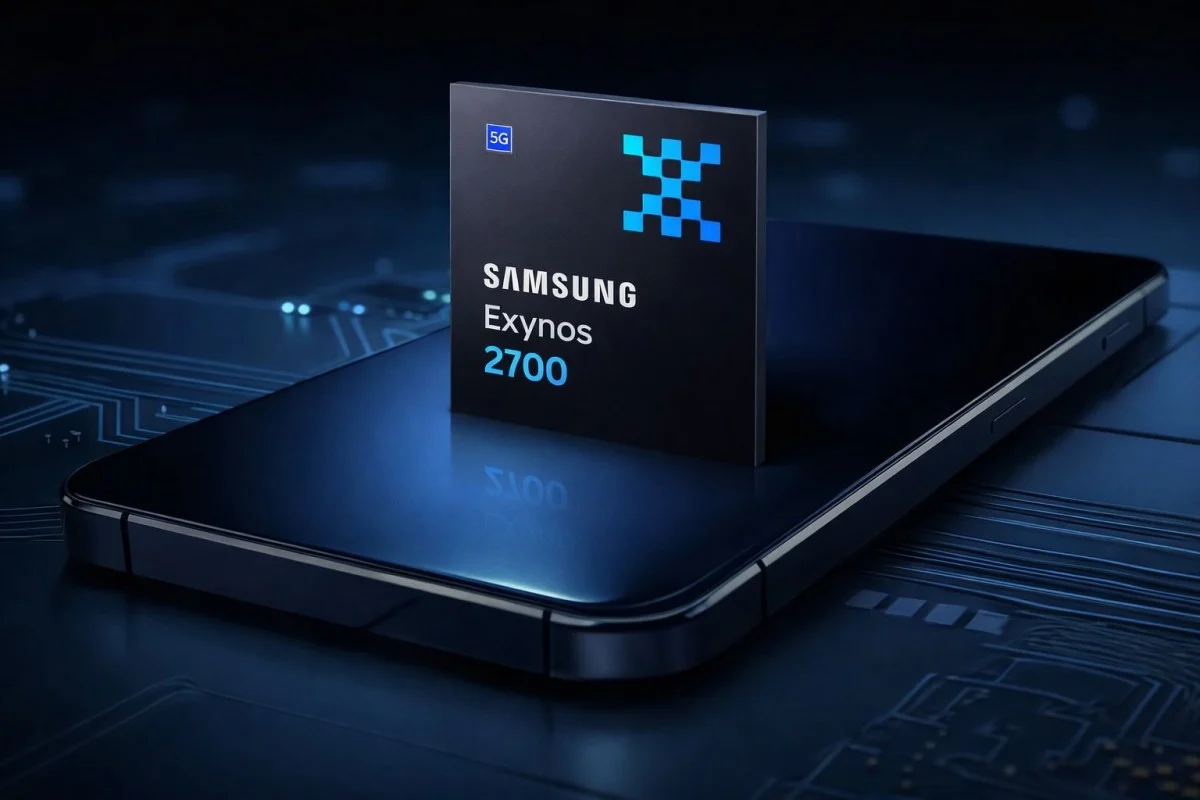
Samsung appears to be on the cusp of a significant architectural overhaul for its next-generation flagship mobile chipset, the Exynos 2700. Expected to power the upcoming Galaxy S27 series, the Exynos 2700 is rumored to adopt a novel packaging design, marking a departure from the technologies employed in its predecessors. This potential shift away from Fan-Out Wafer-Level Packaging (FOWLP), a technique that has been a staple since the Exynos 2400 and known for its thermal management benefits, signals a strategic pivot for Samsung’s in-house semiconductor division.
The Evolution of Exynos Packaging: From FOWLP to a New Paradigm
For several generations, Samsung has relied on Fan-Out Wafer-Level Packaging (FOWLP) for its high-end Exynos processors. This advanced packaging technology allows for the integration of multiple semiconductor dies and components onto a single wafer, enabling a more compact and efficient chip design. FOWLP is particularly adept at dissipating heat, a critical factor for maintaining stable performance in power-hungry mobile SoCs. The Exynos 2400, a recent iteration, also benefited from this approach, aiming to strike a balance between raw processing power and thermal control.
However, the reported decision to move away from FOWLP for the Exynos 2700 suggests that Samsung may have encountered or is seeking to overcome certain limitations associated with this technology. While FOWLP offers advantages in thermal performance and miniaturization, its manufacturing process is notoriously complex and costly. The intricate steps involved in building out the fan-out layers and the specialized equipment required contribute to a higher production expense. For a company like Samsung, which aims for both technological leadership and competitive pricing, optimizing manufacturing costs without compromising performance is a perpetual challenge.
The Rise of Side-by-Side (SbS) Architecture
According to recent industry reports, Samsung is reportedly transitioning to a new architectural approach for the Exynos 2700, dubbed Side-by-Side (SbS). This innovative design diverges from the conventional stacked configuration of application processors (AP) and DRAM. Instead, the SbS architecture proposes placing the AP and DRAM dies adjacent to each other on a common substrate.
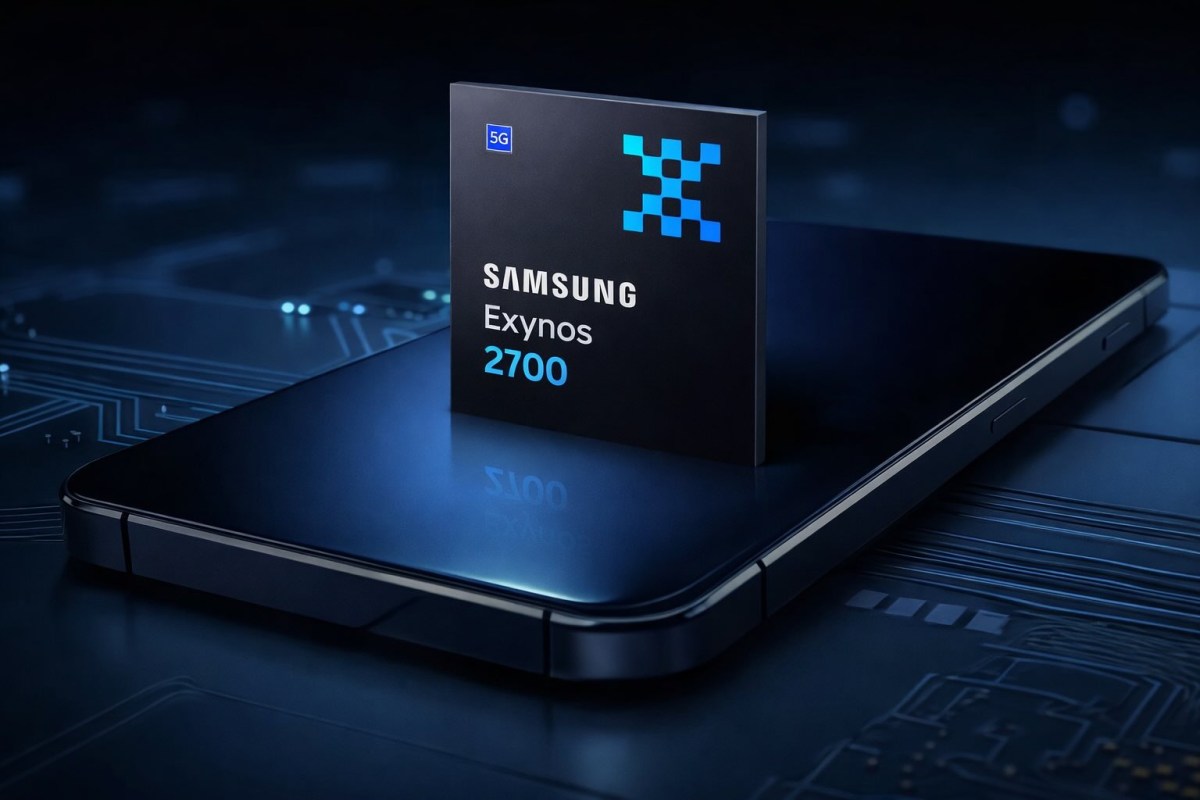
This "side-by-side" arrangement is anticipated to yield several key benefits. Firstly, it offers a more efficient utilization of physical space within the chip. By eliminating the vertical stacking, the overall footprint of the SoC can be optimized, potentially allowing for larger batteries or additional components within the same device chassis. Secondly, and perhaps more crucially, the SbS design is believed to facilitate superior heat distribution. When components are placed next to each other, heat generated by each can dissipate more readily across the substrate, potentially reducing the localized thermal hotspots that can lead to performance throttling.
Integrating Heat Pass Block (HPB) for Enhanced Thermal Management
Complementing the SbS architecture, Samsung is also rumored to be incorporating Heat Pass Block (HPB) technology into the Exynos 2700. HPB is a specialized thermal management solution designed to actively assist in the dissipation of heat generated by the SoC, particularly during periods of intense computational load. By working in conjunction with the SbS layout, HPB aims to ensure that the Exynos 2700 can sustain peak performance for extended durations without succumbing to overheating. This integrated approach to thermal management is crucial for mobile devices that are increasingly tasked with demanding applications, from high-fidelity gaming to complex AI processing.
The strategic integration of SbS and HPB suggests a concerted effort by Samsung to address the thermal challenges that have historically plagued high-performance mobile chipsets. While FOWLP provided a significant step forward, the inherent complexities and costs may have prompted Samsung to explore alternative solutions that offer a more compelling balance of performance, efficiency, and manufacturability.
Potential Implications for the Galaxy S27 Series
If these reports prove accurate, the Exynos 2700 could represent one of the most significant internal design shifts for Samsung’s System-on-Chip (SoC) division in recent years. The Exynos 2700 is slated to debut in the Galaxy S27 and Galaxy S27+ models, which are anticipated to launch in early 2027. This timeline aligns with Samsung’s typical product release cycles for its flagship smartphone lineup.
The adoption of the SbS architecture and HPB technology could have a profound impact on the user experience of the Galaxy S27 series. A more efficient thermal management system could translate to:

- Sustained Performance: Users might experience less performance degradation during demanding tasks like gaming, video editing, or prolonged camera usage. This means the device can maintain its peak speed for longer periods.
- Improved Battery Efficiency: Better thermal control often correlates with improved power efficiency. By reducing the energy lost as heat, the SoC can operate more efficiently, potentially leading to longer battery life.
- Reduced Device Heat: A cooler-running device is inherently more comfortable to hold and use, especially during extended sessions. This can enhance the overall user experience and reduce the risk of thermal throttling impacting day-to-day usability.
- Potential for Further Miniaturization: The space-saving advantages of the SbS architecture could allow Samsung to further refine the internal design of future smartphones, enabling thinner profiles or more capacious battery cells.
A Competitive Landscape and Samsung’s Strategic Imperative
Samsung’s ongoing development of its Exynos chipsets is intrinsically linked to its position in the highly competitive smartphone market. For years, there has been a debate among consumers and tech analysts regarding the performance parity between Samsung’s Exynos chips and its main rival, Qualcomm’s Snapdragon processors, particularly in terms of raw power and sustained performance.
By investing in innovative packaging and architectural designs like SbS and HPB, Samsung aims to close any perceived performance gaps and reassert the competitiveness of its in-house silicon. This strategic imperative is crucial for several reasons:
- Control over Product Development: Developing its own flagship chipsets gives Samsung greater control over its product roadmap, allowing for tighter integration of hardware and software features.
- Supply Chain Independence: Reliance on external chip manufacturers can introduce supply chain vulnerabilities. In-house chip production provides Samsung with more resilience against global chip shortages and manufacturing disruptions.
- Differentiation: A superior performing and more efficient chipset can serve as a key differentiator for Samsung’s flagship devices, attracting consumers seeking the latest in mobile technology.
- Licensing Opportunities: Success with its own high-performance chips could also open up further licensing opportunities for Samsung’s intellectual property in the semiconductor space.
Looking Ahead: The Benchmark for 2027
The reported changes to the Exynos 2700’s packaging are more than just a minor tweak; they represent a fundamental rethinking of how mobile processors are constructed. The transition from FOWLP to the Side-by-Side architecture, coupled with the integration of Heat Pass Block technology, signifies Samsung’s commitment to pushing the boundaries of mobile chip design.
The success of this new approach will be closely scrutinized by the industry and consumers alike. If the Exynos 2700 delivers on its promise of enhanced thermal management, improved efficiency, and robust performance, it could mark a significant turning point for Samsung’s Exynos division and set a new benchmark for flagship mobile chipsets in 2027. The coming months and the eventual launch of the Galaxy S27 series will undoubtedly provide the definitive answers to whether this strategic shift will pay dividends. The semiconductor industry is characterized by rapid innovation, and Samsung’s bold move with the Exynos 2700 highlights its proactive approach to staying at the forefront of this dynamic field. The focus will be on real-world benchmarks, sustained performance tests, and user feedback to gauge the true impact of these architectural advancements.