Nasution Nanang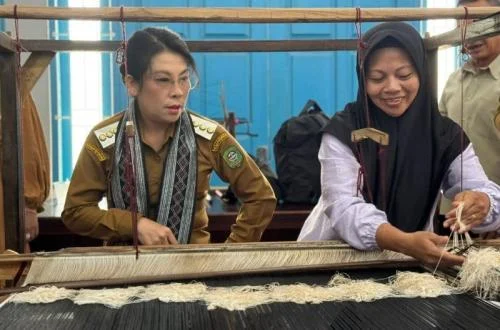
The City Government of Singkawang, West Kalimantan, has undertaken a significant initiative to elevate its creative industry and preserve invaluable cultural heritage by providing a comprehensive weaving training program for local artisans. Held on May 18, this program is designed to enhance the quality of human resources (HR) within the burgeoning creative sector and ensure the enduring legacy of traditional weaving techniques, which are deeply embedded in the region’s cultural identity. This strategic investment underscores the local administration’s commitment to fostering economic growth while safeguarding the rich tapestry of Indonesian heritage.
Deep Dive into the Initiative’s Rationale
Mayor Tjhai Chui Mie articulated the profound importance of human resource development as a critical factor for cultural heritage to thrive and remain competitive in the rapidly evolving creative industry landscape. She emphasized that woven fabrics, known locally as "tenun," transcend mere craft products; they are intricate expressions of cultural identity, imbued with historical narratives, philosophical insights, and local wisdom passed down through generations. Each motif, pattern, and color choice within these textiles tells a unique story, reflecting the community’s beliefs, environment, and social structures. Preserving these stories and the art form itself is seen as vital for maintaining a distinct national identity.
The Mayor further highlighted that the training program is a deliberate effort by the local government to bolster the competencies of Singkawang’s artisans. The goal is to empower them to produce textiles that are not only of superior quality but also innovative and highly competitive in a broader market, encompassing both national and global platforms. This aligns with Indonesia’s broader national agenda to promote creative industries as a new engine of economic growth, recognizing the immense potential of its diverse cultural assets.
Historical and Cultural Significance of Indonesian Tenun
Indonesia boasts an extraordinarily rich tradition of textile artistry, with "tenun" standing as a testament to its diverse cultural heritage. The term "tenun" generally refers to handwoven fabrics, distinct from batik, which is a wax-resist dyeing technique. Across the archipelago, each ethnic group possesses unique weaving traditions, characterized by specific materials, techniques, motifs, and ceremonial uses. From the vibrant ikat of Sumba and Flores, where threads are dyed before weaving to create intricate patterns, to the opulent songket of Sumatra and Kalimantan, adorned with gold and silver threads, these textiles are not merely garments or decorative items. They are often sacred objects, indicators of social status, mediums for storytelling, and integral components of rituals and rites of passage.
In West Kalimantan, particularly, the weaving traditions are influenced by the region’s multicultural demographics, including Dayak, Malay, and Chinese communities. While the specific style of Singkawang’s tenun may draw from various influences, the general principles of meticulous handcraftsmanship, symbolic motifs often inspired by nature or ancestral beliefs, and the use of natural dyes, are common threads. These textiles are living archives, preserving ancient knowledge of plant dyes, fiber preparation, and complex loom techniques that have been refined over centuries. The erosion of these skills due to industrialization, changing consumer preferences, and a lack of generational interest poses a significant threat to this irreplaceable cultural patrimony. Therefore, initiatives like the one in Singkawang are crucial for revitalizing and ensuring the continuity of these ancient arts.
Program Curriculum: A Holistic Approach to Artisan Development
The comprehensive training program in Singkawang goes beyond merely teaching basic weaving skills. It encompasses a multi-faceted curriculum designed to equip artisans with a holistic set of abilities essential for success in the modern creative economy. The core components include:
-
Strengthening Weaving Techniques: This module focuses on refining existing weaving skills and introducing advanced techniques. Participants delve into the nuances of traditional loom operation, tension control, pattern execution, and the proper selection and preparation of raw materials, including various types of yarns and threads. Emphasis is placed on achieving consistent quality, durability, and intricate detailing that distinguishes handcrafted tenun from mass-produced textiles. The training may also explore the use of natural dyes, a traditional practice that is increasingly valued for its environmental sustainability and unique aesthetic qualities.
-
Introduction to Contemporary Design: Recognizing the need for innovation to appeal to modern markets, this segment encourages artisans to blend traditional motifs with contemporary aesthetics. It involves workshops on color theory, pattern adaptation, product diversification, and design thinking. Artisans are guided to reinterpret traditional designs in ways that resonate with current fashion and home decor trends, without sacrificing their cultural authenticity. This could involve experimenting with new color palettes, scaling motifs, or integrating tenun into contemporary products beyond traditional garments, such as accessories, home furnishings, or artistic installations.
-
Production Management: To transform craft into a sustainable business, effective production management is vital. This module covers aspects such as efficient workflow planning, quality control measures, inventory management, cost analysis, and scaling production to meet demand. Artisans learn to optimize their time and resources, ensuring that they can produce high-quality items consistently and profitably, while maintaining the integrity of their craft. This includes understanding the lifecycle of a product, from raw material sourcing to final delivery.
-
Digital Marketing Strategies: In an increasingly digital world, online presence is paramount for market access. This crucial module educates artisans on leveraging digital platforms for promotion and sales. Topics include creating compelling product photography, developing engaging content for social media (e.g., Instagram, Facebook), setting up and managing e-commerce stores (e.g., local marketplaces, global platforms like Etsy), search engine optimization (SEO) basics, and understanding online consumer behavior. The aim is to bridge the gap between traditional craft and global digital commerce, enabling artisans to reach a wider audience beyond local markets.
Beyond technical skills, the program also instills an understanding of market trends and the importance of building a strong brand identity for their products. Artisans are encouraged to develop unique stories around their creations, highlighting the cultural significance, craftsmanship, and ethical production practices. This strategic branding aims to help Singkawang’s local tenun penetrate not only national but also international markets, positioning them as premium, culturally rich products.
Official Statements and Broader Economic Vision
Mayor Tjhai Chui Mie reiterated the critical role of strengthening human resource capacity within the creative industry as a catalyst for regional economic growth. She firmly believes that high-quality tenun products with good market value can significantly boost community income and generate new employment opportunities, particularly for women who are often the primary weavers in many communities. This initiative is therefore not just about cultural preservation but also about direct economic empowerment and poverty alleviation.
"I urge all participants to make the most of this training. Let the knowledge gained serve as a foundation for continuous innovation, without ever abandoning our cultural roots," Mayor Mie stated. Her vision extends beyond mere economic benefits; she hopes that professionally managed cultural preservation efforts will not only become a source of regional pride but also a sustainable wellspring of prosperity for the community, driven by a creative economy rooted in local culture. This holistic approach recognizes the symbiotic relationship between cultural identity and economic development.
Officials from the local Department of Culture and Tourism, while not directly quoted in the original brief, would undoubtedly echo the Mayor’s sentiments. They would likely emphasize the program’s role in promoting Singkawang as a cultural tourism destination, where visitors can experience authentic local crafts and contribute directly to the local economy. The department would also be instrumental in facilitating market linkages, promoting artisan cooperatives, and ensuring the intellectual property rights of traditional motifs are protected.
Implications and Future Outlook
The Singkawang weaving training program carries significant implications across economic, social, and cultural dimensions.
Economic Impact:
The most immediate impact is expected to be an increase in income for participating artisans. By enhancing product quality, introducing innovative designs, and opening up new marketing channels, artisans can command better prices for their goods. This directly contributes to poverty reduction and improves the standard of living for families involved in the weaving industry. Furthermore, the growth of the tenun sector can stimulate ancillary industries, such as yarn production, natural dye sourcing, and packaging, creating a multiplier effect on the local economy. It also positions Singkawang as a potential hub for high-quality handcrafted textiles, attracting buyers and cultural tourists. Indonesia’s creative economy has been a growing sector, contributing significantly to the national GDP (estimated around 7-8% in recent years, with handicrafts being a major sub-sector), and initiatives like Singkawang’s directly contribute to this national growth trajectory.
Social Impact:
The program empowers artisans, many of whom are women, by providing them with valuable skills and business acumen. This can enhance their self-esteem, improve their social standing within the community, and provide them with greater financial independence. It also fosters intergenerational knowledge transfer, as older, experienced weavers can pass on their expertise to younger participants, ensuring the continuity of the craft. By bringing artisans together, the training can also strengthen community bonds and encourage collaborative initiatives, such as shared workshops or cooperative marketing efforts.
Cultural Preservation:
Beyond economic gains, the program is a vital mechanism for cultural preservation. By teaching and revitalizing traditional techniques and motifs, it helps prevent the erosion of an invaluable aspect of Singkawang’s heritage. The emphasis on documenting and understanding the stories behind the motifs ensures that the cultural narratives embedded in the textiles are not lost. It instills a sense of pride in local identity and cultural heritage among the younger generation, encouraging them to embrace and continue these traditions.
Challenges and Long-Term Vision:
While promising, the long-term success of such an initiative faces several challenges. Sustaining market demand for artisanal products, particularly in a competitive global landscape, requires continuous innovation and adaptive strategies. Ensuring consistent access to high-quality raw materials, managing production costs, and overcoming logistical hurdles for wider distribution are ongoing concerns. Attracting and retaining younger generations in the craft, who might be drawn to other professions, remains a critical challenge.
To address these, the Singkawang government will likely need to implement follow-up programs, including advanced training, mentorship, and financial support mechanisms (e.g., access to micro-loans). Developing strong partnerships with national and international fashion designers, retailers, and cultural institutions could also open up new avenues for market access and recognition. The long-term vision for Singkawang should aim to establish it not just as a center for weaving, but as a vibrant hub for diverse creative industries, where cultural heritage fuels sustainable economic development and enriches the lives of its people. This comprehensive approach, starting with foundational training, sets a crucial precedent for other regions looking to leverage their cultural assets for socio-economic advancement.
Content processed with the assistance of AI.
Source: Antara