Tyo Susilo
In a stark reminder of the volatile nature of the modern gaming industry, Visual Concepts, the esteemed development studio responsible for the immensely popular NBA 2K and WWE 2K franchises, has reportedly initiated a wave of layoffs. This development is particularly striking given the consistently robust sales figures and critical acclaim that both of these flagship series have garnered. The news, emerging from multiple former employees’ social media posts, paints a somber picture for the sector, indicating that even studios with demonstrably successful and profitable intellectual properties are not immune to workforce reductions.
The reports of layoffs at Visual Concepts, a subsidiary of Take-Two Interactive, began to surface across professional networking platforms like LinkedIn. While the exact number of employees affected remains undisclosed, several former staff members have shared poignant accounts of their departures. These testimonies suggest a significant restructuring event within the studio, impacting various roles and departments.
Among those who have publicly shared their experiences is Brittany Thibodeaux, a software engineer who indicated that a considerable number of her "very talented colleagues" were part of this latest wave of dismissals. Her post, shared on LinkedIn, serves as a clear signal that the layoffs were not isolated incidents but rather a broader organizational change. Following her announcement, other former employees have also come forward. Anna Hodges, a game designer, confirmed that her tenure at Visual Concepts had concluded after more than three years, echoing the sentiment of unexpected displacement.
Perhaps the most emotionally charged account comes from Nina Marotta, another game designer. Marotta revealed on LinkedIn that she received news of her termination while on medical leave, having recently been diagnosed with an autoimmune disorder that significantly impacts her life expectancy. Her story underscores the human toll behind corporate restructuring, a reality often obscured by financial reports and strategic announcements. This particular narrative highlights the deeply personal consequences of such decisions, particularly when they occur during vulnerable periods for employees.
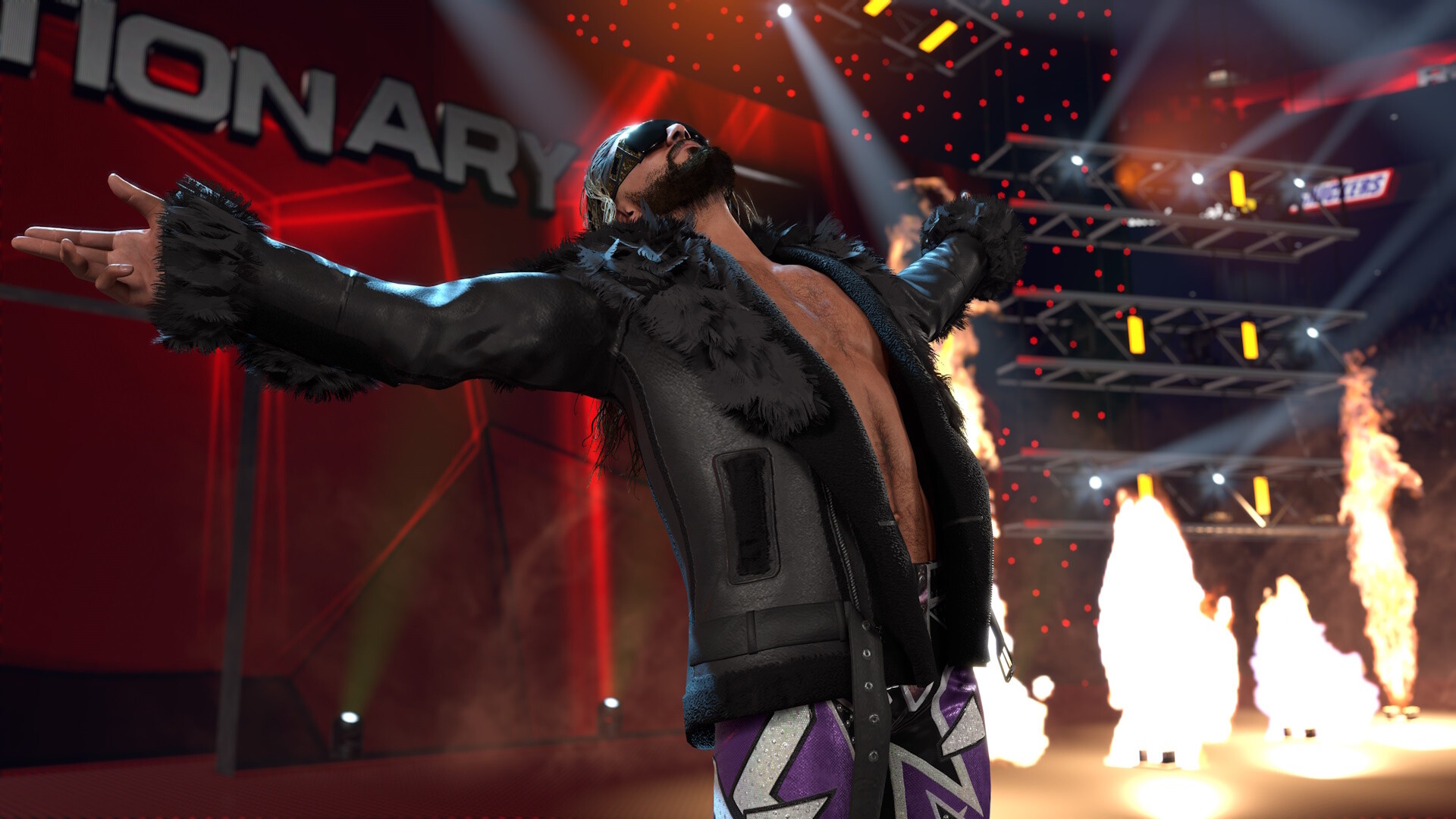
The timing and circumstances of these reported layoffs are especially perplexing when juxtaposed with the commercial success of Visual Concepts’ core franchises. Both NBA 2K26 and WWE 2K26 have consistently ranked among the best-selling video games each month since their respective releases. The NBA 2K series, in particular, has been a dominant force in the sports simulation genre for years, celebrated for its realistic gameplay, deep career modes, and extensive online multiplayer offerings. Similarly, the WWE 2K series has found a dedicated audience, with recent installments seeing a resurgence in quality and player engagement, contributing significantly to Take-Two Interactive’s revenue streams.
A Contradictory Financial Landscape
This situation becomes even more pronounced when considering the broader financial health of Visual Concepts’ parent company, Take-Two Interactive. The publisher has been experiencing a significant surge in its market value, largely fueled by the immense anticipation surrounding the upcoming release of Grand Theft Auto VI. The pre-order numbers and early buzz for GTA VI have been exceptionally strong, projecting record-breaking sales and further solidifying Take-Two’s position as a major player in the entertainment industry. This financial buoyancy within the parent company creates a stark contrast with the reported workforce reductions at one of its most profitable studios.
The phenomenon of layoffs in the gaming industry, even within financially successful companies, is not an isolated incident. Over the past few years, numerous prominent game developers and publishers have announced workforce reductions. This trend has been attributed to a confluence of factors, including the escalating costs of game development, the shift towards live-service models that require continuous investment, and the increasingly competitive market landscape.
Background and Broader Industry Trends
The gaming industry has undergone a rapid evolution. The transition from physical media to digital distribution, the rise of free-to-play models, and the increasing reliance on microtransactions and post-launch content have fundamentally altered business strategies. While these shifts have opened new revenue streams, they have also created pressure for studios to maintain a constant output of content and to optimize operational costs.
In recent years, the industry has seen a significant increase in the number of studios undertaking "restructuring" or "efficiency drives," often leading to layoffs. These events have been reported at studios working on a wide range of titles, from AAA blockbusters to smaller independent games. The COVID-19 pandemic initially led to a boom in the gaming sector, with increased demand as people sought entertainment during lockdowns. However, as economies reopened and inflation rose, consumer spending patterns shifted, and companies began to re-evaluate their operational expenditures.
The reported layoffs at Visual Concepts add to a growing list of similar incidents in the Western gaming industry. Companies like Microsoft (following its acquisition of Activision Blizzard), Sony, Riot Games, and Electronic Arts have all announced significant workforce reductions in recent times. These events often occur despite strong sales of individual titles or positive financial reports, leading to widespread concern among game developers about job security.
Timeline of Developments
While a precise timeline for the Visual Concepts layoffs is not publicly available, the reports began to emerge in late May and early June of 2026. The initial wave of information was disseminated through social media platforms, with former employees sharing their experiences. This organic spread of news highlights the importance of employee testimonials in uncovering and reporting on such events within the industry.
The lack of an immediate official statement from either Visual Concepts or Take-Two Interactive has further fueled speculation and concern. Typically, in such situations, companies may issue a brief statement acknowledging the changes or outlining the strategic reasons behind them. However, the silence from both entities suggests a cautious approach or perhaps an ongoing internal assessment of the situation.
Supporting Data and Market Context
To understand the context of these layoffs, it’s essential to consider the financial performance of Visual Concepts’ key franchises and Take-Two Interactive’s overall market position.

- NBA 2K Franchise: The NBA 2K series has consistently been a top performer for Take-Two. For instance, NBA 2K23, released in September 2022, sold over 11 million units worldwide by February 2023. The subsequent titles, including the most recent NBA 2K26, have continued this trend, benefiting from a dedicated fanbase and the enduring popularity of basketball. The game’s revenue is further bolstered by its popular "MyTeam" mode, which incorporates collectible card elements and in-game purchases.
- WWE 2K Franchise: The WWE 2K series, after a period of turbulence, has seen a notable recovery. WWE 2K23, released in March 2023, received strong critical reviews and demonstrated solid sales. WWE 2K24, released in March 2024, continued this positive momentum. The franchise taps into a passionate wrestling fanbase and has been a consistent contributor to Take-Two’s sports gaming portfolio.
- Take-Two Interactive’s Market Performance: Take-Two Interactive’s stock has seen substantial growth, particularly in anticipation of Grand Theft Auto VI. The company’s fiscal reports have consistently shown strong revenue figures, driven by its flagship franchises. This robust financial standing makes the decision to lay off employees at a successful studio like Visual Concepts a point of significant discussion and concern within the industry.
Analysis of Implications
The reported layoffs at Visual Concepts carry several significant implications for the gaming industry:
- Job Security Concerns: The event reinforces anxieties about job security among game developers. Even in studios with proven commercial success, employment can be precarious. This can lead to increased talent migration and a potential reluctance for individuals to invest long-term careers in certain studios or companies.
- Impact on Development Pipeline: While not explicitly stated, a reduction in staff can potentially affect the speed and scope of future game development. While efficiency is a stated goal, a significant loss of experienced personnel could lead to delays or a compromise in the quality or ambition of upcoming titles.
- Investor Expectations vs. Employee Welfare: The situation highlights the ongoing tension between investor expectations for profitability and the welfare of the workforce. While companies aim to maximize shareholder value, the human cost of aggressive cost-cutting measures can have a detrimental effect on company culture and employee morale.
- Industry-Wide Trend: These layoffs at Visual Concepts are not an anomaly but rather symptomatic of a broader trend in the Western gaming industry. The consolidation of major publishers, the increasing budgets for AAA titles, and the pressure to deliver consistent financial returns are all contributing factors to this ongoing cycle of workforce reductions.
Official Responses and Silence
As of the time of this report, neither Visual Concepts nor Take-Two Interactive has issued a formal public statement addressing the reported layoffs. This silence is not uncommon in the immediate aftermath of such events, as companies often navigate internal communications and legal considerations before making public announcements. However, the lack of official comment leaves former employees and the wider industry seeking clarity on the reasons behind these decisions and the scale of the impact.
The absence of an official statement means that information regarding the specific departments affected, the number of individuals laid off, and the strategic rationale behind the move remains speculative, primarily based on the accounts of those directly impacted. In such situations, industry analysts and journalists often look for indirect indicators, such as changes in project scope, shifts in executive leadership, or future financial projections, to glean further insight.
Conclusion and Future Outlook
The reported layoffs at Visual Concepts serve as a critical juncture in the ongoing discourse surrounding the health and sustainability of the video game industry. While the financial success of franchises like NBA 2K and WWE 2K is undeniable, and Take-Two Interactive’s market valuation continues to soar, the displacement of skilled professionals paints a complex picture. This event underscores the challenging economic realities faced by many in the sector, where profitability does not always translate into job security for the creative and technical talent that drives these successful enterprises.
As the industry continues to evolve, the balance between financial performance, strategic growth, and the well-being of its workforce will remain a central point of contention. The coming months will likely see further scrutiny of Take-Two Interactive’s operational strategies and the broader implications of these workforce reductions on the development of future titles. The stories of individuals like Brittany Thibodeaux, Anna Hodges, and Nina Marotta serve as potent reminders of the human element within the often-impersonal world of corporate restructuring, prompting essential questions about the future of employment in one of the world’s most dynamic entertainment sectors.