Nila Kartika Wati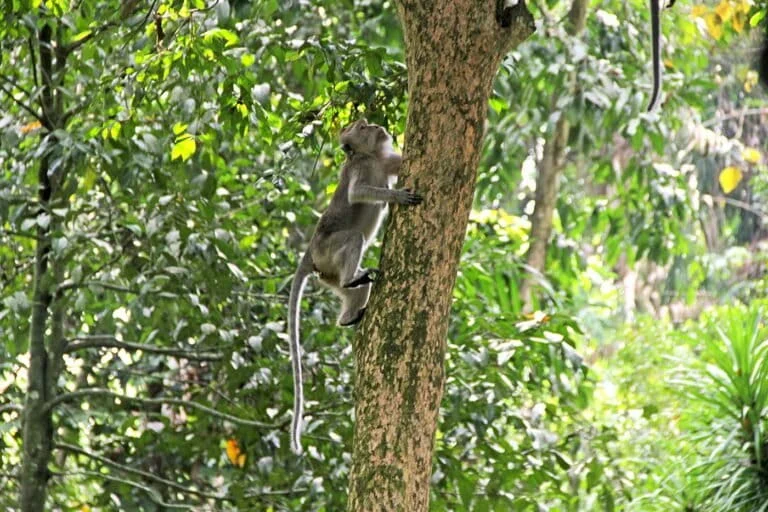
The conservation landscape for primates in Indonesia presents a complex and often contradictory picture, particularly within the Genus Macaca. While global headlines frequently warn of the impending extinction of various primate species, the domestic reality for the long-tailed macaque (Macaca fascicularis) in Indonesia appears significantly more stable than that of its counterparts. This discrepancy in conservation status—where a species can be labeled "Endangered" on a global scale while remaining "Least Concern" within Indonesian borders—highlights the intricate challenges of wildlife management in a megadiverse nation. Recent findings from the Macaca National Red List Assessment (NRLA) have sparked a necessary dialogue among primatologists, conservationists, and animal welfare advocates regarding the criteria used to determine the survival prospects of these highly intelligent mammals.
According to Puji Rianti, a leading researcher from the IUCN Species Survival Commission Primate Specialist Group (IdSSG) and the head of the Macaca NRLA study, the divergence between global and national assessments is a matter of scale and data context rather than scientific error. Speaking on Sunday, April 12, 2026, Rianti noted that while Macaca fascicularis faces severe population pressures in other Southeast Asian nations, its presence in Indonesia remains robust. The global IUCN Red List categorizes the long-tailed macaque as Endangered due to rapid declines across its entire range, driven by habitat loss and the international trade for biomedical research. However, within the specific geographic boundaries of Indonesia, the species continues to inhabit a vast array of ecosystems, maintaining a population density that currently precludes an "Endangered" classification at the national level.
The Biological Resilience of the Long-tailed Macaque
The "Least Concern" status of the long-tailed macaque in Indonesia is largely attributed to its extraordinary biological and behavioral flexibility. Unlike many other primates that require pristine primary forests to survive, Macaca fascicularis is a generalist species. It thrives in various environments, including mangroves, secondary forests, agricultural fringes, and even urban areas. This adaptability is supported by a sophisticated social structure characterized by multi-male and multi-female groups, which ensures genetic diversity and social stability even under environmental stress.
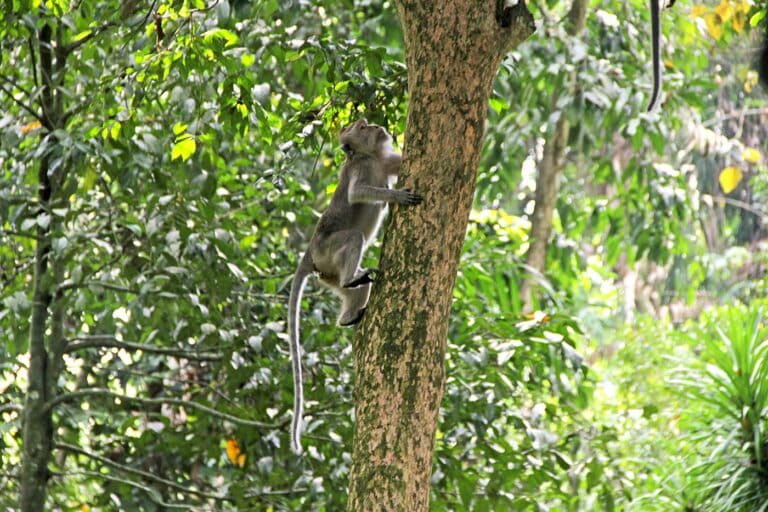
Furthermore, Rianti pointed out that long-tailed macaques do not have a restricted breeding season. They are capable of reproducing year-round, allowing their populations to recover more quickly from localized setbacks compared to species with more rigid reproductive cycles. "The population in Indonesia is not only stable but shows a tendency to increase in several regions," Rianti explained. This demographic trend is a significant factor in the national assessment, which follows strict IUCN standards that exclude data from non-natural or introduced populations to ensure the accuracy of the native species’ status.
The Crisis Facing Sulawesi’s Endemic Macaques
The relative security of the long-tailed macaque stands in stark contrast to the dire situation facing five endemic macaque species on the island of Sulawesi. The Macaca NRLA has identified Macaca nigrescens, Macaca hecki, Macaca tonkeana, Macaca ochreata, and Macaca brunnescens as being under increased threat, with all five now categorized as "Endangered" at the national level. This shift reflects a grim reality for species that exist nowhere else on Earth.
The primary driver for the decline of Sulawesi’s macaques is the rapid fragmentation of their habitat. Sulawesi’s unique geography and increasing industrial activity, particularly nickel mining and large-scale agriculture, have carved the landscape into isolated pockets of forest. For Macaca nigrescens, the situation is further exacerbated by illegal hunting. In many parts of Sulawesi, macaques are hunted for bushmeat or captured for the illegal pet trade, creating a "double whammy" of habitat loss and direct extraction.
Unlike the long-tailed macaque, these endemic species have much narrower niches. They are less equipped to navigate human-altered landscapes, and their isolation in fragmented forests makes them highly vulnerable to local extinction. When a forest corridor is cut off by a mine or a plantation, the resident macaque troop becomes genetically isolated, leading to long-term population decline even if the immediate number of individuals seems high.
Human-Wildlife Conflict and the "Pest" Narrative
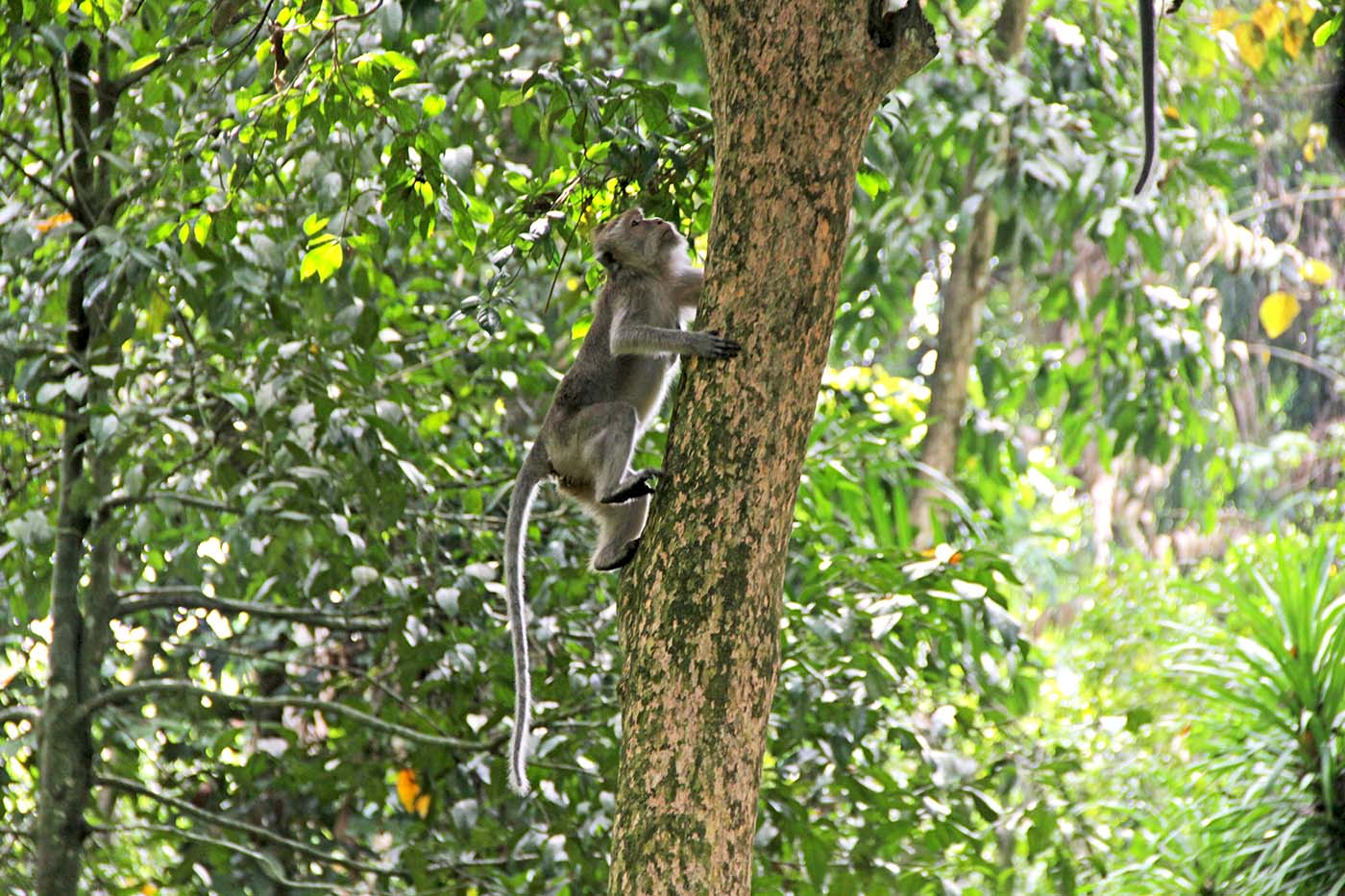
The adaptability of the long-tailed macaque, while a boon for its survival, is also the source of its greatest challenge: conflict with humans. As natural forests are converted into palm oil plantations or residential areas, macaques are forced into closer proximity with human settlements. Their intelligence and opportunistic feeding habits often lead them to raid crops or scavenge in residential trash, leading local communities to view them as a nuisance or a "pest."
This perception complicates conservation efforts. When a species is labeled a pest, public sympathy for its protection wanes, and retaliatory killings become common. However, Rianti noted that while human-macaque conflict is a significant social issue, there is currently no scientific evidence to suggest that these conflicts are the primary driver of a national-level population decline for the long-tailed macaque. Instead, the conflict is a symptom of habitat mismanagement.
Current mitigation strategies involve translocation—moving "problem" troops to protected areas like national parks or communal forests where human contact is minimal. However, experts warn that translocation is not a panacea. Without addressing the root cause—the loss of natural habitat—new troops will simply move into the vacated areas, and the cycle of conflict will continue.
Integrating Animal Welfare into Conservation Science
The debate over macaque status in Indonesia has also brought animal welfare to the forefront of the conservation conversation. Amanda Yonica Poetri Faradifa, Social Media Coordinator for the Animal Cruelty Coalition and a member of the Macacaque Coalition-Asia for Animals, argues that population data alone does not tell the full story. While the Macaca NRLA provides a vital scientific foundation, Faradifa believes it leaves a significant gap regarding the lived experience of individual animals.
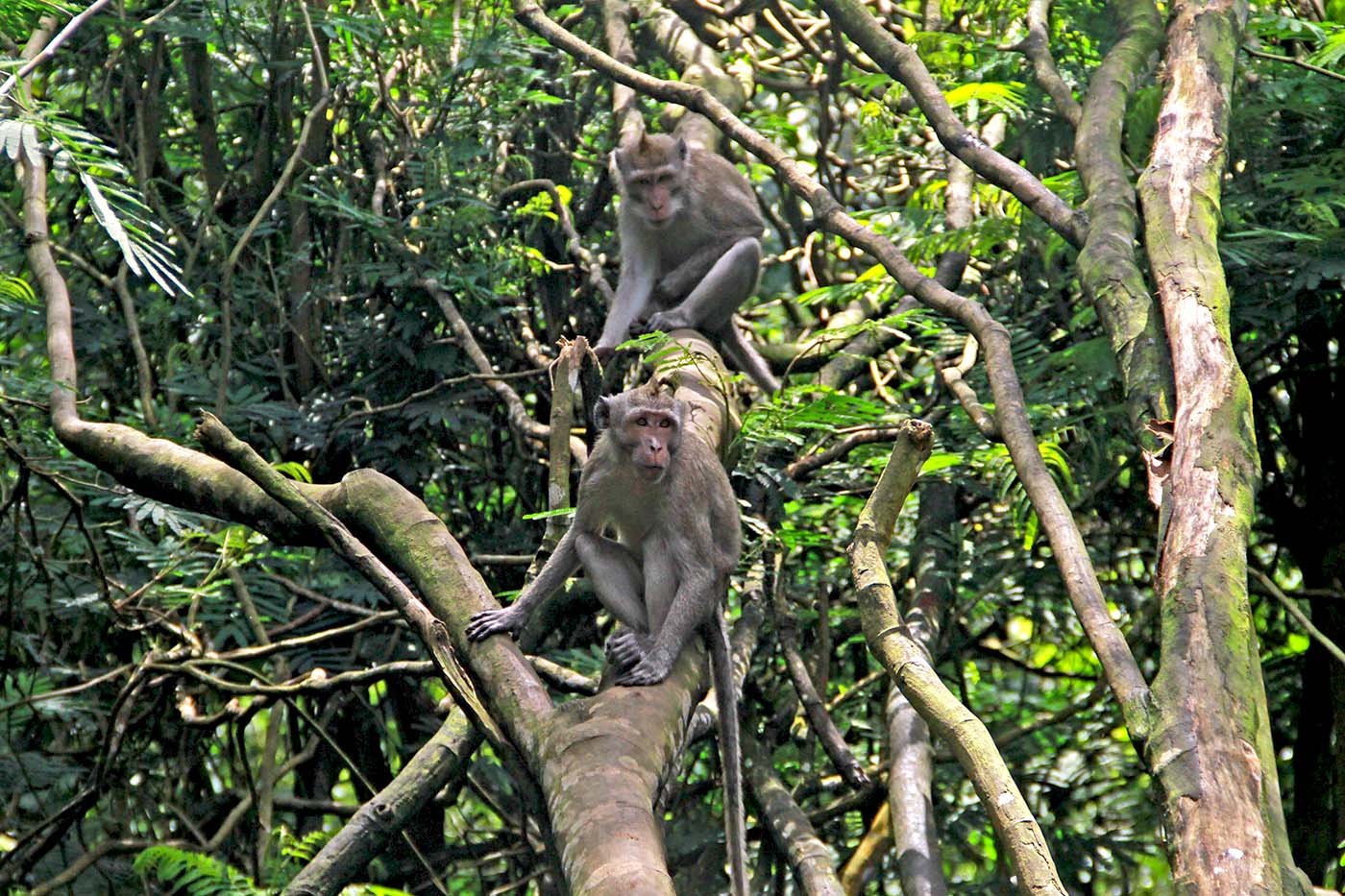
"We can see a species that appears safe in terms of its status, but is experiencing immense suffering on the ground," Faradifa stated on Friday, April 10, 2026. She highlighted that macro-level assessments often overlook individual acts of violence, chronic stress from constant human conflict, and the poor living conditions of macaques in urban environments or illegal trade. From a welfare perspective, a "Least Concern" status can be misleading if it masks a reality of systemic abuse and neglect. Faradifa emphasizes that true conservation must integrate welfare principles, acknowledging that the health of a population is inextricably linked to the well-being of its individual members.
Vulnerability of Island Populations
The broad national status of "Least Concern" for the long-tailed macaque can also obscure the precariousness of specific subpopulations. Ilham Kurnia, Program Manager of The Long-Tailed Macaque Project, cautioned against a one-size-fits-all interpretation of the data. He pointed out that macaques living on small, isolated islands face threats that are not reflected in the national average.
Populations on islands such as Simeulue, Lasia, Karimunjawa, and Maratua are particularly vulnerable. These island-dwelling macaques often represent unique subspecies or genetically distinct groups. Because they live in confined spaces with limited resources, they are highly susceptible to anthropogenic pressures and environmental changes, such as rising sea levels or sudden habitat destruction. "They have no place to go," Kurnia explained on Tuesday, April 14, 2026. "On a small island, the margin for error in habitat management is zero." For these specific groups, the "Least Concern" label is a dangerous misnomer that could lead to a lack of necessary protection.
Toward a Science-Based Management Strategy
The findings of the Macaca NRLA underscore the need for a nuanced, multi-tiered approach to primate conservation in Indonesia. For the abundant long-tailed macaque, the focus must shift from basic protection to active management based on habitat carrying capacity. This includes scientific interventions such as population sterilization in high-conflict urban areas, targeted translocations, and the development of "macaque-friendly" agricultural corridors that reduce crop raiding.
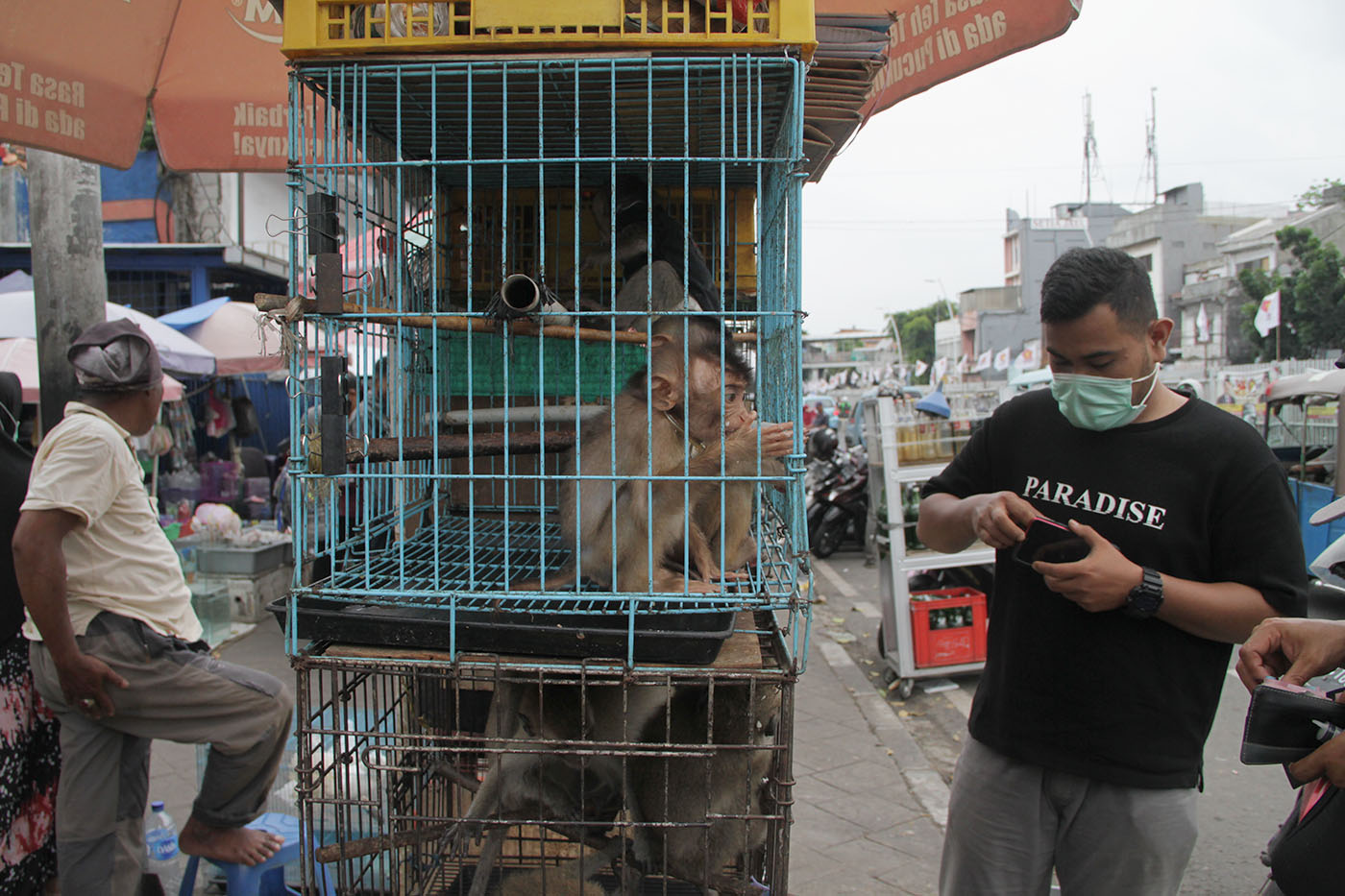
For the endangered endemic macaques of Sulawesi, the mandate is more urgent: the absolute protection of remaining core habitats and the establishment of wildlife corridors to reconnect fragmented populations. Law enforcement against illegal hunting and the bushmeat trade must also be prioritized to prevent these species from sliding further toward extinction.
The Indonesian government, through the Ministry of Environment and Forestry, is being urged to use the NRLA data to create species-specific management plans. This includes prioritizing the protection of "hotspot" habitats and ensuring that industrial development, particularly in Sulawesi, accounts for the movement and survival of endemic primates.
As Indonesia moves forward, the challenge will be to balance the needs of a growing human population with the survival of its primate cousins. Whether it is the highly adaptive long-tailed macaque or the specialized endemics of Sulawesi, the future of Indonesia’s Genus Macaca depends on a conservation strategy that is as flexible and sophisticated as the animals it seeks to protect. The data provided by the Macaca NRLA is a crucial first step, but the real work lies in translating that science into humane, effective, and sustainable policy on the ground.