Nasution Nanang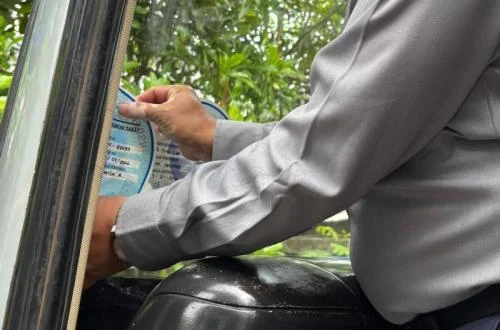
The Road Transport Management Center (BPTD) Class II Banten has initiated a comprehensive series of safety inspections, known as "ramp checks," targeting both tourist and inter-city (AKAP) buses operating within the province. This proactive measure is strategically implemented to guarantee the highest standards of safety and security for the public during the upcoming school holiday season, a period historically marked by increased travel volume and heightened demand for public transportation.
The Imperative of Safety: Background and Context
Indonesia, an archipelago nation heavily reliant on road transport for inter-island and inter-city connectivity, faces perennial challenges in maintaining optimal road safety, particularly during peak travel seasons. School holidays, alongside national religious festivities like Eid al-Fitr and Christmas, witness a significant surge in passenger movement, placing immense pressure on the existing transportation infrastructure and vehicle fleets. This increased volume inherently elevates the risk of accidents if vehicles are not meticulously maintained or if operational procedures are not strictly adhered to.
The BPTD Class II Banten, operating under the Directorate General of Land Transportation within the Ministry of Transportation, plays a pivotal role in regulating and overseeing road transport operations at the regional level. Its mandate encompasses ensuring vehicle roadworthiness, enforcing traffic regulations, and promoting public safety across Banten province. The term "AKAP" (Antar Kota Antar Provinsi) refers to inter-city and inter-province buses, which form the backbone of long-distance public transport in Indonesia, connecting various urban centers and provinces. "Type A Terminals" are major bus terminals managed directly by the central government, serving as crucial hubs for inter-provincial routes and often featuring more comprehensive facilities and regulatory oversight compared to smaller regional terminals. The decision to focus these ramp checks on both tourist buses, which cater to leisure travel, and AKAP buses, which serve daily commuter and long-haul needs, underscores a holistic approach to safeguarding all segments of the traveling public during this critical period.
A Comprehensive Inspection Framework: What’s Being Checked
Eko Indrayanto, Head of BPTD Class II Banten, articulated the rationale behind these inspections, emphasizing their preventive nature. The goal is to ascertain that every public transport vehicle in operation is not only roadworthy but also fully compliant with administrative requirements. The inspection protocol is meticulously designed to cover several crucial aspects, ensuring a thorough evaluation of each bus:
Firstly, technical condition is paramount. Inspectors meticulously examine critical systems such as braking mechanisms, ensuring they are fully functional and responsive. The condition of lighting systems, including headlamps, tail lamps, turn signals, and interior lighting, is verified for proper operation. Tire integrity, encompassing tread depth, pressure, and the absence of cracks or damage, is also a key focus, as worn tires are a common contributor to accidents. Engine performance, steering responsiveness, and overall chassis integrity are also assessed to detect any potential mechanical failures.
Secondly, the availability and functionality of safety equipment are rigorously checked. This includes ensuring the presence of operational fire extinguishers, comprehensive first-aid kits, and clearly marked, accessible emergency exits. The condition of seatbelts, both for passengers and drivers, is also verified.
Thirdly, administrative compliance forms a significant part of the inspection. This involves scrutinizing vehicle documents, such as the vehicle registration certificate (STNK), roadworthiness certificates (KIR), and other necessary permits. Any expired or incomplete documentation can lead to immediate operational sanctions.
Finally, the competence and administration of drivers are assessed. Drivers’ licenses are verified for validity and appropriate class. Inspectors also ensure that drivers adhere to prescribed working hours to prevent fatigue-related incidents and that their administrative records are in order. This holistic approach aims to mitigate risks from multiple angles, addressing both mechanical and human factors that can compromise safety.
Strategic Deployment: Targeting Key Hubs and Tourist Destinations
The execution of these ramp checks is strategically planned to cover the most critical operational points within Banten province. For AKAP and tourist buses, inspections are primarily concentrated at several Type A Terminals known for their high passenger traffic and strategic locations. These include Terminal Type A Merak, a vital gateway to Sumatra; Terminal Type A Pakupatan in Serang, a central hub for inter-provincial routes; Terminal Type A Lebak; Terminal Type A Labuan; Terminal Type A Poris in Tangerang, serving the greater Jakarta area; and Terminal Type A Pondok Cabe, also located near the capital.
Beyond these major terminals, the inspections also extend to the pools of various bus companies (PO) scattered across Banten. This ensures that even buses not actively present at terminals but undergoing preparation or maintenance are subject to scrutiny, promoting a consistent standard of safety across the entire fleet of operators. This phase of general inspections is scheduled to run from June 23 to July 10, 2026, encompassing the initial weeks of the school holiday period.
Recognizing the specific travel patterns during school holidays, BPTD Class II Banten has also deployed dedicated personnel to major coastal tourist destinations. Popular beach areas such as Anyer and Carita, which historically draw large crowds of holidaymakers, are key focal points for additional inspections. These targeted checks on buses transporting tourist groups to these leisure spots are scheduled for weekends, specifically July 4-5 and July 11-12, 2026. This focused approach aims to provide an extra layer of assurance for travelers visiting recreational areas, ensuring their journeys remain free from technical disruptions. "This step is taken to ensure that the public’s holiday travels proceed safely without any technical impediments from the armada," Indrayanto affirmed, underscoring the commitment to a seamless and secure travel experience.
Chronology of Operations: A Phased Approach to Enforcement
The ramp check initiative is structured as a phased operation, meticulously timed to coincide with and cover the entirety of the school holiday rush. The chronology is as follows:
- June 23, 2026: The extensive ramp check program officially commences. Initial focus is on Type A Terminals and bus operator pools across Banten, initiating the first wave of inspections aimed at identifying and rectifying any non-compliance before the peak travel period fully sets in.
- June 23 – July 10, 2026: This period constitutes the primary phase of general ramp checks. During these weeks, BPTD personnel, often collaborating with vehicle testing officers and specialized safety oversight teams, will continuously monitor and inspect buses at the designated Type A Terminals and PO pools. This sustained effort aims to ensure that a large proportion of the operating fleet undergoes rigorous assessment.
- July 4-5, 2026: The first dedicated weekend inspection at popular tourist destinations like Anyer and Carita takes place. This strategic timing aligns with the anticipated influx of weekend travelers, allowing BPTD to directly inspect buses ferrying tourists to these high-traffic leisure spots.
- July 10, 2026: The general ramp check program at terminals and PO pools concludes, marking the end of the initial broad-spectrum enforcement efforts.
- July 11-12, 2026: The second and final round of weekend inspections is conducted at Anyer, Carita, and other critical tourist areas. This final push aims to capture any remaining tourist buses that might not have been inspected earlier or to re-verify compliance as the holiday season draws to a close.
This staggered and targeted approach allows BPTD to maximize its resources, addressing the high-volume routes first and then shifting focus to leisure travel corridors during peak tourist weekends, ensuring comprehensive coverage throughout the school holiday period.
Supporting Data and National Context: The Broader Picture
Road safety remains a critical public health and economic concern in Indonesia. According to data from the National Police, road accidents in Indonesia consistently rank among the highest causes of fatalities and injuries. While specific figures for 2026 are projected, historical trends indicate that road accidents typically surge by 15-25% during major holiday periods compared to regular days, largely due to increased traffic density, driver fatigue, and the operation of unroadworthy vehicles. Bus-related accidents, though a smaller percentage of the total, often result in higher casualties due to the number of passengers involved. In previous similar ramp check operations across Indonesia, a significant portion, often exceeding 20-30% of inspected vehicles, were found to have minor to major deficiencies requiring immediate rectification or temporary suspension. Common issues included faulty braking systems, expired vehicle documents, non-functional lights, and worn tires.
For Banten specifically, which serves as a crucial transit point between Java and Sumatra and boasts popular tourist destinations, the volume of travelers during school holidays is substantial. Estimates suggest that millions of domestic tourists and commuters utilize bus services through Banten during these periods. This underscores the critical importance of these ramp checks not just for Banten’s residents but for national travelers. The Ministry of Transportation has a national agenda to reduce road accident rates by a certain percentage year-on-year, and regional initiatives like BPTD Banten’s ramp checks are integral to achieving these broader safety targets.
Voices from the Field: Stakeholder Reactions and Commitments
The intensified ramp check initiative has garnered reactions from various stakeholders, reflecting a shared understanding of the importance of road safety.
Eko Indrayanto, reiterating BPTD Banten’s stance, emphasized that "safety is the paramount priority and a collective responsibility in the organization of road transportation." He expressed hope that "through these intensive inspections, transport operators will become more compliant with operational safety standards and be able to provide the best service." He further added, "Through the implementation of intensive ramp checks, we strive to ensure that all operating fleets are in roadworthy condition so that the public can travel safely and comfortably during the school holiday period."
From the Ministry of Transportation (MoT), while no direct statement was provided for this specific regional operation, the broader policy framework consistently supports such initiatives. Officials within the Directorate General of Land Transportation routinely advocate for rigorous enforcement of safety standards, particularly during high-traffic seasons. These regional efforts align with the MoT’s national strategic plan for improving public transport safety and service quality, viewing such checks as essential for achieving national safety benchmarks.
Bus Operators (PO representatives), while acknowledging the operational challenges and potential for temporary disruptions, generally express cooperation with these safety mandates. A representative from a major PO operating in Banten, speaking anonymously, noted, "Maintaining our fleet is an ongoing process, and these checks serve as a valuable reminder and validation of our efforts. While there might be minor delays or requirements for immediate fixes, ultimately, a safe fleet builds passenger trust, which is vital for our business." They often highlight their own internal safety protocols and driver training programs, aiming to demonstrate their commitment beyond regulatory compliance.
The tourism sector in Banten, particularly in areas like Anyer and Carita, views safe transportation as a critical factor for sustained growth. Local tourism board officials would likely welcome these measures, recognizing that safe and reliable transport directly impacts visitor confidence and the overall appeal of their destinations. "Safe transport is fundamental to a positive holiday experience. When visitors feel secure in their journey, they are more likely to return and recommend our beautiful beaches," a hypothetical tourism official might state.
Public and Passenger Representatives, through various consumer advocacy groups, consistently call for stricter enforcement of safety regulations. They generally appreciate efforts like these ramp checks, as they directly address passenger concerns about vehicle roadworthiness and driver conduct. "It’s reassuring to know that authorities are actively checking buses. As passengers, our safety is in their hands, and these checks give us confidence to travel," a representative from a passenger association could comment, while also emphasizing the need for consistent and transparent enforcement.
Implications and Long-Term Impact: Beyond the Holiday Season
The ramp check initiative by BPTD Class II Banten carries significant implications that extend beyond the immediate school holiday period, fostering a safer, more reliable, and ultimately more sustainable public transportation ecosystem.
Firstly, the most direct impact is the enhancement of road safety. By identifying and rectifying mechanical faults and administrative non-compliance, these checks significantly reduce the probability of accidents, thereby saving lives and preventing injuries. The immediate removal of unroadworthy vehicles from service acts as a powerful deterrent against negligence.
Secondly, these measures contribute to a considerable boost in public trust and confidence in bus transportation. When travelers are assured that vehicles have undergone stringent safety checks, they are more likely to choose public transport over private vehicles, potentially easing traffic congestion and reducing carbon emissions. This confidence is particularly vital for the tourism sector, as safe travel directly encourages more visitors, bolstering local economies.
Thirdly, the initiative promotes greater operator accountability. The consistent application of ramp checks compels bus companies to prioritize regular maintenance, invest in newer, safer vehicles, and ensure their drivers are well-trained and adhere to regulations. This fosters a culture of continuous improvement and adherence to best practices, moving beyond mere compliance to genuine commitment to safety. Operators who consistently pass inspections might also gain a competitive advantage, as passengers increasingly prioritize safety.
Fourthly, there are positive economic benefits. Smoother and safer movement of people and goods supports local businesses, tourism operators, and service providers. Reduced accident rates also mean fewer burdens on healthcare systems and less economic loss due to disruptions and damages.
Finally, the findings and experiences from these intensified ramp checks can inform future regulatory evolution. Data collected on common deficiencies, areas of persistent non-compliance, and the effectiveness of current inspection protocols can provide valuable insights for policymakers to refine existing regulations, introduce new safety standards, or adapt enforcement strategies to emerging challenges in road transport. This iterative process is crucial for continually elevating safety benchmarks across the industry.
A Collective Responsibility: Call to Action
Eko Indrayanto concluded by reiterating that safety is a shared endeavor. While BPTD Class II Banten is committed to intensive oversight, the responsibility for safe travel extends to all parties. He urged bus companies and their crews to uphold the highest operational safety standards. Crucially, he also appealed to the public, the users of these transportation services, to be discerning and selective. Passengers are encouraged to choose transport providers and specific bus fleets that have demonstrably met operational safety standards, looking for signs of recent inspections or reputable operators.
This collective vigilance—from rigorous enforcement by authorities, diligent maintenance by operators, responsible conduct by drivers, to informed choices by passengers—is the bedrock upon which a truly safe and reliable public transportation system can be built and sustained, ensuring that the school holidays of 2026 are remembered for enjoyable journeys rather than unfortunate incidents.