Lusiana Hamidun
The Cannes Film Festival, a venerable institution in the global cinematic calendar, once again descended upon the sun-drenched shores of the French Riviera from May 12th to May 23rd, 2026. Known for its unpredictable yet consistently captivating selections, the festival has a storied history of premiering films that range from Oscar-bait dramas like "Anora," a poignant exploration of a Brooklyn sex worker, to the audacious French provocations like "Titane," which delved into an unconventional human-machine relationship, and the expansive family sagas such as Terrence Malick’s "The Tree of Life." Each year, Cannes serves as a crucible for visionary auteurs and boundary-pushing provocateurs, presenting a cinematic experience that is frequently surprising, undeniably challenging, and often, profoundly extraordinary. The 79th edition of the festival, while perhaps not dominated by the usual behemoths of Hollywood, maintained this esteemed tradition, offering a rich and diverse program that promised to ignite conversations and captivate audiences worldwide.
This year’s iteration marked a significant return for several esteemed filmmakers, including the celebrated Japanese director Ryusuke Hamaguchi and the distinctive Danish auteur Nicolas Winding Refn. The presence of internationally recognized stars such as Renate Reinsve, Kristen Stewart, Hannah Einbinder, and Léa Seydoux, who featured in multiple films, ensured that the festival program remained vibrant with star power and brimming with promising narratives. The strategic timing of the festival, nestled in the heart of May, has historically positioned it as a crucial launchpad for films destined for international acclaim, including the prestigious awards circuits of the following year.

The Cannes Film Festival, established in 1946, has evolved from a post-war initiative to foster international understanding through cinema into the most prestigious film festival in the world. Its dual mission of showcasing artistic excellence and fostering the global film market makes it a pivotal event for filmmakers, distributors, and critics alike. The festival comprises several competitive sections, with the Palme d’Or being the highest prize awarded to the best film in the main competition. Beyond the main competition, other sections like Un Certain Regard, Directors’ Fortnight, and Critics’ Week offer platforms for emerging talent and diverse cinematic voices. The sheer scale of the event, drawing thousands of industry professionals and media representatives, underscores its immense influence on global film trends and distribution strategies.
This year’s edition, as in years past, navigated the complex landscape of contemporary cinema, balancing established artistic legacies with the emergence of new voices. The absence of overt Hollywood dominance allowed for a greater focus on international cinema, reflecting a growing trend of global interconnectedness in filmmaking. The festival’s commitment to showcasing a wide spectrum of genres and cultural perspectives was evident in the curated selection, promising a dynamic and thought-provoking cinematic journey.
Notable Selections: A Glimpse into the Festival’s Cinematic Landscape
The following 14 titles stood out as essential viewing, offering a compelling preview of the artistic and narrative breadth of Cannes 2026:
1. Amarga Navidad (Bitter Christmas)
Director: Pedro Almodóvar
The release of a new film by Pedro Almodóvar is invariably a cause for cinematic celebration. His latest offering, Amarga Navidad, translates to Bitter Christmas, and it features Bárrbara Lennie as Elsa, an advertising director grappling with the profound loss of her mother. Almodóvar masterfully weaves together two distinct timelines, creating a deeply personal and metatextual reflection on grief, memory, and the intricate process of creative healing. The film’s exploration of familial bonds and the enduring impact of loss resonates with Almodóvar’s signature emotional depth and visual flair, making it a highly anticipated entry. The director’s consistent ability to dissect the human psyche with both sensitivity and bold artistic choices has cemented his status as a master storyteller, and Amarga Navidad is expected to continue this legacy.
2. Teenage Sex and Death at Camp Miasma
Director: Jane Schoenbrun

With a title that immediately commands attention, Jane Schoenbrun’s Teenage Sex and Death at Camp Miasma stars Hannah Einbinder as a queer filmmaker attempting to revive a fictional slasher franchise. The narrative takes a compelling turn as it delves into a complex psychosexual relationship between reality and the cinematic world, featuring Gillian Anderson in a pivotal role. Schoenbrun’s previous work has been lauded for its innovative approach to identity and desire, and this latest project promises to push those boundaries further, offering a darkly humorous and introspective commentary on the nature of artifice and obsession. The film’s bold premise and exploration of meta-narrative elements position it as a significant work within contemporary independent cinema.
3. Fjord
Director: Cristian Mungiu
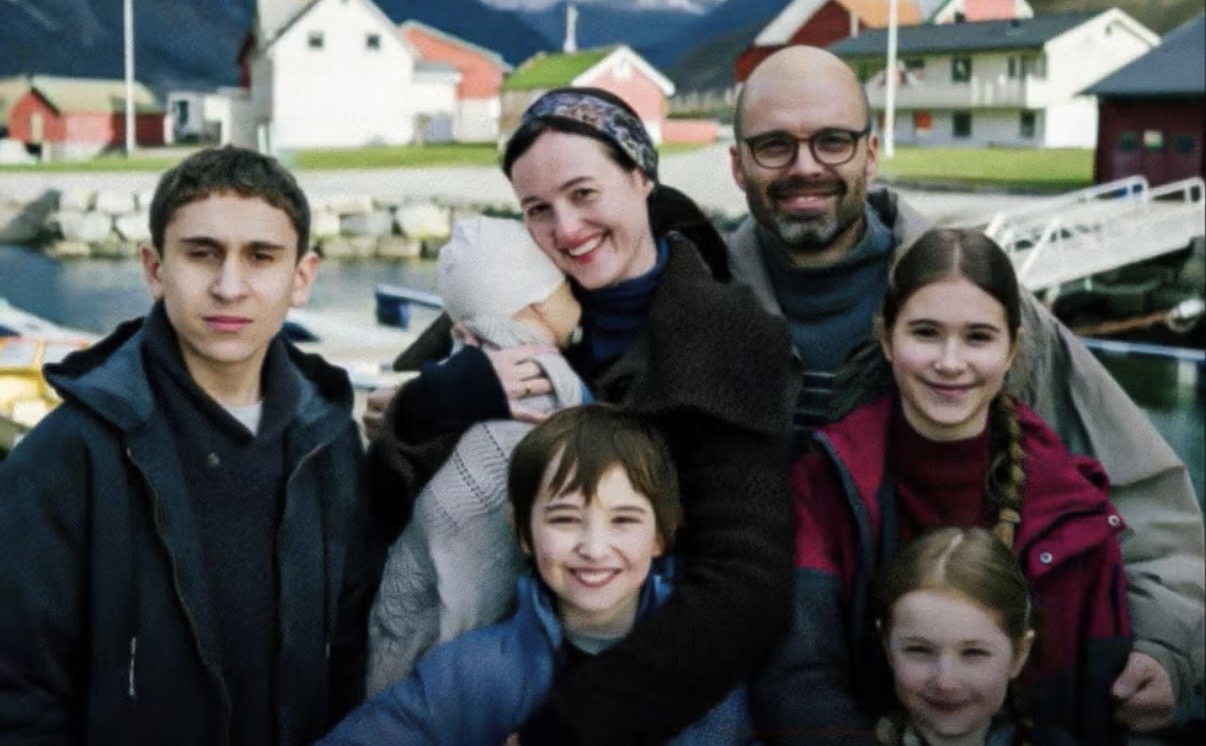
Cristian Mungiu, a director renowned for his incisive social dramas, presents Fjord, starring Renate Reinsve and Sebastian Stan as a couple with five children who relocate to a remote Norwegian fjord town. The seemingly tranquil life they seek is soon disrupted when their family finds themselves in ideological conflict with two neighboring families. Mungiu’s films often meticulously dissect societal tensions and the complexities of human relationships, and Fjord is anticipated to offer a nuanced examination of cultural clashes and the pressures that can fracture even the most seemingly idyllic communities. The director’s ability to create richly drawn characters and explore profound thematic undercurrents makes this a highly anticipated selection.
4. Paper Tiger
Director: James Gray
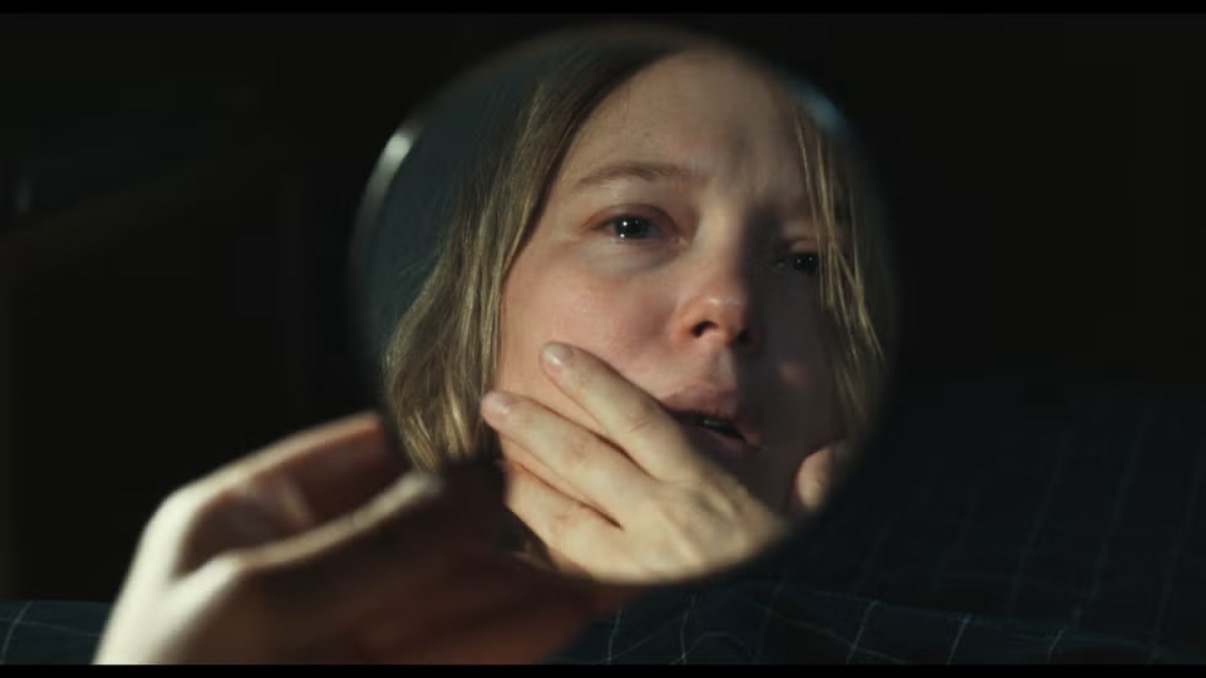
James Gray’s Paper Tiger is a highly anticipated crime thriller that casts Adam Driver and Miles Teller as two brothers striving to achieve the American Dream, only to find themselves entangled with the Russian mafia. Scarlett Johansson also stars in this project, which is already generating significant buzz as a strong contender for the Palme d’Or. Gray is known for his atmospheric and character-driven narratives, and this foray into the crime genre, set against the backdrop of ambition and peril, promises a compelling exploration of moral compromise and the dark side of aspiration. The confluence of a talented cast and a director with a proven track record in crafting gripping dramas suggests Paper Tiger will be a significant cinematic event.
5. The Unknown
Director: Arthur Harari
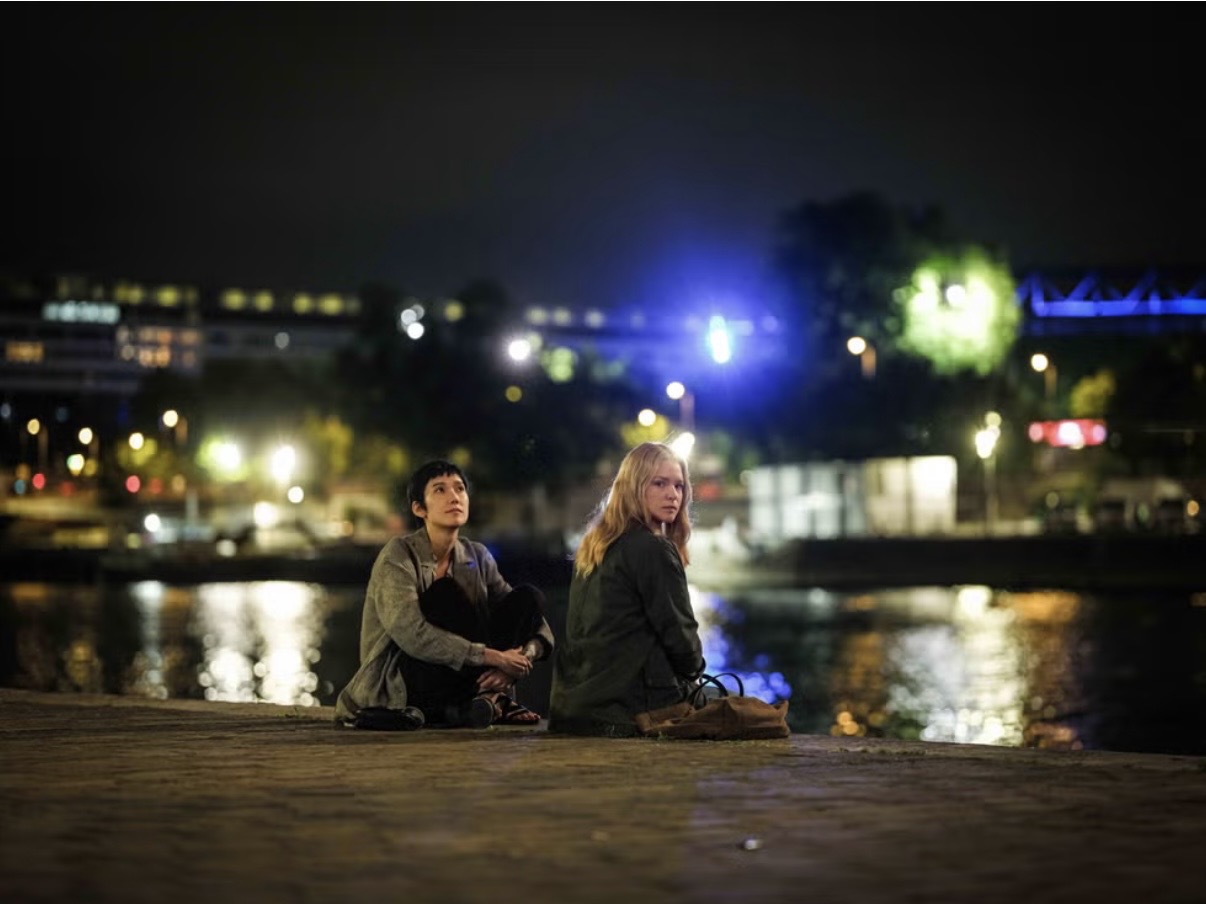
Based on a graphic novel by Harari himself, The Unknown features Léa Seydoux in a captivating psychological fantasy. The film explores the surreal experience of a photographer who awakens in the body of the woman he loves. This premise allows for a deep dive into themes of identity, perception, and the fluid nature of reality, offering Seydoux a challenging role that showcases her versatility. Harari’s directorial style is expected to imbue the narrative with a dreamlike quality, blurring the lines between the internal and external worlds of his protagonist.
6. Ben’Imana
Director: Marie-Clémentine Dusabejambo
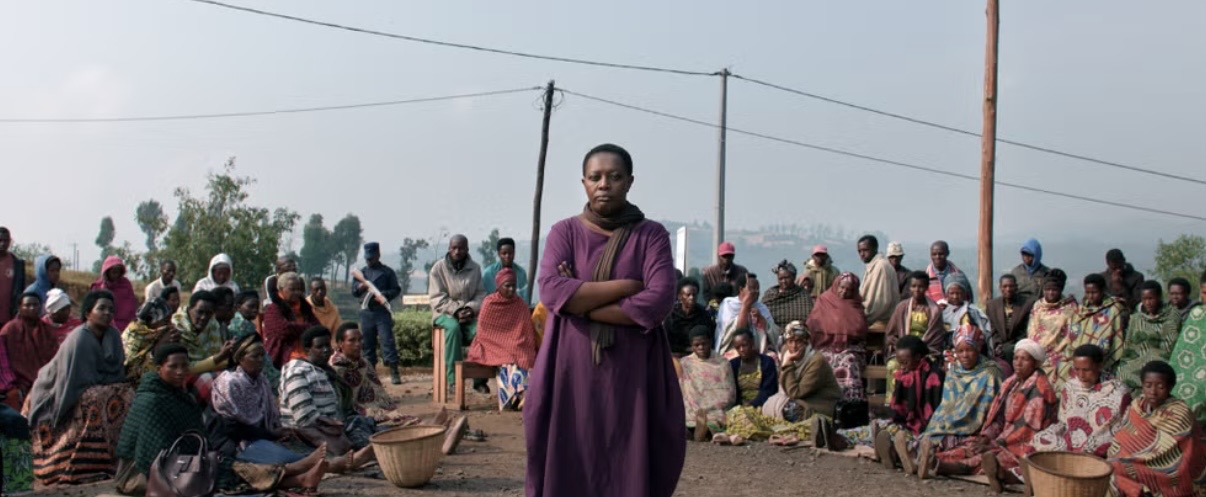
Marking a historic moment for Rwandan cinema, Ben’Imana is the first film from the country to be selected for the Official Selection at Cannes. Directed by Marie-Clémentine Dusabejambo, the film powerfully addresses the intergenerational trauma stemming from the 1994 genocide. This emotional narrative promises a poignant exploration of justice, family, and the arduous journey toward healing. The film’s inclusion signifies a growing global recognition of diverse cinematic voices and their capacity to shed light on critical historical events and their lasting human impact.
7. Her Private Hell
Director: Nicolas Winding Refn
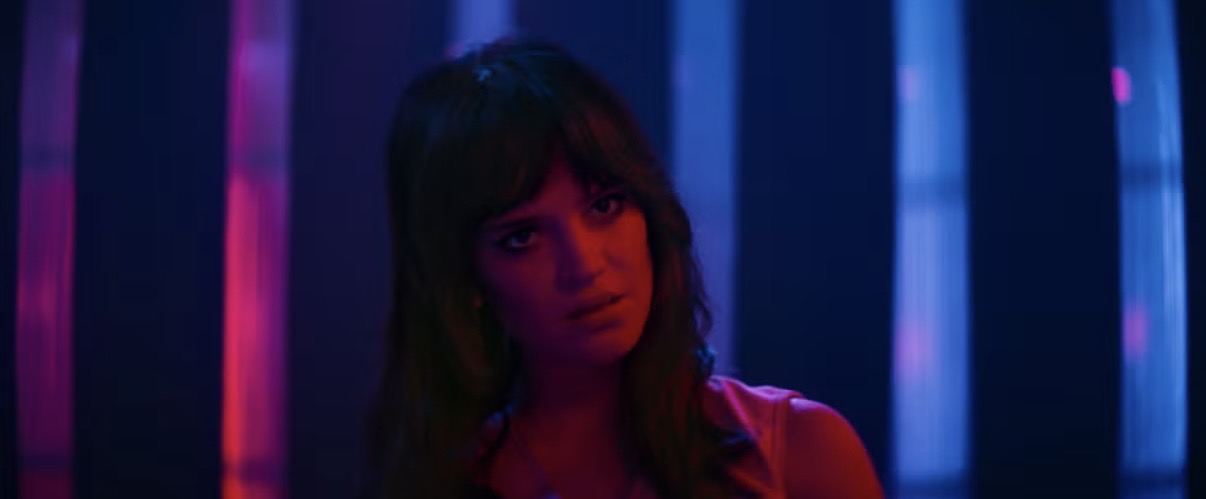
After a decade-long hiatus from the festival circuit, Nicolas Winding Refn returns with Her Private Hell, a futuristic horror film set in the neon-drenched landscape of Tokyo. Starring Sophie Thatcher in a leading role, alongside Charles Melton and Kristine Froseth, the film is expected to embody Refn’s distinctive stylistic signatures: visceral atmosphere, heightened tension, and a bold exploration of darker human impulses. Refn’s previous works, such as Drive and Only God Forgives, have garnered both critical acclaim and cult followings, and Her Private Hell is poised to continue his reputation for creating challenging and visually arresting cinematic experiences.
8. Roma elastica
Director: Bertrand Mandico

Marion Cotillard graces the screen in Bertrand Mandico’s Roma elastica, a surreal film set in 1980s Rome. The movie is described as an eccentric tribute to the masters of Italian cinema, suggesting a visually rich and thematically ambitious work that plays with cinematic history and artistic homage. Mandico’s reputation for unconventional filmmaking and his exploration of unique visual aesthetics make this a film likely to spark debate and captivate audiences with its artistic audacity. The backdrop of Rome during a vibrant cinematic era provides a fertile ground for Mandico’s distinctive vision.
9. All of a Sudden
Director: Ryusuke Hamaguchi
Ryusuke Hamaguchi, whose Drive My Car garnered significant international acclaim, returns with All of a Sudden. This three-hour drama chronicles an unexpected friendship between a nursing home director and a screenwriter facing a terminal illness. The film is anticipated to be an intimate and emotionally resonant drama, showcasing Hamaguchi’s talent for crafting profound human connections and exploring the complexities of life and mortality with delicate precision. His previous work has been praised for its sensitive portrayal of characters and their internal struggles, making this a highly anticipated addition to his filmography.
10. Gentle Monster
Director: Marie Kreutzer
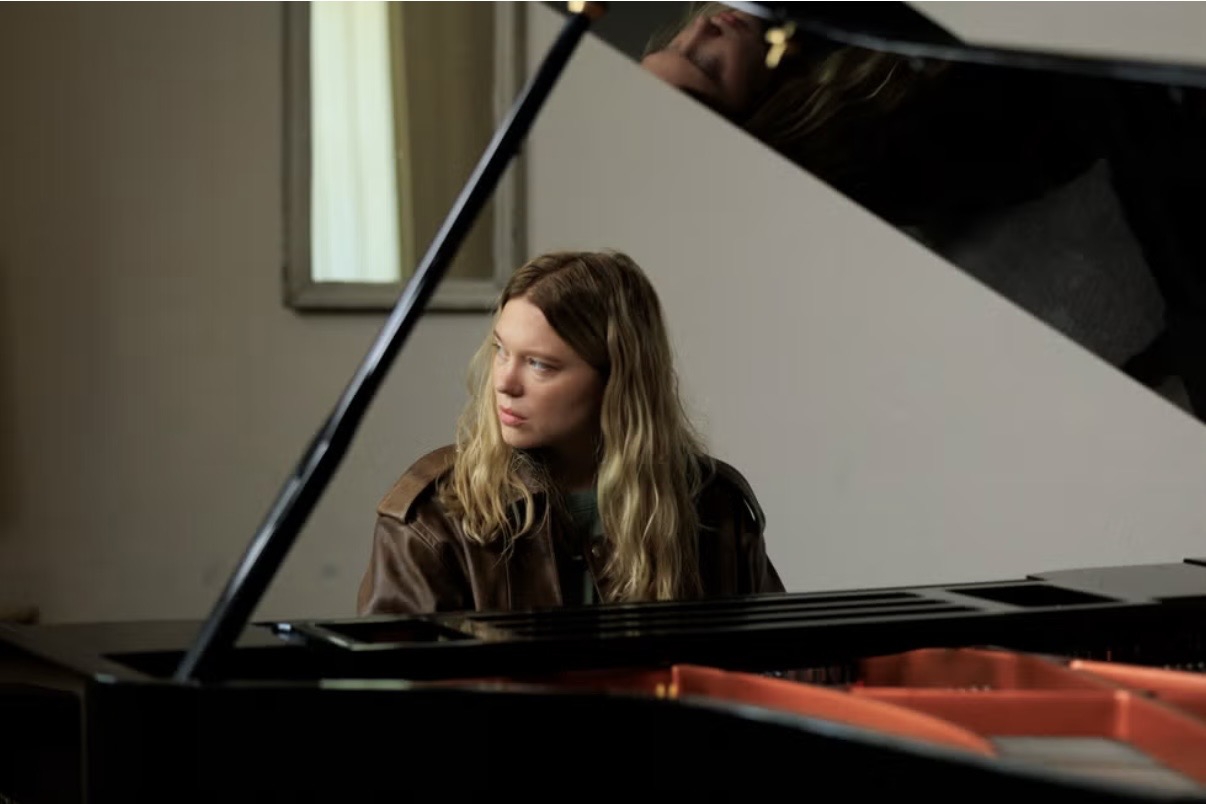
Léa Seydoux makes another appearance on the festival circuit with Marie Kreutzer’s Gentle Monster. Seydoux portrays a talented pianist who sacrifices her career for her family. The film delves into the emotional dynamics of women navigating the darker aspects of the men in their lives, offering a potentially insightful and complex examination of sacrifice, ambition, and personal agency. Kreutzer’s previous film, Corsage, received critical praise for its feminist reinterpretation of historical figures, suggesting Gentle Monster will offer a similarly compelling and nuanced perspective.
11. Full Phil
Director: Quentin Dupieux
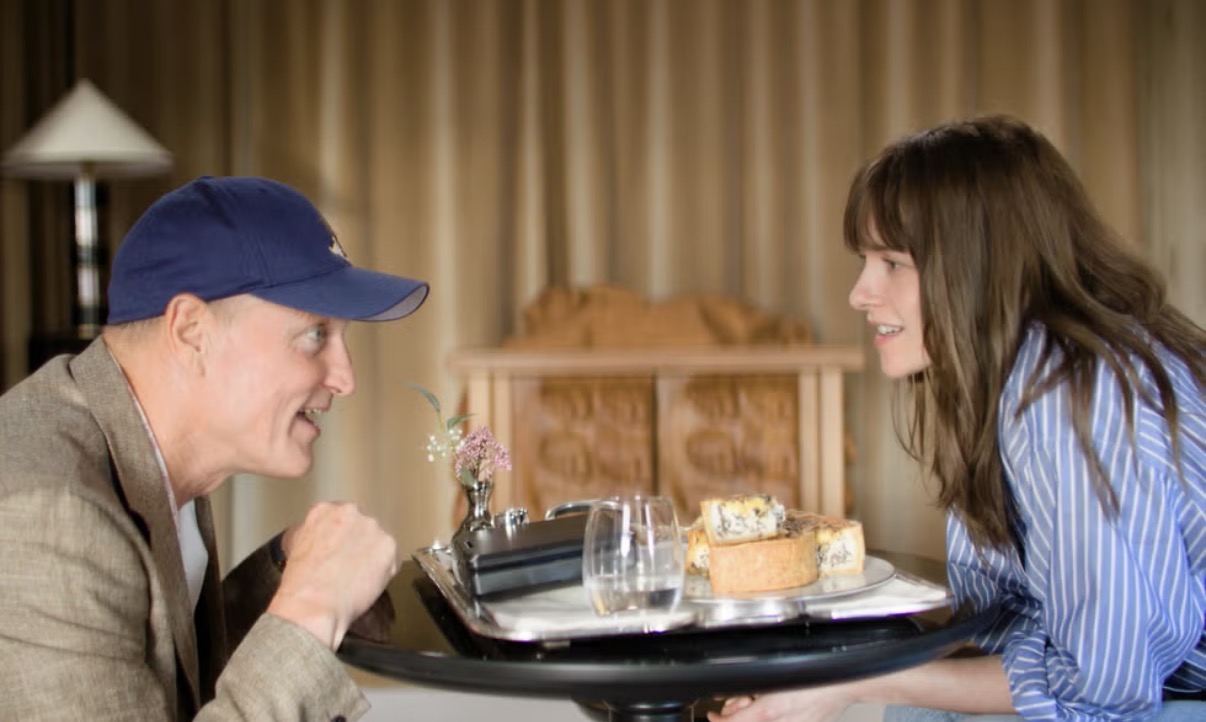
Quentin Dupieux, known for his absurdist and often surreal comedies, presents Full Phil, starring Kristen Stewart and Woody Harrelson as a father and son attempting to mend their fractured relationship during a lavish Paris vacation. What begins as a reconciliation trip descends into a chaotic and absurd misadventure. Dupieux’s unique brand of humor and his ability to subvert expectations promise a film that is both hilariously bizarre and surprisingly insightful, exploring familial dysfunction through a distinctively unconventional lens.
12. The Man I Love
Director: Ira Sachs
Rami Malek takes on the role of a prominent New York theater star in the 1980s who is diagnosed with AIDS at the peak of his career in Ira Sachs’ The Man I Love. This film is poised to be a poignant exploration of love, art, and the resilience of the human spirit in the face of devastating adversity. Sachs is known for his intimate and character-driven narratives, and this story of artistic ambition and personal tragedy is expected to be a deeply moving and impactful cinematic experience. The film’s setting in a pivotal era for LGBTQ+ rights and the ongoing AIDS epidemic adds a layer of historical significance.
13. Fatherland
Director: Paweł Pawlikowski
Sandra Hüller stars in Paweł Pawlikowski’s Fatherland, a drama set in post-World War II Germany that focuses on a father-son relationship. Pawlikowski, the acclaimed director of Cold War and Ida, has a reputation for crafting visually stunning and emotionally resonant films that explore complex historical and personal themes. Fatherland has already begun to generate Oscar buzz, a testament to the director’s established ability to create award-worthy cinema. The film’s setting and subject matter suggest a profound examination of guilt, memory, and the challenges of rebuilding lives in the aftermath of conflict.
14. Parallel Tales
Director: Asghar Farhadi

With an ensemble cast featuring Isabelle Huppert, Vincent Cassel, and Catherine Deneuve, Asghar Farhadi’s Parallel Tales promises a masterclass in psychological tension and metatextual narrative, hallmarks of the acclaimed Iranian director’s work. Farhadi is renowned for his ability to craft intricate plots that explore moral ambiguity and the complexities of human relationships, often set against the backdrop of social and cultural divides. The participation of such esteemed French actors suggests a sophisticated exploration of themes deeply rooted in French cinema and culture, while retaining Farhadi’s signature ability to create suspense and profound character studies.
The Cannes Film Festival, beyond its role as a showcase for cinematic artistry, functions as a vital economic engine for the film industry. It is where major distribution deals are struck, where independent filmmakers seek crucial funding, and where the global cinematic conversation is shaped for the year ahead. The presence of the Badan Perfilman Indonesia (Indonesian Film Agency) at Cannes for the first time in its history, as noted in a related article, signifies a growing international ambition for Indonesian cinema, aiming to carve out a significant space on the global stage. This inclusion is part of a broader trend of emerging film industries seeking greater visibility and market access, underscoring Cannes’ role as a global marketplace as much as a cultural event.
The festival’s influence extends far beyond the red carpet and the awards ceremonies. The films that premiere at Cannes often set trends in filmmaking, influence audience tastes, and spark important cultural discussions. The meticulous curation of the program by festival director Thierry Frémaux and his team ensures that Cannes remains at the forefront of cinematic innovation and artistic exploration, reflecting the diverse and ever-evolving landscape of global filmmaking. The anticipation surrounding each selection, and the subsequent critical reception, often dictates a film’s trajectory through the awards season and its ultimate impact on the cultural zeitgeist. As the 79th edition concludes, the echoes of its premieres will undoubtedly resonate throughout the cinematic world, shaping the films we see and the stories that are told in the years to come.