Nasution Nanang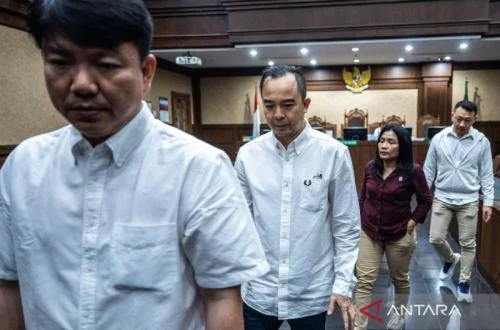
The Central Jakarta Corruption Court (Tipikor) is poised to deliver its verdict on Friday, July 10, 2026, in the complex bribery case implicating John Field, owner of Blueray Cargo, alongside two key associates, for allegedly bribing officials within the Directorate General of Customs and Excise of the Ministry of Finance. This eagerly anticipated decision marks the culmination of an extensive judicial process, following rigorous examinations of evidence and testimonies. The proceedings, which have garnered significant public and media attention due to the substantial sums involved and the high-ranking officials implicated, concluded their evidentiary phase on Monday, June 29, 2026, paving the way for the judicial panel’s final deliberation.
Presiding Judge Brelly Yuniar Dien officially closed the examination phase, confirming that all necessary stages of the trial had been meticulously completed. These stages encompassed the prosecution’s reading of the indictment and subsequent demands, the defense’s submission of their plea (pleidoi), the prosecution’s rebuttal to the defense’s plea (replik), and the final response from the defendants (duplik). The meticulous adherence to these procedural steps underscores the court’s commitment to a thorough and fair judicial process, ensuring all parties have ample opportunity to present their arguments and evidence before a definitive judgment is rendered. Judge Dien emphasized the necessity for the judicial panel to conduct a closed deliberation session, allowing them to comprehensively review the entire case file and all collected evidence. "The results will then be made public," she stated during the court session at the Tipikor Court in Central Jakarta. This period of closed deliberation is crucial for judges to weigh the evidence, consider legal arguments, and arrive at a consensus verdict that aligns with the principles of justice and the rule of law.
The Defendants and Allegations of Systemic Bribery
The upcoming verdict will not only address the culpability of John Field, the alleged mastermind and owner of Blueray Cargo, but also that of his two co-defendants: Dedy Kurniawan, the Operational Manager of Custom Clearance at Blueray Cargo Port, and Andri, the Head of Importation Documentation Team for Blueray Cargo. The three individuals stand accused of orchestrating a widespread scheme to illicitly influence customs procedures, specifically targeting the expedited release of imported goods belonging to the Blueray Cargo Group from customs supervision. This alleged conspiracy, spanning the period between 2025 and 2026, points to a sophisticated operation designed to circumvent standard regulatory protocols for financial gain.
The prosecution has painted a vivid picture of the alleged bribery mechanism, detailing a combination of cash payments, luxury goods, and entertainment facilities extended to various officials within the Directorate General of Customs and Excise. John Field, identified as the primary instigator, faces a demand for a three-year prison sentence and a fine of Rp300 million, with a subsidiary sentence of 100 days imprisonment should the fine not be paid. The prosecution contends that Field, in concert with Kurniawan and Andri, systematically provided these inducements to secure preferential treatment and accelerate the clearance of their company’s shipments. This demand reflects the prosecution’s belief in the severity of Field’s role in the alleged corruption network.
Dedy Kurniawan and Andri, the two co-defendants, face slightly lesser but still significant demands from the prosecution. Each has been sought a prison sentence of two years and six months, coupled with a fine of Rp200 million, with a subsidiary sentence of 80 days imprisonment. Their alleged roles, while seemingly subordinate to Field’s, are deemed crucial in the execution of the bribery scheme, particularly in managing the operational and documentation aspects of the illicit transactions. The differentiation in sentencing demands suggests the prosecution’s assessment of their varying degrees of involvement and responsibility within the alleged criminal enterprise.
The Scale and Specifics of the Alleged Bribes
The indictment against the three defendants meticulously details the staggering total value of the alleged bribes, which reportedly reached Rp63.15 billion. This colossal sum underscores the perceived scale of the corruption and the potential financial benefits Blueray Cargo Group sought to obtain through these illicit means. The prosecution’s breakdown of the bribes offers critical insights into the modus operandi of the alleged scheme:
- Cash Payments: A significant portion of the bribe, amounting to Rp61.3 billion, was allegedly delivered in Singapore Dollars (SGD). The use of foreign currency, particularly one commonly associated with regional trade and financial transactions, suggests an attempt to obscure the trail of the illicit funds and complicate investigations. The large aggregate amount points to a sustained pattern of payments rather than isolated incidents, indicating a deeply entrenched system of corruption.
- Luxury Goods and Entertainment Facilities: Beyond cash, the defendants are accused of providing non-monetary inducements valued at Rp1.85 billion. This category includes a range of lavish gifts and services designed to curry favor and maintain influence with the targeted customs officials. Specific examples cited in the indictment provide concrete illustrations of these alleged gratifications:
- Entertainment Facilities: Valued at Rp1.45 billion, these likely encompassed expensive outings, travel, or other forms of hospitality intended to build personal relationships and loyalty.
- Luxury Watch: A Tag Heuer watch, valued at Rp65 million, was allegedly given to Orlando Hamonangan, one of the implicated customs officials. Such gifts often serve as a tangible symbol of illicit exchange, cementing agreements and loyalty.
- Luxury Vehicle: A Mazda CX-5 automobile, valued at Rp330 million, was allegedly provided to Enov Puji, another customs official. The provision of a high-value asset like a car suggests a deeper level of engagement in the bribery scheme and a significant reward for sustained cooperation.
These detailed descriptions of the alleged bribes highlight the multifaceted nature of the corruption, combining direct financial incentives with personal gratifications, all aimed at securing a competitive advantage in the highly regulated import sector.
Implicated Customs Officials and the Erosion of Trust
The indictment specifically names five officials from the Directorate General of Customs and Excise who allegedly received these substantial bribes: Rizal, Orlando Hamonangan, Fillar Marindra, Sisprian Subiaksono, and Enov Puji. The implication of multiple officials across various ranks within a critical government agency raises serious questions about the integrity of the customs system and the effectiveness of existing oversight mechanisms. While the current trial focuses on the alleged bribe-givers from Blueray Cargo, the future actions regarding these named officials will be crucial in demonstrating the government’s commitment to tackling corruption from both sides of the transaction. The alleged acceptance of bribes, particularly the repeated payments in Singapore Dollars and the luxury items, suggests a significant breach of public trust and a potential compromise of national economic security.
The alleged purpose of these elaborate bribes—to facilitate the acceleration of import goods clearance—strikes at the heart of fair trade and regulatory compliance. Customs procedures are designed to ensure that goods entering the country meet legal standards, tariffs are properly collected, and prohibited items are intercepted. When these processes are circumvented through bribery, it creates an uneven playing field for legitimate businesses, leads to revenue loss for the state, and potentially allows the entry of illicit or substandard goods. The seven instances of Singapore Dollar payments mentioned in the indictment further suggest a systematic and ongoing arrangement rather than isolated corrupt acts, indicating a potentially embedded network of corruption within certain segments of the customs apparatus.
Legal Framework and the Fight Against Corruption
The charges against John Field, Dedy Kurniawan, and Andri are rooted in a robust legal framework designed to combat corruption in Indonesia. Specifically, they face prosecution under Article 605 paragraph (1) letter a or Article 606 paragraph (1) juncto Article 20 letter c jo. Article 126 paragraph (1) of the National Criminal Code (KUHP Nasional) jo. Article VII numbers 48-49 of the Law on Criminal Adjustments. These articles collectively address various facets of bribery and corruption, including the act of giving bribes, the involvement of multiple parties in a criminal act, and potentially corporate liability or adjustments related to specific corruption offenses. The comprehensive nature of the charges reflects the prosecution’s intent to hold the defendants fully accountable under the full extent of Indonesian anti-corruption laws.
Indonesia has made significant strides in strengthening its legal and institutional framework to combat corruption, notably through the establishment of specialized anti-corruption courts like Tipikor and the creation of independent bodies such as the Corruption Eradication Commission (KPK). These institutions play a vital role in investigating, prosecuting, and punishing corrupt practices that undermine governance and economic development. The Blueray Cargo case, tried at the Tipikor Court, serves as another testament to the ongoing efforts to enforce these laws and ensure that those who engage in corrupt activities are brought to justice.
Broader Context: Corruption in Logistics and Customs
The case against Blueray Cargo is not an isolated incident but rather highlights a persistent challenge within Indonesia’s logistics and customs sectors. These sectors are inherently vulnerable to corruption due to several factors:
- Complex Regulations: The intricate web of import-export regulations, tariffs, and permits can create opportunities for rent-seeking and illicit facilitation.
- High Stakes: For businesses, delays in customs clearance can result in significant financial losses, making them susceptible to pressure for "expedited services" through illegal means.
- Discretionary Powers: Customs officials often hold considerable discretionary power, which, if unchecked, can be exploited for personal gain.
Corruption in customs has far-reaching economic consequences. It inflates logistics costs, which are already a significant component of business expenses in Indonesia, thereby reducing the competitiveness of local industries. It deters foreign direct investment by creating an unpredictable and unfair business environment. Moreover, it leads to substantial revenue leakage for the state, as proper tariffs and taxes are evaded. Transparency International’s Corruption Perception Index consistently points to the need for continued reforms in public service delivery and enforcement in Indonesia to tackle such issues effectively. While Indonesia has shown progress in improving its score on the index, challenges in sectors like customs and procurement remain, underscoring the ongoing necessity for vigilance and reform.
Impact and Implications
The verdict in the Blueray Cargo bribery case is expected to carry significant implications, irrespective of the outcome.
- For Blueray Cargo and its Owners: A guilty verdict would not only entail severe legal penalties for John Field and his associates but could also lead to significant reputational damage and financial repercussions for the company. It might trigger further investigations into the company’s past operations and its compliance practices by regulatory bodies, potentially leading to license suspensions or revocation, and a substantial loss of business.
- For the Directorate General of Customs and Excise: The case places a spotlight on the internal integrity of the customs agency. Regardless of the outcome of the specific trial against the bribe-givers, the allegations themselves necessitate a robust internal response. This could include further internal investigations into the implicated officials, strengthening of oversight mechanisms, implementation of stricter anti-corruption training, and enhanced whistleblower protection programs. A failure to address perceived corruption risks could erode public trust and undermine the agency’s credibility, impacting its ability to effectively collect state revenue and regulate trade.
- For Indonesia’s Anti-Corruption Efforts: A decisive verdict, particularly one that delivers appropriate punishment, would reinforce the message that corruption will not be tolerated. It would serve as a strong deterrent to other individuals and corporations contemplating similar illicit activities. Conversely, a perceived lenient outcome could embolden corrupt actors and dampen public confidence in the judicial system’s ability to tackle sophisticated corruption schemes, potentially setting back years of anti-corruption campaigning.
- For the Business Environment: The case underscores the importance of ethical business practices and the risks associated with engaging in bribery. It serves as a stark reminder to companies operating in Indonesia about the legal and reputational costs of attempting to gain an unfair advantage through corruption. Promoting a clean business environment is crucial for attracting sustainable investment and fostering economic growth, as investors prioritize stability, transparency, and a level playing field.
Looking Ahead: The Significance of the Verdict
As the Central Jakarta Corruption Court prepares to deliver its judgment on July 10, 2026, all eyes will be on the outcome. The verdict will not only determine the fate of John Field, Dedy Kurniawan, and Andri but will also send a powerful message about the state of anti-corruption enforcement in Indonesia. It represents a critical juncture in the ongoing battle against systemic corruption that plagues various sectors of the economy. The thoroughness of the trial process, from the initial indictment to the final deliberations, reflects the gravity with which the Indonesian legal system approaches cases of this magnitude. Whatever the decision, it will undoubtedly shape perceptions of justice, accountability, and the future trajectory of anti-corruption efforts within the nation’s vital customs and logistics industries. The public and various stakeholders will be keenly observing whether the court’s decision upholds the principles of transparency and fairness, and effectively contributes to fostering a cleaner and more equitable business environment in Indonesia. The comprehensive nature of the investigation and the detailed evidence presented by the prosecution suggest that the court’s decision will be based on a thorough examination of the facts, aiming to deliver a just and impactful resolution to this high-profile case.