Nasution Nanang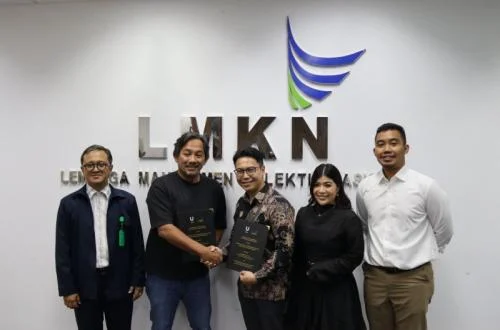
KUALA LUMPUR – Malaysia’s vibrant creative industry is on the cusp of a significant transformation, as prominent arts activists formally propose that the government assume direct control over the collection and distribution of music royalties, drawing inspiration from the successful implementation of Indonesia’s National Collective Management Organization (LMKN). This bold recommendation, put forth by the Malaysian Employees Association (Karyawan), signals a critical juncture for an industry long plagued by systemic issues of transparency, efficiency, and equitable distribution, and highlights a growing regional trend towards state intervention to safeguard artists’ rights and foster a more robust creative economy.
The proposal emerged from Karyawan’s Annual General Meeting, where members articulated a compelling case for government intervention to resolve persistent, chronic problems within the existing royalty management framework. Industry stakeholders, including artists, composers, lyricists, performers, producers, and record owners, have for years voiced profound dissatisfaction over the current system, which they contend is characterized by opaque processes, exorbitant administrative fees, and a fragmented collection structure. Freddie Fernandez, President of Karyawan, underscored the urgency of the matter in a statement released from Kuala Lumpur on Tuesday, asserting that Malaysia must emulate Indonesia’s approach, where similar challenges were effectively addressed through government oversight. "This resolution proposes that Malaysia follow the model adopted by Indonesia, where similar issues were once faced until the Indonesian government resolved them by taking over all royalty collection from the existing collecting bodies," Fernandez stated, emphasizing the need for decisive action.
The Malaysian Predicament: A Call for Reform and Transparency
For decades, the Malaysian music industry has grappled with a complex web of issues that impede fair compensation for creators. The current landscape is dominated by multiple Collective Management Organizations (CMOs), each responsible for different rights categories (e.g., performing rights, mechanical rights). While these organizations play a vital role, their fragmented operations often lead to inefficiencies, overlapping functions, and, crucially, a lack of unified transparency. Artists frequently report difficulties in tracking their earnings, understanding the deductions applied, and receiving timely payouts. The high administrative costs associated with maintaining multiple entities further diminish the net royalties distributed to rights holders, creating a cycle of frustration and distrust.
The financial scale of the issue in Malaysia is substantial. Annual public performance royalty collections alone hover around RM200 million, equivalent to approximately Rp878 billion. This considerable sum, if managed more efficiently and transparently, could significantly bolster the livelihoods of thousands of creative professionals across the nation. However, under the existing system, a substantial portion of these funds is absorbed by operational overheads and administrative complexities, leaving creators feeling shortchanged. The absence of a centralized, easily auditable system means that disputes between CMOs over rights ownership and usage data are common, further delaying distributions and eroding confidence within the industry. This environment, as Fernandez eloquently described, has fostered "poor royalty transparency, high administrative costs, fragmented collection structures, and disputes between collective management organizations," leading to widespread discontent among all stakeholders. The sentiment among creators is clear: the current system is not fit for purpose in the digital age and requires a fundamental overhaul to ensure equity and accountability.
Indonesia’s Blueprint: LMKN as a Benchmark for Efficient Governance
Indonesia’s journey to reform its music royalty collection system serves as a compelling precedent for Malaysia. Prior to the establishment of the National Collective Management Organization (LMKN), the Indonesian music industry faced a similar quagmire of disorganization, lack of transparency, and persistent complaints from artists regarding unpaid or underpaid royalties. Multiple CMOs operated independently, leading to inefficiencies, duplication of efforts, and a lack of consolidated data on music usage and rights ownership. This fractured system made it incredibly challenging for rights holders to monitor their intellectual property and receive fair compensation.
Recognizing the urgent need for a more robust and equitable framework, the Indonesian government, through Presidential Regulation No. 136 of 2015, established LMKN, which became operational in 2016. LMKN was mandated to streamline the collection and distribution of public performance royalties (performing rights) for both creators (through Lembaga Manajemen Kolektif Pencipta or LMKN-P) and related rights holders (through Lembaga Manajemen Kolektif Hak Terkait or LMKN-HT). This governmental intervention effectively consolidated the fragmented collection efforts under a single, overarching body, bringing a level of consistency, accountability, and transparency previously unseen in the Indonesian music industry.
LMKN’s primary functions include collecting royalties from various users (e.g., broadcasters, venues, hotels, restaurants), managing a comprehensive database of registered works and rights holders, and ensuring the accurate and timely distribution of collected funds. The establishment of LMKN was a direct response to the shortcomings of the previous system, which was perceived as inefficient and prone to mismanagement. By centralizing the collection process, LMKN has been able to reduce administrative overheads, enhance data accuracy, and provide a clearer audit trail for royalty payments. This model, according to Freddie Fernandez, demonstrates a proven pathway to resolving the very issues currently plaguing Malaysia’s creative sector, making LMKN a vital benchmark for transparency and efficiency in royalty management.
A Proposed Digital Revolution: Centralized Platform for Modern Royalty Management
Beyond merely adopting a government-led collection model, Malaysian arts activists are advocating for a forward-thinking digital solution: a centralized, government-led digital royalty management platform. This proposed platform would serve as the national backbone for the entire music rights ecosystem, from registration and tracking to calculation and distribution. Such a system is envisioned to act as a comprehensive national music rights library, meticulously documenting every musical work, sound recording, ownership structure, licensing history, usage report, collected amount, and distribution payment.
Freddie Fernandez elaborated on the transformative potential of this digital infrastructure. "The proposed platform will serve as a national music rights library and government-managed royalty distribution system, where every musical work, sound recording, rights ownership structure, licensing track record, usage report, collection amount, and distribution payment is recorded, verified, and auditable," he explained. This level of granular data management would ensure that every song played is automatically matched with the correct rights holder, with royalties calculated and distributed based on verified ownership data and actual usage. This integrated system is expected to drastically minimize administrative overlaps, enhance accuracy, and provide an irrefutable audit trail for all stakeholders, thereby eradicating the ambiguities and disputes that currently plague the industry.
The proposed digital platform is not merely an upgrade; it represents a fundamental paradigm shift towards a more transparent, efficient, and future-proof royalty management system. In an increasingly digital world where music consumption is diverse and global, a robust technological solution is indispensable. Furthermore, Fernandez highlighted an unexpected, yet critical, benefit of such a system: its potential to help manage and control the burgeoning use of Artificial Intelligence (AI) in music creation. With AI-generated music posing new challenges for copyright and royalty attribution, a centralized, verifiable database would provide a crucial mechanism for tracking and regulating its usage, preventing potential future complications and ensuring fair compensation for human creators in a rapidly evolving landscape.
Stakeholder Perspectives and Potential Reactions
The proposal for government takeover and a centralized digital platform is likely to elicit varied reactions from key stakeholders within Malaysia’s music industry.
- Malaysian Government: While there has been no immediate official response, the government is likely to approach such a significant proposal with caution, necessitating thorough feasibility studies and consultations. However, given the existing "Garis Panduan Hak Cipta (Organisasi Manajemen Kolektif) 2025" (Copyright Guidelines for Collective Management Organizations 2025), which aims to strengthen governance, transparency, record-keeping, reporting, accountability, and fair royalty distribution, Karyawan’s proposal aligns well with the stated policy direction. This alignment could provide a strong impetus for the government to seriously consider the recommendations, viewing them as a means to achieve its own policy objectives for the creative sector.
- Existing Collective Management Organizations (CMOs): Current CMOs in Malaysia might express concerns regarding their operational future, potential job losses, and the impact on their established infrastructure and expertise. They may argue for internal reforms and stricter government oversight of existing structures rather than a complete government takeover. Their primary contention might revolve around the principle of self-governance within the industry, arguing that CMOs, as non-profit organizations representing rights holders, are best positioned to manage these affairs, rather than a bureaucratic government body.
- Artists and Rights Holders: The vast majority of artists, composers, lyricists, and other rights holders are expected to welcome the proposal with enthusiasm. Their long-standing grievances regarding transparency and fair compensation make a government-backed, transparent system highly appealing. The promise of reduced administrative costs and more efficient distribution could translate into significantly higher payouts, directly impacting their economic stability and ability to pursue their creative careers.
- Music Industry Bodies (Labels, Broadcasters, Venues): Major record labels and music publishers might view the proposal favorably if it promises greater efficiency and clarity in licensing and royalty payments. Broadcasters and venue operators, who are significant users of music, could benefit from a streamlined, single-point licensing system, reducing the administrative burden of dealing with multiple CMOs. However, they might also scrutinize the proposed fee structures and the potential for government bureaucracy to slow down processes.
Challenges and Opportunities for Implementation
Implementing such a sweeping reform presents both significant challenges and immense opportunities for Malaysia.
-
Challenges:
- Legal Framework: Amending existing copyright laws and regulations to facilitate a government takeover and the creation of a new centralized entity will be a complex legislative undertaking.
- Financial Investment: Developing and implementing a sophisticated digital platform will require substantial upfront investment in technology, infrastructure, and human resources.
- Resistance from Incumbents: Overcoming resistance from existing CMOs, who have vested interests and established operations, will require careful negotiation and potentially a phased transition strategy.
- Data Migration and Harmonization: Consolidating disparate databases from various CMOs into a single, harmonized national registry will be a monumental task, requiring meticulous data cleansing and validation.
- Governance and Bureaucracy: Ensuring that a government-led entity remains agile, efficient, and free from bureaucratic inertia will be critical to its success, avoiding the very issues it aims to solve.
- Industry Buy-in: Securing broad consensus and active participation from all segments of the music industry—from independent artists to major labels—is essential for the long-term viability of the new system.
-
Opportunities:
- Enhanced Transparency and Accountability: A centralized, digital platform would provide unprecedented transparency, allowing rights holders to track their royalties with ease and confidence.
- Increased Efficiency: Streamlining collection and distribution processes would reduce administrative overheads, leading to higher net payouts for creators.
- Economic Empowerment for Artists: A fairer and more efficient system would directly benefit artists, providing them with more stable income and fostering greater investment in creative endeavors, thus stimulating the creative economy.
- Data-Driven Policy Making: The rich data collected by a centralized platform could inform future cultural policies, market analysis, and economic development strategies for the creative sector.
- Regional Leadership: By successfully implementing this model, Malaysia could emerge as a regional leader in intellectual property management, setting a precedent for other ASEAN nations facing similar challenges.
- Future-Proofing the Industry: The digital platform, especially with its potential for AI music management, positions Malaysia at the forefront of addressing emerging challenges in the global music landscape.
Broader Implications: A Regional Precedent?
Malaysia’s contemplation of Indonesia’s LMKN model holds broader implications for the Southeast Asian region. Many countries in ASEAN grapple with similar issues of fragmented royalty collection, lack of transparency, and inadequate compensation for creators. If Malaysia successfully adopts and implements a government-led, centralized digital system, it could establish a powerful regional precedent. This could encourage other nations to re-evaluate their own frameworks, fostering a more harmonized and efficient intellectual property rights management ecosystem across Southeast Asia. Such a development would not only strengthen the creative economies of individual nations but also promote cross-border collaboration and fair trade in musical works, elevating the status and economic contribution of artists throughout the region.
In conclusion, Karyawan’s proposal represents a critical juncture for Malaysia’s music industry. By drawing lessons from Indonesia’s LMKN success and embracing a modern, centralized digital platform, Malaysia has the opportunity to overcome long-standing systemic issues, empower its creators, and solidify its position as a vibrant hub for arts and culture. The path forward will require strong political will, collaborative efforts from all stakeholders, and a commitment to transparency and innovation. However, the potential rewards – a thriving, equitable, and globally competitive creative economy – are well worth the endeavor.