Eko Sulistyo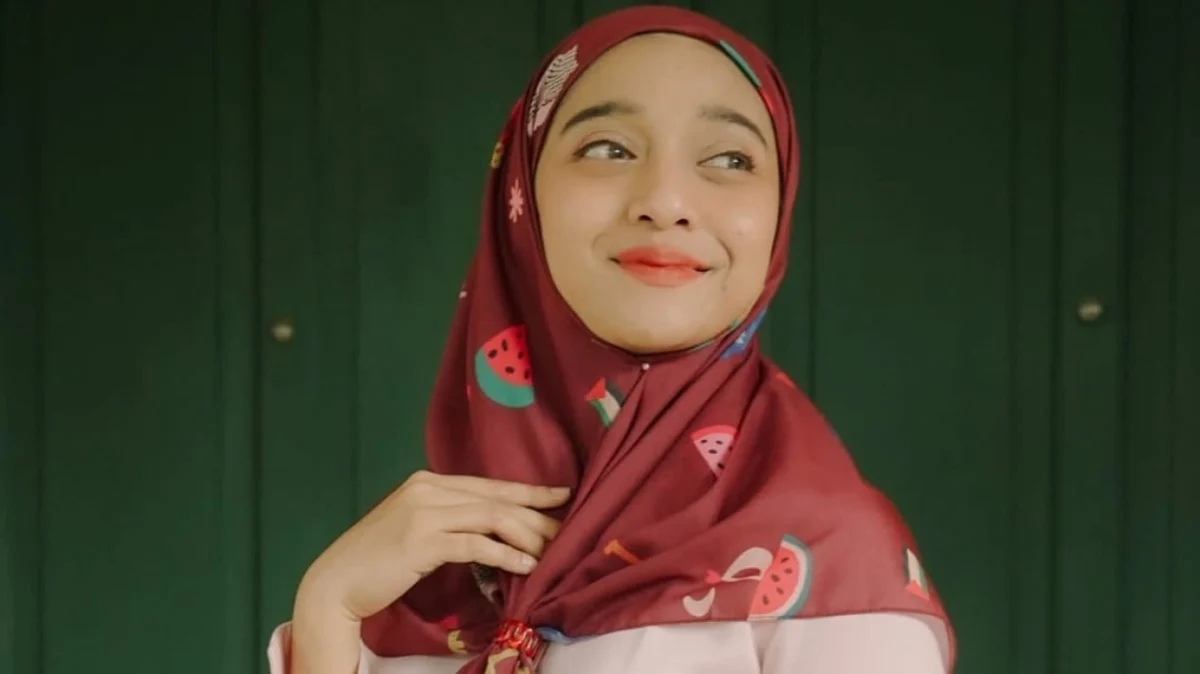
The return of Chiki Fawzi to Indonesian soil on Wednesday, May 27, 2026, marked the conclusion of a harrowing and emotionally charged chapter for one of the country’s most prominent families. The daughter of legendary Indonesian rock musician Ikang Fawzi arrived at Soekarno-Hatta International Airport following months of high-risk involvement in an international humanitarian mission aimed at delivering aid to the besieged Gaza Strip. Her homecoming was characterized by a deeply personal reunion with her father, occurring against a backdrop of increasing geopolitical friction in the Mediterranean and the ongoing detention of several of her colleagues by Israeli maritime forces.
The atmosphere at the terminal was thick with relief as Ikang Fawzi met his daughter directly upon her arrival. The veteran musician, who has been vocal about his concerns for Chiki’s safety throughout her deployment, reportedly embraced her in a long, silent moment that underscored the gravity of the mission she had just completed. According to Chiki, her father’s first words were a simple yet profound "Welcome home, Ade," a term of endearment that brought the reality of her safety into sharp focus after weeks of uncertainty in volatile international waters and foreign command centers.
A Mission of Solidary and Strategic Coordination
Chiki Fawzi’s involvement in the 2026 Gaza aid mission was part of a larger, coordinated effort by the Freedom Flotilla Coalition, an international body of NGOs and activists dedicated to challenging the blockade of the Gaza Strip. While Chiki has long been known for her artistic and musical pursuits, her transition into high-level humanitarian activism has seen her take on significant responsibilities within the movement.
Unlike previous missions where high-profile figures often played purely symbolic roles, Chiki was integrated into the operational heart of the mission. She was stationed primarily in Istanbul, Turkey, which served as the primary logistical hub and command center for the latest flotilla attempt. From this vantage point, she worked alongside senior coordinators, including the prominent activist Uni Maimun, to monitor the progress of aid vessels, manage international communications, and coordinate with the legal teams representing the volunteers on board the ships.
The mission involved a total of 11 core Indonesian personnel. While Chiki and Uni Maimun managed the command center operations, nine other Indonesian nationals were physically present on the aid vessels. These ships carried tons of medical supplies, construction materials, and food staples intended for a civilian population that has faced years of restricted access to basic necessities.
Confronting the Elements: The Perils of the Mediterranean
In her first public statements since returning, Chiki Fawzi provided a vivid account of the physical and psychological challenges faced by the volunteers. Surprisingly, she noted that the threat of military intervention, while constant, was not the primary source of her anxiety. Instead, she pointed to the raw, unpredictable power of the natural environment as the most terrifying aspect of the journey.
The Mediterranean Sea, particularly during the transition into the summer months, can produce extreme weather patterns characterized by sudden swells and high winds. Chiki described instances where the vessels encountered such severe conditions that the ships tilted at precarious angles, threatening the safety of everyone on board. To prevent being swept overboard during these episodes, volunteers were forced to use carabiners and safety harnesses to tether themselves to the ship’s structure.
"To be honest, I was more afraid of nature," Chiki remarked during a press briefing in South Jakarta. "In the Mediterranean, the ship can tilt so steeply that you have to secure yourself with a carabiner just to keep from falling into the sea. But when it comes to the military, I felt no such fear. We have to liberate our minds from the fear of the Israeli military to do this work."
This psychological resilience has become a hallmark of the Indonesian contingent in the Freedom Flotilla. Activists argue that the "fear of the blockade" is a tool used to discourage humanitarian aid, and by publicly de-emphasizing the threat of military force, they aim to embolden further international support for the Palestinian cause.
The Interception and Detention of Indonesian Volunteers
The mission took a critical turn when the flotilla was intercepted by the Israeli Defense Forces (IDF) in international waters. While Chiki was monitoring the situation from the Istanbul command center, she was tasked with documenting and reporting the moment contact was lost with the vessels.
According to reports from the coalition, the nine Indonesian volunteers on board the lead vessel were among those detained when Israeli naval commandos boarded the ship. The interception occurred approximately 70 nautical miles from the coast of Gaza, a distance that the coalition argues places the incident firmly within international waters, thereby constituting a violation of maritime law.
The detention of the nine Indonesians sparked an immediate diplomatic response from Jakarta. The Indonesian Ministry of Foreign Affairs (MoFA) issued a statement demanding the immediate release of its citizens and reiterating Indonesia’s unwavering support for the delivery of humanitarian aid to Gaza. The names of the detained individuals have not all been released to the public, pending notification of their families, but they are known to include seasoned humanitarian workers and medical professionals.
Chiki Fawzi’s role in Istanbul became even more vital during this period, as she served as a bridge between the families of the detained in Indonesia and the legal teams in Turkey and Israel working to secure their release. Her return to Indonesia suggests a transition in the mission’s phase, moving from active sea-bound operations to diplomatic and legal advocacy.
Background: Indonesia’s Long-Standing Commitment to Palestine
The involvement of figures like Chiki Fawzi is a reflection of Indonesia’s deep-seated geopolitical and cultural ties to the Palestinian cause. As the world’s most populous Muslim-majority nation, Indonesia has consistently positioned the independence of Palestine as a core tenet of its foreign policy. This stance is rooted in the preamble of the Indonesian Constitution, which calls for the eradication of colonialism globally.
Over the past two decades, Indonesian involvement has evolved from purely diplomatic statements to direct humanitarian intervention. Organizations such as MER-C (Medical Emergency Rescue Committee) and various local branches of international aid groups have established a permanent presence in the region, most notably through the construction of the Indonesia Hospital in Northern Gaza.
The 2026 mission follows a long line of previous attempts to break the maritime blockade, most notably the 2010 Mavi Marmara incident, which also involved several Indonesian activists. The continued participation of Indonesian citizens in these flotillas, despite the known risks of detention or physical harm, underscores the high level of public and governmental synergy on this issue.
Analysis of Implications for Indonesian Soft Power
The safe return of Chiki Fawzi and the ongoing situation regarding the nine detained volunteers have several implications for Indonesia’s role on the global stage. First, it reinforces Indonesia’s image as a leader in "humanitarian diplomacy." By allowing and supporting high-profile citizens to engage in these missions, Jakarta demonstrates a commitment to international law and human rights that resonates strongly with the Global South.
Second, the incident highlights the challenges of non-state actor involvement in conflict zones. While Chiki Fawzi and her colleagues operate as private citizens under the banner of NGOs, their actions inevitably draw the Indonesian government into direct diplomatic friction with Israel, a state with which Indonesia has no formal diplomatic relations. This "citizen diplomacy" provides a way for Indonesia to exert influence and show solidarity without the constraints of traditional state-to-state channels.
However, the mission also raises questions regarding the safety protocols and the legal protections afforded to humanitarian workers in disputed waters. The use of Istanbul as a command center highlights the growing importance of Turkey as a regional hub for Palestinian advocacy, further aligning Indonesian and Turkish foreign policy interests in the Middle East.
Future Outlook for the Freedom Flotilla and Aid Efforts
As Chiki Fawzi settles back into life in Jakarta, the focus of the humanitarian community remains on the nine Indonesians still in custody and the thousands of tons of aid that remain undelivered. The Freedom Flotilla Coalition has indicated that despite the interception, more ships are being prepared in various ports across Europe and the Middle East.
For Chiki, the mission appears to have been a transformative experience. Known previously for her work in animation and music, her emergence as a key figure in international humanitarian logistics suggests a new trajectory for her public life. Her ability to navigate the complexities of a command center in Istanbul while maintaining the composure to handle the emotional weight of the mission has earned her widespread respect within the activist community.
The Indonesian government is expected to continue its pressure through the United Nations and other international forums to ensure that humanitarian corridors to Gaza are opened and protected. The story of Chiki Fawzi’s return is not just a tale of a daughter coming home to her father, but a chapter in a much larger, ongoing narrative of international resistance, maritime bravery, and the persistent quest to deliver aid to one of the world’s most contested regions.
As of late May 2026, the diplomatic standoff regarding the detained volunteers continues, with Jakarta maintaining a firm stance on the illegality of the interception. The eyes of the nation remain on the Ministry of Foreign Affairs, hoping for a resolution as emotional and successful as the homecoming of Chiki Fawzi.