Nasution Nanang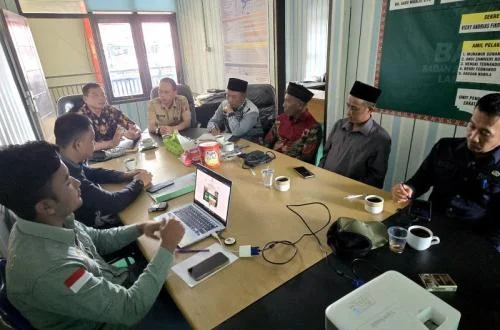
The Communication and Informatics Agency (Diskominfo) of Lampung Barat Regency, in a strategic collaboration with the National Amil Zakat Agency (BAZNAS) Lampung Barat, is embarking on a comprehensive initiative to bolster the visibility and accessibility of zakat programs by leveraging official websites and diverse social media platforms. This concerted effort is designed to significantly broaden the reach of information to the community, fostering greater transparency, trust, and participation in the collection and distribution of zakat, infaq, and shadaqah (ZIS). The partnership underscores a pivotal shift towards adaptive digital strategies in public service, aligning with the broader national agenda for e-governance and digital inclusion.
The Foundational Role of Zakat in Indonesian Society
Zakat, an obligatory charity in Islam, holds profound significance in Indonesia, a nation with the world’s largest Muslim population. It is not merely a religious duty but also a vital instrument for socio-economic justice and poverty alleviation. As one of the five pillars of Islam, zakat functions as a wealth redistribution mechanism, channeling resources from the affluent (muzakki) to those in need (mustahik). This principle is enshrined in Indonesian law, notably through Law No. 23/2011 concerning Zakat Management, which mandates the establishment of BAZNAS as the primary national body responsible for collecting and distributing zakat.
BAZNAS, operating at national, provincial, and regency/city levels, is tasked with maximizing the potential of zakat, infaq, and shadaqah (ZIS) to support government programs aimed at reducing poverty and enhancing community welfare. Historically, the management of zakat faced challenges related to public trust, transparency in financial reporting, and the efficiency of distribution. Many potential muzakki were hesitant to channel their zakat through official institutions due to a lack of clear information regarding the utilization of funds. Similarly, mustahik often faced difficulties in accessing assistance programs. Recognizing these persistent challenges, the strategic pivot towards digital platforms by BAZNAS Lampung Barat, supported by Diskominfo, represents a crucial step in overcoming these hurdles and realizing the full potential of zakat as a force for social good.
Embracing the Digital Age for Enhanced Outreach
Ansori, the Head of the Public Information Communication (KIP) Division at Diskominfo Lampung Barat, articulated the imperative of adapting information dissemination strategies to the rapidly evolving digital landscape. He emphasized that in this era of massive digital penetration, conventional methods of communication are no longer sufficient to ensure widespread and timely information delivery. "While a dedicated website remains crucial as a central data repository, the swift and extensive dissemination of information is far more effectively achieved through engaging content on various social media platforms," Ansori stated, highlighting the dual approach that integrates static data with dynamic outreach. This perspective underscores Diskominfo’s commitment to leveraging modern communication channels to bridge information gaps and connect more effectively with the Lampung Barat community.
Diskominfo has pledged its full commitment to supporting BAZNAS’s publication efforts. This support encompasses the technical aspects of content creation, including the development of engaging visual materials, informative articles, and compelling video narratives that explain zakat programs, their impact, and how individuals can participate. Furthermore, Diskominfo will coordinate the management and optimization of BAZNAS’s digital assets, ensuring that information is consistently updated, easily navigable, and compliant with best practices for digital accessibility. The agency’s expertise in digital communication is expected to significantly enhance the professional presentation and reach of BAZNAS’s messages, transforming how the public perceives and interacts with zakat initiatives.
BAZNAS’s Vision for Trust and Impact
Abdul Rosyid, the esteemed Chairman of BAZNAS Lampung Barat, elucidated the agency’s overarching goal: to evolve into a robust and highly trusted institution for zakat management. He stressed that achieving this status is paramount to maximizing the collection of ZIS, which, in turn, directly contributes to the government’s strategic objectives of poverty alleviation and the upliftment of community welfare. Rosyid underscored the critical importance of transparent and widespread program publication to prevent misunderstandings within the community. Misinformation or a lack of clear communication can erode public trust, diminishing the willingness of muzakki to contribute and making it harder for mustahik to benefit from available programs.
The recent pivotal meeting between Diskominfo and BAZNAS Lampung Barat served as a crucial forum for aligning perceptions and developing a unified strategy for the integrated dissemination of information. This collaborative approach is designed to ensure that all communication efforts are coherent, consistent, and mutually reinforcing, projecting a clear and trustworthy image of zakat management in the regency. Rosyid also expressed a significant aspiration for the integration of the BAZNAS website with the official website of the Lampung Barat Regency Government (Pemkab). While BAZNAS Lampung Barat already maintains a website affiliated with the national and provincial BAZNAS networks, direct integration with the Pemkab website would dramatically improve accessibility for the general public. "We sincerely hope that Diskominfo can facilitate this integration of the BAZNAS website with the Pemkab platform," Rosyid appealed, recognizing that such a move would create a single, authoritative portal for public services and information, thereby making it significantly easier for residents to find and engage with zakat programs.
Chronology and Strategic Implementation
The current initiative builds upon a broader trend of digital transformation within Indonesian public administration. The discussions between Diskominfo and BAZNAS did not emerge in a vacuum but are a response to several converging factors: the increasing digital literacy of the population, the government’s push for e-governance, and the recognized need for BAZNAS to enhance its operational efficiency and public engagement.
- Initial Assessment (Early 2023 – Ongoing): BAZNAS Lampung Barat, like many regional BAZNAS offices, likely conducted an internal assessment of its communication effectiveness, identifying areas where digital outreach could be improved to meet collection targets and better serve mustahik.
- Identification of Need for Collaboration (Mid-2023): Recognizing Diskominfo’s expertise in public information and digital infrastructure, BAZNAS likely initiated discussions to explore collaborative opportunities.
- Formal Engagement and Strategy Meeting (Late 2023/Early 2024): The reported meeting between Ansori and Rosyid signifies a formalization of this collaboration, where key strategies and commitments were outlined, particularly focusing on content creation, social media leverage, and website integration.
- Implementation Phase (Ongoing): The current phase involves Diskominfo providing technical assistance, content development, and strategic guidance, while BAZNAS focuses on program development and ensuring the accuracy of information. The integration of BAZNAS’s website with the Pemkab portal remains a key objective, pending technical execution and inter-agency coordination.
- Monitoring and Evaluation: Future steps will undoubtedly involve monitoring the effectiveness of these digital initiatives, measuring reach, engagement, and ultimately, the impact on zakat collection and distribution.
Supporting Data: The Digital Imperative and Zakat Potential
The decision to heavily invest in digital publication is firmly rooted in the current socio-digital landscape of Indonesia. According to the Indonesian Internet Service Providers Association (APJII), internet penetration in Indonesia reached approximately 78.19% of the population in 2023, translating to over 215 million internet users. Social media usage is equally pervasive, with platforms like WhatsApp, Facebook, Instagram, and TikTok dominating daily communication. For Lampung Barat, while specific local figures might vary, the trend mirrors the national average, indicating a significant portion of the population that can be effectively reached through digital channels. This pervasive digital presence makes online platforms indispensable for any public service aiming for broad community engagement.
From a financial perspective, the potential of zakat in Indonesia is immense. BAZNAS national data for 2023 indicated a total collection of ZIS amounting to approximately Rp 33.7 trillion, falling short of its ambitious target of Rp 37.04 trillion. This gap underscores the considerable untapped potential, much of which can be unlocked through improved communication, transparency, and ease of access for muzakki. By making information about zakat programs readily available and simplifying payment processes through digital means, BAZNAS Lampung Barat aims to contribute to closing this national collection gap.
Furthermore, Lampung Barat, like many other regions in Indonesia, faces persistent socio-economic challenges. According to the Central Statistics Agency (BPS), the poverty rate in Lampung Barat hovered around 11-12% in recent years. Optimized zakat collection and distribution can significantly bolster local government efforts to address these issues. Zakat funds can be channeled into various programs, including direct cash assistance, educational scholarships, healthcare support, entrepreneurship development, and disaster relief, directly impacting the lives of mustahik and contributing to the achievement of Sustainable Development Goals (SDGs) at the local level.
Official Responses and Broader Implications
The initiative has garnered positive reactions from various stakeholders, both directly involved and those observing the broader implications for public service and community welfare.
Ansori’s emphasis on adaptive information dissemination signifies Diskominfo’s forward-thinking approach. The agency’s commitment extends beyond mere technical support; it represents a strategic partnership aimed at enhancing digital literacy within the public sector and modeling effective e-governance practices. This collaboration is expected to serve as a benchmark for other local government agencies seeking to modernize their public outreach.
Abdul Rosyid’s vision for BAZNAS as a strong and trusted institution is echoed by religious scholars and community leaders who have long advocated for greater transparency and efficiency in zakat management. Observers suggest that increased transparency through digital platforms could lead to a significant boost in public confidence, encouraging more muzakki to fulfill their zakat obligations through official channels rather than through less accountable informal routes. This, in turn, would provide BAZNAS with more substantial resources to implement its poverty alleviation and welfare programs.
The proposed integration of the BAZNAS website with the Pemkab Lampung Barat official portal is particularly significant. This integration would not only enhance accessibility but also lend an additional layer of credibility and official endorsement to BAZNAS’s operations. For citizens, it simplifies the process of finding reliable information and services, consolidating various government functions under a more unified digital umbrella. This move aligns with broader national efforts to streamline government services and improve citizen-centric digital platforms.
Beyond the immediate benefits of increased zakat collection and improved transparency, this initiative carries several broader implications:
- Enhanced Digital Governance: It positions Lampung Barat as a proactive regency in embracing digital transformation for public service delivery, showcasing a commitment to efficiency, accessibility, and accountability.
- Improved Public Trust: By making information about zakat funds and their utilization easily accessible, the initiative can significantly enhance public trust in BAZNAS and the local government’s commitment to ethical financial management.
- Greater Social Inclusion: Digital platforms can reach diverse segments of the population, including younger generations who are digitally native, and potentially those in remote areas with internet access, thus fostering broader participation in social welfare programs.
- Data-Driven Decision Making: The digital infrastructure will allow BAZNAS to collect more comprehensive data on zakat payers and recipients, enabling more targeted and effective program design and impact assessment.
- Replicable Model: The success of this collaboration in Lampung Barat could serve as a valuable model for other regencies across Indonesia, demonstrating how inter-agency cooperation and digital strategies can optimize social welfare programs.
However, the path forward is not without its challenges. Ensuring digital literacy among all segments of the population, particularly the elderly and those in very remote areas, remains a key concern. Diskominfo and BAZNAS will need to implement parallel strategies, such as offline outreach and assistance centers, to ensure that no one is left behind in this digital transition. Maintaining robust cybersecurity measures to protect sensitive financial and personal data will also be paramount, as will ensuring the technical stability and scalability of the integrated digital platforms.
In conclusion, the partnership between Diskominfo and BAZNAS Lampung Barat to digitalize zakat program publication marks a significant milestone in the regency’s journey towards enhanced public service and social welfare. By strategically leveraging websites and social media, the initiative promises to not only maximize zakat collection and distribution but also to foster greater transparency, build public trust, and contribute substantially to the government’s poverty alleviation goals. This forward-looking approach positions Lampung Barat at the forefront of digital governance, demonstrating how technology can be harnessed to strengthen community bonds and uplift the lives of its citizens.