Eko Sulistyo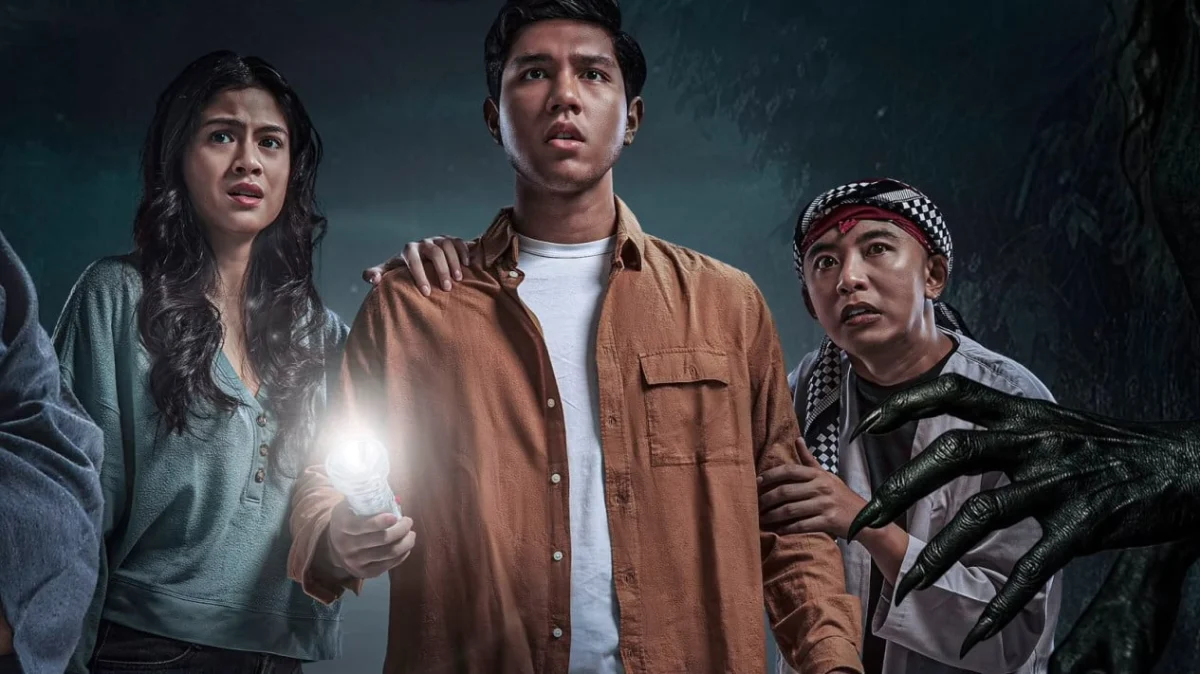
The Indonesian film industry is set to welcome a unique addition to its thriving horror-comedy landscape with the upcoming release of Dukun Magang, a feature-length production scheduled to hit theaters nationwide on June 18, 2026. Directed by the seasoned filmmaker Chiska Doppert, the film promises to deliver a nuanced 100-minute experience that balances spine-chilling supernatural encounters with the sharp, observational humor characteristic of modern Indonesian youth culture. The narrative centers on the friction between rationalism and the esoteric, following a skeptical university student whose academic desperation leads him into the heart of an ancient, mystical village.
The Narrative Core: Academic Pressure Meets Ancestral Mystery
The story follows Raka Mahardika, portrayed by rising star Jefan Nathanio, a final-year student whose worldview is rooted strictly in logic and empirical evidence. To Raka, the world of "dukun" (shamans) and "gaib" (the supernatural) is nothing more than a collection of outdated myths and sociological curiosities. However, his academic career hits a significant roadblock when his thesis advisor, Pak Arief, repeatedly rejects his research proposals for lacking originality and depth.
Facing the looming threat of academic stagnation, Raka decides to pivot toward a radical and risky topic: the tradition of shamanism in Desa Kalimati. This remote village is notorious for its deep-rooted connection to the occult, serving as the perfect, albeit dangerous, laboratory for Raka’s qualitative research. What begins as a strategic move to satisfy his professor quickly evolves into a harrowing journey of self-discovery and survival.
Raka is joined by a diverse supporting cast that embodies different facets of the Indonesian social fabric. Boiman, played by comedian Fajar Nugra, provides the primary source of comic relief as Raka’s loyal but deeply cowardly best friend. In contrast, Sekar, played by Hana Saraswati, serves as the intellectual and emotional anchor of the group. As a fellow student who originally hails from Desa Kalimati, Sekar acts as a cultural mediator, possessing the unique ability to navigate both the modern academic world and the traditional protocols of her home village.
Production Logistics and On-Set Challenges
The production of Dukun Magang involved extensive location filming in rural areas to capture the authentic, atmospheric essence of Desa Kalimati. During a press briefing in Jakarta on May 30, 2026, Jefan Nathanio reflected on the physical and logistical demands of the project. He noted that the transition from urban settings to remote outdoor locations presented unpredictable challenges, particularly regarding the weather and the rigorous shooting schedule.
According to Nathanio, the cast and crew had to remain adaptable to the shifting environment, which often mirrored the volatile atmosphere of the film itself. Despite these hurdles, the actor emphasized that the camaraderie among the cast helped maintain a positive environment. The production team reportedly utilized practical effects alongside digital enhancements to bring the supernatural entities to life, aiming for a tactile sense of horror that resonates with audiences accustomed to high-production standards.
Hana Saraswati also shared insights into her character development, noting that Sekar is a representation of the modern Indonesian woman who respects her heritage without being bound by superstition. Saraswati explained that her character views the mystical elements of Kalimati not necessarily as things to be feared, but as parts of a complex cultural ecosystem that requires respect and understanding.
Cultural Context: The Role of Shamanism in Modern Indonesia
Dukun Magang arrives at a time when Indonesian cinema is increasingly exploring the intersection of traditional folklore and contemporary lifestyles. The figure of the "dukun" remains a potent symbol in Indonesian society, representing a bridge between the physical world and the spiritual realm. By placing a "shaman apprentice" (the literal translation of the film’s title) at the center of the story, Chiska Doppert examines how these ancient roles adapt to the presence of modern technology and skeptical youth.
The introduction of Mbah Djambrong, played by Adi Sudirja, adds a layer of gravitas to the film. As the village’s legendary shaman, Mbah Djambrong is depicted as an eccentric yet wise guardian. His character serves to challenge Raka’s skepticism, forcing the protagonist to realize that some phenomena cannot be quantified by a thesis rubric or explained away by sociology textbooks.
The central conflict escalates when Raka inadvertently disturbs the "Kuntilanak Hitam" (The Black Kuntilanak), a powerful and malevolent spirit that has been imprisoned within the village for generations. The use of the Kuntilanak, a staple of Southeast Asian horror, is given a fresh twist in this film by focusing on the "Black" variant, which is often associated in local lore with deeper, more vengeful origins than the standard white-clad apparition.
Industry Trends: The Continued Success of Horror-Comedy
The decision to blend horror with comedy is a calculated move by the producers, tapping into a genre hybrid—locally referred to as "Hor-Kom"—that has seen immense commercial success in the Indonesian market over the last five years. Data from the Indonesian Film Board (BPI) indicates that horror-comedy films often outperform pure horror titles in terms of repeat viewership, as the levity of the comedy makes the intense scares more palatable for a broader demographic.
In 2025, the Indonesian film market saw a 15% increase in domestic ticket sales, with horror and comedy titles accounting for nearly 60% of the total box office revenue. Industry analysts suggest that Dukun Magang is positioned to capitalize on this trend by offering a relatable "campus life" angle that appeals to the Gen Z and Millennial demographics. The inclusion of Fajar Nugra, a popular figure in the stand-up comedy circuit, is expected to draw in fans of physical and observational humor, while Jefan Nathanio and Hana Saraswati provide the dramatic weight needed to sustain the horror elements.
Chronology of Development and Release
The development of Dukun Magang began in early 2025, with the script undergoing several iterations to ensure a balance between the comedic timing and the supernatural tension. Principal photography took place over a 45-day period in late 2025, primarily in West Java, where the landscape provided the necessary "isolated village" aesthetic.
Post-production, including sound design and visual effects for the Kuntilanak Hitam sequences, was completed in the spring of 2026. The promotional campaign, which began in April 2026, has utilized social media platforms to engage with younger audiences, featuring "behind-the-scenes" clips of the cast experiencing supposed "real-life" supernatural occurrences on set—a common but effective marketing tactic for Indonesian horror films.
Critical Analysis: Skepticism vs. Tradition
At its heart, Dukun Magang is a commentary on the arrogance of modern logic when faced with the unexplained. Raka’s journey from a condescending academic to a vulnerable witness of the supernatural serves as a metaphor for the broader societal tension between rapid modernization and the persistence of traditional beliefs.
The film does not necessarily argue that one side is correct; rather, it suggests that a middle ground—much like the character of Sekar—is necessary for a holistic understanding of the Indonesian identity. By the time the credits roll, Raka is not necessarily a "believer" in the religious sense, but he has gained a profound respect for the mysteries that his logic failed to encompass.
The director, Chiska Doppert, has a history of navigating these themes. With a filmography that includes several notable horror hits, Doppert is known for her ability to create atmosphere without relying solely on "jump scares." In Dukun Magang, she reportedly focuses on the "dread of the unknown," using the dense forests and shadowed corners of Desa Kalimati to build a sense of claustrophobia that contrasts with the loud, bright world of the university campus.
Anticipated Impact and Conclusion
As the June 18 release date approaches, Dukun Magang is expected to face stiff competition from international summer blockbusters. However, local film critics believe that the movie’s specific cultural resonance and the popularity of its cast will secure a strong opening weekend. If successful, the film could pave the way for a franchise, exploring other "internships" or "apprenticeships" within the world of Indonesian folklore.
In summary, Dukun Magang is more than just a seasonal horror flick. It is a calculated blend of cultural exploration, youth-oriented comedy, and traditional scares. By grounding the supernatural in the relatable struggle of a student trying to graduate, the film ensures that its audience is emotionally invested in the outcome. Whether Raka gets his degree or merely escapes with his life remains to be seen, but the journey to Desa Kalimati is set to be one of the most talked-about cinematic events of the 2026 mid-year season.