Nila Kartika Wati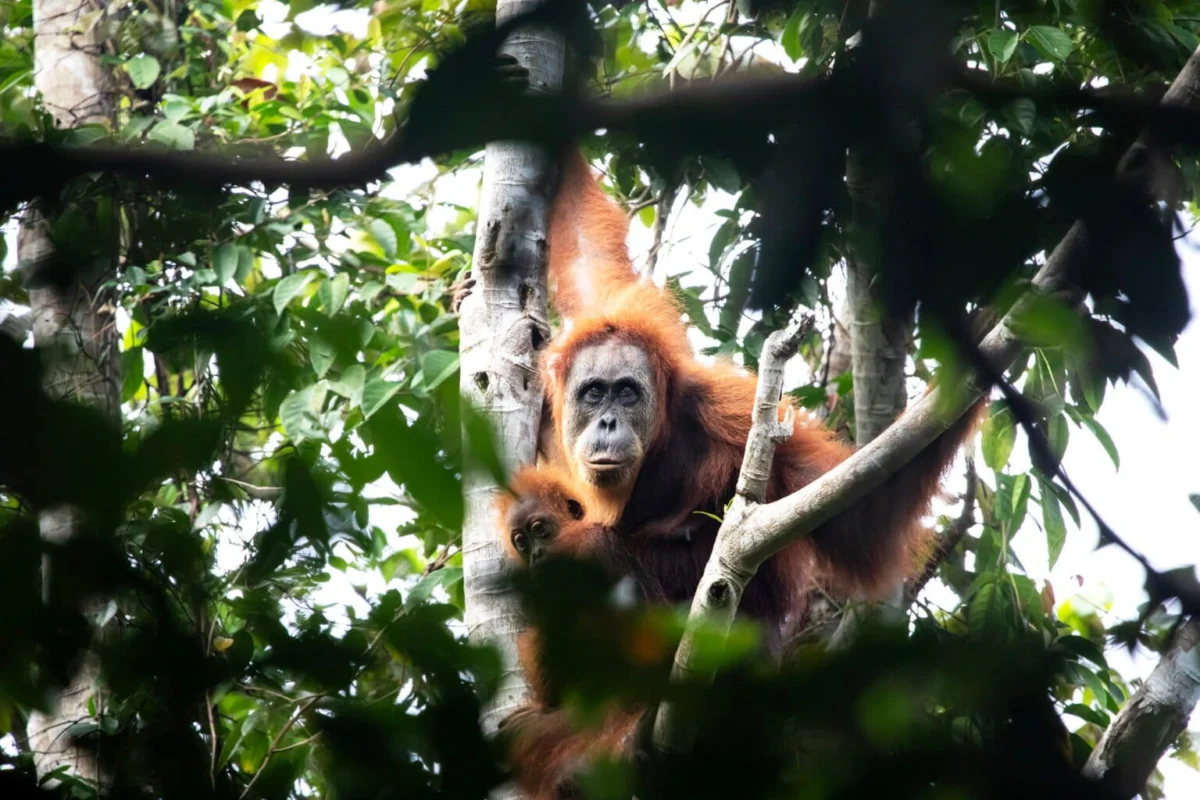
Every year on April 22, the international community pauses to observe Earth Day, a global movement dedicated to environmental protection and the promotion of sustainable living. For the 2026 observance, the global organizers at Earthday.org have announced the theme “Our Power, Our Planet,” a slogan designed to mobilize a fundamental shift in how environmental progress is achieved. This year’s theme serves as a clarion call, asserting that environmental health is not the sole responsibility of a few policymakers or world leaders. Instead, it relies on the collective power of diverse communities—ranging from educators and laborers to individual families—to drive systemic change.
The 2026 global mandate emphasizes that environmental protection must be a consistent, non-partisan responsibility that transcends political cycles, administrative shifts, or election seasons. By framing the environment as a universal issue, the movement highlights its direct impact on human health, economic stability—particularly for vulnerable sectors like agriculture and fisheries—and deep-seated spiritual and moral values. As articulated by Earthday.org, the global ecosystem is an intricately connected web where the quality of life for future generations is inextricably linked to the health of the natural world today.
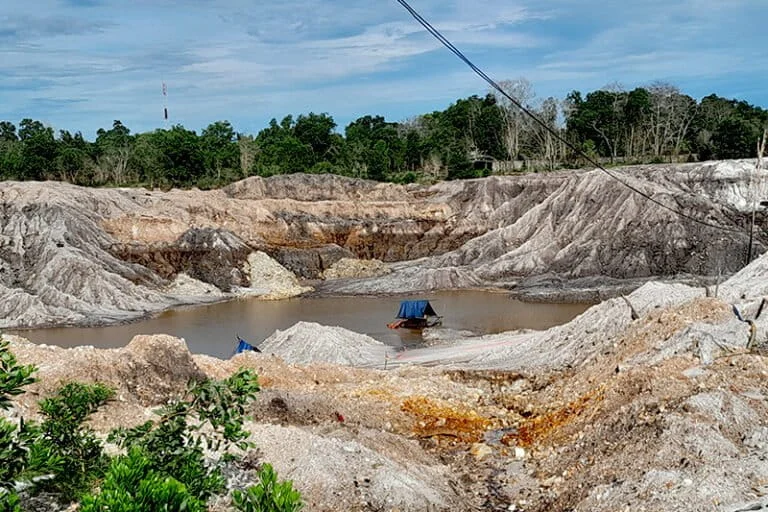
However, as the world celebrates these ideals, the situation on the ground in Indonesia presents a stark and sobering contrast. Just weeks prior to the Earth Day 2026 commemorations, the Indonesian non-governmental organization Auriga Nusantara released its 2025 deforestation data, revealing a catastrophic surge in forest loss. The report indicates that Indonesia lost 433,751 hectares of forest cover in 2025 alone, representing a staggering 66 percent increase compared to the 261,575 hectares lost in 2024. This figure far exceeded previous environmental projections, signaling a rapid acceleration in the destruction of one of the world’s most critical carbon sinks.
The Geography of Loss: Regional Deforestation Trends
Auriga Nusantara has consistently monitored Indonesia’s forest cover through its Simontini platform—a sophisticated land cover and permit information system launched in 2023. The 2025 data was compiled using rigorous satellite analysis and extensive field verification across 49,321 hectares of deforested sites. These investigations spanned 38 villages, 28 regencies, and 16 provinces, stretching from the northern tip of Sumatra to the eastern reaches of Papua.
The regional breakdown of this data illustrates a nationwide crisis. Kalimantan, long the epicenter of Indonesian industrial expansion, remains the most heavily impacted region. In 2025, Kalimantan recorded 158,283 hectares of forest loss, an increase of 28,387 hectares or 22 percent from the previous year. This marks the island’s thirteenth consecutive year as the primary contributor to national deforestation.
Sumatra followed as the second-most impacted island, with 144,150 hectares of forest lost. However, the most alarming growth in deforestation occurred in Papua. Once considered the last frontier of pristine wilderness in Indonesia, Papua saw its deforestation rate skyrocket by 348 percent, jumping from 17,341 hectares in 2024 to 77,678 hectares in 2025. This surge highlights a shift in industrial focus toward the eastern archipelago, where large-scale infrastructure and agricultural projects are increasingly encroaching on primary forests.
Other regions also showed significant declines. Sulawesi recorded 39,685 hectares of deforestation, a 129 percent increase. Maluku saw 7,527 hectares cleared, nearly doubling its previous year’s loss. Meanwhile, Bali and Nusa Tenggara accounted for 4,209 hectares, and the densely populated island of Java lost ,221 hectares of its remaining forest fragments.
The Paradox of Legal Deforestation
One of the most troubling findings in the 2025 reports is the source of this environmental destruction. Timer Manurung, Chairperson of the Auriga Nusantara Foundation, noted that approximately 58 percent of the deforestation recorded in 2025 was "legal." This means the clearing occurred within areas specifically designated for government-approved concessions or strategic national projects.
This finding was echoed by the KEHATI Foundation, which observed that roughly 59 percent of forest loss takes place within valid business permit areas. This creates a significant policy paradox: the very state instruments intended to manage land use are serving as the primary drivers of tree cover loss in high-carbon-stock areas. The gap between high-level environmental pledges—such as Indonesia’s "FOLU Net Sink 2030" goals—and the actual implementation of land-use permits remains a critical hurdle in the nation’s climate strategy.
A Systemic Crisis: The Indonesia Environmental Outlook 2026
The KEHATI Foundation’s Indonesia Environmental Outlook (IEO) 2026, released in March 2026, posits that Indonesia has reached an "ecological crossroads." The report argues that the environmental crisis is no longer a series of incidental events but has become structural and systemic.
The year 2025 was marked by a relentless series of hydrometeorological disasters. Massive floods and landslides, particularly in Sumatra, resulted in the deaths of over 1,204 people and caused economic losses estimated at no less than Rp68.67 trillion. These disasters are seen as a direct consequence of "planned deforestation" and weak forest oversight, which have crippled the hydrological functions of major river basins (DAS).

Riki Frindos, Executive Director of KEHATI, explained that Indonesia is currently trapped in a cycle of ecological failure across several key sectors:
- Food Security: The national food system remains heavily dependent on land expansion and large-scale projects, many of which have failed to produce sustainable yields while simultaneously destroying ecosystems.
- Energy Transition: Despite global shifts toward renewables, the energy sector remains dominated by coal. Furthermore, "false solutions" such as large-scale biomass are being criticized for driving further deforestation rather than mitigating it.
- Water Scarcity: The water sector faces a dual crisis of quantity and quality. Upstream degradation and the over-exploitation of groundwater are pushing regions—particularly Java—toward a state of permanent water crisis, projected to manifest fully between 2030 and 2040.
To address these issues, the IEO 2026 recommends a radical paradigm shift in development: moving away from an extractive economy toward resource management based on ecosystem carrying capacity, social justice, and inter-sectoral integration. Key prerequisites for recovery include legal reform, a moratorium on new permits in essential ecological landscapes, and the full recognition of the rights of indigenous and local communities.
Biodiversity Under Siege: The Vanishing Species
The loss of habitat inevitably leads to a decline in biodiversity. According to data released by Burung Indonesia on April 3, 2026, the nation’s avian population is under extreme pressure. Out of 1,834 bird species inhabiting the archipelago, 159 are now categorized as globally threatened.
The breakdown of these categories is grim: 29 species are listed as Critically Endangered, 49 as Endangered, and 82 as Vulnerable. Perhaps most tragic is the status of the Javan Pied Starling (Gracupica jalla). The latest IUCN assessment has categorized this endemic bird as "Critically Endangered (Possibly Extinct in the Wild)," reflecting the devastating impact of habitat loss and the illegal songbird trade.
The primary threats to Indonesia’s birds are multi-layered. Agriculture, aquaculture, and logging continue to fragment habitats, while illegal hunting and trapping for the pet trade remove individuals directly from the wild. Other stressors include urban expansion, invasive species, mining, and the increasingly visible impacts of climate change. Adi Widyanto, Head of Conservation & Development at Burung Indonesia, emphasized that many species are facing "layered pressure"—they are losing their homes at the same time they are being hunted for profit.
The Last Stand of the Tapanuli Orangutan
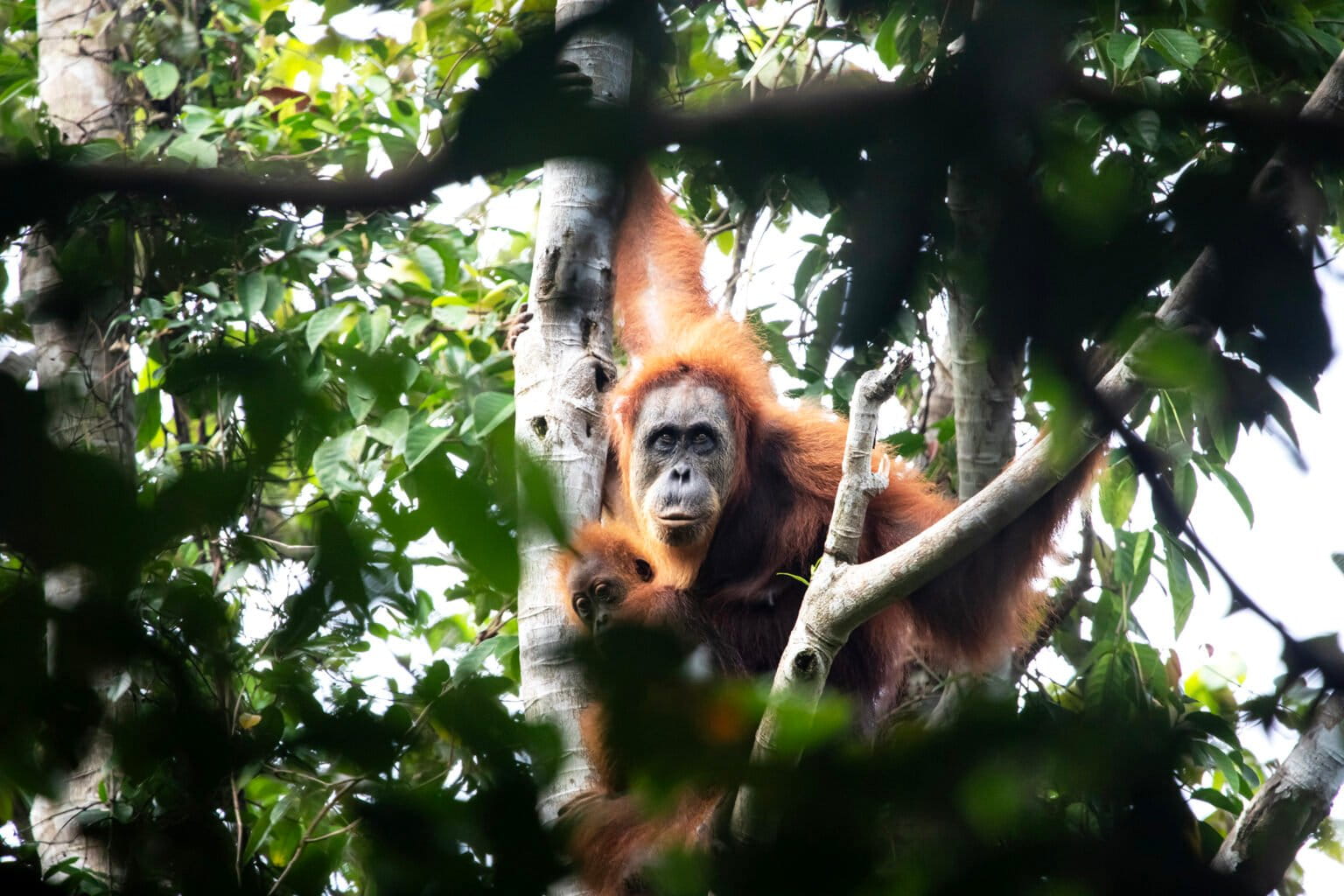
The plight of the Tapanuli orangutan (Pongo tapanuliensis) serves as a symbol of Indonesia’s conservation challenges. Located in the Batang Toru Ecosystem of North Sumatra, there are fewer than 800 individuals remaining, making them the rarest great ape species in the world.
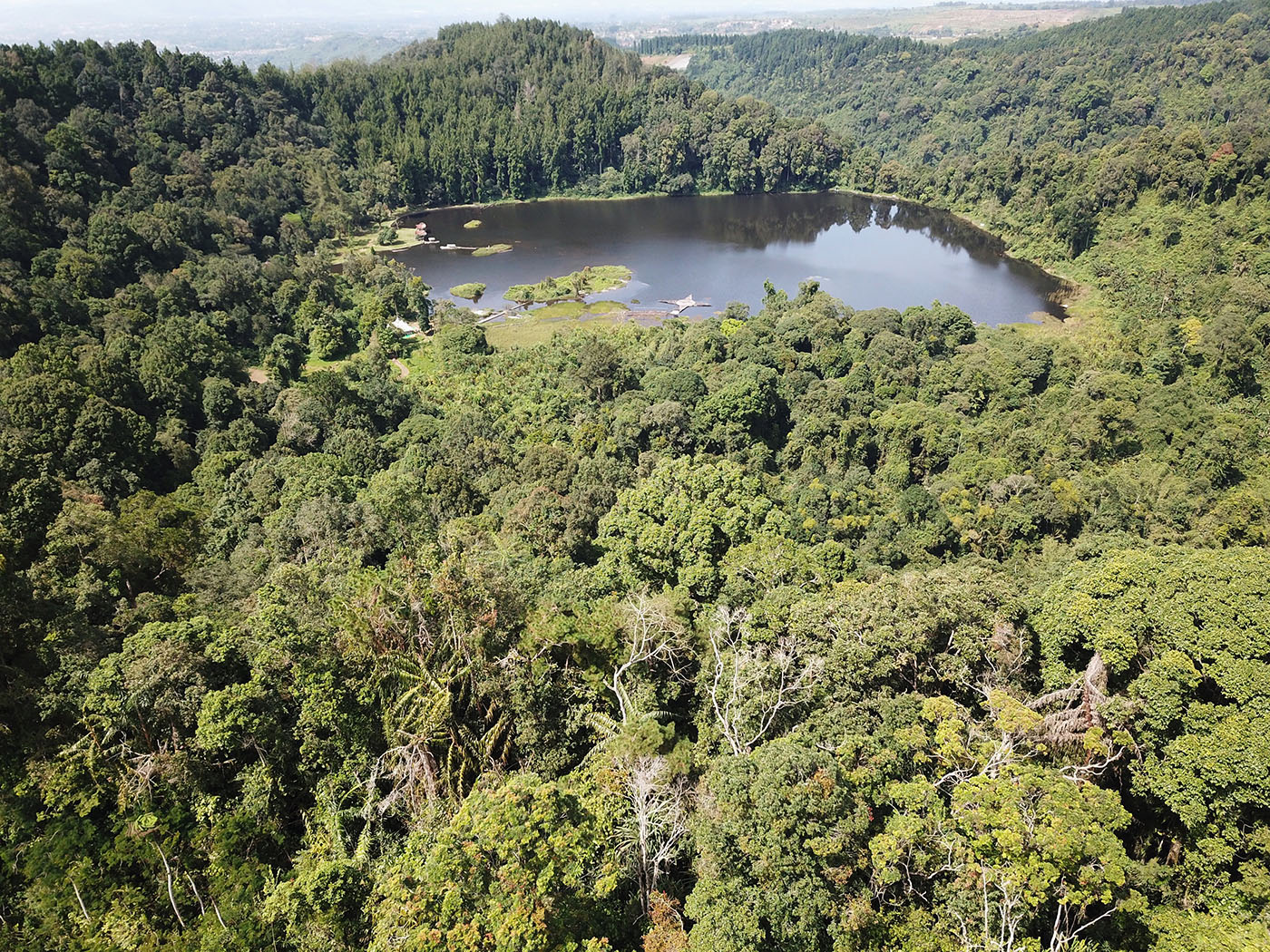
Their habitat is currently fragmented into two main pockets: the West Block and the East Block. Fragmentation is a "silent killer" for great apes, as it limits genetic diversity and makes populations more vulnerable to disease and local extinction. For comparison, while the Sumatran orangutan (Pongo abelii) has a population of approximately 13,710 across two million hectares, the Tapanuli orangutan is confined to a mere 100,000 hectares. Without immediate intervention to reconnect these habitats and halt further encroachment, the species faces a very real risk of extinction within the next few decades.
Analysis and Implications: The Path Forward
The data from 2025 and early 2026 suggests that Indonesia’s environmental trajectory is at a breaking point. The 66 percent spike in deforestation indicates that current moratoriums and sustainability policies are insufficient against the tide of industrial and "planned" land clearing. The economic toll of disasters—nearly Rp70 trillion in a single year—demonstrates that the "cost of inaction" far outweighs the short-term profits gained from land exploitation.
As Earth Day 2026 calls for "Our Power," the implication for Indonesia is clear: the solution cannot come from top-down policy alone, especially when those policies are the source of the problem. It requires a robust civil society, transparent data monitoring like that provided by Auriga and Burung Indonesia, and a shift in how the nation values its natural capital.
The transition from an extractive mindset to one of "ecosystem-based management" is no longer a luxury but a necessity for national security. As the 2030-2040 water crisis looms over Java and the extinction of iconic species like the Tapanuli orangutan becomes a possibility, the 2026 Earth Day theme serves as a final reminder: the power to save the planet resides in collective, urgent, and systemic action. Only by aligning economic goals with ecological limits can Indonesia hope to break the cycle of crisis and ensure a livable environment for the generations to come.