Nila Kartika Wati
The conservation community in North Sumatra is reeling from a second high-profile animal death at the R Zoo in Perbaungan, Serdang Bedagai, following the demise of an eight-year-old female Bengal tiger named Anggun. This tragedy comes just weeks after the widely reported death of Ratna, a Sumatran elephant at the same facility, raising serious questions regarding the zoo’s operational standards, medical protocols, and the oversight provided by regional conservation authorities. Anggun, who had recently been transferred from Semarang Zoo in Central Java, succumbed to a rapid health decline only days after her arrival, prompting wildlife experts to demand a comprehensive audit of the institution and the broader animal exchange system in Indonesia.
A Rapid Decline: The Chronology of Anggun’s Final Days
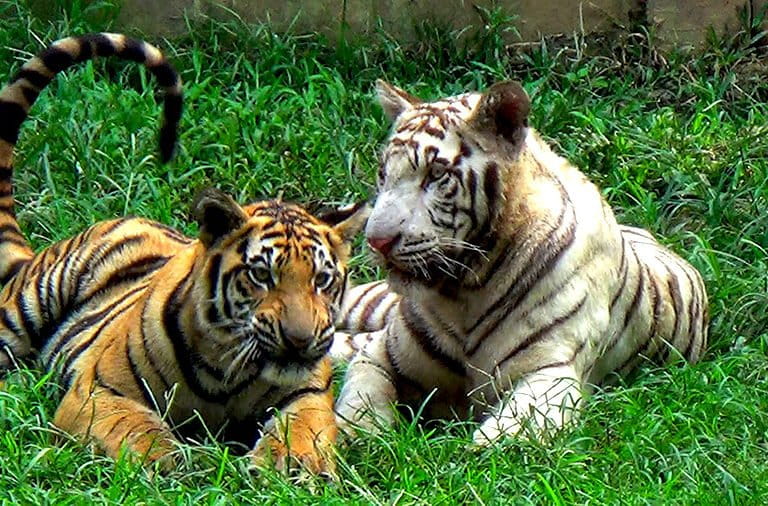
The tragedy began with what was intended to be a routine animal exchange aimed at diversifying the genetic pool and educational offerings of R Zoo. On March 17, Anggun and another Bengal tiger named Ganza departed from Semarang Zoo. However, the journey across the Indonesian archipelago appears to have taken a significant toll on the predator’s health. According to management reports, Anggun began showing signs of distress and a diminished appetite as early as March 18, during the transit phase, consuming only a minimal amount of meat.
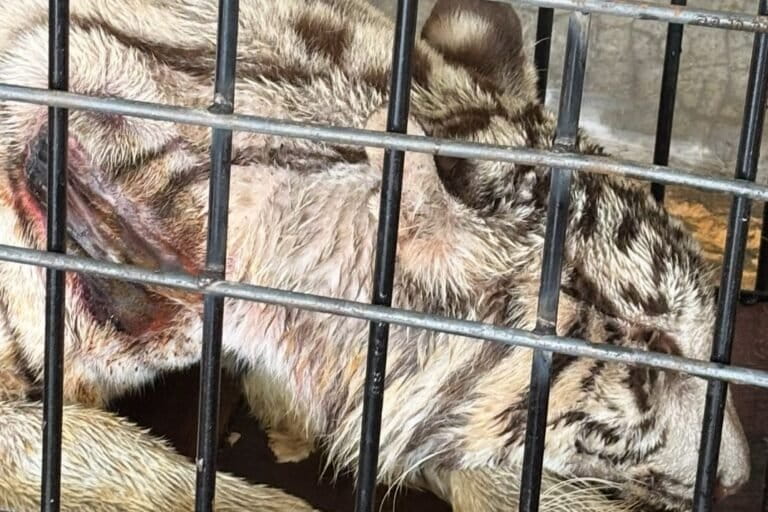
The tigers arrived at R Zoo at approximately 03:00 WIB on March 21. Staff noted immediately that Anggun refused to eat upon her arrival. Over the next 48 hours, her condition failed to improve, showing a complete lack of interest in food. By March 23, the medical team at R Zoo observed a significant swelling on her right shoulder. Initial veterinary observations suggested the presence of an abscess, leading to an intensive but ultimately unsuccessful medical intervention.
Clinical efforts to save the tiger included the administration of anti-inflammatories, antibiotics, and fluid therapy to combat dehydration. To stimulate her appetite, the team experimented with various types of feed and feeding methods. However, hematology and biochemistry tests soon revealed a more systemic failure; the tiger was suffering from severe dysfunction of the liver and kidneys. While tests for common feline viruses—including FIP (Feline Infectious Peritonitis), FPV (Feline Panleukopenia Virus), FCoV (Feline Coronavirus), and Giardia—returned negative, the tiger’s internal organs continued to fail. Despite the ongoing treatment of the abscess and the administration of supportive care, Anggun remained in a state of total anorexia until she was pronounced dead at 13:16 WIB on March 27.
Official Responses and the Defense of Procedures
Rahmat Shah, the owner of R Zoo and a prominent figure in the Indonesian conservation landscape as the General Chairman of the Indonesian Zoo and Aquarium Association (PKBSI), confirmed the incident but maintained that the tiger arrived at the facility in a pre-existing state of ill health. He emphasized that his medical team had exhausted all available options to stabilize the animal, noting that the presence of wounds and the tiger’s weakened state upon delivery made recovery nearly impossible.
Parallel to this, Novita Kusuma Wardani, the Head of the North Sumatra Natural Resources Conservation Center (BBKSDA), stated that the relocation of the animals had been conducted in accordance with established legal and biological procedures. This included prior health screenings and the presence of a veterinarian during the long-haul transport. However, Wardani declined to comment on the tiger’s specific health status before it left Central Java, suggesting that the responsibility for verifying the animal’s fitness for travel lay with the BBKSDA of Central Java.
The BBKSDA has since conducted a necropsy to determine the exact cause of death, though the results remain under scrutiny. Wardani asserted that R Zoo’s management of its animals generally meets current standards, citing that even the previous death of Ratna the elephant was linked to a chronic condition predating her arrival at the zoo. Nevertheless, the agency has committed to a "special check" of the facility’s laboratory results, water quality, and feed standards in response to the public outcry.
Expert Critique: Allegations of Structural Negligence
The recurring deaths at R Zoo have drawn sharp criticism from Singky Soewadji, a prominent analyst from Wildlife Observer. Soewadji argues that the explanation of "illness during transit" serves as a convenient alibi to mask deeper systemic failures within the facility. He posits that if an animal was truly sick, it should never have been cleared for transport under the Ministry of Environment and Forestry’s strict exchange protocols, which mandate a rigorous quarantine and health certification process.
Soewadji highlighted four critical areas where R Zoo allegedly falls short of the requirements for a modern conservation institution:
- Inadequate Infrastructure: Critics point out that R Zoo’s facilities are not representative of modern zoo standards. Soewadji compared the facility unfavorably to Gembira Loka Zoo in Yogyakarta, which is often cited as a benchmark for high-quality elephant and large mammal habitats. He argued that as the leader of the national zoo association, Rahmat Shah’s own facility should be a model of excellence rather than a site of recurring mortality.
- Human Resource Deficiencies: There are significant concerns regarding the expertise of the veterinary staff. Soewadji suggested that the medical team at R Zoo may lack the specialized experience required to treat large carnivores and wild megafauna, noting that treating a domestic feline is vastly different from managing the complex pathologies of a 150-kilogram Bengal tiger.
- Substandard Maintenance: Reports suggest that the basic environmental needs of the animals, including the quality of drinking water and the nutritional density of the feed, may be compromised. Poor water quality, in particular, can exacerbate kidney and liver issues in captive wildlife.
- The "Alibi" of Transit Stress: Soewadji expressed skepticism regarding the claim that the tiger’s health simply "dropped" during the journey. He noted that tigers are resilient apex predators capable of surviving several days without food if they have access to water. The rapid onset of organ failure suggests either a severe pre-existing condition that was ignored or a catastrophic failure in care immediately upon arrival.
The Broader Context of Zoo Management in Indonesia
The death of Anggun is not an isolated incident but part of a troubling pattern that has plagued several Indonesian zoological gardens over the last decade. The "death zoo" moniker, once famously attached to the Surabaya Zoo and more recently associated with the Medan Zoo, highlights a national crisis in captive animal welfare.
In Indonesia, "Lembaga Konservasi" (Conservation Institutions) are governed by Government Regulation (PP) No. 7 of 1999 and various ministerial decrees that outline the "Five Freedoms" of animal welfare: freedom from hunger and thirst; freedom from discomfort; freedom from pain, injury, and disease; freedom to express normal behavior; and freedom from fear and distress. When a facility experiences multiple deaths of "priority species" like elephants and tigers within a short window, it suggests a breach of these fundamental freedoms.
Furthermore, the involvement of the PKBSI leadership in this specific case adds a layer of political complexity. As the body responsible for setting standards for all zoos in Indonesia, any failure at a facility owned by its chairman undermines the credibility of the entire association’s self-regulatory framework.
Analysis of Implications and Necessary Reforms
The death of Anggun at R Zoo serves as a catalyst for a much-needed debate on the ethics of animal exchanges between cash-strapped or under-equipped facilities. While exchanges are vital for preventing inbreeding, they must be predicated on the receiving facility’s ability to provide superior or at least equal care to the originating site.
The Ministry of Environment and Forestry (KLHK) is now under pressure to involve independent investigators, including academics and practitioners from the Directorate General of Law Enforcement (Gakkum), to conduct a transparent probe. An independent audit would look beyond the immediate medical cause of death and investigate the "chain of custody" and the decision-making process that allowed a potentially compromised animal to be transported across provinces.
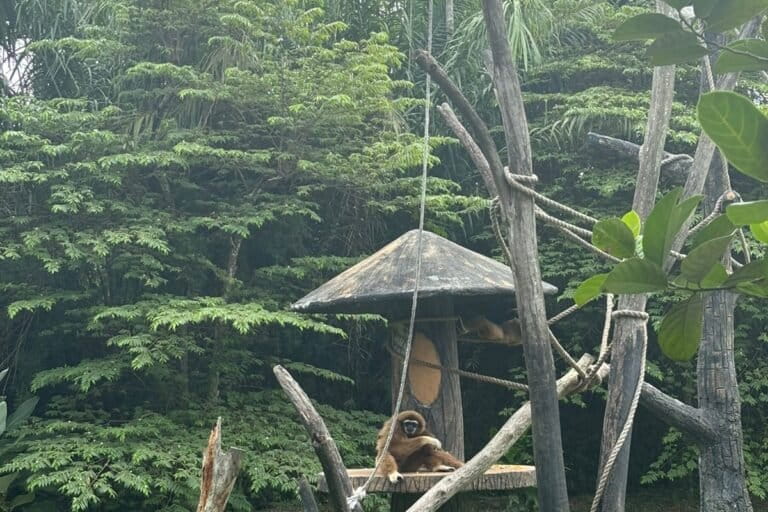
If the investigation finds that R Zoo or the involved BBKSDA offices bypassed safety protocols or provided substandard care, it could lead to administrative sanctions, including the revocation of the zoo’s operating permit or a moratorium on further animal transfers.
Conclusion
The loss of Anggun is a blow to conservation efforts and a sobering reminder of the vulnerabilities of captive wildlife. As the necropsy results are finalized and the Ministry considers its next steps, the focus remains on whether R Zoo can implement the radical changes necessary to ensure the safety of its remaining inhabitants. For the public and wildlife advocates, "standard procedures" are no longer a sufficient explanation for the loss of such magnificent creatures. The demand is now for accountability, transparency, and a fundamental shift in how Indonesia manages its captive animal heritage. Without these changes, the tragic cycle of death in the nation’s zoos is likely to continue, further tarnishing Indonesia’s international standing in biodiversity conservation.