Nila Kartika Wati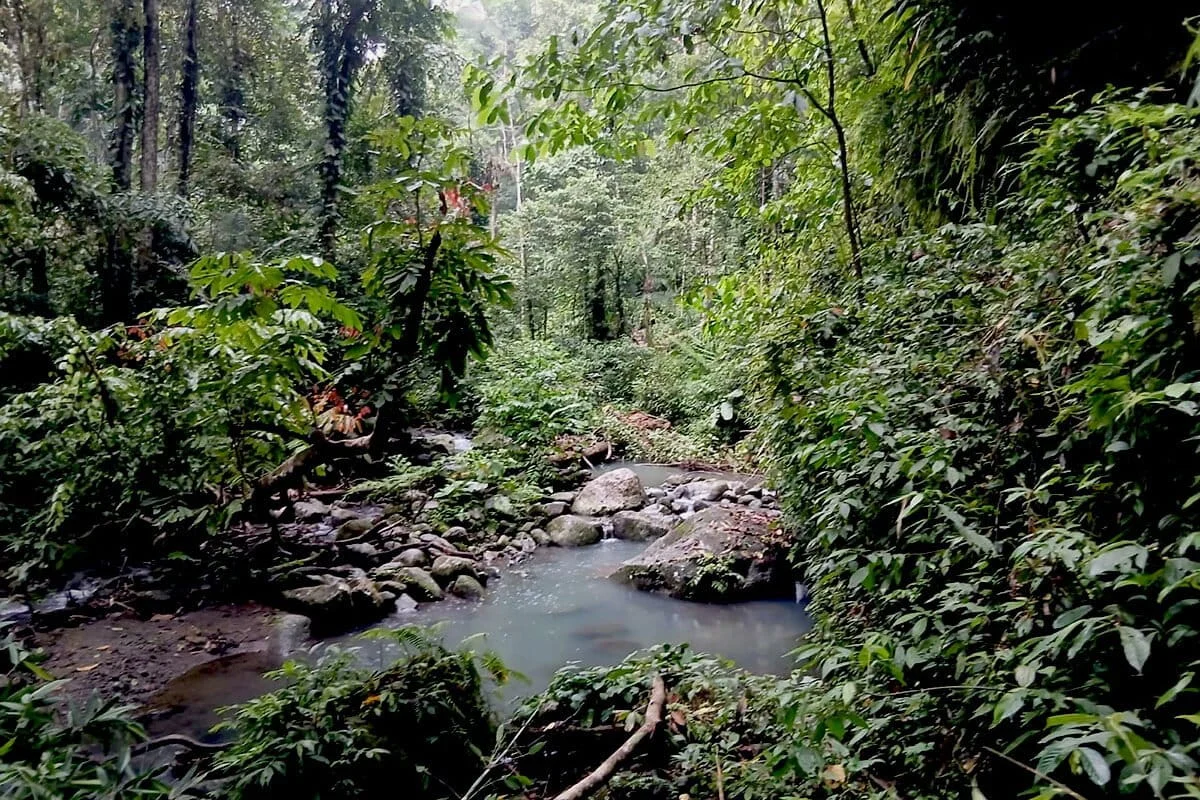
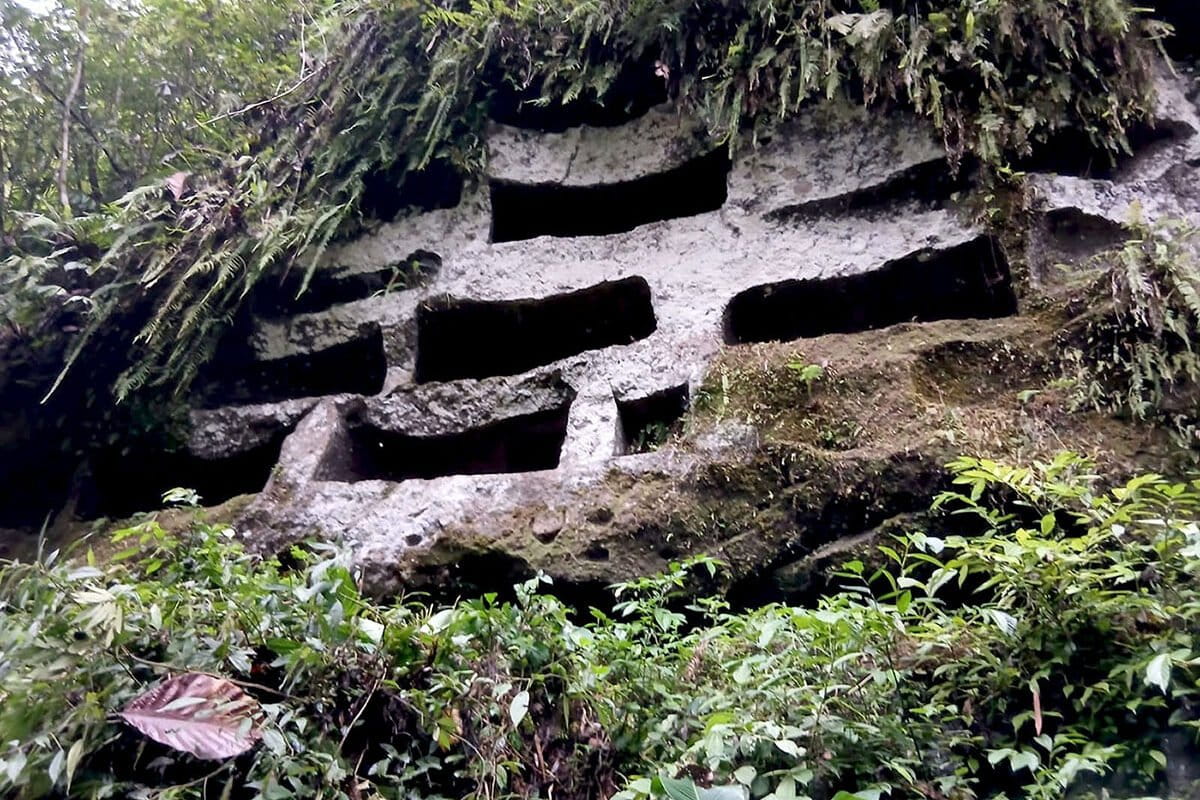
Deep within the verdant, mist-shrouded canopy of the Bogani Nani Wartabone National Park (TNBNW) in North Sulawesi lies a silent sentinel of a bygone era, the Binuanga cliff tomb site. This prehistoric complex, an architectural marvel of the megalithic age, consists of 17 meticulously carved chambers etched into the face of a towering andesite cliff. For millennia, these "stone rooms" served as the final resting place for the ancestors of the region, offering a profound glimpse into the spiritual and social structures of the early inhabitants of the Sulawesi landmass. Recently brought back into the spotlight following data updates by the North Sulawesi Cultural Preservation Center (Balai Pelestarian Kebudayaan) in April 2026, the site represents a rare intersection of archaeological significance and ecological majesty.
The Binuanga site, known locally as "Batu Berkamar Binuanga" or the "Chambered Stones of Binuanga," is located in a remote sector of the national park, far removed from modern infrastructure. Its discovery and ongoing preservation underscore the rich cultural tapestry of the Wallacea region—a biogeographical transition zone that is as famous for its unique evolution of species as it is for its ancient human history. The site’s location, perched high on a vertical cliff side facing south, suggests a deliberate choice by prehistoric builders to place their dead in a position of prominence, overlooking the river that shares its name.
The Arduous Journey to the Ancestral Realm
Accessing the Binuanga cliff tombs is an undertaking that requires both physical endurance and a deep respect for the rugged terrain of North Sulawesi. The journey typically begins in the village of Toraut, located within the Dumoga Barat District of the Bolaang Mongondow Regency. From the nearest urban center, Kotamobagu, travelers must first endure a two-hour overland journey to reach the village. However, the true expedition begins where the paved roads end.
From Toraut, the trek to the Binuanga site takes approximately three hours on foot. The path winds through a mosaic of local livelihoods, passing through sprawling plantations of maize, coconut, and nilam (patchouli) tended by the local community. These agricultural fringes serve as a buffer between modern settlement and the primordial wilderness of the national park. As the trail enters the protected area of Bogani Nani Wartabone, the terrain becomes significantly more challenging.
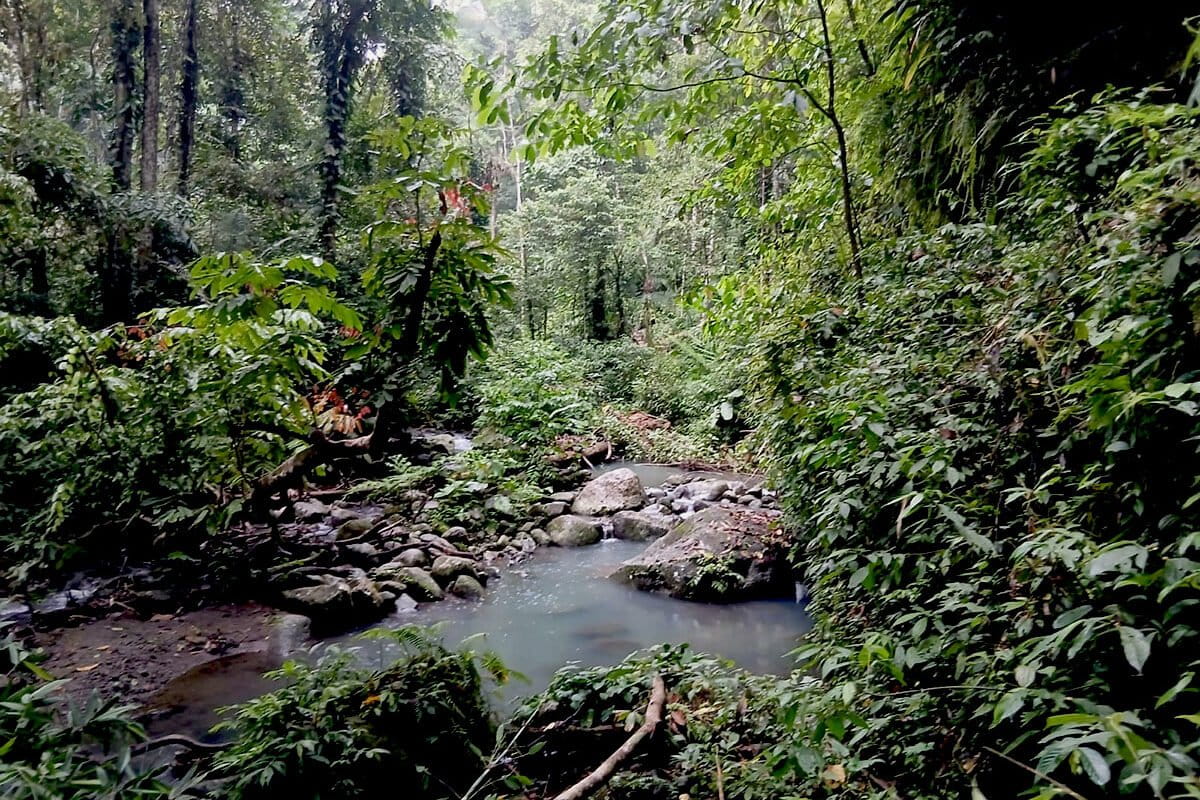
The route is defined by its relationship with water. To reach the cliff, explorers must cross the Kosinggolan River and navigate no fewer than ten crossings of the Binuanga River’s various streams. These waterways, which fluctuate in depth and speed depending on seasonal rainfall, act as a natural barrier that has, in many ways, protected the site from looters and excessive human interference for centuries. Upon completing the final river crossing, the southern face of the andesite hill reveals itself, with the carved chambers appearing as dark, rectangular apertures against the grey-green backdrop of the rock and encroaching vegetation.
Architectural Precision and Archaeological Findings
The Binuanga site is characterized by its sheer verticality and the precision of its masonry. According to the latest surveys conducted by archaeologists, the cliff face is nearly entirely draped in a thick veil of climbing vines and ferns, which thrive in the humid microclimate of the forest. Where the rock is visible, the 17 chambers are arranged in a manner that suggests a planned communal cemetery.
Hari Suroto, a prominent archaeologist from the North Sulawesi Cultural Preservation Center, has conducted extensive documentation of the site. His findings reveal that these chambers are not mere niches but are substantial excavations designed to accommodate the deceased and their worldly possessions. The dimensions of the "rooms" are surprisingly large: most exceed 200 centimeters in length, with some reaching nearly 300 centimeters. The heights range from 50 to 100 centimeters, with depths extending up to 130 centimeters into the solid andesite.
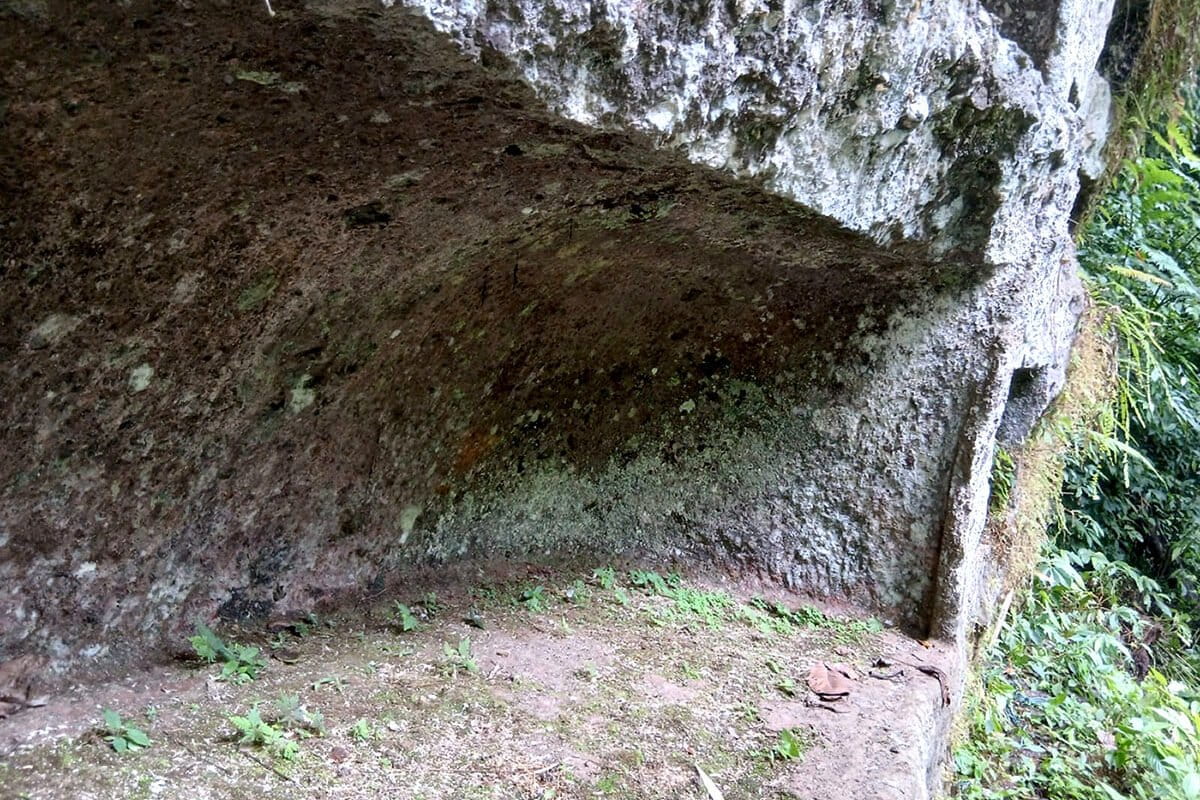
"The scale of these carvings indicates a high level of social organization and technical skill," Suroto noted during a briefing in late April 2026. "Each chamber was designed to be spacious enough for an adult human body along with ‘bekal kubur’ or grave goods. This reflects a complex belief system regarding the journey to the afterlife."
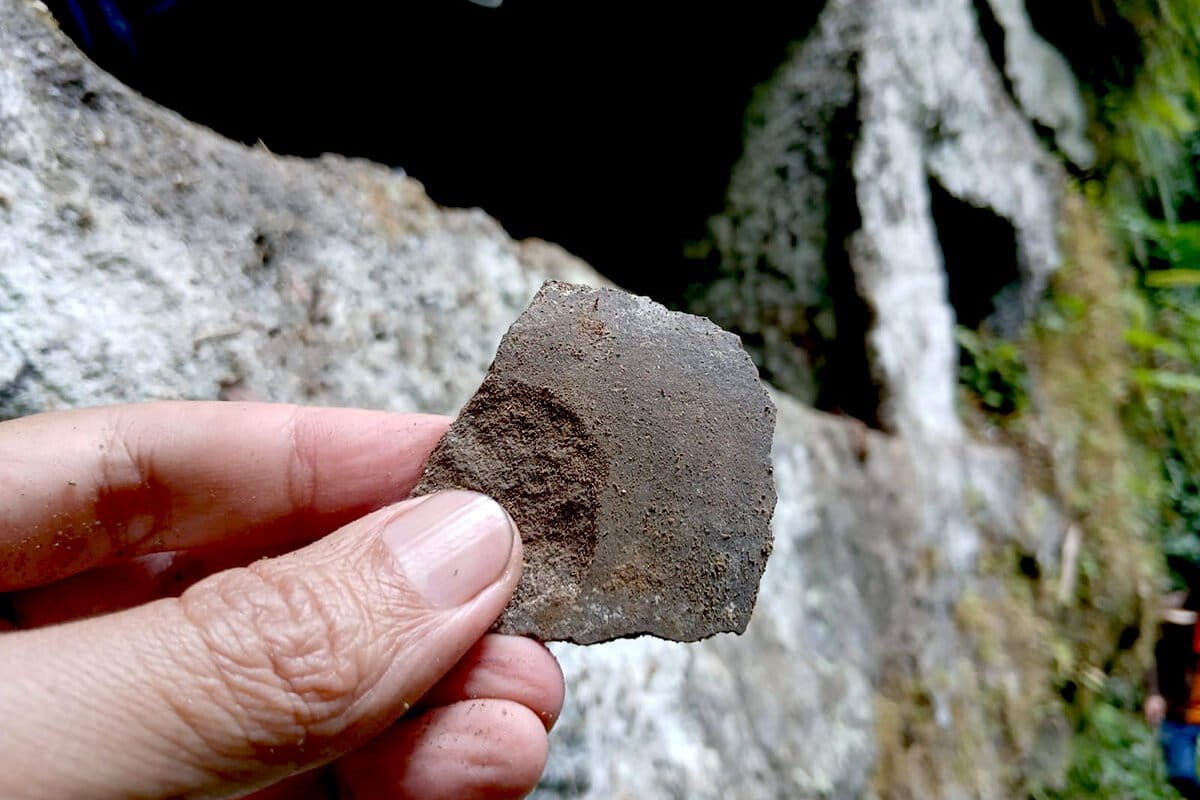
Among the most significant artifacts recovered from the site are fragments of earthenware pottery. In the context of Indonesian megalithic traditions, pottery was rarely just a functional item; it served as a spiritual vessel. These fragments represent the remains of offerings or containers for food and water intended to sustain the soul on its long voyage to the realm of the spirits. The presence of these items confirms that the Binuanga site was a place of active ritual and veneration, rather than just a passive repository for the dead.
The Cultural Significance of High Burials
The practice of cliff burial is a hallmark of several Austronesian cultures, most famously seen in the Toraja highlands of South Sulawesi. However, the Binuanga site provides evidence of a distinct northern variation of this megalithic expression. The act of placing the dead in high, inaccessible places serves a dual purpose: it protects the remains from scavengers and floods, and it symbolizes the elevated status of the ancestors in the spiritual hierarchy.
"The culture of burying or placing the dead in high cliff cavities is an expression of honor," Suroto explained to Mongabay Indonesia. "It stems from a profound belief in the continuity of life. By placing the ancestors in the cliff, the living kept them as guardians of the landscape, watching over the river and the valley below."
The naming of the site further reinforces this connection to the land. In keeping with Nusantara traditions, where geographic features record the memory of the people, the site is named after the Binuanga River. This linguistic link ensures that as long as the river flows, the memory of the "chambered stones" remains part of the local consciousness. For the people of Toraut, the site is a sacred landmark, a physical manifestation of their lineage’s endurance within the Wallacea wilderness.
Bogani Nani Wartabone: A Sanctuary of Biodiversity
The Binuanga cliff tombs do not exist in a vacuum; they are an integral part of the Bogani Nani Wartabone National Park, the largest terrestrial national park in Sulawesi. Spanning 282,008 hectares, the park—formerly known as Dumoga Bone—is a global biodiversity hotspot. It sits at the heart of the Wallacea region, where the flora and fauna of Asia and Australia meet and diverge, resulting in an extraordinary level of endemism.
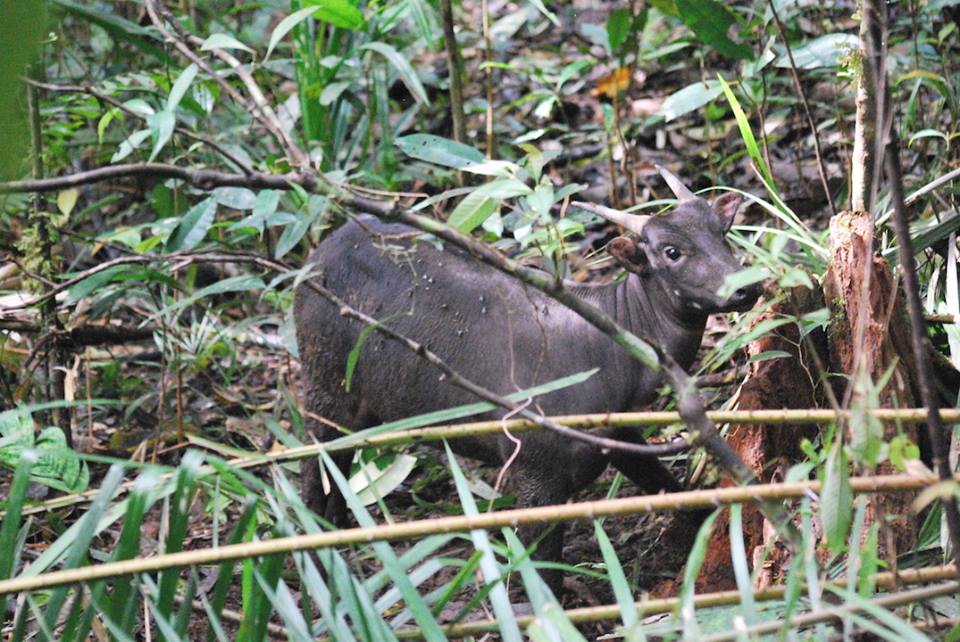
The park serves as a critical refuge for some of Sulawesi’s most iconic and endangered species. Among these are the lowland anoa (Bubalus depressicornis), the babirusa (Babyrusa babyroussa), and the maleo bird (Macrocephalon maleo), which is famous for nesting in the park’s geothermal soils. Other notable inhabitants include the Sulawesi black macaque (Macaca nigra), the Gorontalo macaque (Macaca nigrescens), and the Sulawesi bear cuscus (Ailurops ursinus).
The statistical data regarding the park’s life forms is staggering. Research conducted by the National Park Bureau in collaboration with the EPASS (Enhancing the Protected Area System in Sulawesi) project has documented:
- 1,395 species of true bugs (Hemiptera)
- 206 species of birds
- 200 species of butterflies (Lepidoptera)
- 128 species of spiders
- 40 species of reptiles
- 36 species of mammals
- 25 species of freshwater fish
The botanical diversity is equally impressive, with 331 types of forest vegetation, 124 species of medicinal plants, and 58 varieties of orchids. This ecological wealth is not merely a backdrop for the Binuanga site; it is the very environment that sustained the prehistoric people who carved the tombs. As Hari Suroto emphasized, "Bogani Nani Wartabone is not just a natural heritage site; it is a cultural one. The prehistoric humans who left these cliff tombs were an intrinsic part of this forest ecosystem."
Regional Importance and Environmental Implications
Beyond its archaeological and biological value, TNBNW plays a vital role in the socio-economic stability of the region. The park functions as a massive water catchment area, feeding the rivers that provide clean water to the populations of Bolaang Mongondow in North Sulawesi and Bone Bolango in Gorontalo. This water is the lifeblood of local agriculture, particularly for the vast rice fields of the Dumoga Valley, and supports industrial operations and hydroelectric power generation.
The preservation of the Binuanga site is therefore inextricably linked to the preservation of the forest. If the surrounding ecosystem were to degrade, the cliff face would become more susceptible to erosion, and the historical context of the site—as a mountain sanctuary—would be lost. Conversely, the presence of such significant cultural sites provides an additional layer of protection for the park, as they are protected under Indonesian cultural heritage laws (Undang-Undang Cagar Budaya).
Future Research and Challenges
Despite the findings of April 2026, much of Bogani Nani Wartabone remains a "terra incognita" for archaeologists and biologists alike. High-altitude regions such as the peaks of Matabulawa, Poniki, Tilongkabila, Ali, and Gambuta have yet to be fully explored. Researchers believe that Binuanga may be just one of several megalithic sites hidden within the park’s rugged interior.
"The development of science and ongoing exploration efforts will likely lead to an increase in the number of recorded species and archaeological sites," the EPASS research team noted in their status report. The challenge lies in balancing the need for exploration with the necessity of conservation. The very remoteness that has kept Binuanga pristine also makes it difficult to monitor and protect from potential threats, including illegal logging or the encroachment of plantations.
Furthermore, the impact of climate change on the region’s limestone and andesite formations poses a long-term risk. Increased rainfall intensity can accelerate the weathering of the carvings, while changes in vegetation patterns might lead to invasive roots damaging the structural integrity of the burial chambers.
Conclusion: A Legacy Carved in Stone
The Binuanga cliff tomb site stands as a testament to the ingenuity and spiritual depth of Sulawesi’s ancient inhabitants. It serves as a bridge between the deep past and the present, reminding modern society that the forests of Bogani Nani Wartabone have always been a home to both nature and culture.
As North Sulawesi continues to develop, the preservation of sites like Binuanga is essential for maintaining the cultural identity of the local communities. It offers a unique opportunity for "cultural-ecology" tourism, where visitors can learn about the prehistoric roots of the region while contributing to the conservation of one of the world’s most important natural sanctuaries. The silent chambers of Binuanga, overlooking the rushing waters of the river, remain a powerful symbol of the human desire to be remembered, etched forever into the heart of the Sulawesi wilderness.