Nila Kartika Wati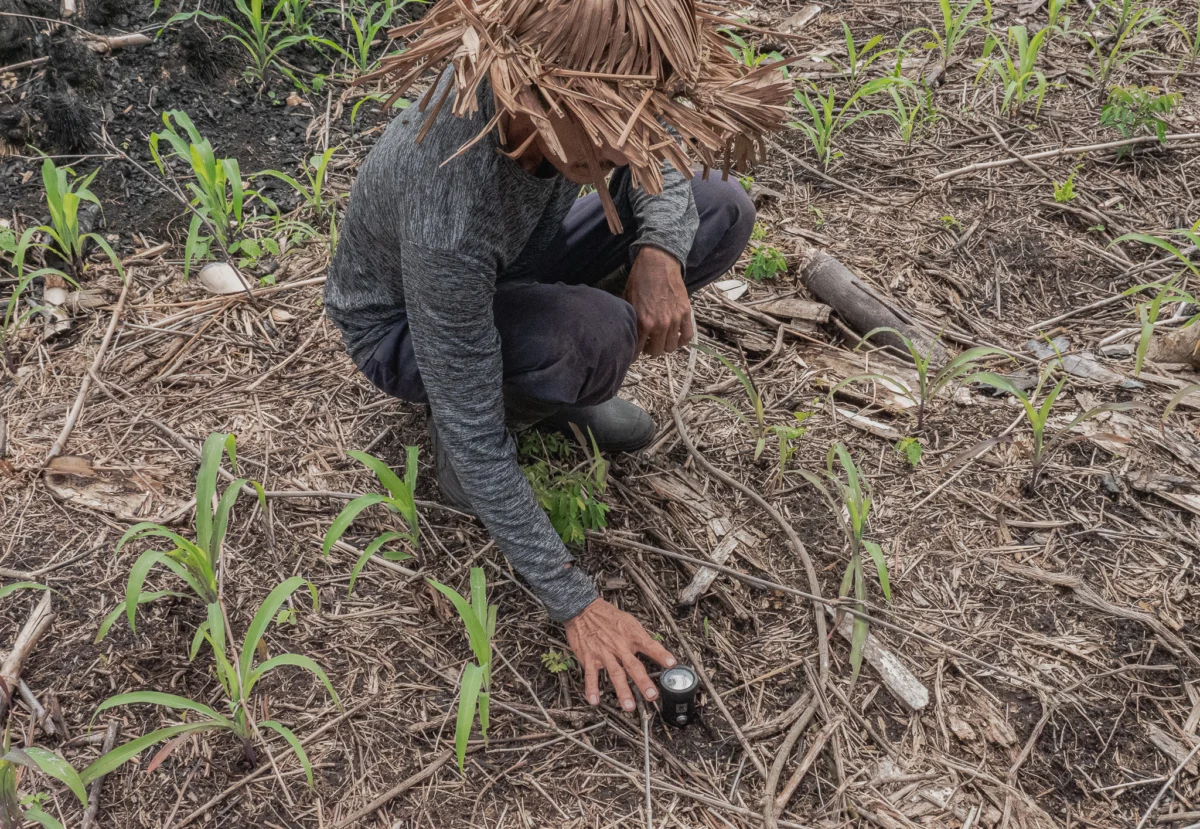
The ambitious food security program initiated by the Indonesian government in the Mentawai Islands Regency, West Sumatra, has faced a significant setback nearly one year after its implementation. Intended to bolster local food independence through large-scale corn cultivation, the project has instead resulted in widespread crop failures, leaving local farmers and village-owned enterprises (BUMDes) grappling with financial losses and unusable harvests. Reports from several villages across the Pagai, Sipora, and Siberut islands indicate that the primary cause of the failure was a fundamental mismatch between the chosen commodity and the local environmental conditions, compounded by a lack of technical oversight and logistical support.
Beginning in late 2024 and early 2025, the central government mandated that villages in the Mentawai archipelago allocate a portion of their budgets—specifically 20% of the Village Fund (Dana Desa)—toward corn cultivation. This top-down directive left local administrators with little choice but to pivot away from existing agricultural plans. In many instances, the land selected for these projects proved unsuitable for corn, which requires well-drained, neutral-pH soil to thrive. In Mentawai, however, much of the allocated land consisted of acidic peatlands or flood-prone marshes, leading to a predictable but avoidable agricultural disaster.
The Chronology of a Failed Harvest
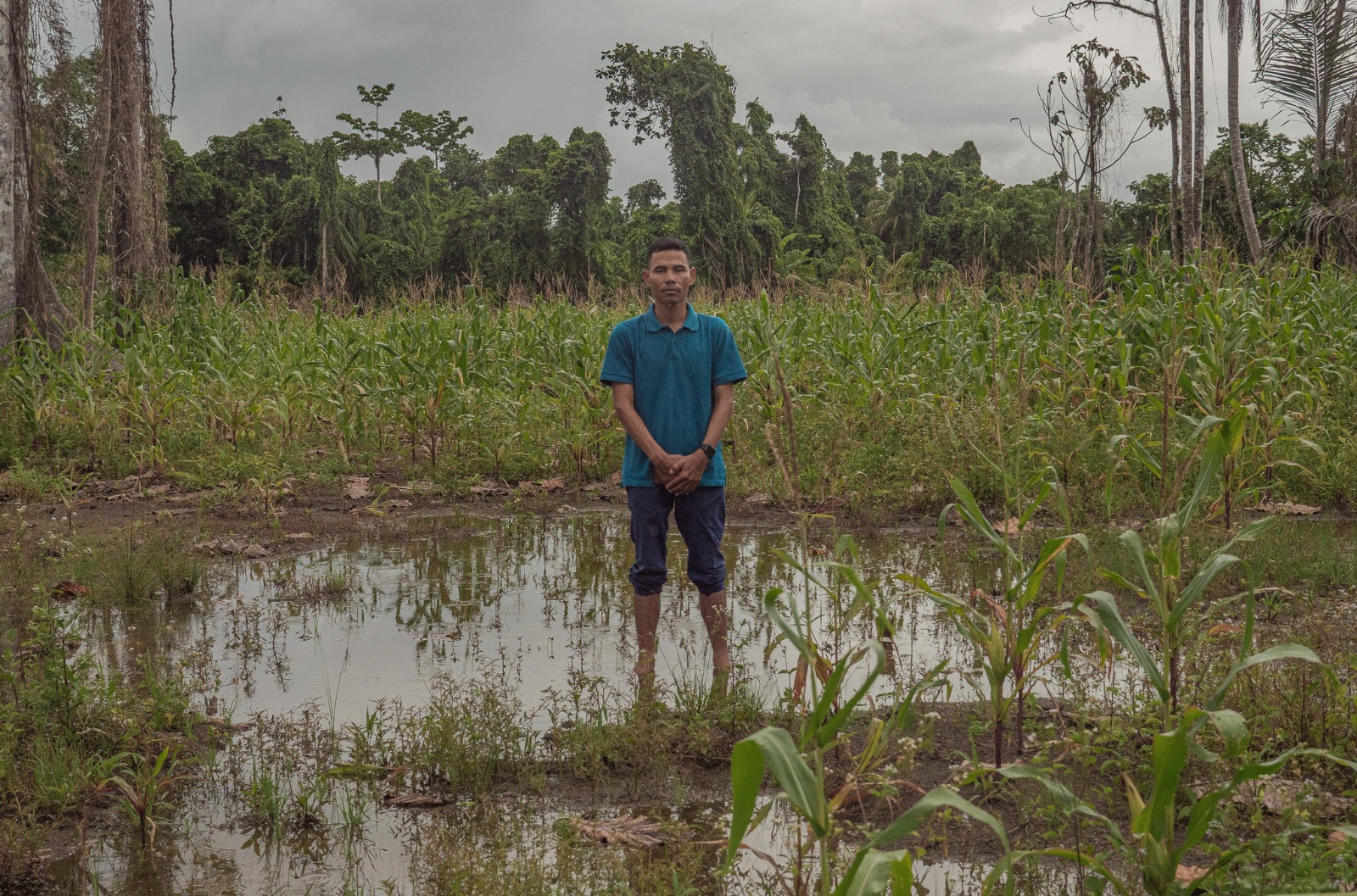
The timeline of the Mentawai corn project reveals a series of logistical and environmental hurdles that began almost immediately after the first seeds were sown. In Sipora, Fransiskus Xaverius, the head of BUMDes Taraet Borsa, noted that his organization felt compelled to follow the government’s mandate despite having no prior experience with corn. By early 2025, the BUMDes had prepared three hectares of land. While initial estimates suggested a yield of 8 to 10 tons per hectare, the reality was starkly different.
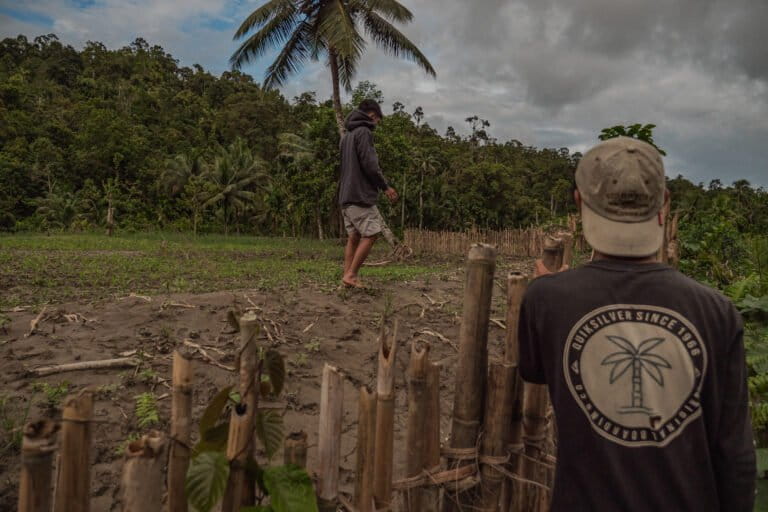
Because the chosen land was predominantly marshland, seasonal rains quickly turned the fields into stagnant pools. Without an adequate budget to construct drainage systems or trenches, the corn stalks were submerged. Xaverius reported that they attempted to replant after the first flood subsided, only for a second wave of flooding to destroy the new sprouts. By the time the project reached its one-year mark in May 2026, the BUMDes was forced to view the entire endeavor as an expensive lesson in trial and error rather than a successful food security initiative.
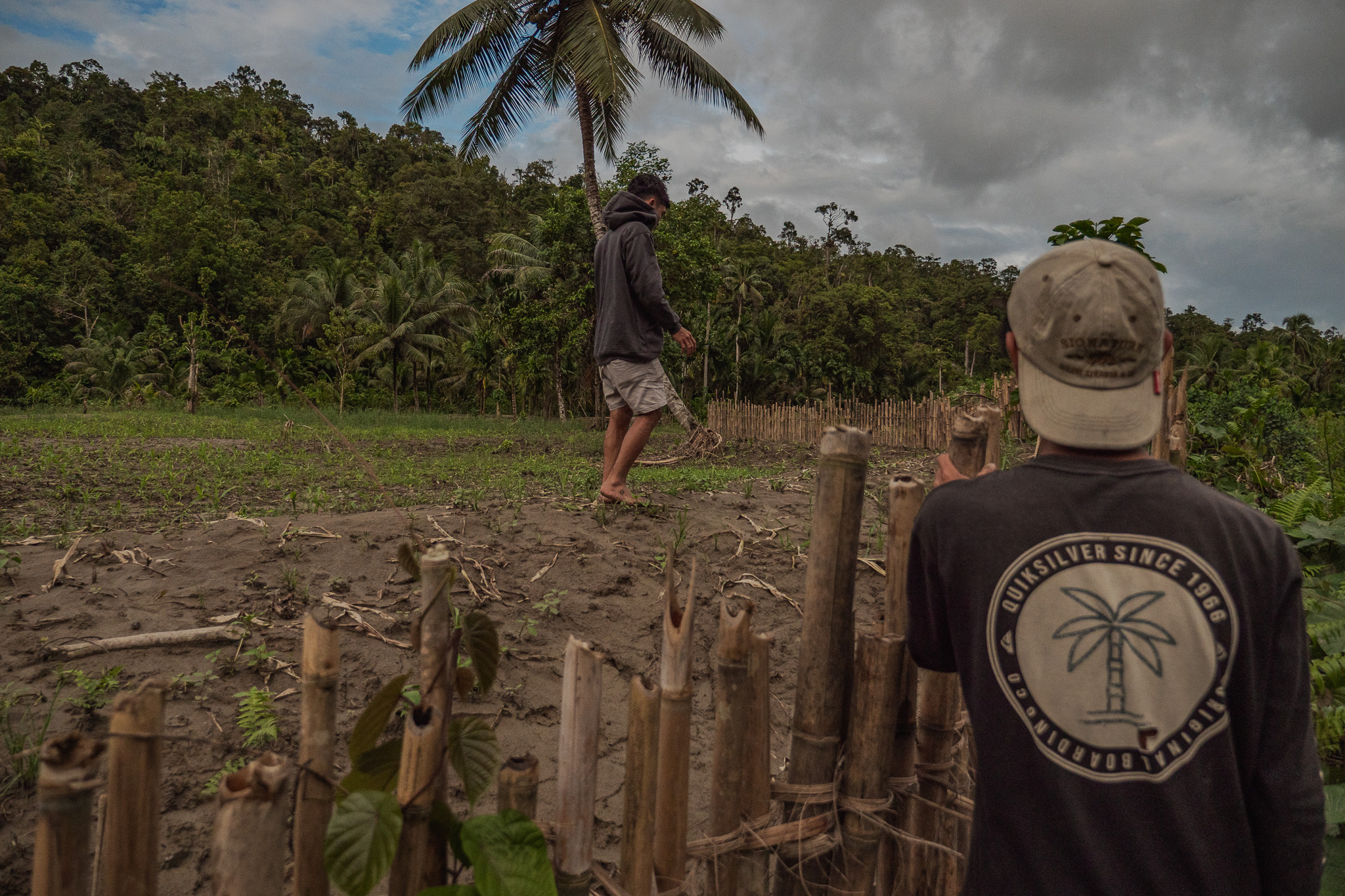
A similar pattern emerged in Siberut. In the village of Bojakan, North Siberut, the situation was even more dire. In September 2025, heavy rains caused local rivers to overflow, burying the growing corn under layers of sand and silt. Irman, the head of BUMDes Tirik Oinan Bojakan, estimated that the village lost approximately Rp36.5 million in a single flooding event. Despite multiple attempts by farmers to restart the planting cycle, the village faced four consecutive floods over the course of the year. Ultimately, the village decided to abandon the program entirely after incurring total losses of Rp96 million for eight hectares of land.
Technical Deficiencies and the Absence of Expert Guidance
A recurring complaint among village leaders and BUMDes managers was the near-total absence of Agricultural Extension Officers (Penyuluh Pertanian Lapangan or PPL). These officers are traditionally responsible for providing technical expertise to farmers, helping them navigate soil management, pest control, and planting schedules.
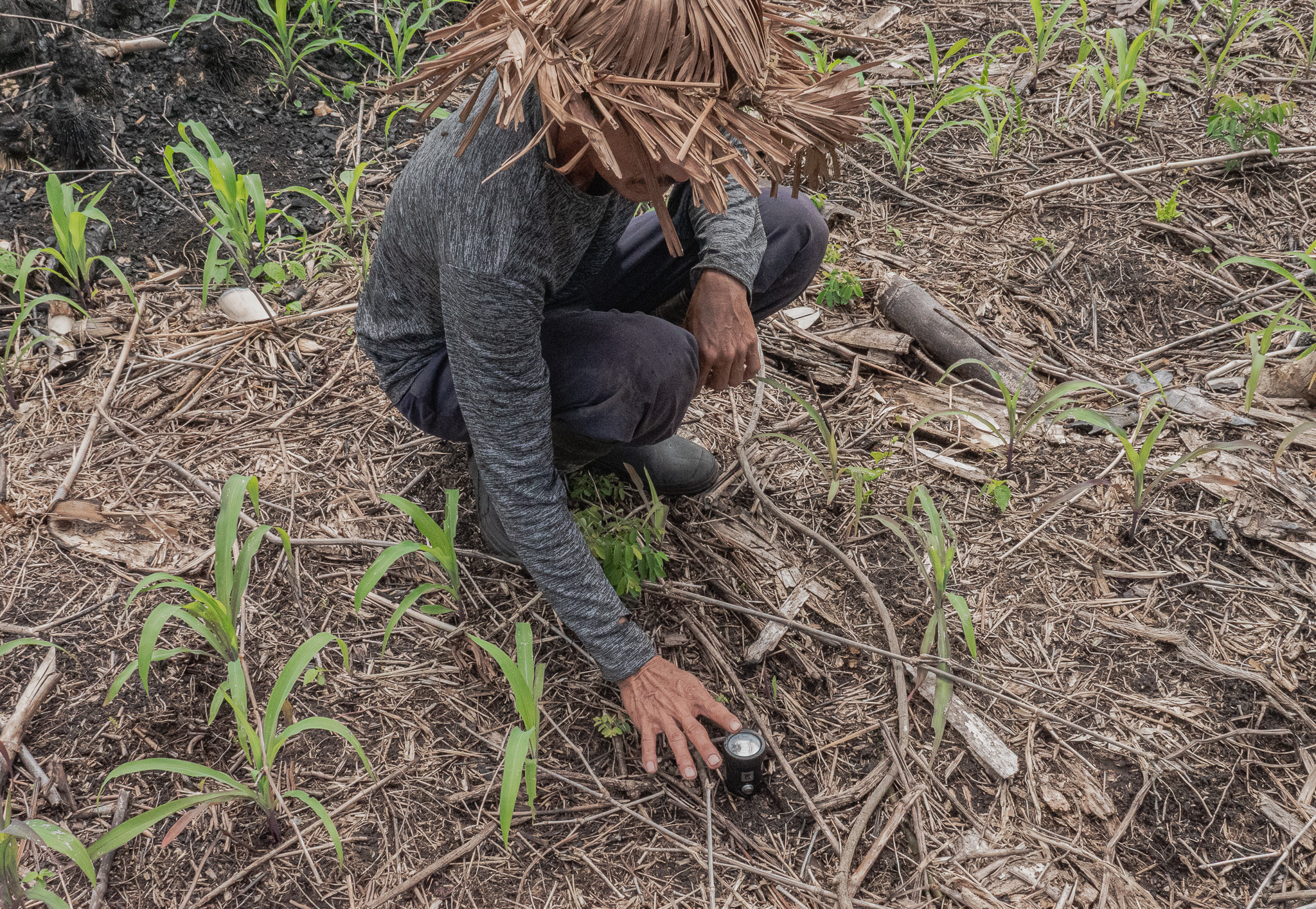
In the case of the Mentawai corn project, however, many farmers felt abandoned. "It made us feel like we were walking without direction," Xaverius remarked, noting that not a single extension officer visited his site during the entire implementation phase. This lack of guidance led to critical errors in land preparation. For example, some of the land used in Sipora had previously served as a parking area for heavy machinery. Unbeknownst to the farmers, the soil was contaminated with spilled oil and fuel, which severely stunted plant growth.
Furthermore, the chemical composition of the Mentawai soil presented a barrier that many farmers were ill-equipped to handle without professional assistance. Tirjelius Taikatubutoinan, the Head of Saureinu Village, explained that the soil in his area is dominated by peat with a high acidity level, registering a pH of 5. Corn typically requires a neutral pH of around 7. To rectify this, farmers had to invest heavily in dolomite lime to neutralize the soil, as well as chemical pesticides and fertilizers. This stood in stark contrast to traditional Mentawai farming practices, which rely almost exclusively on organic methods and local staples that are naturally adapted to the soil.
Economic and Logistical Barriers to Profitability
Even in areas where the corn managed to grow, the economic viability of the project remained highly questionable. The Mentawai Islands are geographically isolated from the mainland of Sumatra, creating a massive logistical hurdle for any commodity intended for export to markets in Padang.
The logistical costs associated with the project often exceeded the potential revenue. Shipping corn to Padang costs approximately Rp1.5 million per ton. While the state logistics agency, Bulog, set a purchase price of Rp6,500 per kilogram (or Rp6.5 million per ton), the margins were razor-thin once labor, seeds, fertilizer, and transportation were factored in. In Sipora Jaya, Village Head Lutfi Anto noted that his village had originally planned to plant durian trees—a high-value crop with long-term sustainability—on 10 hectares of land. The sudden shift to corn forced them to divert 20% of their Village Fund into a commodity that many felt was doomed from the start.
In Maileppet, Yohanes Napitupulu of the local BUMDes reported that after August 2025, they managed to harvest only 400 kilograms of corn from a four-hectare plot—a fraction of the expected yield. The small size of the harvested kernels and the high cost of transport meant that the corn was not even worth shipping to the mainland. Instead, it was stored for local consumption, defeating the purpose of creating a profitable agricultural stream for the village.
Critical Analysis: The "Berasisasi" Logic and Cultural Disregard
Rifai Lubis, the Director of the Citra Mandiri Mentawai Foundation (YCMM), has been a vocal critic of the program, describing it as a "fallacy of thought." He compared the mandatory corn planting to the "Berasisasi" (rice-ification) policies of the New Order era, where the government attempted to force rice consumption and cultivation on regions where it was not culturally or ecologically appropriate.
Lubis argued that the government failed to conduct any meaningful preliminary surveys to determine which crops were suitable for the Mentawai ecosystem. "The funds used for this corn project could have bought enough rice to feed every family in Bojakan for six months," Lubis noted pointedly. He emphasized that by forcing a uniform commodity across the archipelago, the government ignored the inherent strengths of Mentawai’s indigenous food systems.
Staples such as sago, taro (keladi), and various tubers are not only culturally significant but also ecologically resilient. Sago, for instance, does not require chemical fertilizers, is highly resistant to climate fluctuations, and thrives in the very swampy conditions that destroyed the corn crops. By prioritizing corn—a crop that requires intensive inputs and specific soil conditions—the program inadvertently undermined the food sovereignty it claimed to protect.
Broader Implications for National Food Security Policy
The failure of the Mentawai corn project serves as a cautionary tale for national food security strategies that rely on top-down mandates without local consultation. While the central government’s desire to increase national corn production is driven by a need to reduce imports and support the poultry feed industry, the implementation in Mentawai suggests a lack of regional nuance.
The implications of these failures are twofold. First, there is the immediate financial impact on village budgets. The " penyertaan modal" (capital participation) from the Village Funds represents money that could have been spent on infrastructure, healthcare, or education. Instead, as Xaverius lamented, it felt like "throwing money away."
Second, there is the long-term impact on farmer morale and land health. Converting natural wetlands or traditional agroforestry plots into monoculture corn fields can lead to soil degradation and a loss of biodiversity. When these projects fail, the land is often left in a worse state than before, and farmers are left more vulnerable to food insecurity.
As of May 2026, the Mentawai Regency Government has yet to provide a formal response to the reports of widespread failure. Efforts by journalists to reach local authorities for clarification on the future of the program have gone unanswered. For the residents of Sipora, Siberut, and Pagai, the hope is that future policies will prioritize "food sovereignty"—which values local knowledge and ecological suitability—over the rigid "food security" targets set by distant bureaucracies. Until then, the half-submerged stalks of corn in the Mentawai marshes remain a silent testament to a policy that ignored the land it sought to cultivate.