Bambang Pamungkas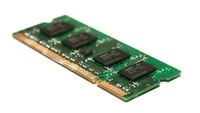
Jakarta, CNBC Indonesia – The pervasive global memory chip shortage, initially impacting the prices of essential devices like smartphones and laptops, has now extended its reach to Meta’s virtual reality (VR) headsets, with price adjustments of approximately Rp 1 million (around US$65) per unit. This escalation is part of a broader trend, as the burgeoning demand for high-performance memory chips, primarily driven by the rapid expansion of artificial intelligence (AI) technologies, continues to reshape the global semiconductor landscape and subsequently, the consumer electronics market.
On Saturday, April 18, 2026, Meta officially announced an increase in the price of its Quest 3S VR headset with 128 GB of storage, moving from US$299.99 (approximately Rp 5.1 million) to US$349.99 (approximately Rp 6 million). This increment of US$50 signals a significant shift in the pricing strategy for one of the leading consumer VR devices. Further adjustments were detailed for other models within the Quest lineup: the Quest 3 with 512 GB memory will see its price climb by US$100 to US$599.99 (approximately Rp 10.3 million), while the 256 GB version will increase by US$50 to US$449.99 (approximately Rp 7.7 million). Meta clarified that these price changes would also apply to refurbished Quest units, although accessories would remain unaffected.
The impact of the chip crunch is not isolated to Meta. Sony, another major player in the consumer electronics space, has also implemented price hikes for its PlayStation 5 console, raising its cost by US$100 in the United States. The Japanese electronics giant cited similar challenges, specifically an increase in the cost of key components, as the primary reason for this adjustment. This confluence of price increases across diverse product categories underscores the profound and widespread effects of the current semiconductor supply-demand imbalance.
The Genesis of the Shortage: AI’s Insatiable Demand
The current memory chip scarcity and subsequent price surge began to manifest significantly at the start of 2026, propelled by an unprecedented acceleration in AI development. Generative AI models, large language models (LLMs), and advanced machine learning applications are requiring exponentially greater computational power and, critically, vast amounts of high-bandwidth memory (HBM) and high-performance DRAM. Data centers, which form the backbone of these AI operations, have become the primary consumers of these advanced chips.
Semiconductor manufacturers, facing intense pressure to meet this booming enterprise-level demand, have strategically reallocated their production capacities. The economics are straightforward: data center clients offer higher profit margins and more stable, large-volume orders compared to the more volatile and lower-margin consumer electronics market. This strategic pivot means that while consumer devices still require memory, they are increasingly deprioritized in the manufacturing queues, leading to supply constraints and elevated prices for components designated for products like VR headsets, game consoles, and smartphones.
Historically, chip shortages have emerged from various catalysts, from geopolitical tensions disrupting supply chains to the sudden surge in demand for work-from-home technology during the COVID-19 pandemic. However, the current situation is unique in its primary driver: the rapid, resource-intensive growth of AI. This is not merely a transient supply chain hiccup but a fundamental shift in demand patterns that is reshaping the semiconductor industry’s priorities and investment strategies.
Chronology of Price Adjustments and Market Reactions
The first signs of significant memory chip price increases were observed in late 2025, with spot market prices for certain DRAM and NAND flash memory components beginning a steady climb. By early 2026, major chip manufacturers such as Samsung Electronics, SK Hynix, and Micron Technology had signaled potential price adjustments for their memory offerings, citing rising input costs and overwhelming demand from the AI sector.
- Early 2026: Industry analysts begin reporting substantial increases in contract prices for high-density DRAM and NAND flash, with some estimates suggesting a quarterly increase of 15-20% for certain memory types.
- February-March 2026: Initial reports emerge of manufacturers like Dell and Microsoft adjusting prices for specific laptop and enterprise hardware configurations, attributing the changes to rising component costs. Smartphone vendors in various regions also start to quietly implement incremental price increases.
- April 18, 2026: Meta officially announces the price hike for its Quest 3S and Quest 3 VR headsets, citing increased component costs and supply chain pressures. This move sends ripples through the nascent but growing VR market.
- Late April 2026: Sony confirms a US$100 price increase for its PlayStation 5 console in the US market, joining the growing list of consumer electronics companies impacted by the chip crunch.
- Throughout April 2026 (Indonesia): As reported by CNBC Indonesia, the local smartphone market sees significant price adjustments, ranging from Rp 100,000 to Rp 2,000,000. For instance, the Samsung Galaxy A07 (4/64 GB), previously around Rp 1.4 million, is now priced at approximately Rp 1.6 million. This reflects the global trend trickling down to local consumer markets.
Supporting Data and Market Dynamics
The scale of AI’s impact on memory demand is staggering. According to a recent report by a leading tech research firm, the global market for AI accelerators and specialized memory for AI applications is projected to grow by over 40% annually through 2030. This growth is primarily fueled by the deployment of more sophisticated AI models that require HBM and high-capacity DDR5 DRAM, which are significantly more expensive and complex to produce than standard consumer-grade memory.
- DRAM Spot Prices: Data from industry intelligence platforms indicates that spot prices for certain high-density DDR5 DRAM modules, crucial for both AI servers and high-end consumer devices, have risen by an average of 25-30% in Q1 2026 compared to the previous quarter. NAND flash prices, while experiencing a slightly slower but still significant ascent, have also shown an average increase of 10-15%.
- Manufacturing Capacity: Major chipmakers are heavily investing in expanding HBM and advanced DRAM fabrication facilities, but these investments have long lead times, typically 2-3 years, before new capacity comes online. This creates an immediate supply gap that cannot be quickly resolved.
- Profit Margins: Analysts estimate that profit margins for memory chips sold to data centers for AI applications can be 2-3 times higher than those for consumer electronics, providing a clear incentive for manufacturers to prioritize the former.
- VR Market: The VR market, while still niche compared to smartphones, is a key growth area for Meta. The Quest series has been instrumental in democratizing VR. A price increase, even if justified by component costs, could potentially slow down adoption rates, especially among casual consumers or those on tighter budgets.
- Gaming Console Market: The PlayStation 5, despite being several years into its lifecycle, continues to be a highly sought-after console. Sony’s decision to raise prices, even after initial supply chain hurdles from its launch, highlights the persistent pressure from component costs. This could impact sales volumes and potentially push consumers towards alternative gaming platforms or older console generations.
Official Responses and Industry Insights
Meta’s Stance: In its announcement, Meta stated, "The price adjustment for our Quest headsets reflects the ongoing increase in global component costs and the persistent challenges within the supply chain, particularly for high-performance memory chips. We are committed to delivering the best VR experience and are continually working to optimize our production while navigating these external economic pressures." This statement aligns with the broader industry narrative, emphasizing the unavoidable nature of these price hikes.
Sony’s Explanation: While Sony did not issue a detailed statement specific to the latest US$100 increase, previous communications regarding PS5 price adjustments in other regions have consistently pointed to "challenging economic conditions, including high global inflation rates, as well as adverse currency trends, impacting consumers and creating pressure on several industries." The current chip shortage, driven by AI, adds another layer to these pre-existing pressures.
Chip Manufacturer Perspectives (Inferred): Leading memory chip manufacturers, while not directly commenting on consumer device pricing, have consistently highlighted the unprecedented demand from the AI sector. Executives from companies like SK Hynix and Micron have publicly discussed their strategies to ramp up HBM production and meet the specific requirements of AI server farms. Their focus remains on maximizing output for the most profitable segments, implicitly acknowledging the downstream impact on other markets. "The AI revolution is fundamentally altering the demand profile for memory," remarked a hypothetical executive from a major memory supplier. "Our strategic investments and production allocations are necessarily prioritizing the advanced memory solutions critical for data centers and AI accelerators, where the technological demands and market growth are currently most pronounced."
Industry Analysts’ Commentary: "These price increases are an inevitable consequence of the AI boom," commented Dr. Anya Sharma, a principal analyst at Tech Insights Group. "The sheer volume and sophistication of memory required for generative AI models mean that consumer electronics, which typically use less specialized and lower-margin memory, will continue to face supply constraints and higher costs. Companies like Meta and Sony are simply passing on these increased input costs, as absorbing them entirely would severely impact their profitability." Dr. Sharma also suggested that this trend might encourage consumer electronics companies to explore alternative memory solutions or design products that are less memory-intensive, although such shifts would take time.
Broader Impact and Implications
The ripple effects of this chip shortage extend far beyond individual product prices:
- Consumer Access and Affordability: Higher prices create a barrier to entry for consumers, particularly for emerging technologies like VR, potentially slowing down mass adoption. For essential items like smartphones, even a moderate price increase can significantly impact budget-conscious buyers in developing markets.
- Innovation vs. Cost: Manufacturers face a delicate balance. They must continue innovating to remain competitive, but doing so with increasingly expensive components puts immense pressure on R&D budgets and final product pricing. This could lead to a two-tiered market, where high-end, AI-enabled devices become prohibitively expensive for many.
- Supply Chain Resilience: The current situation underscores the fragility of global supply chains and the need for greater diversification and resilience. Governments and companies are likely to invest further in regional chip manufacturing capabilities, though this is a long-term solution.
- Economic Inflation: The rising cost of critical components contributes to broader inflationary pressures across the technology sector and, by extension, the global economy. This affects consumer purchasing power and overall economic stability.
- Shifting Investment Landscape: Venture capital and R&D funds may increasingly flow towards companies focused on AI infrastructure and specialized memory solutions, potentially at the expense of general consumer electronics innovation.
- Evolving Product Strategies: Expect to see manufacturers adjust their product portfolios. Some might introduce "lite" versions of devices with less memory or utilize older, cheaper chip generations where performance isn’t paramount, to keep prices competitive. Others might focus on premium segments where consumers are willing to pay more.
Specific Smartphone Market Impact in Indonesia
The Indonesian market, with its large and diverse consumer base, is particularly sensitive to price fluctuations in smartphones. The reported increases of Rp 100,000 to Rp 2,000,000 across various models in April 2026 are significant. For many Indonesians, smartphones are not just communication devices but essential tools for education, commerce, and entertainment.
-
Samsung’s Adjustments:
- Galaxy A07 (4/64 GB): Rp 1,599,000
- Galaxy A07 (4/128 GB): Rp 1,899,000
- Galaxy A07 (6/128 GB): Rp 2,199,000
- Galaxy A07 (8/256 GB): Rp 2,599,000
- Galaxy A07 5G (6/128 GB): Rp 2,799,000
- Galaxy A17 (8/128 GB): Rp 3,499,000
- Galaxy A17 (8/256 GB): Rp 3,999,000
- Galaxy A17 5G (8/256 GB): Rp 4,499,000
- Galaxy A26 5G (8/256 GB): Rp 4,999,000
- Galaxy A36 5G (8/256 GB): Rp 5,699,000
- Galaxy A36 5G (12/256 GB): Rp 6,399,000
- Galaxy A56 5G (8/256 GB): Rp 6,699,000
- Galaxy A56 5G (12/256 GB): Rp 7,199,000
-
Xiaomi’s Adjustments:
- Xiaomi 15T (12/256 GB) – Rp 7,499,000
- Xiaomi 15T (12/512 GB) – Rp 7,999,000
- Xiaomi 15T Pro (12/512 GB) – Rp 10,499,000
- Redmi A5 (4/128 GB) – Rp 1,599,000
- Redmi 15C (6/128 GB) – Rp 2,049,000 (up from Rp 1.8 million)
- Redmi 15C (8/256 GB) – Rp 2,249,000 (up from Rp 2 million)
- Redmi 15 (8/128 GB) – Rp 2,499,000
- Redmi 15 (8/256 GB) – Rp 2,699,000
- Poco C85 (6/128 GB) – Rp 1,949,000
- Poco C85 (8/256 GB) – Rp 2,149,000
- Poco M7 (8/256 GB) – Rp 2,649,000
-
Oppo’s Adjustments:
- Oppo A6 Pro 5G (8/256 GB) – Rp 4,799,000
- Oppo A6 Pro 4G (8/128 GB) – Rp 4,099,000
- Oppo A6 Pro 4G (8/256 GB) – Rp 4,499,000
- Oppo A6 4G (6/128 GB) – Rp 4,099,000
- Oppo A6 4G (6/256 GB) – Rp 4,399,000
- Oppo A6x 4G (4/128 GB) – Rp 2,799,000
- Oppo A6x 4G (6/128 GB) – Rp 3,499,000
- Oppo A6x 4G (6/256GB) – Rp 3,899,000
- Oppo A6x 4G (8/128 GB) – Rp 3,799,000
- Oppo A6t Pro 5G (8/256 GB) – Rp 4,799,000
These adjustments affect a wide range of popular models, from entry-level to mid-range smartphones, which constitute the bulk of the Indonesian market. The increases, though seemingly small for some models, can significantly impact purchasing decisions for consumers who often save meticulously for these devices. Local distributors and retailers are likely to face challenges in maintaining sales volumes amidst these price shifts, potentially leading to a slight contraction in market growth or a shift towards more affordable, lower-spec alternatives.
The Path Forward: Navigating a New Tech Landscape
The current global memory chip shortage, primarily fueled by the AI boom, is not merely a transient market anomaly but a structural shift with long-lasting implications. As demand for advanced AI capabilities continues to surge, the prioritization of high-margin data center components over consumer-grade memory will likely persist. This necessitates a re-evaluation of strategies for consumer electronics manufacturers, who must either find ways to absorb rising costs, pass them on to consumers, or innovate with more memory-efficient designs. For consumers, the era of rapidly decreasing tech prices, especially for devices reliant on cutting-edge memory, may be coming to an end, ushering in a period of more considered purchasing and potentially slower adoption of new technologies. The interconnectedness of global technology trends ensures that a breakthrough in one sector, like AI, can profoundly reshape the economic realities of many others, from virtual reality to everyday smartphones.