Bambang Pamungkas
PT Mitra Saruta Indonesia (MSI), a prominent textile manufacturer based in Nganjuk, East Java, stands as a testament to enduring entrepreneurial spirit and strategic foresight, marking 36 years as a consistent global exporter since its inception in 1989. This labor-intensive enterprise has not only weathered numerous economic storms but has also carved out a unique niche by pioneering a robust, circular economy model within the textile industry, transforming domestic textile waste into high-value products like colored yarn and various types of gloves for international markets. The company’s journey underscores a successful blend of operational efficiency, environmental responsibility, and aggressive market diversification, making it a compelling case study for industrial resilience and sustainable growth in Indonesia.
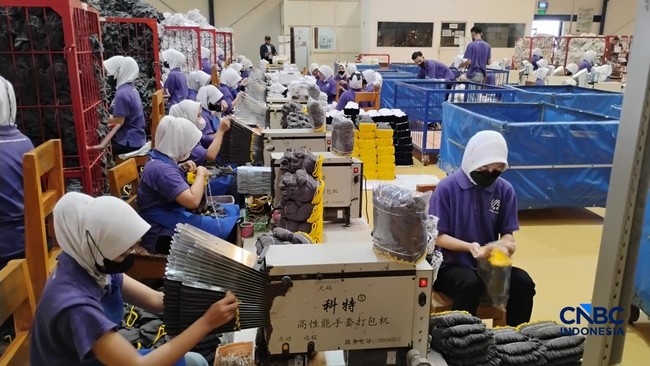
The factory floor in Nganjuk hums with activity, a vibrant hub where approximately 1,700 dedicated employees contribute to MSI’s impressive monthly output. This significant workforce highlights MSI’s role as a critical job creator and economic pillar in the region, providing livelihoods and fostering local development. Beyond its economic footprint, MSI has championed an environmentally conscious approach by establishing a substantial textile waste processing capacity, handling up to 3,500 tons of post-industrial and post-consumer textile waste each month. This raw material, sourced entirely from within Indonesia, is meticulously recycled and upcycled, underscoring the company’s commitment to a self-sufficient and sustainable supply chain, free from the volatility of imported raw materials. The transformation of this waste into new, marketable textile products not only minimizes landfill burden but also positions MSI at the forefront of the global movement towards eco-friendly manufacturing.
A Legacy of Global Reach and Adaptability
MSI’s journey into the international arena began early, with initial exports targeting discerning markets such as Japan and the United States. These foundational relationships, cultivated from the company’s nascent stages, laid the groundwork for a broader global footprint. Over the decades, MSI has meticulously expanded its market reach, with its high-quality colored yarn now exported to 29 countries and its diverse range of gloves reaching 21 nations across various continents. This extensive market diversification strategy has been a cornerstone of MSI’s longevity and resilience, particularly in navigating the unpredictable currents of global trade and economic fluctuations.
The Indonesian textile industry, a historically significant contributor to the nation’s economy, has faced its share of challenges, from intense international competition to shifts in global demand and technological advancements. In this dynamic environment, MSI’s ability to not only survive but thrive for over three decades speaks volumes about its adaptive management and strategic acumen. The company’s focus on niche products derived from recycled materials offers a competitive edge, appealing to a growing segment of global consumers and businesses prioritizing sustainability. This innovative approach ensures that MSI’s products are not merely cost-competitive but also align with contemporary ethical and environmental standards.
Chronology of Growth and Innovation
Founded in 1989, PT Mitra Saruta Indonesia emerged during a period of burgeoning industrialization in Indonesia. The company initially focused on manufacturing textile products, quickly identifying the potential of export markets to drive growth. The early 1990s saw MSI establishing its first international trade links, primarily with Japan, a market known for its stringent quality requirements. Successfully penetrating this market validated MSI’s commitment to quality and efficiency.
The late 1990s and early 2000s presented significant challenges, including the Asian Financial Crisis of 1997-1998, which severely impacted many Indonesian businesses. However, MSI’s nascent export diversification, including its expansion into the United States market, provided a crucial buffer, allowing the company to maintain operational stability and employment levels. This period reinforced the management’s belief in spreading market risks.
By the 2000s, recognizing the growing global concern for environmental sustainability and the abundant availability of domestic textile waste, MSI began to strategically invest in recycling technologies. This pivot was a game-changer, transforming what was once a waste disposal challenge into a sustainable raw material source. This proactive step allowed MSI to insulate itself from the price volatility and supply chain disruptions often associated with virgin raw materials, simultaneously enhancing its brand image as an eco-conscious manufacturer.
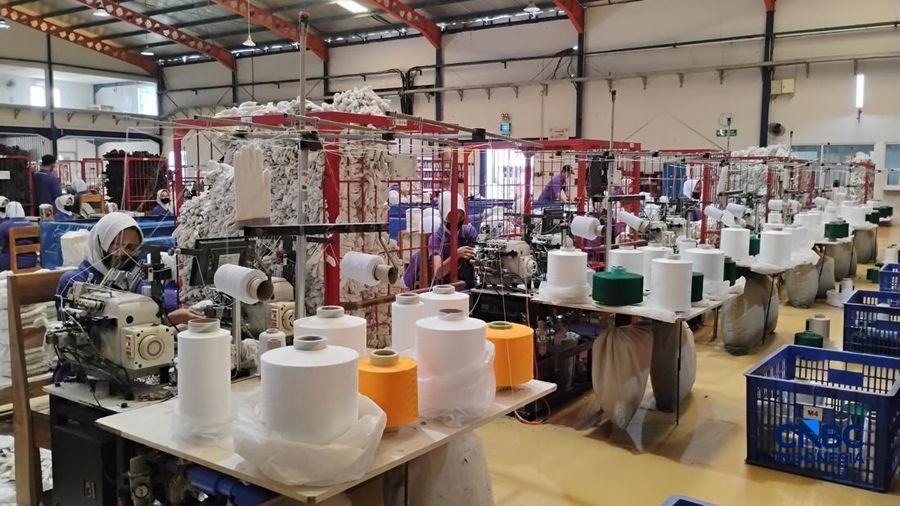
The 2010s saw MSI solidify its position as a leading producer of recycled yarn and gloves, expanding its product portfolio and further diversifying its export destinations. Investments in modern machinery and processes boosted production capacities to their current impressive levels: 1.5 million dozen pairs of gloves and 3,250 tons of colored yarn per month. This decade also witnessed the formalization of partnerships with governmental and financial institutions like Lembaga Pembiayaan Ekspor Indonesia (LPEI), which provided essential capital for continued expansion and market penetration.
Driving a Circular Economy in Textiles
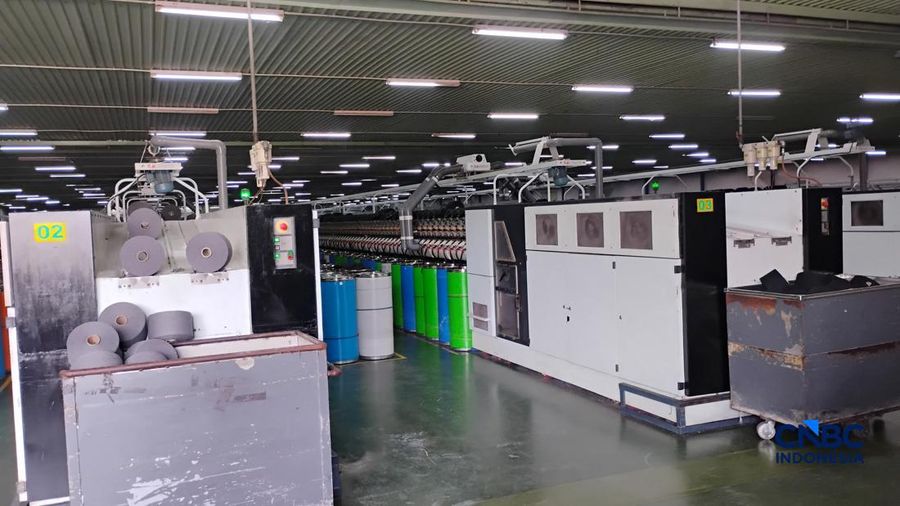
MSI’s commitment to processing 3,500 tons of textile waste monthly is a powerful demonstration of the circular economy in action. This process typically involves several stages: collection and sorting of textile scraps (both pre-consumer industrial waste and post-consumer garments), shredding, fiber regeneration, and then spinning into new yarn. By utilizing domestically sourced textile waste, MSI contributes significantly to Indonesia’s waste management efforts, transforming what would otherwise be a pollutant into a valuable resource. This not only reduces the environmental impact of textile production but also creates an internal supply chain that fosters local economic activity and reduces reliance on global commodity markets.
The environmental implications of this model are profound. Traditional textile manufacturing is notoriously resource-intensive, consuming vast amounts of water, energy, and chemicals, and generating significant waste. By contrast, MSI’s recycling process substantially lowers the demand for virgin fibers, thereby reducing water usage, energy consumption, and chemical pollution associated with conventional fiber production. Furthermore, by diverting textile waste from landfills, MSI helps mitigate greenhouse gas emissions (methane from decomposing textiles) and prevents soil and water contamination. This sustainable practice resonates strongly with global brands and consumers increasingly demanding transparency and eco-friendliness in their supply chains.
Strategic Export Diversification and Global Competitiveness
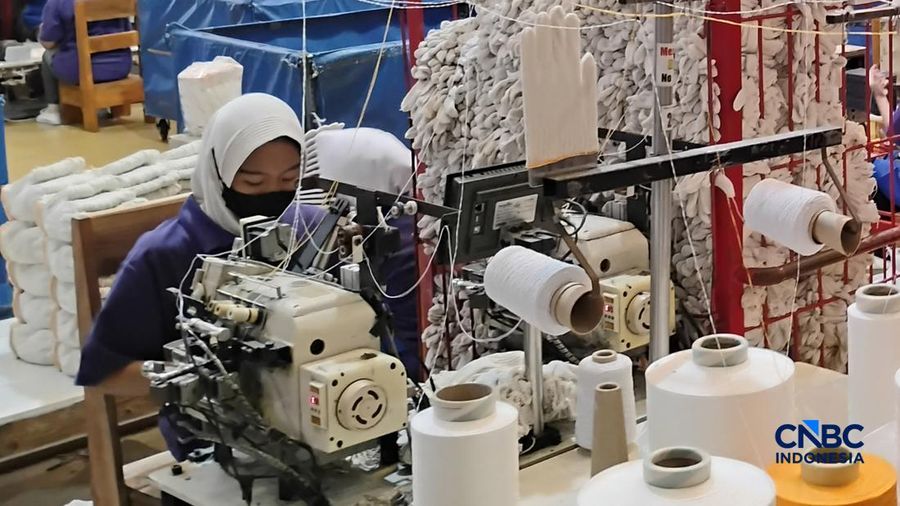
MSI’s management credits its diversified export portfolio as a key factor in its resilience against global economic turbulence. By not heavily relying on a single market or region, the company can mitigate risks associated with geopolitical tensions, trade disputes, or economic downturns in specific countries. For instance, while trade tensions might affect exports to one region, robust demand from another can help stabilize overall performance. This strategy was particularly effective during recent global disruptions, such as the COVID-19 pandemic and subsequent supply chain challenges, where diversified market access allowed MSI to pivot and maintain sales volumes.
The export of colored yarn to 29 countries signifies a broad acceptance of MSI’s product quality and its ability to meet diverse market specifications. Similarly, the reach of its gloves to 21 countries indicates versatility in product offerings, catering to various industrial, safety, and general-purpose applications. Key markets like Japan, known for its emphasis on precision and quality, and the United States, a large consumer market, serve as crucial anchors, while expansion into other regions like Europe, Asia, and potentially emerging markets, provides growth opportunities and risk mitigation. Maintaining strong relationships with international buyers, coupled with consistent product quality and competitive pricing, are paramount to sustaining this global reach.
The Indispensable Role of Export Financing
The growth trajectory of PT Mitra Saruta Indonesia has been significantly bolstered by strategic partnerships, notably with the Lembaga Pembiayaan Ekspor Indonesia (LPEI), also known as Indonesia Eximbank. LPEI, a special financial institution established by the Indonesian government, is mandated to facilitate and boost national exports. Its support for companies like MSI is critical, especially for labor-intensive industries that often require substantial working capital for raw material procurement, production, and shipping, as well as investment credit for capacity expansion and technological upgrades.
For MSI, LPEI’s financing facilities have provided the necessary liquidity and capital for several crucial aspects of its operations:
- Working Capital: To manage the large-scale acquisition of textile waste (3,500 tons/month) and cover day-to-day operational costs, ensuring uninterrupted production cycles.
- Investment Credit: To fund the purchase of advanced recycling machinery, spinning equipment, and glove manufacturing lines, thereby enhancing production efficiency, expanding capacity, and improving product quality to meet international standards.
- Market Expansion: Financial backing enables MSI to explore new export markets, participate in international trade fairs, and comply with varied regulatory requirements, thus broadening its global reach.
A hypothetical statement from an LPEI representative might underscore this partnership: "MSI exemplifies the kind of resilient and innovative Indonesian exporter that LPEI is committed to supporting. Their commitment to sustainability, job creation, and market diversification aligns perfectly with our national export agenda. Our financial instruments are designed to empower such enterprises to scale their operations, enhance their global competitiveness, and contribute significantly to Indonesia’s balance of trade and economic stability." This synergy between government support and private sector initiative is a powerful model for fostering sustainable economic growth.
Broader Impact and Future Outlook
MSI’s success story extends beyond its financial achievements; it offers valuable lessons for the broader Indonesian industrial landscape. Firstly, it highlights the viability and profitability of a circular economy model, proving that environmental responsibility can go hand-in-hand with business success. This could inspire other industries to adopt similar sustainable practices, reducing waste and creating value from secondary resources. Secondly, the emphasis on domestic raw materials not only strengthens local supply chains but also reduces national dependency on imports, contributing to economic self-reliance.
For the Nganjuk region and East Java, MSI’s operations provide significant socio-economic benefits. The creation of 1,700 jobs offers stable employment opportunities, enhancing local purchasing power and contributing to community development. As a labor-intensive industry, MSI’s continued growth helps absorb a substantial portion of the local workforce, which is crucial for regional stability and prosperity.
Looking ahead, PT Mitra Saruta Indonesia is well-positioned for continued growth. The increasing global demand for sustainable products, coupled with advanced recycling technologies, offers new avenues for innovation and market penetration. Potential future strategies could include further investment in R&D to develop new value-added products from textile waste, exploring more advanced fiber-to-fiber recycling techniques, or even collaborating with fashion brands committed to circularity. The company’s established infrastructure, skilled workforce, and proven export strategies, backed by continuous support from institutions like LPEI, set the stage for MSI to remain a leading light in Indonesia’s textile export sector and a global champion of sustainable manufacturing. Its 36-year journey is not just a chronicle of endurance but a blueprint for future industrial success driven by innovation, sustainability, and global vision.