Nasution Nanang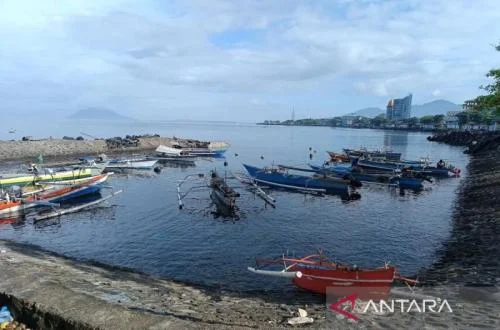
In a significant move to bolster economic stability and safeguard the rights of fishing communities, Destructive Fishing Watch (DFW) Indonesia has spearheaded a multi-stakeholder initiative in North Sulawesi aimed at refining and aligning fisheries zoning management. This collaborative effort, culminating in a series of intensive dialogues and coordination meetings, seeks to forge a more equitable and sustainable framework for the region’s vital fisheries sector. The overarching goal is to address existing rigidities in zonal demarcation, which often impede the operational efficiency and economic viability of local fishers, while simultaneously promoting environmentally sound fishing practices and robust protections for marine workers. The outcome of these discussions is a comprehensive set of ten crucial recommendations designed to foster a dynamic and responsive governance model for fisheries in the WPPNRI (Wilayah Pengelolaan Perikanan Negara Republik Indonesia – Indonesian Fisheries Management Area) 715, 716, and 717 zones.
The Imperative for Reform: Challenges in Fisheries Governance
Indonesia, as an archipelagic nation, possesses an immense marine territory and an extraordinarily rich biodiversity, making its fisheries sector a cornerstone of its economy and a primary source of livelihood for millions. North Sulawesi, strategically located at the confluence of the Pacific and Indian Oceans, is particularly endowed with abundant marine resources, supporting a vibrant fishing industry that contributes significantly to both provincial and national food security and economic output. However, like many regions globally, it grapples with the complex challenges of managing these resources sustainably amidst increasing fishing pressure, evolving environmental conditions, and the need to balance conservation with socio-economic development.
Traditional approaches to fisheries management, particularly those involving rigid zonal demarcations, have often led to unintended consequences. While intended to prevent overfishing in specific areas and manage different types of gear, overly restrictive zones can inadvertently limit the mobility of traditional and small-scale fishers, forcing them into less productive waters or creating conflicts when they inadvertently cross into prohibited areas. This not only impacts their catch volumes and income but can also lead to increased operational costs and even legal repercussions, despite their adherence to selective and environmentally friendly fishing methods. Furthermore, the dynamic nature of fish migratory patterns, influenced by seasonal changes and oceanographic conditions, means that fixed zones may not always align with the actual distribution of target species, rendering them less effective for both conservation and exploitation.
DFW Indonesia, a prominent non-governmental organization dedicated to promoting sustainable and responsible fisheries, has long advocated for a more adaptive and inclusive approach to marine resource management. Recognizing these systemic issues in North Sulawesi, the organization facilitated a series of engagements with various stakeholders, including government agencies, fishing associations, academic institutions, and local communities. These dialogues were designed to identify pain points, gather diverse perspectives, and collectively formulate pragmatic solutions that cater to both ecological sustainability and socio-economic justice.
A Collaborative Framework: The Multi-Stakeholder Dialogue
The genesis of these proposed reforms lies in a series of multi-stakeholder dialogues and a pivotal coordination meeting involving the Unit Pengelola Perikanan (UPP) or Fisheries Management Unit representatives from WPPNRI 715, 716, and 717. These WPPNRI zones represent vast marine territories managed by Indonesia, with WPPNRI 715 covering the Pacific Ocean and parts of the Celebes Sea, WPPNRI 716 encompassing the Celebes Sea and the Molucca Sea, and WPPNRI 717 covering the Tomini Bay, Seram Sea, and Halmahera Sea. The overlapping interests and potential for conflict or synergy between these adjacent zones necessitate a harmonized management approach.
Cindy Mudeng, a dedicated staff member of DFW Indonesia, played a crucial role in articulating the consensus reached during these extensive consultations. She highlighted that a total of ten key points were meticulously formulated, reflecting a shared understanding of the challenges and a collective commitment to innovative solutions. The discussions brought together representatives from the Ministry of Marine Affairs and Fisheries (KKP), the Provincial Maritime Affairs and Fisheries Agency (DKP) of North Sulawesi, as well as other relevant governmental bodies and non-governmental organizations. This inclusive participation ensured that the proposed recommendations were grounded in practical realities and supported by a broad base of expertise and experience.
Key Proposals for Zonal Flexibility and Sustainable Management
At the forefront of the ten recommendations is the urgent need to introduce flexibility in fishing zones, particularly for vessels operating with selective and environmentally friendly fishing gear. This addresses a critical operational constraint faced by many fishers in North Sulawesi, especially those transitioning between the third zone of WPPNRI 715 and the second zone of WPPNRI 716. Under current rigid regulations, such transitions can be problematic, even for compliant vessels. DFW Indonesia emphasizes that a nuanced approach is essential to maintain the continuity of fishing operations while upholding environmental protection standards. This flexibility is not a carte blanche but rather a carefully calibrated adjustment for specific types of gear that pose minimal threat to marine ecosystems.
To operationalize this flexibility, DFW Indonesia recommends the implementation of a "buka-tutup" (open-close) system for fishing grounds, complemented by the development of a scientific catch season calendar. This adaptive management approach would allow certain areas to be opened or closed to fishing based on real-time ecological data, fish stock assessments, and environmental indicators. Unlike static zones, the open-close system, combined with a scientifically derived calendar, offers a dynamic mechanism to manage fishing pressure, protect spawning grounds, and allow fish populations to recover. This methodology, rooted in scientific research and informed by local knowledge, represents a significant shift from prescriptive regulations to a more responsive, ecosystem-based management framework. Pilot projects and rigorous trials within the UPP WPPNRI areas would be crucial to validate the effectiveness of this system before wider implementation.
Revisiting VMS and Administrative Sanctions
Another critical area of concern addressed in the recommendations pertains to the Vessel Monitoring System (VMS) and the application of administrative fines. While VMS is an indispensable tool for monitoring fishing activities, combating illegal, unreported, and unregulated (IUU) fishing, and ensuring compliance, its implementation and associated penalty structures can sometimes disproportionately burden local fishers and small-scale operators. The discussions revealed a need for comprehensive evaluation and targeted socialization of VMS regulations. Many local fishers, particularly those with limited technological literacy or financial resources, may struggle with the technical requirements or the implications of non-compliance.
DFW Indonesia underscores the importance of reviewing the current VMS framework to ensure that it serves its intended purpose without inadvertently penalizing legitimate fishing operations. This involves simplifying reporting procedures where possible, providing adequate training and technical support, and ensuring that administrative fines are proportionate to the offense and do not cripple the livelihoods of financially vulnerable fishers. The goal is to foster compliance through understanding and support, rather than through punitive measures that can lead to economic hardship and resistance. Engaging with fishing communities to understand their challenges in adopting VMS technology and adapting regulations accordingly will be vital for successful implementation.
Prioritizing Fisher Welfare and Rights
Beyond economic stability, the initiative places a strong emphasis on the protection and welfare of fishing workers, recognizing them as the backbone of the industry. The discussions highlighted persistent challenges related to labor conditions, safety at sea, and the enforcement of workers’ rights.
-
Harmonizing Regulations and Empowering FP3N: DFW Indonesia advocates for a robust synchronization of regulations pertaining to the protection of fishing crew members, extending from central government policies down to local implementation. This ensures a consistent and comprehensive legal framework. Furthermore, optimizing the functions of the Regional Fisheries Worker Protection Forum (FP3N) in North Sulawesi is seen as crucial. FP3N should be empowered to serve as a proactive body for handling complaints, overseeing compliance with labor laws, and executing cross-sectoral rules for the protection of fishing crew members (AWK). This involves strengthening its capacity for investigation, mediation, and enforcement, ensuring that it can effectively address issues such as unfair contracts, hazardous working conditions, and exploitation.
-
Occupational Safety, Health, and Ethical Recruitment: The safety and health of fishers are paramount. The recommendations include the development and implementation of clear standards for Occupational Safety and Health (K3) specifically tailored for the fisheries sector. Fishing is one of the most dangerous professions globally, and comprehensive K3 guidelines, coupled with training and equipment, are essential to mitigate risks. Concurrently, DFW stresses the need to improve recruitment systems for fishing workers, ensuring they align with human rights principles and the stringent demands of international markets. This involves transparent contracting, fair wages, access to social security, and freedom from forced labor or trafficking, which are increasingly scrutinized in global seafood supply chains. Adherence to international labor standards, such as those promulgated by the International Labour Organization (ILO), is critical for enhancing the reputation of Indonesian seafood products and ensuring ethical sourcing.
Strengthening Data Infrastructure for Informed Policy
Effective fisheries management hinges on accurate and reliable data. The current data collection mechanisms, particularly for catch results, often suffer from inconsistencies and gaps, especially in non-port landing sites. DFW Indonesia therefore emphasizes the critical need for improving catch data collection through enhanced data infrastructure at both official fishing ports and informal landing sites within the WPPNRI 716 area. Accurate data on catch volumes, species composition, fishing effort, and gear types are indispensable for conducting robust scientific assessments of fish stocks, evaluating the effectiveness of management measures, and formulating evidence-based national policies. Without precise data, policymakers operate in the dark, risking overexploitation or inefficient resource allocation. Investment in training for data collectors, modernizing data systems, and fostering a culture of accurate reporting among fishers are key components of this recommendation.
Ensuring Maritime Security and Operational Safety
Maritime security and the operational safety of fishing vessels are constant concerns, particularly in vast and often remote fishing grounds. The recommendations include the formation of an inter-agency group comprising representatives from various fisheries management institutions within the WPPNRI 715, 716, and 717 scope. This multi-agency task force would be responsible for proactively mitigating security and operational safety issues for fishing vessels, ideally before these problems escalate to require legal intervention. Such a group could facilitate rapid response to emergencies, coordinate patrols to deter illegal activities, and establish clear protocols for addressing disputes or incidents at sea. By fostering better communication and collaboration among enforcement agencies, the aim is to create a safer and more predictable operating environment for fishers, reducing risks associated with piracy, poaching, and accidents. This preventative approach prioritizes safety and security, potentially reducing the need for punitive legal action by addressing root causes and providing timely support.
Broader Implications for Indonesia’s Fisheries Management
The comprehensive recommendations formulated through DFW Indonesia’s initiative in North Sulawesi carry significant implications, potentially serving as a blueprint for sustainable fisheries governance across other WPPNRI zones in Indonesia.
- Economic Impact: By introducing flexibility and science-based management tools like the open-close system, fishers are expected to experience more stable and potentially higher incomes due to improved access to productive fishing grounds and better management of fish stocks. Reduced operational costs from avoiding unnecessary legal penalties and optimizing fishing trips could also contribute to economic resilience.
- Social Equity: The focus on worker protection, ethical recruitment, and K3 standards directly addresses long-standing social justice issues within the fisheries sector. Improved working conditions and greater security will not only enhance the well-being of individual fishers and their families but also elevate the social standing of the profession. Empowering FP3N will provide a vital mechanism for grievance redressal and rights enforcement.
- Environmental Sustainability: The emphasis on selective and eco-friendly gear, scientific catch calendars, and robust data collection mechanisms are foundational to achieving long-term environmental sustainability. These measures are designed to prevent overfishing, protect marine biodiversity, and ensure the health of critical marine ecosystems, aligning Indonesia’s fisheries practices with international conservation goals.
- Improved Governance and Inter-Agency Coordination: The initiative promotes a more integrated and adaptive governance model. By fostering multi-stakeholder dialogues and recommending inter-agency groups, it aims to break down silos between government departments and ensure a more cohesive approach to fisheries management. This improved coordination can lead to more efficient policy implementation, better resource allocation, and reduced bureaucratic hurdles.
- Enhanced International Standing: Adherence to human rights in recruitment and labor practices, coupled with commitments to sustainable fishing, will significantly enhance Indonesia’s reputation on the international stage. This is particularly relevant in an era where consumers and importing nations are increasingly demanding ethically sourced and sustainably harvested seafood.
The discussions and recommendations from the multi-stakeholder dialogue and coordination meeting, attended by a wide array of stakeholders including representatives from the Ministry of Marine Affairs and Fisheries, the DKP Provincial Government of North Sulawesi, and other relevant institutions, underscore a collective commitment to transforming fisheries management in the region. This collaborative spirit, guided by DFW Indonesia, represents a progressive step towards achieving a balance between economic development, social equity, and ecological preservation, setting a promising precedent for the future of Indonesia’s invaluable marine resources.