Nasution Nanang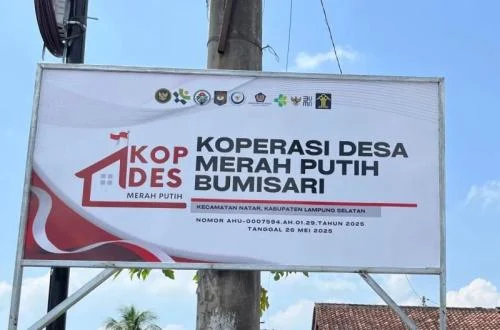
The Lampung Provincial Government has issued a landmark directive, stipulating that all Koperasi Desa Merah Putih (Red and White Village Cooperatives) are now obligated to forge partnerships with Satuan Pelayanan Pemenuhan Gizi (SPPG), or Nutritional Fulfillment Service Units, as a strategic imperative to cultivate and strengthen the business ecosystem within the province’s rural communities. This mandate, formalized through a comprehensive circular letter personally signed by the Governor of Lampung, underscores a proactive approach to rural economic development, aiming to integrate local cooperative structures into the broader framework of public welfare initiatives, particularly those related to food security and nutrition. The policy is designed to transform village cooperatives into dynamic hubs of economic activity, ensuring that the benefits of public programs circulate directly back into the local economy, thereby fostering sustainable growth and empowering rural populations.
The Strategic Nexus: Connecting Cooperatives with Nutritional Programs
The core of this new policy lies in its innovative approach to leveraging existing community structures—village cooperatives—to support crucial public health and welfare programs. The Satuan Pelayanan Pemenuhan Gizi (SPPG) units are integral to the provincial government’s "Program Makan Bergizi Gratis" (Free Nutritious Meal Program), an initiative designed to combat malnutrition, particularly among vulnerable populations such as children, pregnant women, and the elderly in rural areas. By mandating a partnership between these two entities, the Lampung government seeks to create a symbiotic relationship where cooperatives become the primary suppliers for the SPPGs, thus guaranteeing local sourcing of foodstuffs for the meal program while simultaneously providing a stable market for village farmers and producers. This integration is expected to create a robust demand chain that begins and ends within the village, minimizing external dependencies and maximizing internal economic circulation.
Evie Fatmawaty, the Head of the Cooperatives and MSMEs Agency of Lampung Province, elucidated the intricate details and operational guidelines underpinning this new mandate. While emphasizing the compulsory nature of the partnership with SPPGs, Fatmawaty stressed that Koperasi Desa Merah Putih must adhere to a stringent set of conditions designed to ensure fairness, competitiveness, and broad-based community benefit. A paramount condition is that the pricing of products offered by the cooperatives cannot exceed the prevailing market rates found in surrounding local shops or ‘warungs.’ This measure is crucial to prevent price gouging and to maintain a competitive environment, ensuring that the cooperatives do not inadvertently disrupt local market dynamics negatively. Furthermore, the policy explicitly permits and encourages local warungs to procure goods from the Koperasi Desa Merah Putih. This provision is transformative, positioning the village cooperatives not merely as retail outlets, but as central distributors within their respective desa, or villages. "The price must not be higher than that of the warungs, and warungs in the vicinity must be allowed to purchase goods from the cooperative. This way, the Koperasi Desa Merah Putih can function as a distributor of goods, ensuring that business circulation in the village operates actively," Fatmawaty explained, highlighting the dual role of cooperatives as both suppliers for SPPGs and wholesalers for local businesses.
Historical Context and the Evolution of Village Cooperatives in Indonesia
To fully appreciate the significance of Lampung’s initiative, it is essential to understand the historical role of cooperatives in Indonesia. Cooperatives, particularly village cooperatives (Koperasi Unit Desa or KUD), have long been envisioned as pillars of the national economy, especially in rural areas. Established during the New Order era, KUDs were designed to empower farmers, provide access to credit, agricultural inputs, and market channels for their produce. While their effectiveness has varied over time, the underlying principle—collective economic action for community benefit—remains deeply embedded in Indonesia’s development philosophy. The "Merah Putih" (Red and White) designation for these village cooperatives in Lampung likely signifies a renewed emphasis on national identity and local empowerment, aligning these economic entities with broader patriotic and developmental goals. This latest directive from Lampung builds upon this legacy, adapting the cooperative model to address contemporary challenges of food security, local economic stagnation, and inclusive growth. It represents a modern interpretation of the cooperative spirit, moving beyond traditional functions to embrace a more integrated and dynamic role within the local economy, particularly through direct linkage with government-sponsored social programs.
The "Free Nutritious Meal Program": A Catalyst for Local Demand
The "Program Makan Bergizi Gratis" is a critical component fueling the demand side of this cooperative-SPPG partnership. While the specifics of its provincial-level implementation in Lampung are being detailed, similar programs exist across Indonesia, often targeting the reduction of stunting (a major public health concern), improving maternal and child health, and ensuring food security for vulnerable groups. Such programs typically involve the procurement and distribution of daily nutritious meals or food packages. By mandating that SPPGs source these provisions from Koperasi Desa Merah Putih, the Lampung government is effectively guaranteeing a significant and consistent market for locally produced goods. This stable demand encourages local farmers to increase production, diversify crops, and improve quality, knowing there is a reliable buyer. It also minimizes logistical complexities and costs associated with sourcing from distant or external suppliers, thereby making the meal program more efficient and impactful, both nutritionally and economically.
Bandar Negeri: A Prototypical Model of Integrated Rural Economy
The village of Bandar Negeri in Waykanan Regency stands as a compelling example of the policy’s implementation and potential. In this model village, the local Koperasi Desa Merah Putih has actively harnessed the area’s inherent agricultural strengths. The cooperative has strategically diversified its operations, capitalizing on local potential in melon and orange cultivation, poultry farming, and rice paddies. This approach demonstrates a holistic view of the rural economy, where the cooperative acts as a nexus for various agricultural activities. Beyond simply managing its own direct operations, the Bandar Negeri cooperative has also established crucial external partnerships. A notable collaboration is with Bulog, the Indonesian State Logistics Agency, for the procurement of paddy harvests. This partnership ensures that local rice farmers have a guaranteed market for their produce, preventing price volatility and empowering them with greater economic stability. Such multi-faceted engagement ensures that the cooperative’s business activities are not solely reliant on its retail storefronts or its role as an SPPG supplier, but rather on a broader, interconnected network of local production, distribution, and external market access. This comprehensive model in Bandar Negeri serves as a blueprint for other villages, illustrating how cooperatives can become central figures in developing resilient, diversified, and self-sustaining rural economies.
Broader Economic and Social Implications
The implications of Lampung’s directive extend far beyond mere administrative compliance. Economically, the policy is poised to inject significant capital directly into village economies. By ensuring local sourcing for the "Program Makan Bergizi Gratis" and positioning cooperatives as local distributors, the policy aims to:
- Increase Local Income: Farmers, small-scale producers, and artisans within the village gain a guaranteed market for their goods, leading to more stable and increased income.
- Enhance Business Circulation: The cooperative’s role as a distributor for local warungs creates a dynamic internal supply chain, keeping money circulating within the village economy multiple times.
- Foster Agricultural Diversification and Productivity: Stable demand encourages farmers to invest in better agricultural practices, potentially diversify crops, and increase overall productivity.
- Create Employment Opportunities: Expanded cooperative operations and increased agricultural activity can generate local employment, reducing urban migration pressures.
- Strengthen Cooperative Capacity: The new responsibilities will necessitate improved management, logistics, and financial literacy within the cooperatives, leading to greater institutional strength.
Socially, the policy is expected to yield substantial benefits:
- Improved Nutritional Outcomes: Consistent provision of locally sourced, fresh produce to SPPGs can lead to higher quality and more appropriate meals for beneficiaries of the "Free Nutritious Meal Program," contributing to better health and reduced stunting rates.
- Community Empowerment: Strengthening cooperatives empowers local communities to take greater control over their economic destinies and fosters a sense of collective ownership and responsibility.
- Reduced Rural-Urban Disparity: By boosting rural economies and providing local opportunities, the policy can help narrow the economic gap between urban and rural areas.
- Food Security at Local Level: Reliance on local production for local consumption enhances food security and resilience against external supply chain disruptions.
Challenges and the Path Forward
Despite the promising outlook, the successful implementation of this ambitious policy is not without its challenges. Key hurdles may include:
- Cooperative Capacity Building: Many village cooperatives might lack the managerial expertise, logistical infrastructure, or financial capital to effectively scale up their operations to meet the new demands. Extensive training and support programs will be crucial.
- Quality Control and Standardization: Ensuring consistent quality and adherence to food safety standards for products supplied to SPPGs will require robust monitoring mechanisms.
- Market Dynamics and Fair Pricing: While the policy mandates competitive pricing, careful oversight will be needed to prevent internal market distortions or unfair practices.
- Sustainability of the "Free Nutritious Meal Program": The long-term funding and operational stability of the meal program itself will directly impact the sustainability of the cooperative partnerships.
- Geographical Reach and Equity: Ensuring that all Koperasi Desa Merah Putih across Lampung, especially in more remote areas, can effectively participate and benefit from this mandate will require strategic planning and infrastructure development.
To mitigate these challenges, the Lampung Provincial Government, through its Cooperatives and MSMEs Agency, will need to implement comprehensive support programs. These could include financial aid, technical assistance, management training, and robust monitoring and evaluation frameworks. Furthermore, fostering a collaborative environment where cooperatives, SPPGs, local warungs, and farmers can communicate effectively and address issues proactively will be vital. The long-term vision is for this model to not only thrive in Lampung but potentially serve as a national blueprint for integrating local economic development with critical social welfare initiatives, paving the way for more resilient, equitable, and self-sufficient rural communities across Indonesia. This innovative policy marks a significant step towards realizing the full potential of Indonesia’s rural economy, driven by the collective strength of its village cooperatives.