Lusiana Hamidun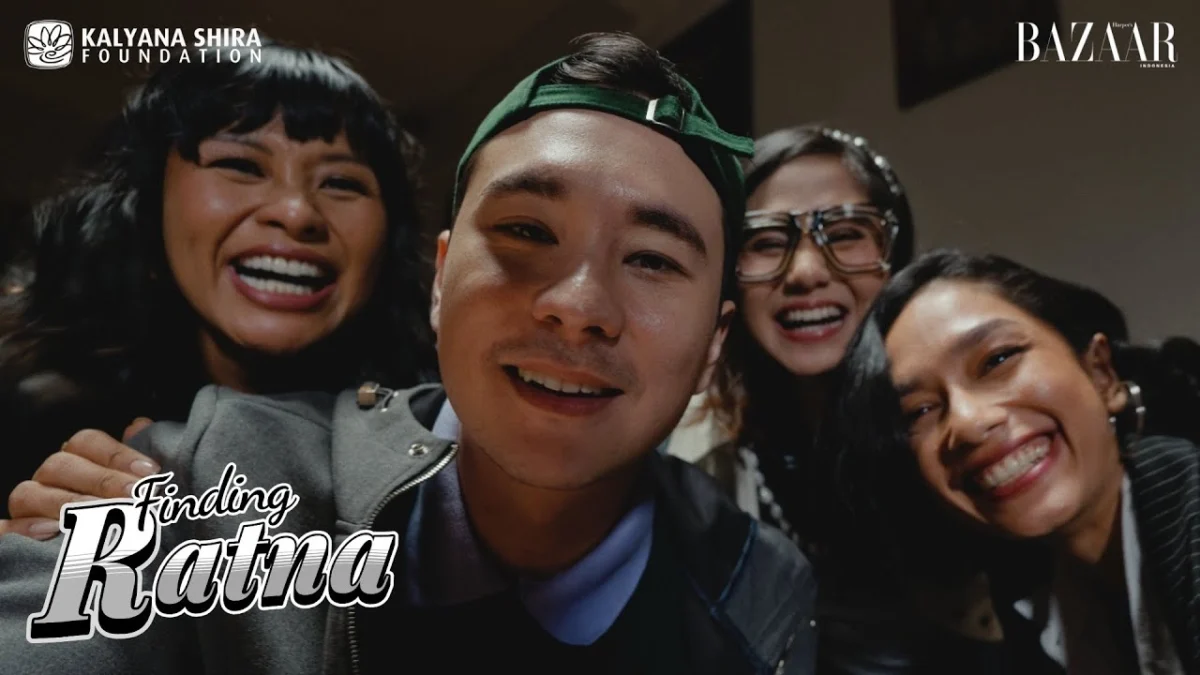
Harper’s Bazaar Indonesia has once again demonstrated its commitment to supporting and celebrating the Indonesian arts scene with the release of its second short film. This latest cinematic endeavor, helmed by acclaimed director Nia Dinata and produced by Melyana Tjahyadikarta, delves into a compelling fictional narrative inspired by a real-life quest to unearth the legacy of Ratna Asmara, Indonesia’s first female film director. The film serves as a profound tribute to the indomitable spirit of women in creative fields and their relentless pursuit of dreams, while simultaneously shining a much-needed spotlight on the vital role of Sinematek Indonesia, a crucial institution for preserving the nation’s cinematic heritage.
The short film, a collaborative effort involving a distinguished cast and crew, transcends mere storytelling. It is a meticulously crafted exploration of ambition, history, and the enduring power of cinema. The narrative centers on three dedicated film researchers on a mission to trace the lost works of Ratna Asmara. Their journey is not just about uncovering cinematic artifacts; it is a poignant metaphor for rediscovering and valuing the contributions of female pioneers in Indonesian filmmaking, whose voices and visions have often been marginalized or overlooked by historical narratives.
A Deep Dive into the Narrative and its Inspirations
The core of the film’s message lies in its powerful portrayal of female empowerment. By centering the plot around the search for Ratna Asmara, the filmmakers are not only highlighting a forgotten figure but also advocating for a broader recognition of women’s artistic achievements throughout Indonesian history. The narrative is imbued with a spirit of resilience, perseverance, and the unwavering belief in one’s creative potential, themes that resonate deeply within contemporary discussions about gender equality and representation in the arts.
The inspiration drawn from real-life events lends an authentic weight to the fictional story. The meticulous work of film researchers and archivists in uncovering and preserving cinematic history is often an unsung hero in the cultural landscape. This film brings their dedication to the forefront, illustrating the passion and intellectual rigor required to piece together fragments of artistic legacy. The challenges faced by these researchers – the potential for lost reels, the passage of time, and the sheer volume of archival material – are woven into the fabric of the story, creating a sense of urgency and importance around their mission.
Highlighting Sinematek Indonesia: A Guardian of Cinematic Memory
A significant aspect of this short film is its deliberate focus on Sinematek Indonesia. This institution, dedicated to the collection, preservation, and study of Indonesian films, serves as a pivotal location within the narrative. The visual representation of Sinematek’s vast archive – rows upon rows of film reels, each holding a piece of Indonesia’s visual history – is a powerful statement in itself. The film implicitly underscores the critical need for continuous support, funding, and public awareness for institutions like Sinematek.
The preservation of these film reels is not merely an act of safeguarding old technology; it is an act of cultural stewardship. These films are invaluable historical documents, offering insights into the social, political, and cultural landscapes of past eras. They are a testament to the creative output of generations of filmmakers and a vital resource for understanding the evolution of Indonesian cinema. The film’s depiction of these archives serves as a visual plea for their protection, ensuring that future generations can access and learn from this rich cinematic heritage.
A Stellar Ensemble and Artistic Vision
The success of the short film is further amplified by its impressive cast and the creative team behind it. Dira Sugandi takes on the role of Lisa, Tissa Biani embodies Umi, and Faradina Mufti portrays Juli, forming the core trio of researchers. Their performances are crucial in bringing the narrative’s emotional depth and thematic weight to life. The supporting cast, including Arswendy Bening Swara as Pak Daus and Jerome Kurnia as Adit, along with Melissa Karim and Dave Hendrik as Publicists, further enriches the cinematic tapestry.
The inclusion of a distinguished list of "Special Appearances" further elevates the film’s stature. Figures such as Joko Anwar, Lola Amaria, Luna Maya, Ringgo Agus Rahman, and many others, lend their presence, signaling a collective endorsement of the film’s message and its celebration of Indonesian cinema. This convergence of talent underscores the film’s significance within the broader Indonesian entertainment industry.
Nia Dinata’s directorial vision, combined with the script penned by herself and Sally Anom Sari, promises a nuanced and impactful storytelling experience. The technical expertise of Revaldi Muhammad (Director of Photography), Hasanudin Bugo (Sound Recordist), Richardo Fransiscoli (Art Director), Michael Pondaag (Costume Designer), and the contributions of the makeup and hair team, along with the casting direction by Geofanny Tambunan and assistant direction by Pritagita Arianegara, all contribute to the film’s artistic merit. The post-production team, including editors, colorists, and sound engineers, ensures a polished and professional final product.
A Celebration of Cinema and Enduring Creativity
Ultimately, this short film by Harper’s Bazaar Indonesia is more than just a piece of entertainment; it is a deliberate act of cultural affirmation. It is a vibrant celebration of Indonesian cinema, acknowledging its past, present, and future. It is also a powerful testament to the enduring spirit of women in the creative sphere, recognizing their vital contributions and the ongoing legacy of their artistic endeavors.
The film serves as a reminder that cinema is a collaborative art form, built upon the dedication of countless individuals, from directors and actors to archivists and technicians. By weaving together a compelling narrative with a crucial message about heritage preservation and female empowerment, Harper’s Bazaar Indonesia has produced a work that is both artistically significant and culturally relevant.
Broader Implications and Future Outlook
The release of this short film carries significant implications for the Indonesian film industry and its cultural landscape. Firstly, it reignites interest in the pioneering work of female filmmakers like Ratna Asmara, potentially inspiring new research and a re-evaluation of historical narratives that may have previously excluded or downplayed women’s contributions. This can lead to a more inclusive and comprehensive understanding of Indonesian cinema’s evolution.
Secondly, the film’s spotlight on Sinematek Indonesia is a timely intervention. In an era where digital formats often dominate, the physical preservation of film reels faces ongoing challenges, including funding, infrastructure, and technological obsolescence. By visually showcasing the importance of these archives, the film can galvanize public support, encourage private sector investment, and prompt governmental attention towards bolstering the resources and capabilities of national film archives. This heightened awareness is crucial for ensuring that Indonesia’s cinematic memory is not lost to time.
Furthermore, the film’s thematic focus on female spirit and ambition aligns with global movements advocating for greater representation and opportunities for women in all industries, particularly in creative fields. It provides a platform to celebrate existing achievements and to inspire future generations of female artists to pursue their dreams without limitation. This can foster a more equitable and diverse creative ecosystem within Indonesia.
The success of this short film by Harper’s Bazaar Indonesia also sets a precedent for other media organizations and cultural institutions. It demonstrates the power of engaging storytelling to address important societal issues and to champion cultural heritage. The collaborative nature of the production, bringing together established directors, actors, and technical professionals, highlights the strength of the Indonesian creative community when united by a common purpose.
Looking ahead, the impact of this short film may extend beyond its immediate audience. It could stimulate further academic research into forgotten female filmmakers, encourage the digitization and wider accessibility of archival film content, and foster a renewed appreciation for the art and history of Indonesian cinema. The film’s success is a testament to the enduring power of storytelling to educate, inspire, and preserve the cultural fabric of a nation.
Key Personnel and Creative Team
The production of this significant short film was a testament to a dedicated and talented team. Nia Dinata served as the Director, bringing her renowned vision to the project, and also contributed as a Scriptwriter alongside Sally Anom Sari. The film was Produced by Melyana Tjahyadikarta, who also holds the role of Executive Producer along with Ria Lirungan and Nia Dinata.
The visual storytelling was expertly crafted by Revaldi Muhammad as the Director of Photography. Hasanudin Bugo managed the crucial Sound Recording, ensuring the auditory experience was as immersive as the visual. The artistic direction was overseen by Richardo Fransiscoli, while Michael Pondaag designed the Costumes, and the Make up & Hair were meticulously handled by QQ Franky & Team.
Behind the scenes, Geofanny Tambunan led the casting efforts as Casting Director, ensuring the perfect actors for each role. Pritagita Arianegara provided essential support as the Assistant Director. The logistical and on-the-ground operations were managed by Keanaya Chandrika as the Line Producer and also as Post Producer, with Dinda Anggun as Asst. Post Producer. Erica Arifianda and Gusti Aditya were instrumental as Project Leads.
The post-production phase involved the creative input of De Bulsara for Motion Graphics, with Ahsan Andrian serving as the Offline Editor. Klover Colour Studio provided the essential Color Grading, and Studio Bersama handled the Audio Post Facilities. The musical score, a vital element in setting the film’s tone, was curated by Otti Jamalus as Music Director. This extensive and skilled team underscores the collaborative spirit and professional execution that brought this meaningful short film to fruition.