Lusiana Hamidun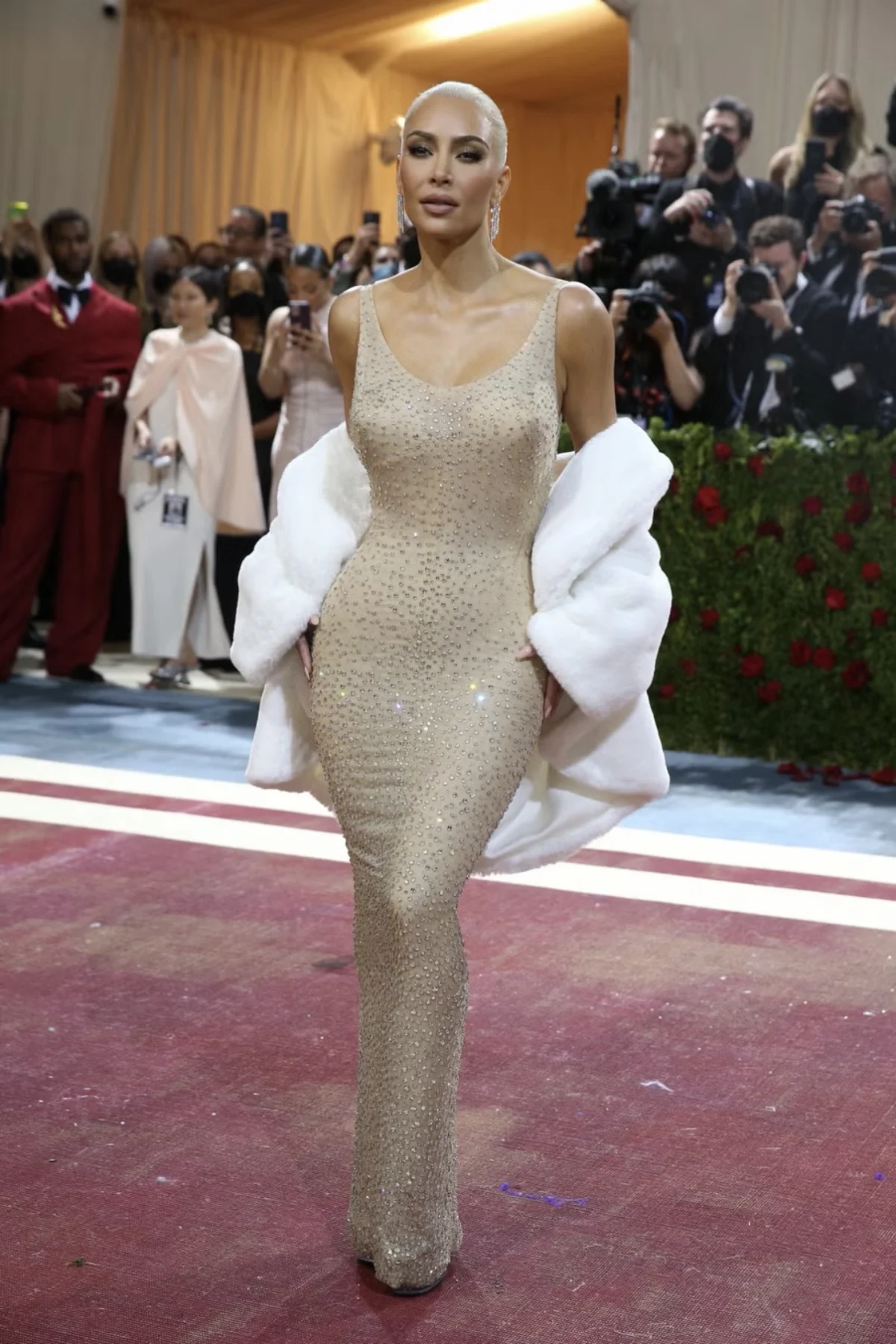
The Met Gala 2026, often heralded as fashion’s grandest night, has concluded, leaving in its wake a flurry of discussions spanning red carpet trends to the coveted after-party looks. As the constellation of A-list celebrities began to grace the iconic steps, a clear narrative emerged: the overwhelming ascendancy of heritage fashion houses. From Nicole Kidman, Sunday Rose Kidman Urban, Margot Robbie, and Gracie Abrams draped in the timeless elegance of Chanel, to Zoë Kravitz, Connor Storrie, and Hailey Bieber exuding sophistication in Saint Laurent, and Anok Yai, Hudson Williams, and Blue Ivy Carter making powerful statements in Balenciaga, it was evident that established luxury brands commanded the spotlight. This year’s event marked a significant departure from recent trends, signaling a potential shift in the sartorial landscape of this highly anticipated annual affair.
A Shift from Archival Treasures to New Beginnings
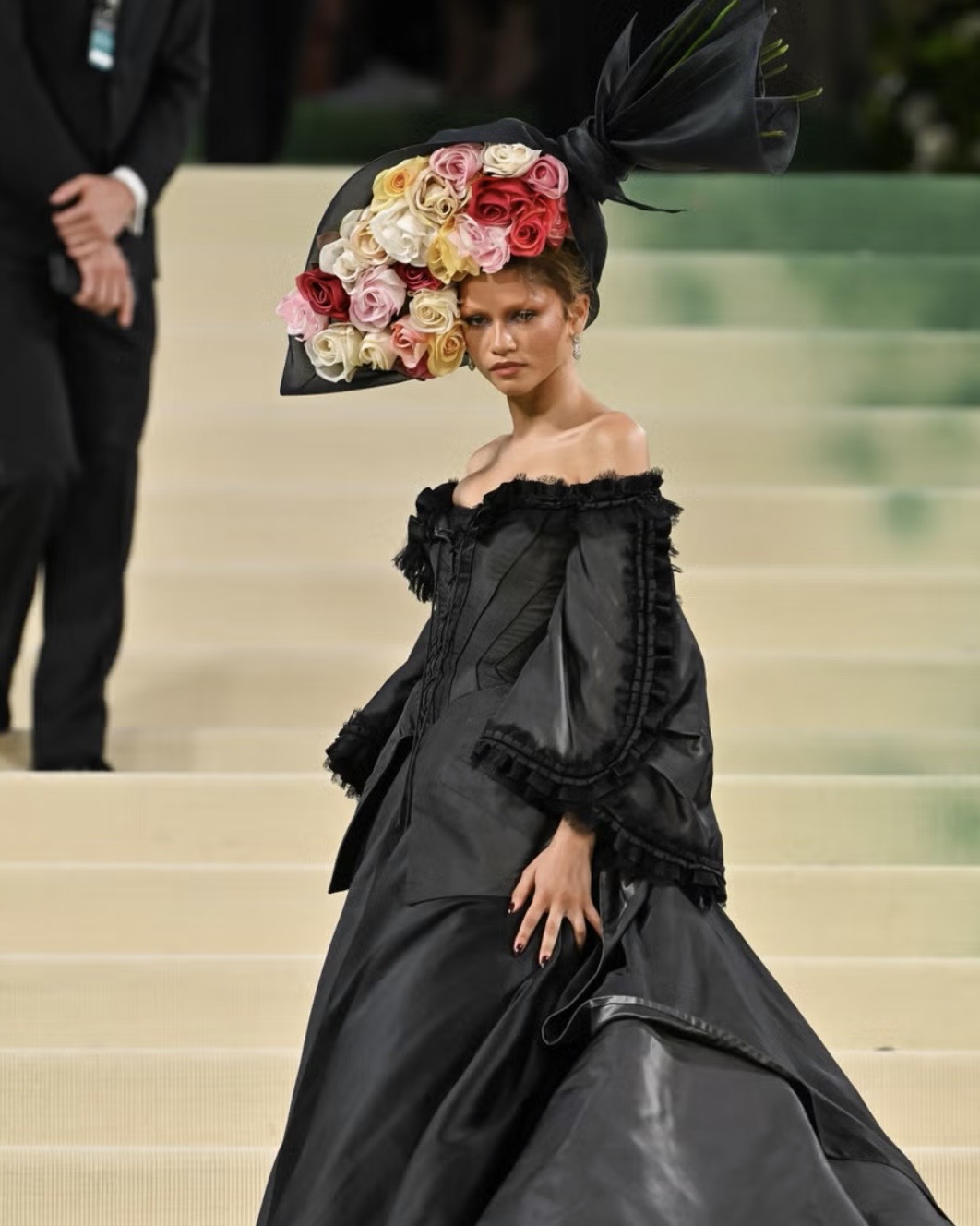
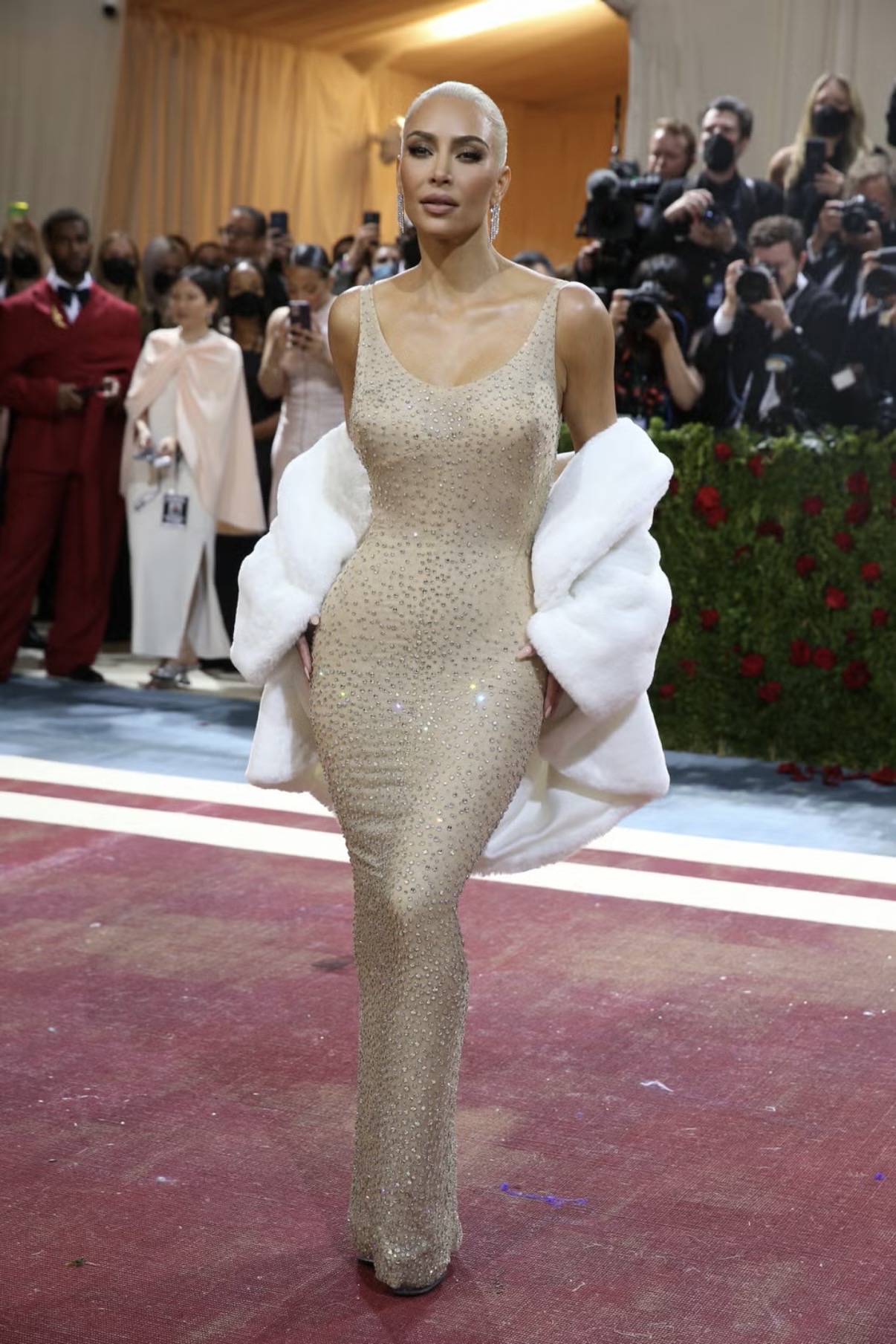
In the years preceding 2026, the Met Gala red carpet had become a veritable treasure trove of archival fashion. Stylists and image architects were diligently excavating vintage pieces and historical designs to adorn celebrities, creating moments that often paid homage to fashion’s rich past. A prime example of this trend was Zendaya’s show-stopping appearance at the Met Gala 2024, where she donned a breathtaking Givenchy gown from its Spring 1996 collection for one of her two red carpet looks. This embrace of vintage was not an isolated incident. Lily-Rose Depp’s choice of a Chanel piece from 1992, previously worn by Christy Turlington, and the highly publicized moment of Kim Kardashian stepping out in Marilyn Monroe’s iconic Jean Louis gown in 2022, both underscored the growing popularity of archival fashion. Emily Ratajkowski’s 1992 Versace and Kendall Jenner’s 1999 Givenchy couture at the 2024 Met Gala further solidified this inclination towards historical sartorial statements.
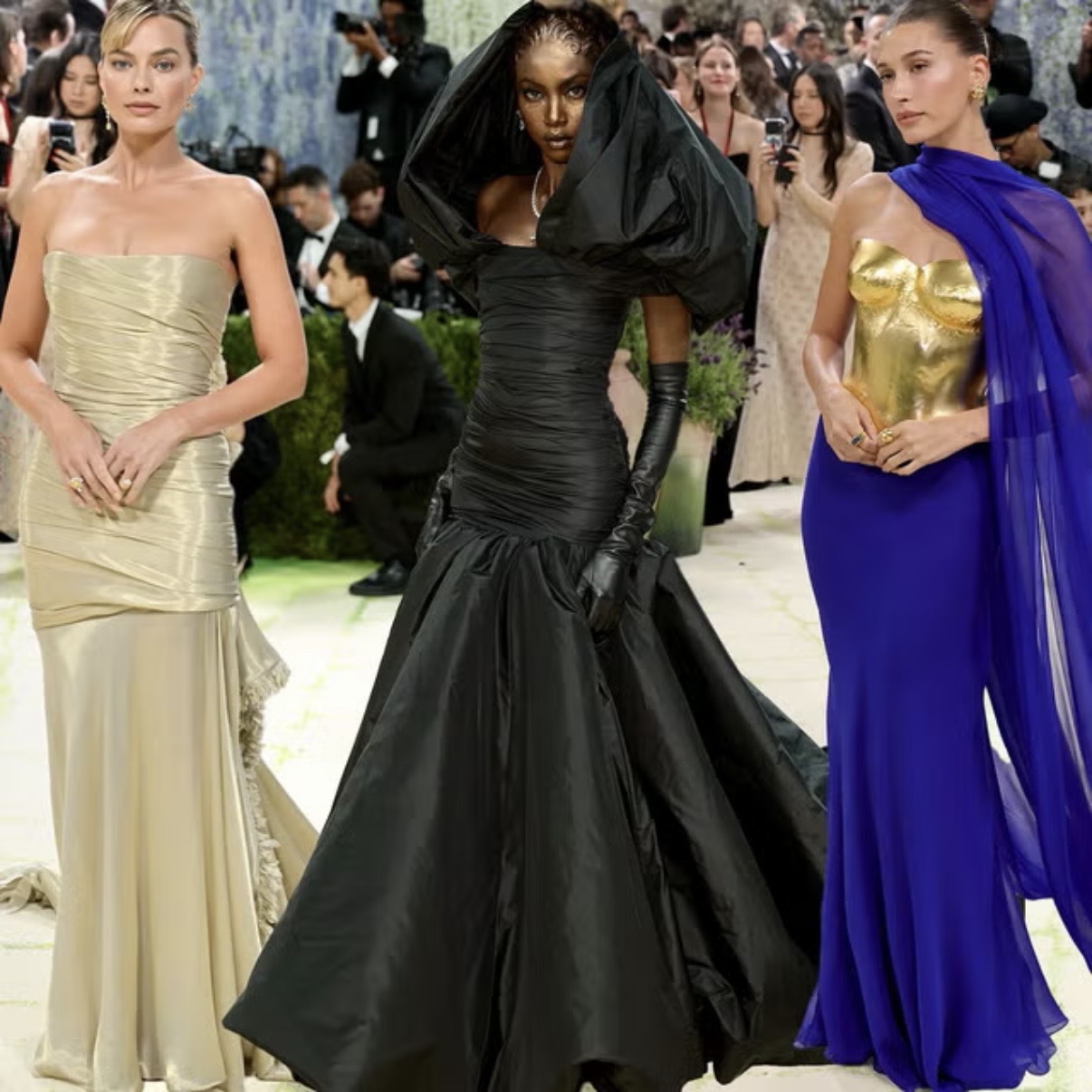
However, the Met Gala 2026 presented a starkly different picture. Amidst the striking creations by Jonathan Anderson for Dior, Alessandro Michele for Valentino, and the ubiquitous Thom Browne ensembles, moments of genuine vintage were conspicuously scarce. One of the most noteworthy exceptions was Carey Mulligan, who captivated onlookers in a Prada dress from 1998, distinguished by its abstract motif. Mulligan revealed that her stylist, Danielle Goldberg, unearthed the piece during an extensive exploration of the fashion house’s archives. This particular selection highlighted that while archival fashion was not entirely absent, its presence was more curated and less pervasive than in previous years.
The Subtle Emergence of Post-Millennial Archives
While the headline-grabbing moments leaned heavily towards contemporary collections from established houses, a closer examination revealed a subtle yet significant emergence of archival pieces from the late 1990s and early 2000s, particularly once guests had transitioned inside the Metropolitan Museum of Art. Co-chair Sabrina Carpenter, after making her initial statement in a Dior "film-strip" gown, later transformed into a show-stopping performer in a Versace creation from Spring/Summer 2018. This choice served as a poignant tribute to Gianni Versace’s groundbreaking pop art collection from 1991, demonstrating a sophisticated layering of historical references. Similarly, Ashley Graham was spotted departing for an after-party in a striking Jean Paul Gaultier body-con dress from its Spring 1999 collection. These later appearances suggest a more nuanced appreciation for archival fashion, perhaps reserved for moments that allowed for greater creative expression beyond the initial red carpet spectacle.
The definition of "vintage" in the fashion lexicon generally refers to garments or accessories that are at least 20 years old. Based on this widely accepted standard, the pieces worn by Mulligan, Carpenter, and Graham, dating from 1998, 2018 (a homage to 1991), and 1999 respectively, represent a careful selection that aligns with this timeframe. This suggests a deliberate strategy to incorporate historical elements without necessarily relying on the most overtly recognizable or extensively publicized archival pieces of decades past.
The "Super Bowl" of Fashion and the Rise of New Creative Directors
The prevailing trend towards heritage brands at the Met Gala 2026 can be attributed to a confluence of factors within the contemporary fashion industry. The past few seasons have witnessed a dynamic landscape marked by the debut of numerous new creative directors at the helm of prestigious fashion houses. This influx of fresh talent, including Pierpaolo Piccioli, Jonathan Anderson, Matthieu Blazy at Chanel, and Demna at Gucci, has injected a renewed sense of energy and anticipation into the industry. It is a strategic imperative for these newly appointed visionaries and their respective brands to seize opportunities, like the Met Gala, to showcase their inaugural collections and assert their creative direction on a global stage.
The Met Gala, often dubbed the "Super Bowl" of fashion, provides an unparalleled platform for brands to capture the public’s attention and establish their presence. In this context, it is understandable that many celebrities and their stylists would gravitate towards the latest offerings from these influential houses. The desire to be at the forefront of fashion, to embody the new aesthetic proposed by these creative leaders, often supersedes the allure of past collections.
Building Strategic Alliances in a Shifting Market
Beyond the creative imperative, the current fashion climate also presents significant opportunities for celebrities to forge strategic alliances with major fashion houses. The ability to commission custom looks, meticulously designed to complement an individual’s persona and the event’s theme, offers a powerful avenue for brand building and professional networking. Even figures outside the traditional luxury realm are making their mark. John Galliano, who has been a creative partner with Zara for the past two years, garnered considerable attention for dressing Stevie Nicks in a striking dark blue silk taffeta gown, complemented by a matching velvet jacket. This collaboration highlights the evolving dynamics of the fashion industry, where established designers are exploring new avenues and partnerships, further diversifying the landscape of celebrity dressing.
The sheer number of prominent designers now holding influential positions within major fashion houses makes it challenging for celebrities to ignore the commercial and creative potential of these collaborations. The opportunity to wear a custom piece, designed specifically for them and reflecting the latest design sensibilities, becomes an attractive proposition. This strategic alignment not only enhances a celebrity’s public image but also strengthens their relationship with influential brands, potentially leading to future endorsements and collaborations.
The Future of Archival Fashion at the Met Gala
The significant shift away from vintage and archival fashion at the Met Gala 2026, while somewhat surprising after years of its prevalence, is entirely logical within the current industry context. The emergence of new creative leadership and the emphasis on contemporary collections suggest that the spotlight is firmly on the present and future of fashion.
As the fashion world continues to evolve, the prominence of archival pieces on the Met Gala red carpet may experience ebbs and flows. While the 2026 event saw a noticeable decrease in overtly vintage looks, the enduring appeal of historical fashion ensures its continued relevance. The definition of vintage, typically referring to items at least 20 years old, implies that what is considered "archival" today will become the vintage of tomorrow. It is plausible that as the current cohort of designers’ early works mature, they too will begin to be celebrated on future Met Gala carpets. Perhaps, as the article speculates, it will take until the Met Gala of 2046 for the widespread embrace of archival fashion to fully re-emerge as a dominant trend, as pieces from the early 2000s will then qualify under the traditional vintage definition. Until then, the Met Gala will likely continue to be a dynamic stage for showcasing the evolving narratives of established heritage houses and the exciting visions of their contemporary creative directors, with occasional, thoughtfully curated nods to fashion’s rich and storied past.