Nila Kartika Wati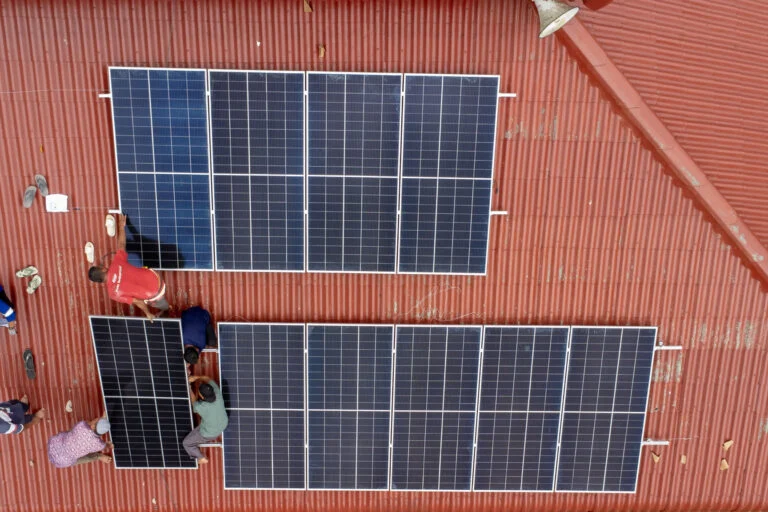
The Center of Economic and Law Studies (CELIOS) and Greenpeace Indonesia have officially released the Village Energy Transition Readiness Index (ITED) 2026 report, revealing a concerning stagnation in the nation’s shift toward renewable energy at the grassroots level. The study, unveiled recently in Bali, highlights a widening gap in energy access and infrastructure, driven by a persistent reliance on fossil fuels, significant fiscal imbalances, and a lack of technological distribution across Indonesia’s vast archipelago.
The ITED 2026 report serves as a comprehensive evaluation of how prepared Indonesian villages and sub-districts (kelurahan) are to embrace a low-carbon future. By utilizing data from the 2021 and 2024 Village Potential (Podes) surveys conducted by the Central Bureau of Statistics (BPS), the researchers measured progress across three fundamental dimensions: clean energy initiatives, local economic resilience, and the administrative capacity of village governments. While the report acknowledges marginal improvements in village governance and institutional frameworks, it warns that the sustainability of clean energy projects and the strength of local economies remain dangerously uneven.
The Quantitative Decline in Rural Renewable Initiatives
One of the most striking findings of the study is the quantifiable decrease in the adoption of decentralized renewable energy. Between 2021 and 2024, the number of villages and sub-districts where households predominantly use solar power dropped significantly. In 2021, approximately 4,176 villages reported dominant household solar usage; by 2024, this figure had plummeted to 3,076—a loss of 1,100 villages in just three years.
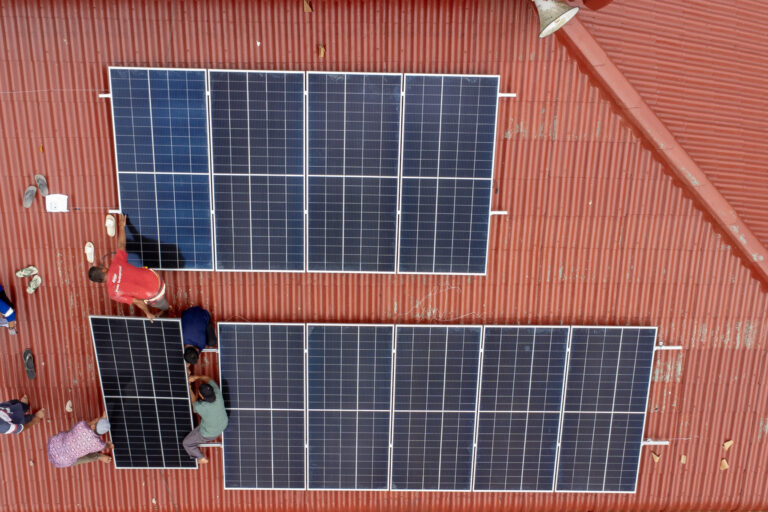
This decline suggests that while initial installations may have been successful, long-term maintenance, battery replacement costs, and technical support systems have failed to keep pace. Conversely, the report noted a slight increase in the number of villages utilizing solar-powered street lighting. This discrepancy indicates that renewable energy in rural Indonesia is increasingly being relegated to public infrastructure projects rather than being integrated into the private domestic lives of citizens, where it could have a more direct impact on reducing energy poverty.
Furthermore, the financial mechanisms intended to support this transition are also in retreat. The number of villages with access to specific credit schemes for food and energy security fell from 1,862 in 2021 to 1,645 in 2024. This reduction in fiscal support creates a barrier for rural communities that wish to invest in sustainable technologies but lack the upfront capital to do so.
Regional Disparities: The East-West Energy Divide
The ITED 2026 data underscores a deepening divide between Western and Eastern Indonesia. Provinces with high levels of industrial investment and urban centers, such as Jakarta and East Kalimantan (Kaltim), have seen their energy transition readiness scores climb. In these regions, proximity to technological hubs and higher provincial budgets allow for more robust implementation of energy policies.
In contrast, the eastern regions and remote rural areas are being left behind. Media Wahyudi Askar, Director of Fiscal at CELIOS, emphasized that villages are often marginalized in national energy policy discussions despite possessing the greatest potential for renewable generation. "Since 2021, we have observed a downward trend in clean energy initiatives at the village level," Askar stated. "Many villages previously had their own micro-hydro or solar power plants, but many of these are no longer operational or have not been scaled, leading to a net decrease in active projects."
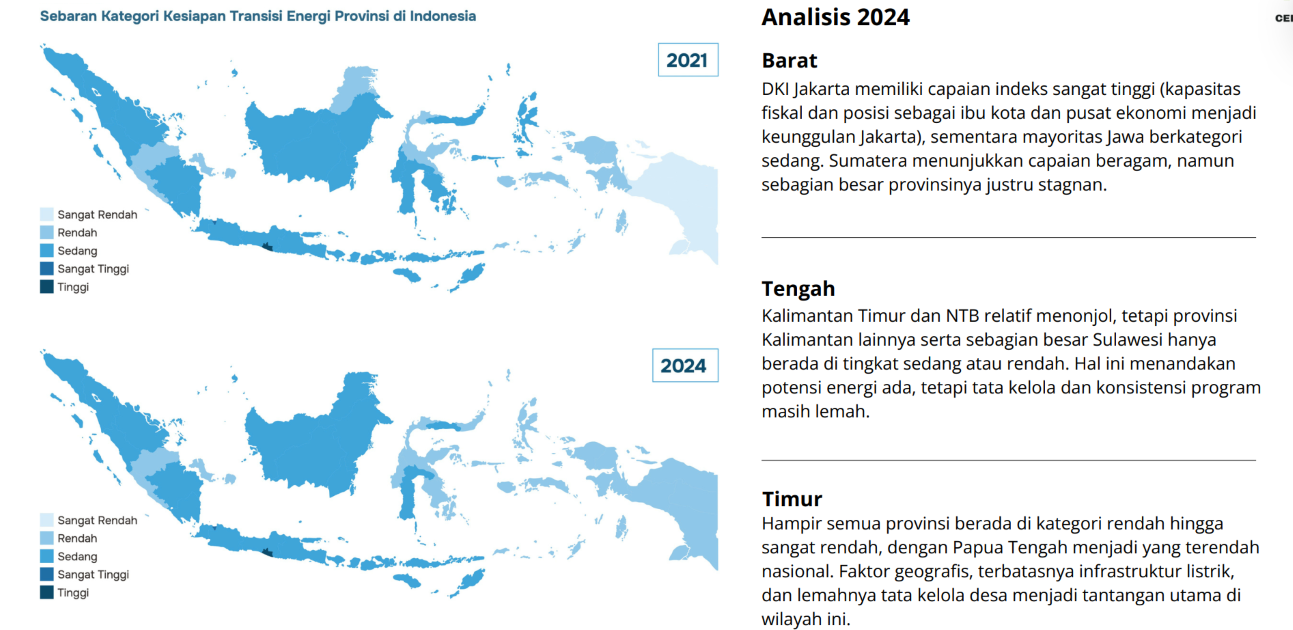
The report identifies East Kalimantan and West Nusa Tenggara (NTB) as outliers that have maintained relatively strong clean energy initiatives. This success is attributed to a combination of prioritized government programs and the active presence of progressive local non-governmental organizations (NGOs). However, in East Nusa Tenggara (NTT) and various regions across Papua, the transition remains sluggish due to geographical isolation, prohibitive logistics costs, and a lack of basic infrastructure.
The "Energy Paradox" and the Persistence of Coal
A central theme of the report is the "Energy Paradox" currently facing Indonesia. While the central government frequently broadcasts its commitment to the global energy transition and Net Zero Emissions targets, the domestic reality remains tethered to coal. According to the study, Indonesia’s dependence on coal-fired power plants hovered around 40% between 2020 and 2024. Projections for the next decade are even more sobering: by 2034, coal is expected to account for 47% of the national energy mix, indicating that the transition is actually moving backward in terms of systemic dependency.
Aulia Liana, a researcher at CELIOS, pointed out that renewable energy has only accounted for roughly 10% of the energy mix over the last five years. "The continued dominance of ‘dirty energy’ sources reflects a lack of serious commitment to a structural transition," Liana noted. This reliance on centralized, fossil-fuel-based grids also fails to address the electrification gap. Currently, approximately 1.2 million Indonesian households remain without any access to electricity. The report estimates that a total investment of IDR 42.2 trillion (approximately USD 2.7 billion) is required to achieve 100% electrification across the country.
The paradox is further highlighted by the fact that over 10,000 locations in Indonesia are still not reached by the national grid (PLN). For these communities, decentralized renewable energy is not just an environmental choice but the only viable path to modern energy access. Yet, the current policy framework continues to prioritize large-scale, centralized projects over community-based solutions.

Governance Capacity vs. Implementation Gaps
Interestingly, the report found that the administrative capacity of village governments has generally improved. For instance, Aceh recorded a significant rise in its government capacity index, moving from 74 in 2021 to 89 in 2024. This improvement is largely due to the modernization of financial systems, with 92.8% of villages in Aceh now utilizing updated digital financial reporting tools.
However, the researchers observed that increased governance capacity does not automatically translate into energy transition success. Some regions with high financial scores and strong administrative structures still show very low initiative in renewable energy. This suggests a "policy disconnect," where village leaders may have the tools to manage funds but lack the mandate, technical guidance, or incentives from the central government to prioritize green energy.
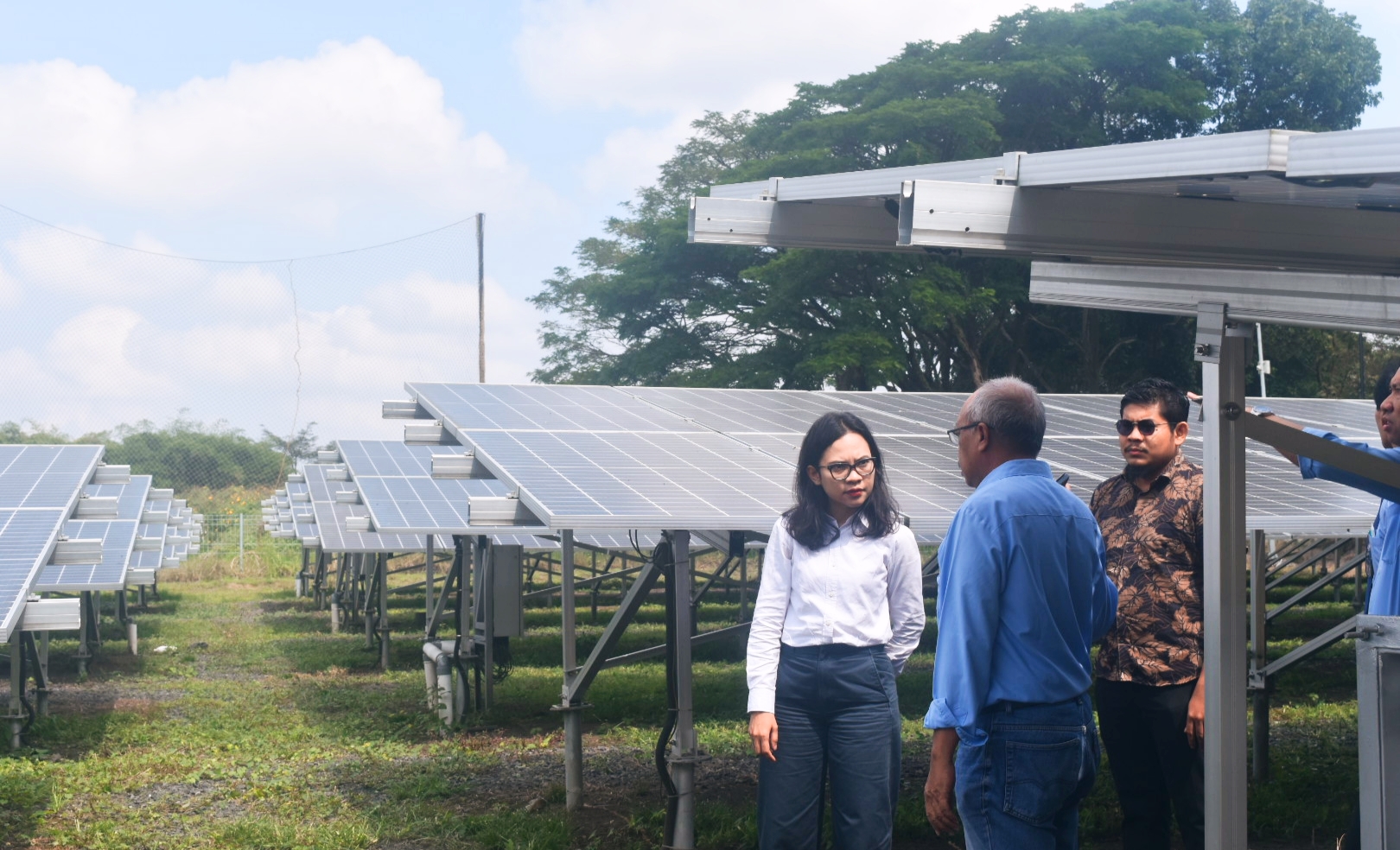
Bali remains a notable exception and a potential model for the rest of the country. In Gianyar Regency, Desa Keliki has successfully integrated solar energy with sustainable agriculture. The village uses solar power for waste management systems and tourism facilities, proving that renewable energy can drive local economic growth. The success in Keliki is credited to the active involvement of Village-Owned Enterprises (BUMDes) and strategic partnerships with the private sector.
Geopolitical Risks and the Cost of Inaction
The urgency of the energy transition is exacerbated by global geopolitical volatility. Media Wahyudi Askar warned that Indonesia’s slow transition makes it vulnerable to international oil price shocks. He cited the potential for shifted trade policies and global energy market interference under various international leadership scenarios, including the influence of the United States on oil-producing nations like Venezuela, Saudi Arabia, and Iran.
"When global oil prices rise, and our domestic energy transition is stalled, the economic consequences for Indonesia will be severe," Askar warned. He argued that if Indonesia had aggressively pursued renewable energy 15 years ago, the nation would currently be far more resilient to the fluctuations of the global fossil fuel market. The current delay is not merely an environmental issue but a significant national security and economic risk.
Recommendations for a Just Transition
To address these challenges, CELIOS and Greenpeace have outlined several strategic recommendations aimed at decentralizing Indonesia’s energy future:
- Integration with Local Economies: The government must link energy transition agendas with the development of Micro, Small, and Medium Enterprises (MSMEs). Renewable energy should be marketed as a tool for productivity, not just lighting.
- Subsidy Reform: There is a pressing need to shift state subsidies away from fossil fuels and toward renewable energy incentives, particularly for household-scale solar installations and community-led micro-hydro projects.
- Empowering Village Institutions: Rather than treating villages as passive consumers of energy, policies should empower BUMDes to act as independent energy producers and distributors.
- Technological Decentralization: Investment must be redirected toward decentralized grids and off-grid solutions for the 10,000+ locations currently ignored by the national utility provider.
- Inclusive Policy Design: The transition must be "evolutionary," involving local communities in the design and maintenance of energy systems to ensure long-term sustainability and local ownership.
Jaya Darmawan, a researcher at CELIOS, concluded that as long as energy policy remains top-down and focused on mega-projects, the village transition will continue to falter. "The village must be the subject of the transition, not just the object of a national target," Darmawan said. The ITED 2026 report serves as a critical wake-up call, suggesting that without a fundamental shift in how energy is governed and financed at the local level, Indonesia’s green ambitions may remain out of reach for its most vulnerable citizens.