Nila Kartika Wati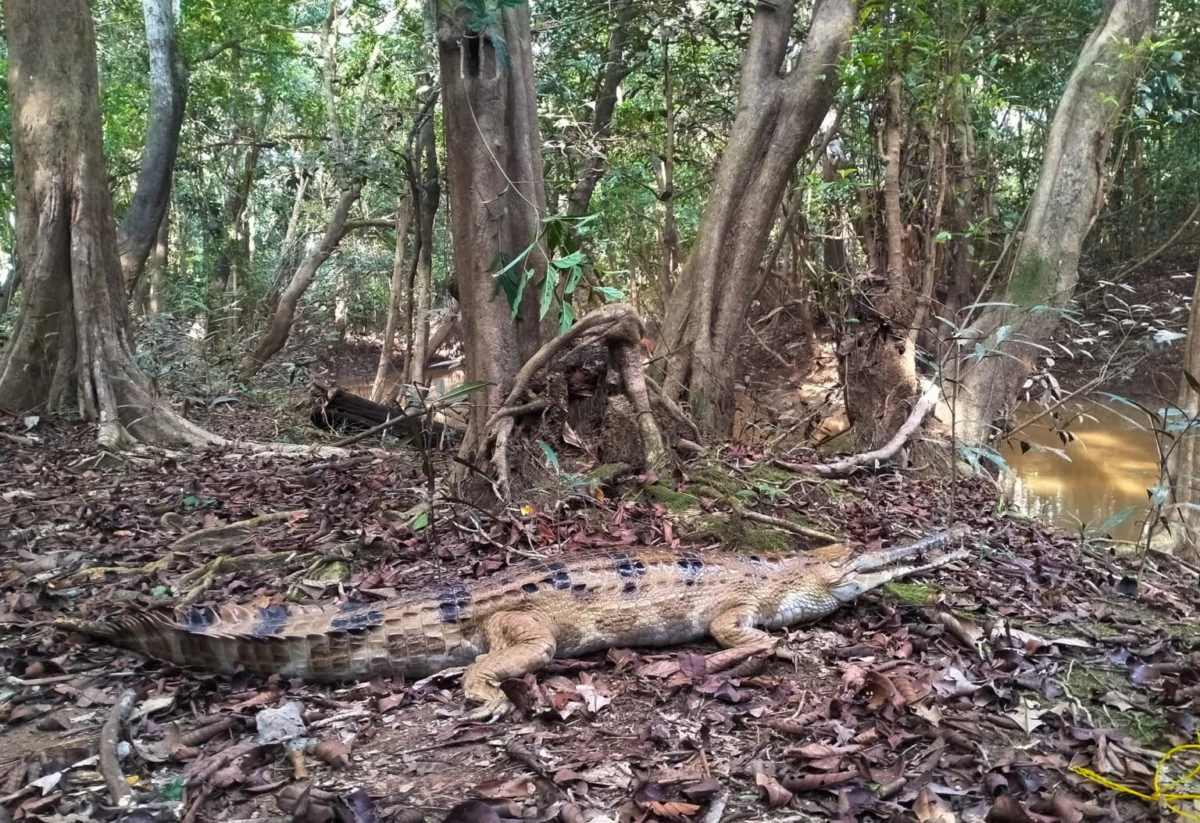
The Siamese crocodile, scientifically known as Crocodylus siamensis, is a species that remains largely unfamiliar to the broader Indonesian public, yet for the communities surrounding Lake Mesangat in East Kalimantan, the creature is a well-known neighbor. Locally referred to as the "buaya badas hitam" or the black badas crocodile, this freshwater predator represents one of the most significant and endangered components of Southeast Asia’s aquatic biodiversity. While its name suggests an origin in Thailand, the Siamese crocodile is a native fixture of the Indonesian archipelago, specifically within the 7,142-hectare expanse of the Mesangat-Suwi wetlands. As a flagship species for freshwater conservation, the Siamese crocodile’s survival in the wild is currently at a critical crossroads, balancing between evolutionary resilience and the encroaching pressures of industrial expansion and climate instability.
Evolutionary Isolation and the Genetic Uniqueness of the Mesangat Population
The presence of the Siamese crocodile in East Kalimantan is a biological marvel that dates back millions of years. According to Amir Hamidy, the Director of the Secretariat of the Scientific Authority for Biodiversity at the National Research and Innovation Agency (SKIKH BRIN), the species’ distribution across Indonesia, Thailand, Malaysia, Laos, Cambodia, and Vietnam is the result of ancient geological shifts. During the Pleistocene epoch, the landmasses of Southeast Asia were interconnected, forming the Sundaland shelf. This allowed for the migration of various fauna across what are now separate islands and nations.
As sea levels rose and tectonic activities reshaped the region, the population in Lake Mesangat became geographically isolated from its counterparts in mainland Southeast Asia. This isolation triggered a process of "reproductive isolation," where the crocodiles in East Kalimantan could no longer interbreed with populations in Thailand or Cambodia. Over thousands, and perhaps millions of years, genetic mutations occurred, making the Mesangat population morphologically and genetically distinct. "Mutation and reproductive isolation due to geological factors have made the population in Lake Mesangat unique," Hamidy noted. This uniqueness means that while the species is the same as those found in the Mekong Delta, the Indonesian variant carries a specific genetic heritage that cannot be replaced or replicated by introducing individuals from other regions.
Physical Characteristics and Behavioral Ecology
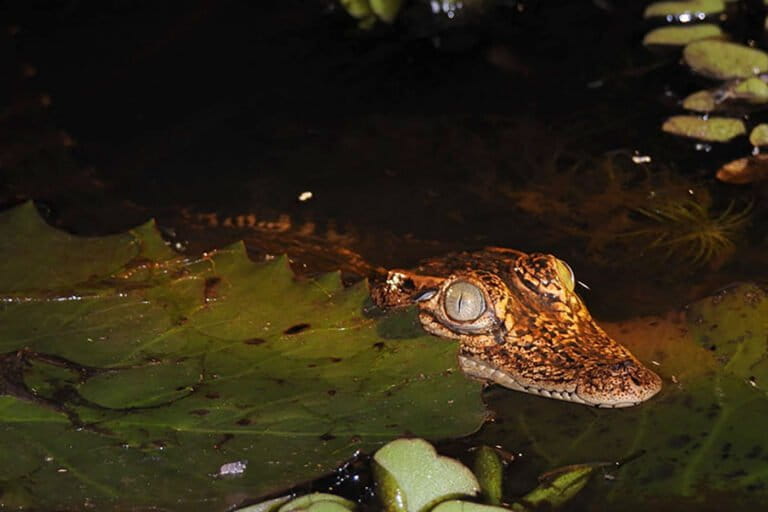
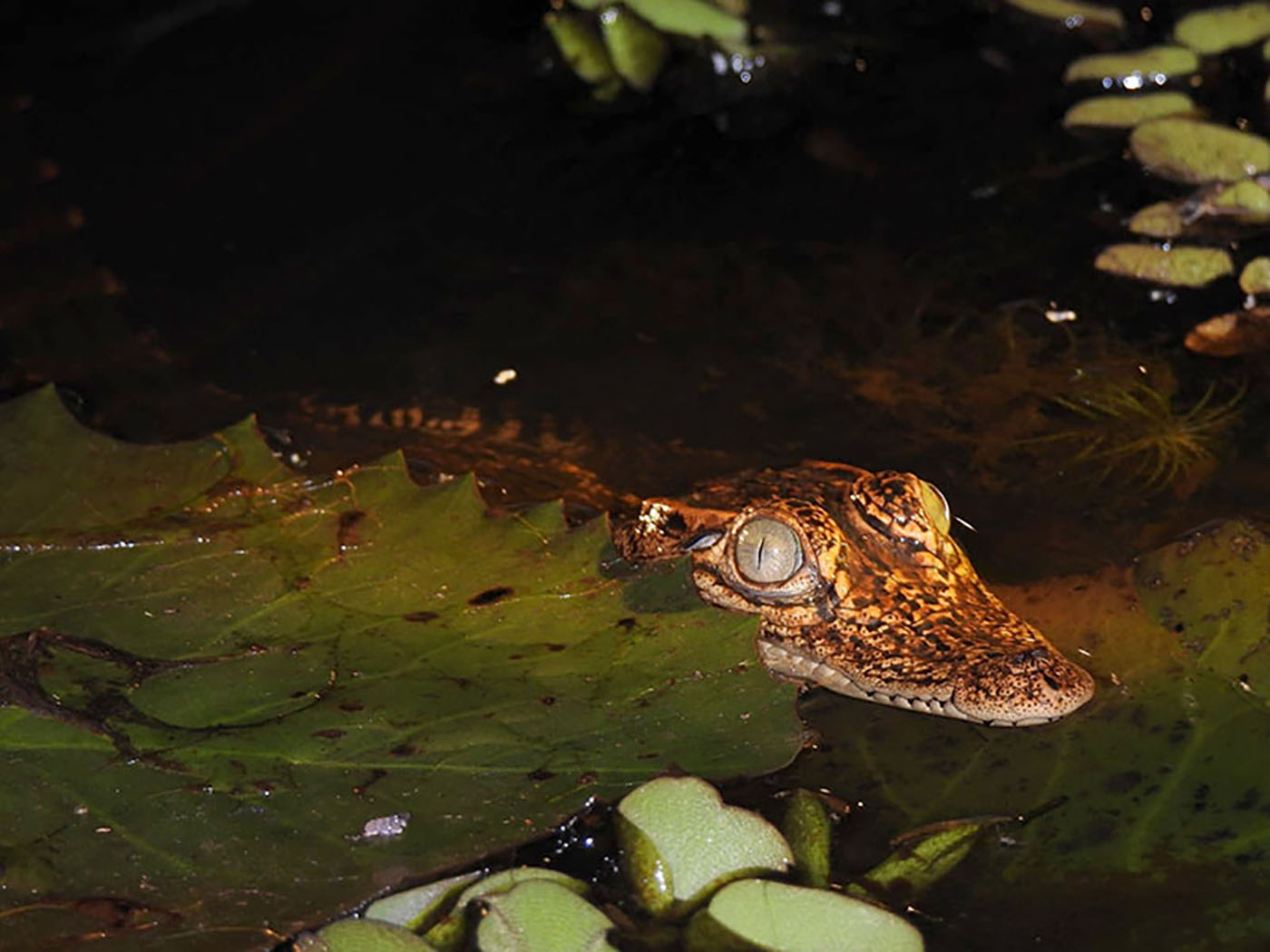
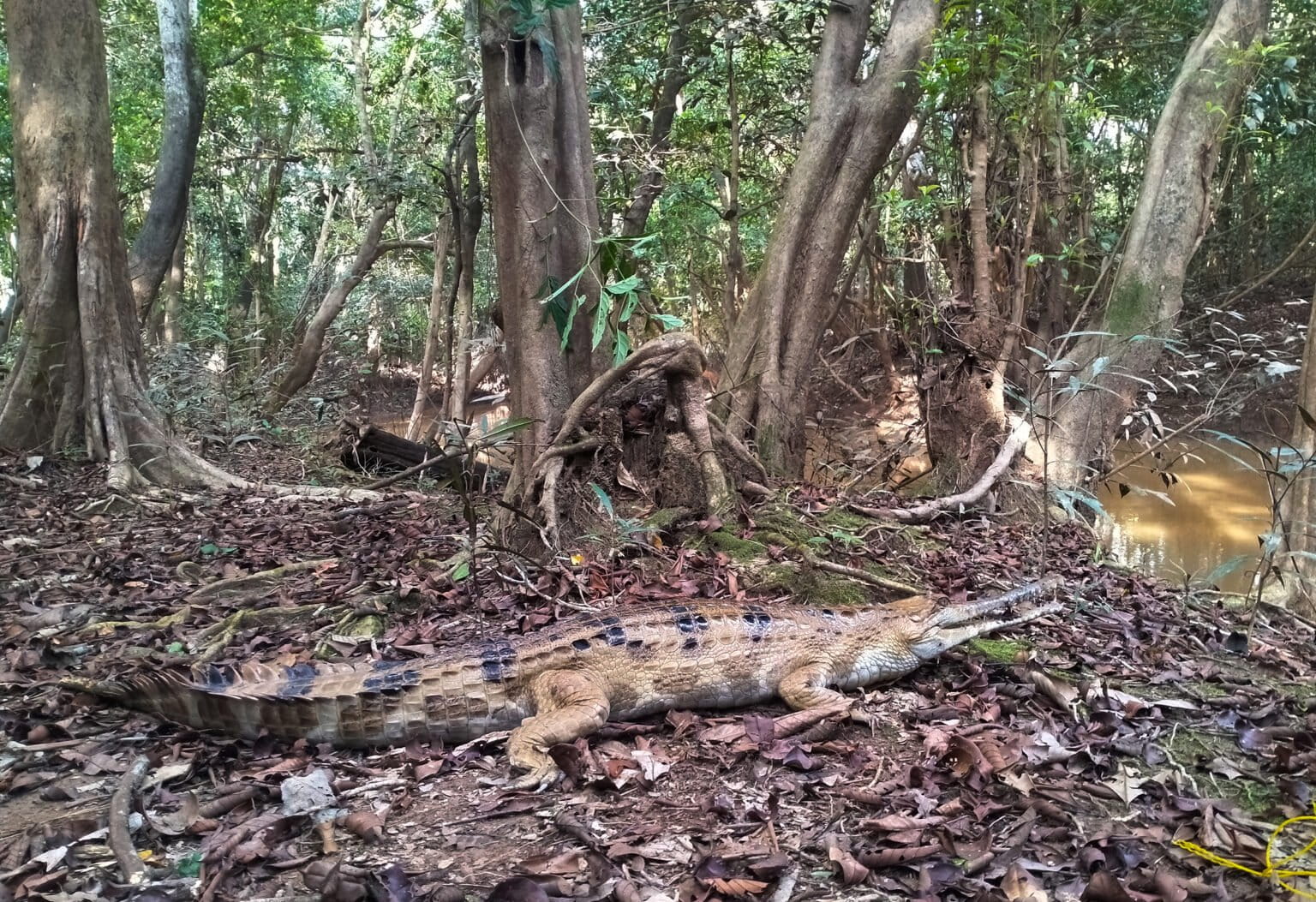
Physically, the Siamese crocodile is distinct from the more common and aggressive estuarine or saltwater crocodile (Crocodylus porosus). The Siamese crocodile typically reaches lengths of 2 to 3 meters, though exceptional specimens have been recorded at 4 meters, weighing up to 350 kilograms. One of its most defining features is its head, which appears disproportionately large compared to its body. Its eyes and nostrils are positioned high on the skull, an evolutionary adaptation that allows the crocodile to remain almost entirely submerged while breathing and scanning its surroundings. This stealth makes the "badas hitam" a formidable ambush predator in the murky, slow-moving waters of the lake.
The diet of the Siamese crocodile varies significantly throughout its life cycle. Adults are apex predators within the lake ecosystem, feeding on fish, water birds, snakes, and small mammals. Conversely, hatchlings and juveniles rely on macrobenthos, such as insects and snails, which are abundant in the nutrient-rich sediment of the wetlands. Despite their formidable appearance, Siamese crocodiles are notably more timid than their saltwater cousins. In Lake Mesangat, conflict between humans and crocodiles is rare. Experts observe that the species tends to avoid human contact, retreating into deeper water or thick vegetation when approached. However, this passivity vanishes during the nesting season; female crocodiles are fiercely protective of their eggs and will attack if their nesting sites are disturbed.
The Ecological Importance of Lake Mesangat
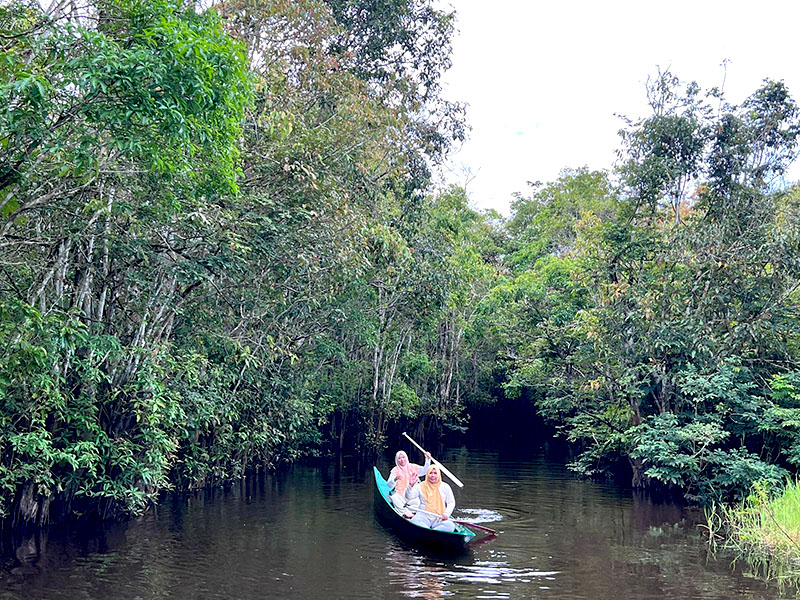
Lake Mesangat is not merely a body of water but a complex "Essential Ecosystem Area" (KEE) that serves as a vital carbon sink and a reservoir of biodiversity. Spanning over 7,000 hectares in the Kutai Timur Regency, the lake’s characteristics—low-flow freshwater, high organic matter, and dense aquatic vegetation—provide the perfect habitat for the Siamese crocodile. The lake is also home to the Tomistoma or False Gharial (Tomistoma schlegelii), another rare crocodilian, making Mesangat one of the few places on Earth where these two endangered species coexist.
However, the health of this ecosystem is under constant threat. Research by Muslim et al. (2020) indicates that while the water quality in Mesangat remains relatively suitable for the crocodiles, the lake is highly susceptible to seasonal fluctuations. During periods of drought, the surface of the water is often overtaken by invasive floating vegetation. As these mats of vegetation expand, they block sunlight and reduce dissolved oxygen levels in the water, leading to mass fish die-offs. Since fish are the primary food source for adult Siamese crocodiles, these environmental shifts directly impact the carrying capacity of the habitat. Furthermore, the expansion of floating plants narrows the open water areas required by the crocodiles for movement and thermoregulation.
Industrial Pressures and the Challenge of Canalization
Perhaps the most significant anthropogenic threat to the Siamese crocodile is the surrounding land use, particularly the expansion of large-scale palm oil plantations. To manage water levels for agriculture, many plantations have constructed extensive canal systems. These canals often drain water away from the Mesangat wetlands, leading to a decrease in the lake’s overall water volume and stability.
Amir Hamidy pointed out that while the current population of Siamese crocodiles is estimated to be between 75 and 300 individuals, these numbers are fluid. Some individuals have been observed migrating through the canals into plantation areas. While this suggests a level of adaptability, it also increases the risk of human-wildlife conflict and exposes the crocodiles to pesticide runoff and other pollutants associated with industrial farming. The stability of the water table is crucial; if the lake’s depth continues to fluctuate due to canalization, the traditional nesting sites of the crocodiles—which are often located on the edges of the water—could be destroyed or rendered inaccessible.
National and International Protection Frameworks
Recognizing the dire situation of the species, the Indonesian government has moved to strengthen legal protections. The Siamese crocodile is now under full protection through the Ministry of Marine Affairs and Fisheries (KKP) Decree Number 66 of 2025 concerning Protected Fish Species. This legal status mandates that any harm, capture, or trade of the species is a criminal offense. Furthermore, the East Kalimantan provincial government established the Mesangat-Suwi Wetland as an Essential Ecosystem Area (KEE) under Governor’s Regulation No. 522.5/K.672/2020. This designation aims to create a management corridor that balances conservation with the needs of local communities.
On the international stage, the Siamese crocodile is listed as "Critically Endangered" on the IUCN Red List. It is also included in Appendix I of CITES (The Convention on International Trade in Endangered Species of Wild Fauna and Flora), which prohibits international commercial trade in specimens taken from the wild. These designations highlight the global consensus that without immediate and sustained intervention, the Siamese crocodile faces a high risk of extinction in the wild.
Conservation Strategies: Technology and Community Engagement
Modern conservation in Lake Mesangat is increasingly relying on a combination of high-tech monitoring and grassroots education. One of the primary strategies currently being deployed is the use of unmanned aerial vehicles (drones) to monitor nesting sites. Given the vast and often impenetrable nature of the wetlands, drones allow researchers to track the health of the population and the integrity of nests without physically disturbing the animals. This technology provides real-time data on habitat changes, allowing for faster responses to illegal land clearing or environmental degradation.
Habitat enrichment is another critical component. This involves maintaining "nesting" and "basking" areas—dry patches of land or floating debris where crocodiles can lay eggs and regulate their body temperature. Furthermore, authorities are working to regulate the water discharge from surrounding plantations to ensure that the lake maintains a stable depth year-round.
Community involvement is the third pillar of this strategy. For decades, local residents have used Lake Mesangat for fishing. Conservationists are now working to educate these communities on the importance of the Siamese crocodile as an indicator species. A healthy crocodile population suggests a healthy fish population, which in turn benefits the local economy. Efforts are also being made to discourage destructive fishing practices, such as the use of electricity or chemicals, which can kill juvenile crocodiles and destroy the aquatic food web.
The Role of Captive Breeding and Future Outlook
In an effort to provide a safety net for the species, captive breeding programs have been established in Samarinda. The goal of these facilities is to create a "reserve" population that could potentially be used for reintroduction if the wild population crashes. However, captive breeding is not a panacea. Experts warn that the Siamese crocodile is highly sensitive to its environment; replicating the specific water chemistry and ecological conditions of Lake Mesangat in a captive setting is extremely difficult. Moreover, there is the risk of "genetic pollution" if captive-bred individuals are not carefully screened before being released into the wild.
The future of the Siamese crocodile in Indonesia depends on the ability of the government, NGOs, and the private sector to coordinate their efforts. The 2025 study published in Scientific Reports regarding the antimicrobial properties of Siamese crocodile oil underscores the potential biological and scientific value of this species, yet such value can only be realized if the species continues to exist in its natural state.
As Lake Mesangat continues to face the dual threats of industrial drainage and climatic shifts, the "buaya badas hitam" remains a symbol of East Kalimantan’s wild heritage. The preservation of this species is not merely about saving a single predator; it is about protecting an ancient lineage that has survived since the time of the Sundaland shelf. The success of current conservation measures—from drone surveillance to the strict enforcement of KKP Decree 66/2025—will determine whether the Siamese crocodile remains a living part of Indonesia’s biodiversity or becomes a ghost of the Mesangat wetlands.