Nila Kartika Wati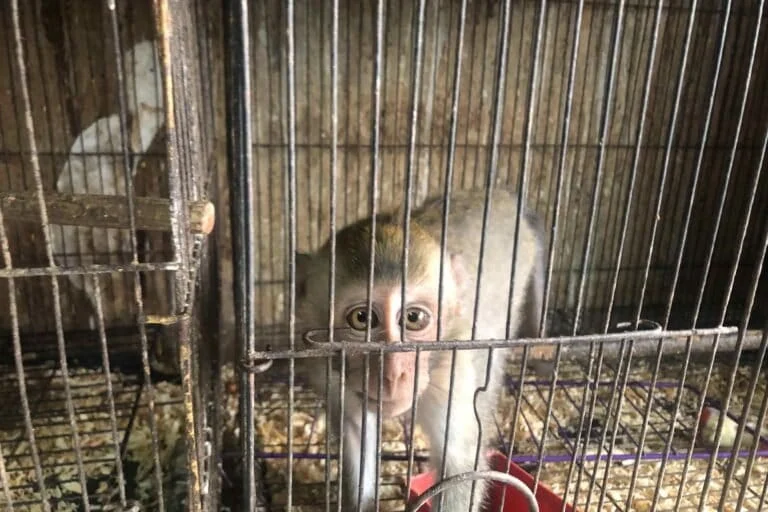
The death of a five-year-old toddler following a brutal attack by a neighbor’s pet monkey in Pasean, Pamekasan, East Java, has ignited a fierce national debate regarding the legality and safety of keeping primates as domestic pets. The incident, which occurred on April 1, 2026, has drawn sharp criticism from animal welfare advocates and public health experts who argue that such tragedies are the inevitable result of a "ticking time bomb" created by lax government oversight and a thriving, unregulated trade in wild animals. As the community mourns, the case has become a catalyst for demands to ban the private ownership of macaques and other primates across Indonesia.
A Fatal Encounter in Pasean: The Chronology of the Attack
The tragic event unfolded on a Tuesday afternoon when the victim, identified by the initials MK, was playing with two other children in the vicinity of his home in the Pasean district. According to local police reports and eyewitness accounts, the atmosphere of play was shattered when a long-tailed macaque (Macaca fascicularis), which was being kept as a pet by a nearby resident, managed to break free from its tether.
The animal did not merely escape; it exhibited immediate and extreme aggression toward the group of children. While two of the children managed to flee the area, the five-year-old MK was unable to escape the animal’s reach. The monkey launched a sustained and violent assault, focusing its attacks on the child’s limbs.
AKP Gunarto, the Head of the Pasean Sector Police, confirmed the details of the injuries in a written statement. "As a result of the attack, the victim suffered deep lacerations to his right thigh and right hand," Gunarto stated. The severity of the wounds led to catastrophic blood loss. Family members and neighbors rushed to the child’s aid and immediately transported him to the Waru Regional General Hospital (RSUD Waru). However, the medical intervention came too late. Upon arrival at the facility, the toddler was pronounced dead, having succumbed to the trauma and hemorrhage sustained during the encounter.
In the aftermath of the attack, the owner of the monkey reportedly recaptured the animal. Overwhelmed by the gravity of the situation and the loss of the neighbor’s child, the owner took the drastic step of killing the primate. "The monkey is dead; it was killed by its owner after it returned to them," Gunarto added, noting that the police are continuing to investigate the circumstances surrounding the animal’s enclosure and the owner’s liability.
The Myth of the "Docile" Primate: Scientific Realities
The death in Pamekasan has highlighted a dangerous misconception prevalent in Indonesian society: the idea that monkeys can be domesticated in the same manner as dogs or cats. Amanda Yonica Poetri Faradifa, the Social Media Coordinator for the Animal Cruelty Coalition and Macaque Coalition-Asia for Animals, expressed deep concern over the incident, noting that it was a predictable outcome of keeping wild animals in residential settings.
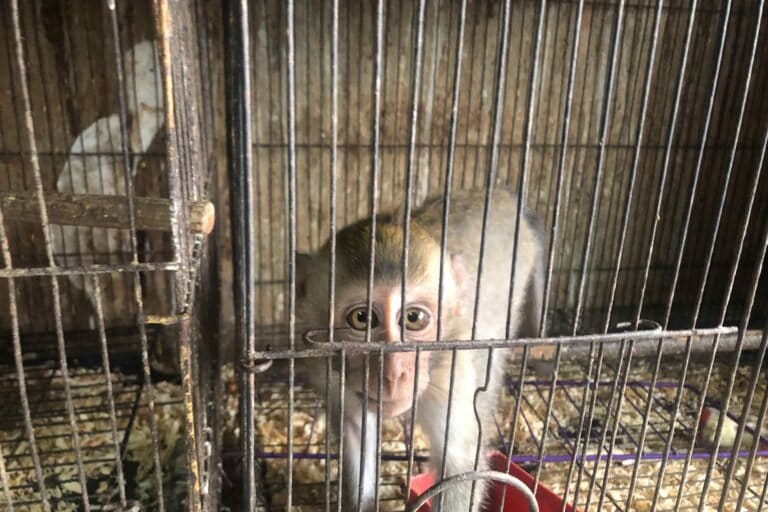
"Macaques are not domestic animals," Faradifa emphasized. She explained that the trend of keeping monkeys often begins when the animals are infants. At a young age, baby macaques appear "cute" and "docile," leading owners to believe they have a harmless companion. However, as these primates reach sexual maturity—typically between the ages of four and six—their biological makeup dictates a shift in behavior.
In the wild, macaques are highly social, territorial, and hierarchical. When reaching adulthood, they naturally develop traits related to dominance, food protection, and territorial defense. In a domestic setting, these natural instincts manifest as unpredictable aggression. Faradifa pointed out that many owners are unable to read the complex body language of primates. Simple human actions, such as looking a monkey directly in the eyes or smiling (which exposes teeth), are often interpreted by the animal as a challenge or a threat, triggering a defensive or offensive strike.
"The problem is not that the monkey suddenly became ‘evil’ or ‘crazy,’" Faradifa argued. "The problem is that a wild animal was placed in an environment that is completely incompatible with its natural biological needs and social behaviors. This creates a high-risk scenario for any human in the vicinity, particularly children."
Public Health Risks: Beyond Physical Trauma
The physical danger of a monkey bite is only one facet of the risk. Experts warn that primate ownership poses a significant threat to public health through the transmission of zoonotic diseases—infections that jump from animals to humans. Benvika, the Chairperson of the Jakarta Animal Aid Network (JAAN), highlighted that monkeys can carry a variety of pathogens that are lethal to humans.
One of the most concerning is the Herpes B virus, which is common in macaque populations. While the virus causes mild symptoms in the monkeys themselves, it can lead to fatal encephalomyelitis (inflammation of the brain and spinal cord) in humans, with a mortality rate of up to 80% if not treated immediately. Other potential threats include tuberculosis, salmonella, and various parasitic infections.
Furthermore, while Indonesia has made strides in controlling rabies, the risk of transmission through primate bites remains a concern for health authorities. "Every time a primate interacts closely with a human, especially through a bite or scratch, we are looking at a potential health crisis," Benvika said. "The Pamekasan case resulted in a tragic death due to physical injury, but it also serves as a warning about the invisible threats these animals carry into our homes."
The Role of Unregulated Trade and Social Media
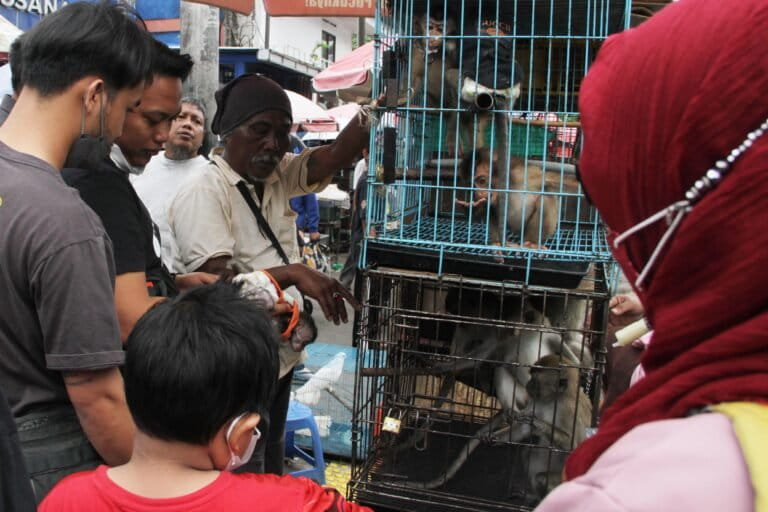
The prevalence of pet monkeys in Indonesia is inextricably linked to a thriving and often illegal trade. Benvika noted that the Pamekasan incident is not an isolated case but part of a recurring pattern. The Jakarta Animal Aid Network has long tracked the sale of primates in traditional bird markets (Pasar Burung) across Java, such as the Jatinegara market in Jakarta and the PASTY market in Yogyakarta.

In these markets, infant macaques are often sold openly, frequently having been snatched from the wild after their mothers were killed. The trade is further amplified by digital platforms. Social media groups and online marketplaces have made it easier than ever for individuals to purchase primates.
Adding to the complexity is the rise of "primate lover" communities. These groups often post content showing monkeys dressed in clothes or performing tricks, which creates a false narrative that these animals are suitable for domestic life. "These communities socialize the idea that monkeys and macaques can be friends with humans in a domestic capacity," Benvika explained. "This is a fundamental lie. By promoting this lifestyle, they are planting the seeds for future attacks. The Pasean case is a tragic example of what happens when that ‘friendship’ turns back into wild instinct."
Legislative Gaps and the Call for National Reform
One of the primary frustrations for animal rights activists is the current state of Indonesian law regarding non-protected species. While endangered primates like orangutans and gibbons are strictly protected under Law No. 5 of 1990, the long-tailed macaque—the species most commonly involved in these conflicts—does not enjoy the same level of protection.
Because long-tailed macaques are considered "common," the regulations surrounding their capture, sale, and ownership are often vague or poorly enforced. This legal loophole allows the trade to flourish under the radar of conservation authorities.
In light of the toddler’s death, JAAN and the Macaque Coalition-Asia for Animals are calling for a comprehensive national ban on the private ownership of all primates. Their demands include:
- The Dissolution of Primate Ownership Communities: Authorities are urged to discourage and disband groups that promote the domestication of macaques and langurs.
- National Prohibitory Regulation: The creation of a systematic law that explicitly forbids the buying, selling, and keeping of primates as pets, accompanied by strict criminal penalties.
- Market Crackdowns: Increased enforcement at physical animal markets and on digital platforms to halt the supply chain of wild-caught primates.
- Public Education Campaigns: A government-led initiative to inform the public about the dangers of zoonosis and the inherent risks of interacting with wild animals.
Expert Analysis: A Matter of "One Health"
Dr. Hery Wijayanto, a veterinarian and primatologist at the Faculty of Veterinary Medicine, Gadjah Mada University (UGM), supports the call for stricter regulations through the "One Health" framework. This approach recognizes that the health of people is closely connected to the health of animals and our shared environment.
"Wild animals do not lose their wild nature just because they are kept in a cage or on a leash," Dr. Wijayanto stated. "Even if they appear tame toward their owners, they remain a threat to strangers. Furthermore, primates are known to hold grudges. If they feel mistreated or threatened, they can wait for an opportunity to retaliate."
Dr. Wijayanto also noted that the trauma of captivity often exacerbates aggressive tendencies. Monkeys kept as pets are frequently malnourished, socially isolated, and stressed, which lowers their threshold for violence. "From a veterinary perspective, keeping a social, intelligent animal like a macaque in isolation is a form of cruelty that inevitably leads to behavioral problems," he added.
Conclusion: Preventing the Next Tragedy
The death of MK in Pamekasan is a sobering reminder of the costs associated with the human desire to "own" nature. As the Indonesian government faces increasing pressure to respond, the case serves as a definitive argument against the private ownership of primates.
For animal welfare advocates, the path forward is clear: the government must move beyond regional bans—such as the ban on "Topeng Monyet" (dancing monkeys) in Jakarta—and implement a blanket national policy. Without decisive action to shut down the trade and educate the public, experts warn that the "ticking time bomb" of pet primate ownership will continue to claim lives, leaving more families to mourn preventable losses.
The tragic events of April 1, 2026, in Pasean should not just be recorded as a local police report, but as the turning point for a safer, more humane approach to wildlife management in Indonesia. The safety of the public and the welfare of the animals depend on a shift from seeing primates as "cute pets" to respecting them as wild beings that belong in the forest, not in the backyard.