Nila Kartika Wati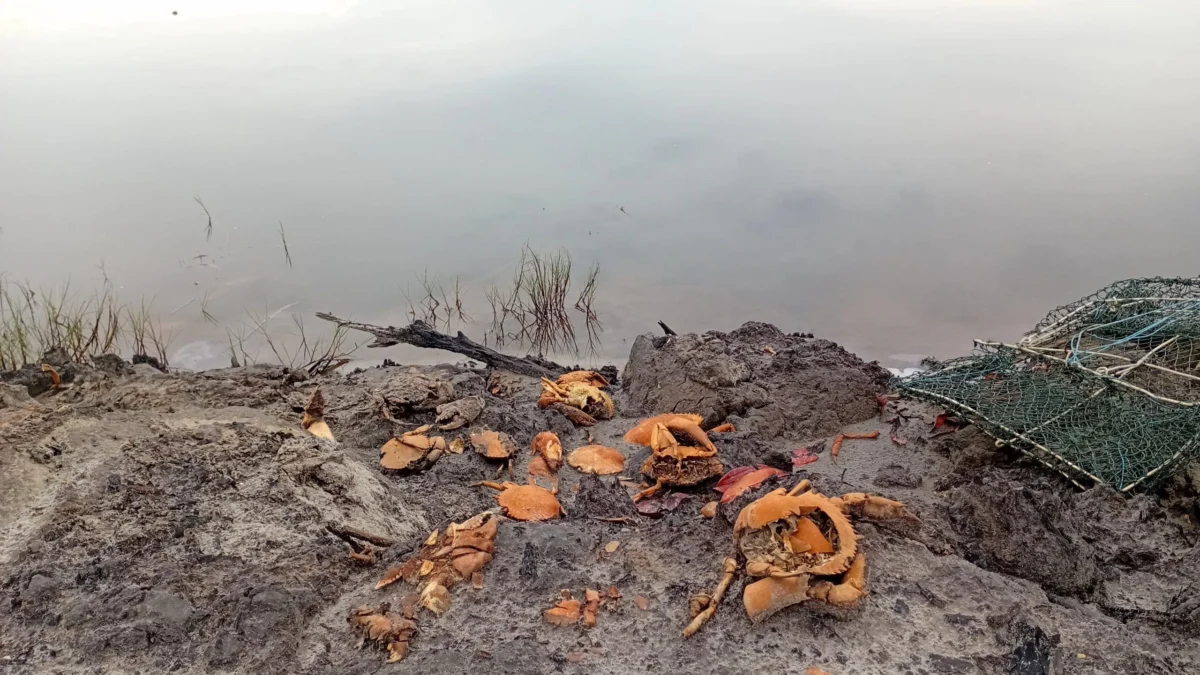
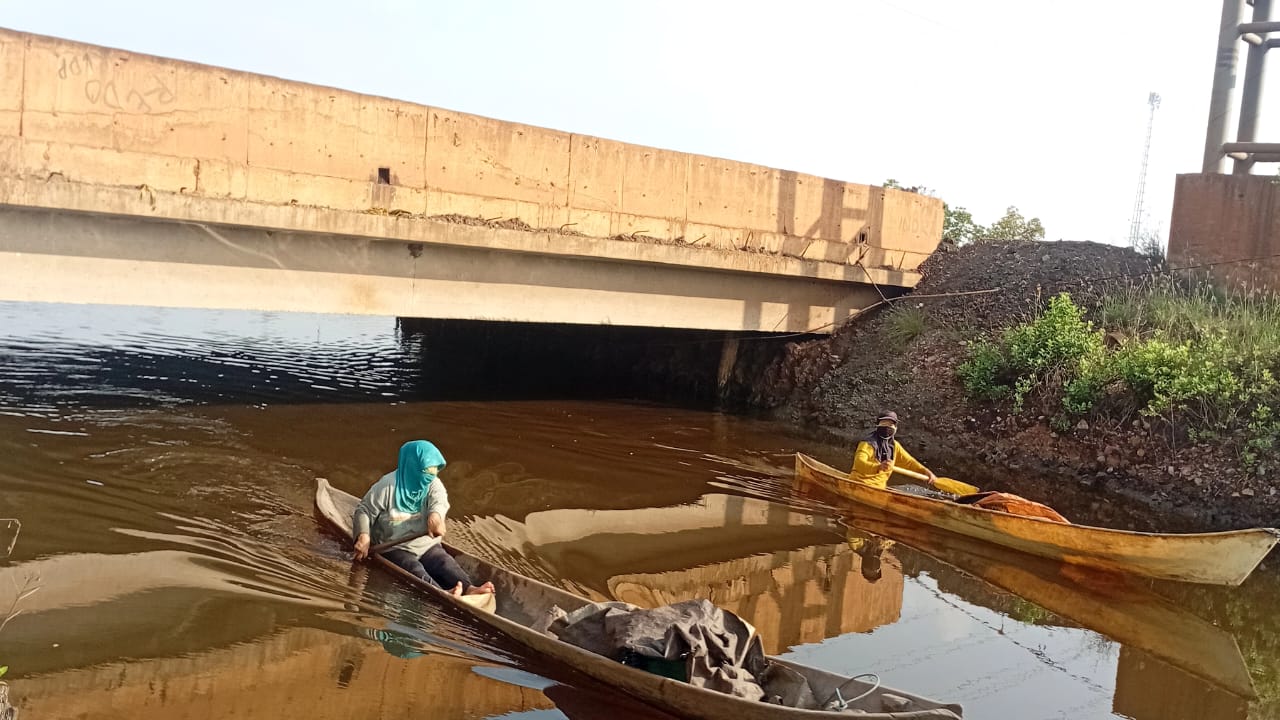
The roar of a scooter engine cuts through the humid air of Konawe, Southeast Sulawesi, as Budi maneuvers through a muddy hauling road toward the power plant facilities of PT Obsidian Stainless Steel (OSS) in early 2026. For Budi, a pseudonym, the race against the sunset is not merely a matter of convenience but a desperate attempt to avoid wage deductions or the looming threat of termination for tardiness. Having spent five years as a laborer in the Chinese-owned nickel processing industry, Budi’s daily reality is defined by 12-hour shifts without overtime pay—a systemic violation of Indonesian labor regulations that mandate additional compensation for any work exceeding eight hours. This grueling industrial life stands in stark contrast to his former life as a fisherman, a vocation he was forced to abandon as the very industry that now employs him systematically dismantled the ecosystem that once sustained his family for generations.
The transition from the sea to the smelter is a narrative shared by many in the Konawe Industrial Area (KIK). For decades, the mangrove forests and swampy estuaries of the Kapoiala and Morosi districts were a sanctuary for the mud crab (Scylla serrata), a high-value commodity that provided local communities with financial independence and food security. Today, those mangroves have been replaced by towering stacks of nickel ore, coal residues, and industrial slag. As the environment soured and crab populations plummeted, fishermen like Budi found themselves trapped between mounting debts and a disappearing horizon, eventually surrendering to the industrial machine they blame for their misfortune.
The Economic Value of the Mud Crab Industry
Before the rapid expansion of nickel smelters, the mud crab industry was a cornerstone of the regional economy in Southeast Sulawesi. Mud crabs are not only a local delicacy but a premier export product. Data from the Ministry of Maritime Affairs and Fisheries (KKP) underscores the significance of this sector; in 2020, Indonesia’s crab exports were valued at approximately US$367.5 million, surging to US$613.24 million (IDR 9.69 trillion) by 2021. The global demand for these crustaceans remains robust, with major markets in China, Singapore, Japan, the United States, and the European Union driving a positive trend through 2025.
In Southeast Sulawesi specifically, the export trajectory has begun to show signs of strain. The Kendari Customs and Excise Office recorded a decline in mud crab exports to Singapore, dropping from 85.574 tons in 2023 to 71.921 tons in 2024. This downward trend is felt acutely at the grassroots level. Collectors like Anwar, who services the smelter ring areas, recall a time when a single fisherman could bring in dozens of kilograms of crabs daily. Anwar once transported hundreds of kilograms of crabs to exporters in Kendari every day of the week. Now, he struggles to fill half his previous capacity, with deliveries reduced to twice or thrice weekly.
The loss of the mud crab industry represents more than just a dip in GDP; it is a loss of high-quality nutrition for the local population. Mud crabs are rich in protein, minerals, omega-3 fatty acids, zinc, and phosphorus—essential nutrients for brain development, bone strength, and immune system health. For traditional fishing families, the crab was a "ready-to-eat" source of protein that required no grocery budget, providing a level of food sovereignty that industrial wages cannot replicate.
Mapping the Industrial Footprint in Konawe
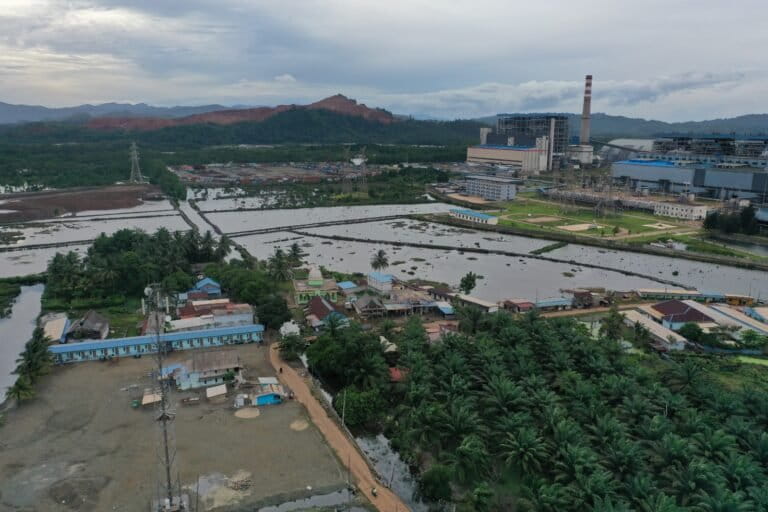
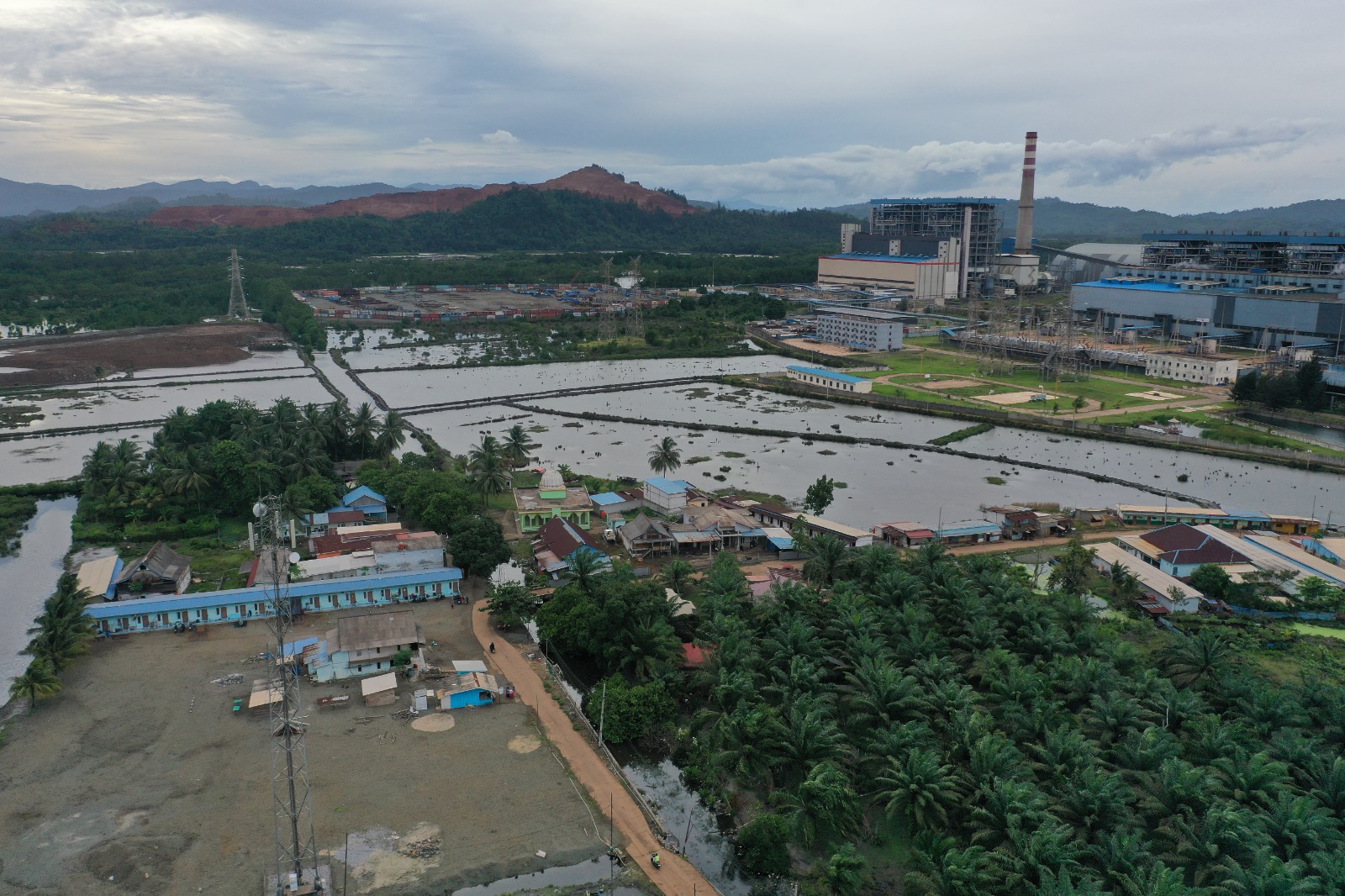
The decline of the crab population is a direct consequence of massive land-use changes codified in the Konawe Regency Spatial Plan (RTRW) 2019-2039. This policy allocated 5,500.63 hectares for industrial zones, specifically targeting the districts of Morosi (3,103.47 ha), Kapoiala (1,632.17 ha), and Bondoala (725.48 ha). Within this framework, PT Virtue Dragon Nickel Industry (VDNI) and PT OSS have transformed the landscape into a sprawling industrial aglomeration.
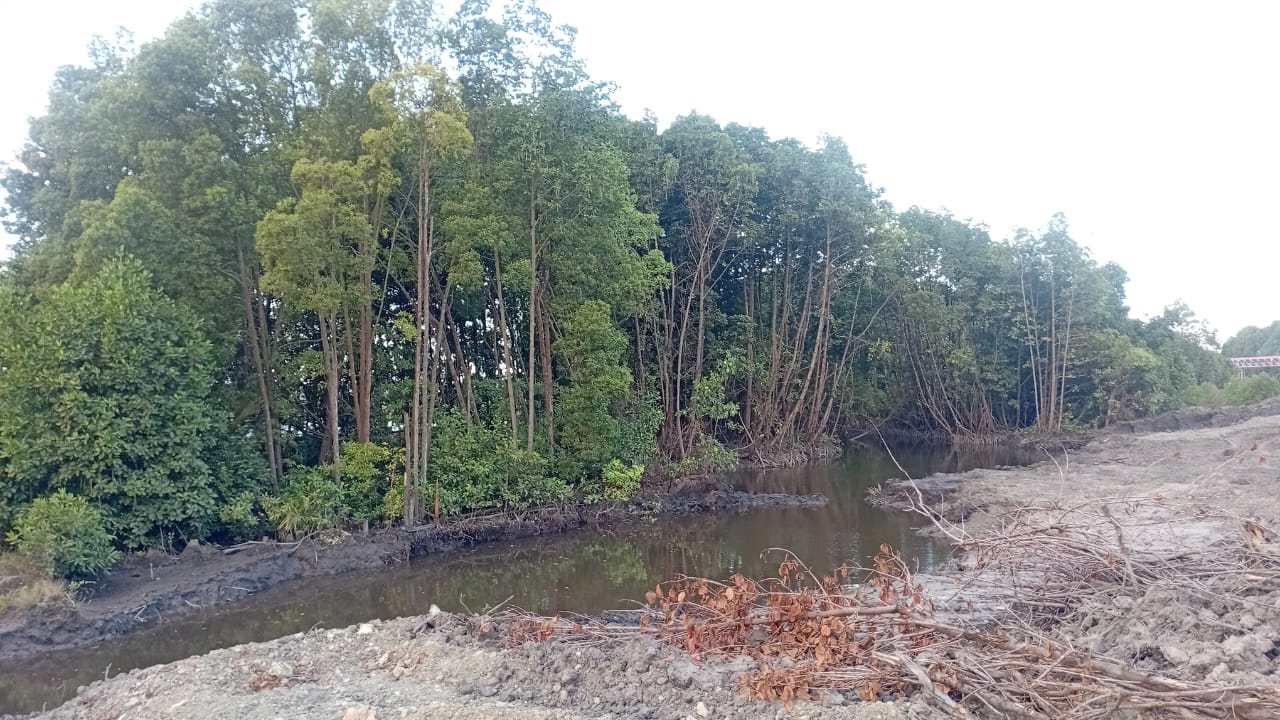
The infrastructure required for these operations is immense. To connect processing plants with loading jetties, the companies constructed 11-kilometer hauling roads, roughly 20 meters wide. These roads were built by burying hundreds of hectares of productive ponds and marshes. According to local reports, land was acquired from residents for as little as IDR 5,000 per square meter—a price many felt was coercive given the lack of alternatives. These roads and the accompanying facilities have effectively severed the hydrological connectivity of the region, cutting through riverbanks and destroying the muddy, mangrove-rich habitats essential for crab breeding.
Satellite imagery analysis from 2023 and 2025 provides a grim visualization of this expansion. PT VDNI occupies over 4,000 hectares, utilizing the land for ferronickel production with a capacity of up to 1 million tons annually. Meanwhile, PT OSS produces stainless steel with a staggering capacity of 3 million tons per year. Supporting these operations are massive captive coal-fired power plants (PLTU) and vast waste storage areas. In April 2025, imagery showed PT OSS piling solid waste and nickel ore over 438.73 hectares across several villages, often situated just meters away from riverbanks without adequate containment structures.
Ecological Collapse and the Slag Crisis
The most visible sign of environmental distress in Konawe is the accumulation of nickel slag and coal ash. PT VDNI produces approximately 3.5 million tons of slag annually, while the larger OSS operation has the potential to generate up to 17 million tons of slag per year. These waste products are frequently stored in wetland areas with low soil-bearing capacity.
Hasbullah Syaf, a Professor of Land Evaluation and Soil Science at Halu Oleo University (UHO), warns that the geotechnical risks are being ignored. Nickel slag is heavy and porous, while the marshy ground of Konawe consists of soft clay. When massive piles of slag are stacked on this unstable foundation without proper drainage or reinforcement, the pressure becomes unsustainable. This led to a significant landslide in December 2025 in Porara Village, where slag piles collapsed into the Porara River, burying nearly two hectares of community ponds and narrowing the river channel.
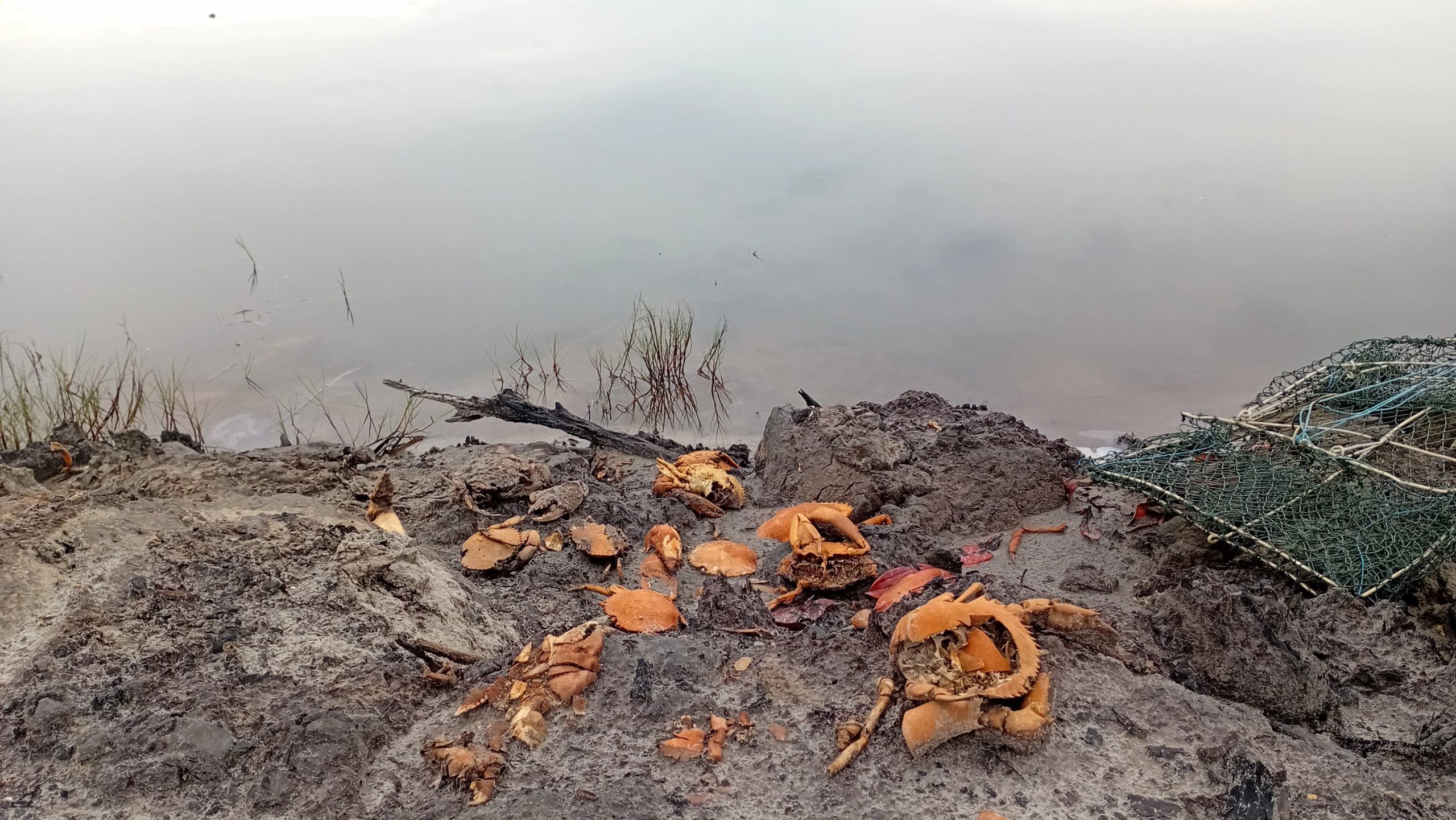
The environmental impact extends beyond physical blockages. Slag and coal ash contain hazardous heavy metals, including Nickel (Ni), Chromium (Cr), Cobalt (Co), Mercury (Hg), and Lead (Pb). Without the geomembranes or leachate drainage systems promised in environmental impact assessments (Amdal), these toxins seep directly into the water table and river systems. Testing conducted by WALHI Southeast Sulawesi in 2024 and academic researchers in 2023 confirmed that concentrations of cadmium and lead in local rivers have already exceeded safe environmental thresholds.
Legal Battles and Regulatory Failure
The industrial operations in Konawe have not gone unchallenged, but corporate accountability remains elusive. Both PT VDNI and PT OSS received "Red" rankings in the Ministry of Environment and Forestry’s (KLHK) Performance Rating Program (PROPER) for 2021-2022, indicating failure to meet basic environmental standards. In the 2022-2023 period, their status was "suspended," a designation reserved for companies with significant legal violations or those failing to implement corrective actions.
In a landmark case, 15 residents from the affected area filed a lawsuit against the companies. In 2024, the Unaaha District Court (Decision No. 28/P.dt.Sus-LH/2024/PN Unh) ruled in favor of the citizens. The court ordered PT VDNI and PT OSS to restore the rights of the community by eliminating the foul odors from the power plants, fixing liquid waste management units, and halting the emission of fugitive dust. Despite this legal mandate, two years have passed without significant environmental restoration or compliance from the companies.
The human impact of this regulatory failure is personified by Asis, a veteran fisherman in Kapoiala. Now in his twilight years, Asis watches as his source of livelihood is choked by silt and poison. He notes that even the behavior of local wildlife has changed; crocodiles, displaced from their destroyed habitats, have become more aggressive and frequent in the few remaining fishing areas, making night fishing—a traditional necessity—deadly.
The Broader Implications of the Nickel Boom
The situation in Konawe serves as a cautionary tale for the global transition to green energy. While the nickel produced here is destined for the lithium-ion batteries that power electric vehicles (EVs) and "clean" technology, the local cost is a total ecological and social upheaval. The "green" future of the West and urban Indonesia is being built on the ruins of a sustainable, low-carbon crab industry that once supported thousands of families.
The shift from independent fishing to industrial labor has also created a new class of "vulnerable workers." Men like Budi, who were once masters of their own time and environment, are now cogwheels in a machine that disregards labor laws and environmental ethics. The economic disparity is stark; while a fisherman could once earn nearly IDR 1 million in a few days during a good harvest, a smelter worker’s monthly wage is often eroded by penalties and the high cost of living in an industrial zone.
As 2026 progresses, the outlook for Konawe’s traditional sectors remains bleak. The loss of mangroves, the contamination of water, and the failure of the legal system to enforce environmental protections suggest that the mud crab industry may be nearing a point of no return. For the people of Morosi and Kapoiala, the nickel boom has not been a rising tide that lifts all boats, but a landslide that has buried their heritage and their future under millions of tons of industrial waste.