
 Nila Kartika Wati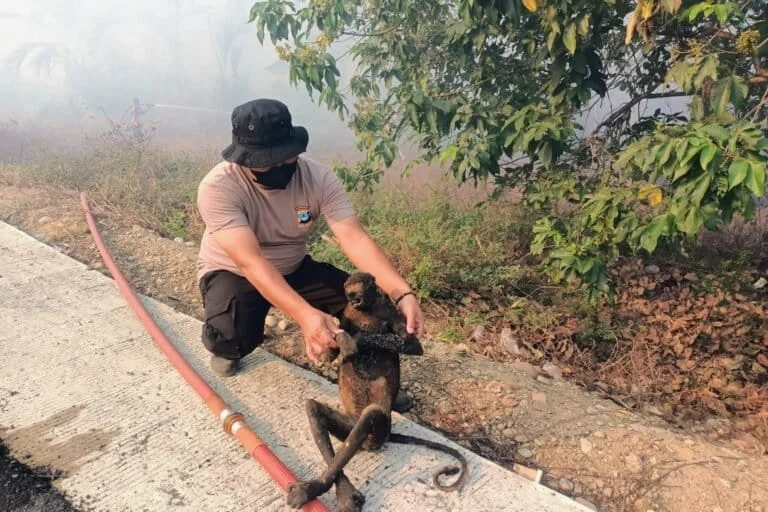
The Indonesian government is currently recalibrating its environmental strategy following a catastrophic surge in forest and peatland fires during the 2026 season, which has left administrative authorities struggling to contain both the ecological destruction and the ensuing public health crisis. In a significant policy reversal, the administration of President Prabowo Subianto has initiated the groundwork for the establishment of the National Peatland and Mangrove Management Agency (BPGMN). This move comes less than two years after the government controversially disbanded the Peatland and Mangrove Restoration Agency (BRGM) on December 31, 2024, a decision that critics now argue left a critical regulatory void.
The urgency of this initiative was underscored between October 1 and 2, 2026, when dozens of experts, hydrologists, and environmental policy scholars convened at the Manggala Wanabakti building in Jakarta. The primary objective of these consultations was to define the strategic roadmap and core mandates for the BPGMN, ensuring that the new body functions as a permanent fixture of national policy rather than a reactionary, temporary administrative measure.
The Chronology of Institutional Volatility
The history of peatland governance in Indonesia has been marked by reactive institutional shifts. Following the historic and devastating forest fires of 2015, the government established the Peatland Restoration Agency (BRG) to serve as a specialized, time-bound task force. This body was later expanded to become the BRGM to incorporate the protection of mangrove ecosystems—a critical carbon sink.
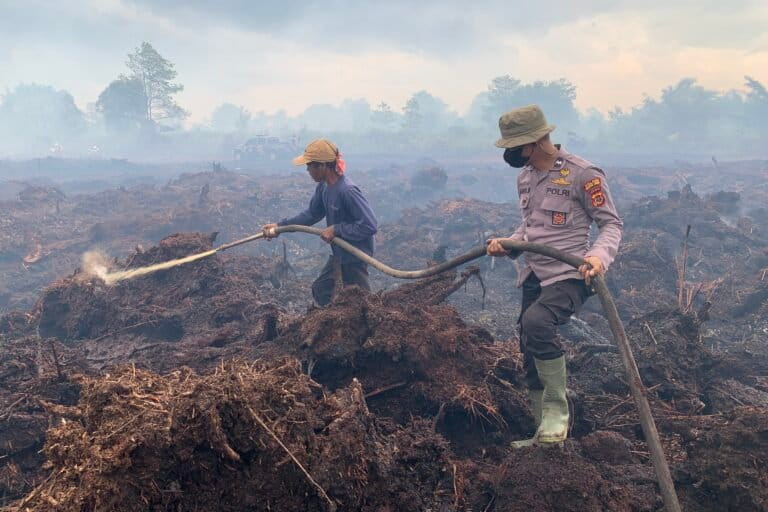
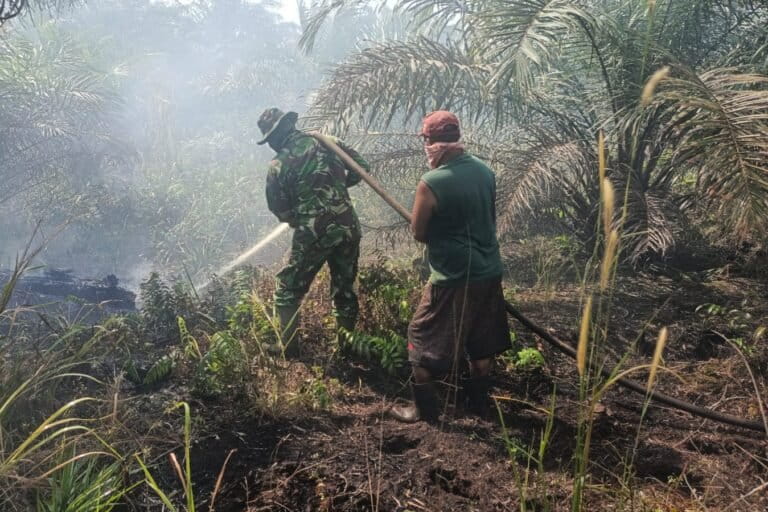
However, the dissolution of the BRGM in late 2024 was followed by an exceptionally dry and fire-prone 2026. Data from the Ministry of Forestry’s Sipongi system indicates that the scale of the 2026 fires was unprecedented, with Papua Selatan emerging as a major hotspot, particularly within areas designated for national strategic food and energy projects. The intensity of these fires, which claimed the lives of protected wildlife such as the bekantan (proboscis monkey) in Kalimantan, forced the President to convene an emergency meeting with experts on September 26, 2026, leading directly to the proposal for the BPGMN.
Structural Failures and the Push for Permanent Mandates
Civil society organizations, led by groups like Pantau Gambut, have issued cautious endorsements, emphasizing that the new agency must avoid the pitfalls of its predecessors. Wahyu Perdana, an advocacy manager at Pantau Gambut, argues that the primary failure of the BRG and BRGM was their ad hoc nature. These agencies were designed with "sunset clauses," meaning they were legally destined to expire regardless of whether their restoration targets were met.
"If the government intends for the BPGMN to surpass the efficacy of previous iterations, it must be institutionalized as a permanent body with long-term authority," Perdana stated. "It cannot be allowed to simply disappear once a temporary objective is reached."
Furthermore, the proposed mandate for the BPGMN seeks to address a long-standing point of friction: the ability of a government body to exercise authority within private concessions. Historically, restoration agencies often faced legal and physical barriers when attempting to inspect or intervene in land managed by corporations. Reports from 2016 detailed incidents where BRG personnel were physically blocked by security details while attempting to inspect burning sites within concessions. Experts are now pushing for the BPGMN to hold the power to verify land use and, where necessary, provide recommendations for the revocation of Business Rights (HGU) for companies found responsible for chronic fire outbreaks.
Regulatory Disconnect and Scientific Reality
The workshop at Manggala Wanabakti highlighted a stark "implementation gap." Academic experts, including Professor Azwar Maas of Gadjah Mada University, noted that while Indonesia possesses robust environmental regulations—such as Government Regulations (PP) 4/2001, 71/2014, and 57/2016—the reality on the ground remains disconnected from the legal framework.
The technical failure of previous infrastructure projects remains a point of contention. Pantau Gambut’s research suggests that nearly 70% of the canal blocking infrastructure built by previous agencies is currently in a state of disrepair. This highlights that the BPGMN must focus on long-term maintenance and hydrological restoration rather than just the initial construction of physical barriers.
"The new agency must shift its focus from post-disaster firefighting to proactive mitigation," Professor Maas explained. "The era of simply reacting to burning peatlands must end. We need a system that ensures the moisture levels of these ecosystems are maintained throughout the year, preventing the conditions that allow fires to ignite in the first place."
The Challenge of Inter-Ministerial Ego
The success of the BPGMN will likely hinge on its ability to navigate the complex web of Indonesian bureaucracy. Environmental management currently falls under the overlapping jurisdictions of the Ministry of Forestry, the Ministry of Agriculture, and the Ministry of Agrarian Affairs and Spatial Planning (ATR/BPN).
Uli Artha Siagian of the Indonesian Forum for the Environment (WALHI) suggests that the agency must be granted the teeth to challenge other ministries. "If the BPGMN is restricted by the existing administrative boundaries of other ministries, it will be just as ‘toothless’ as the BRGM," Siagian warned. "The agency must have the authority to audit land-use permits, particularly in areas designated for massive food and energy projects where fire risks are highest."
There is also growing concern regarding the leadership of such a body. Civil society groups have expressed apprehension about the growing trend of appointing military or police figures to lead civilian agencies, as seen recently with the National Agrarian Reform Agency. Critics argue that the BPGMN requires leadership with deep scientific, ecological, and sociological expertise in peatland management, rather than a background in security operations.
Future Implications for Climate Policy
The formation of the BPGMN comes at a time when Indonesia is under international scrutiny regarding its climate commitments. Peatlands are the country’s most significant terrestrial carbon storehouse; when they burn, the release of sequestered carbon is massive, negating years of forest conservation efforts.
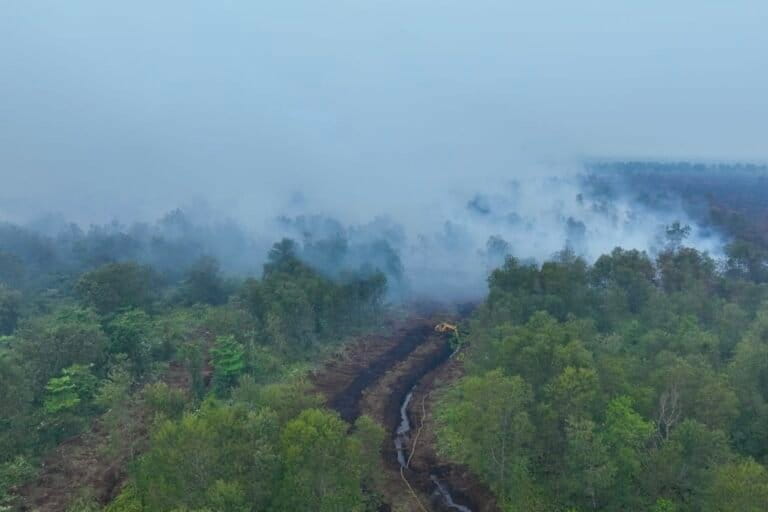
Data from the first half of September 2026 showed that over 139,000 hotspots were recorded on peatlands, with more than half of those occurring in areas categorized as "protected peatland functions." Kalimantan Tengah and Kalimantan Barat remain the epicenters of this crisis.
The nomenclature of the agency—"Management" (Pengelolaan)—has been the subject of intense debate among stakeholders. Some fear that the term implies a focus on commercial exploitation or industrial use of peatlands. However, government officials have clarified that "management" in this context is intended to encompass the full spectrum of protection, restoration, and sustainable community-based usage.
As the government moves toward formalizing the BPGMN, the international community and domestic observers will be watching closely to see if this represents a genuine shift toward environmental accountability or merely another administrative reshuffle. The consensus among the scientific community is clear: the era of temporary fixes has passed. Only a permanent, well-funded, and legally empowered agency that dares to hold corporate interests accountable can hope to preserve Indonesia’s vital peatland ecosystems for the coming decades.









