
 Nila Kartika Wati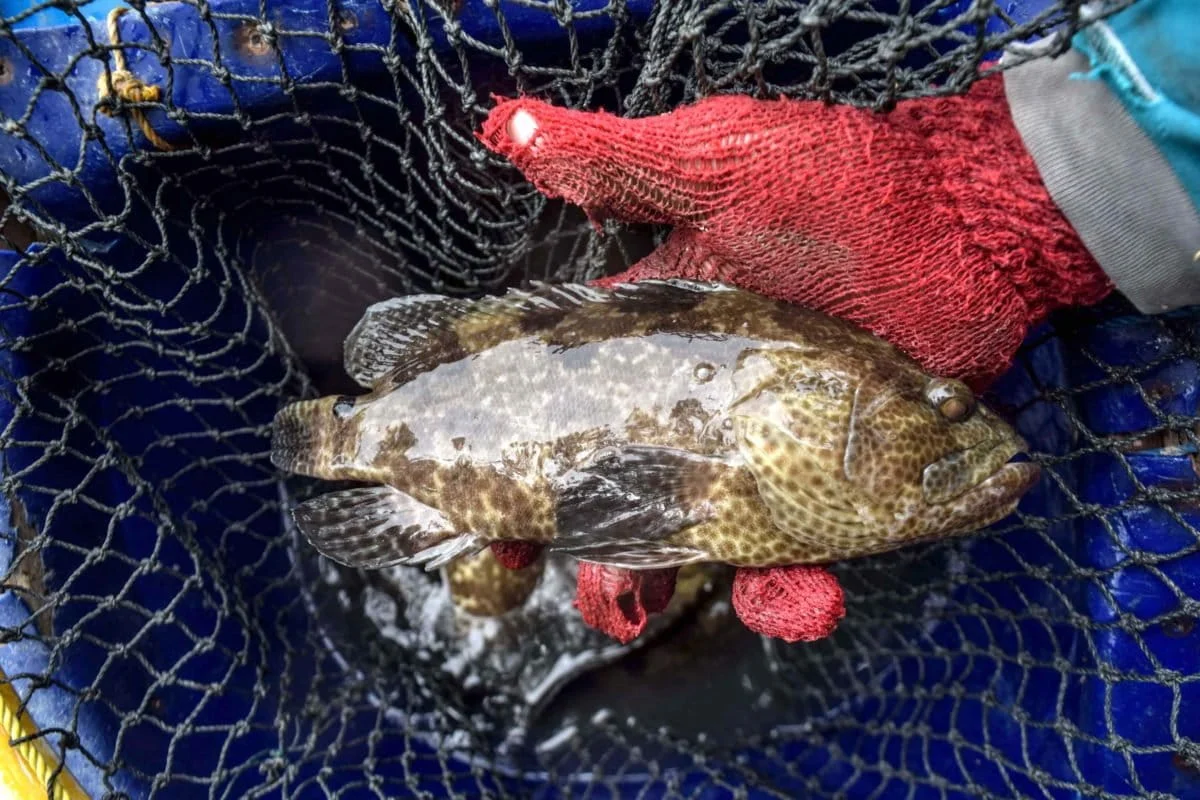
A viral podcast episode titled "Ancaman Superbug, Hewan Beracun, Nutrilevel," which debuted on July 28, 2026, has ignited a significant public debate across Indonesia regarding the safety of consuming reef fish, specifically red snapper (Lutjanus campechanus). The episode, which has garnered over 163,000 views, features a claim that red snapper weighing more than two kilograms poses a severe health risk due to the presence of a marine toxin known as ciguatoxin. This assertion has prompted widespread concern among seafood consumers, prompting regulatory bodies to issue formal clarifications to prevent unnecessary panic and protect the domestic fishing industry.
The narrative presented in the podcast suggests that larger reef fish, which are predatory by nature, accumulate toxins throughout their lifespan. As these fish grow, they supposedly become biological reservoirs for ciguatoxin, a heat-stable neurotoxin that is notoriously difficult to eliminate through standard cooking methods. The podcast guest specifically singled out red snapper, a staple in the Indonesian diet and a vital commodity for local fishers, advising consumers to avoid specimens exceeding the two-kilogram threshold.
Chronology and Regulatory Response
The ripple effects of the podcast were felt almost immediately within the fisheries sector. Recognizing the potential for economic disruption, the Ministry of Marine Affairs and Fisheries (KKP) intervened through its agency, the Agency for Quality Control and Supervision of Marine and Fishery Products (BPPMHKP). In early September 2026, the agency released a series of short educational videos across social media platforms to address the claims.
The KKP’s response was measured, aiming to provide a scientific rebuttal to the blanket warning. While the agency did not dismiss the existence of ciguatoxin, it emphasized that the risk profile for Indonesian waters is significantly different from other regions. The ministry reiterated that fish products circulating in both domestic and international markets are subject to rigorous food safety inspections. These protocols are designed to ensure that products meet national standards before they reach the consumer’s plate, thereby mitigating the risk of toxin-related illnesses.
The Science of Ciguatoxin: Understanding the Mechanism
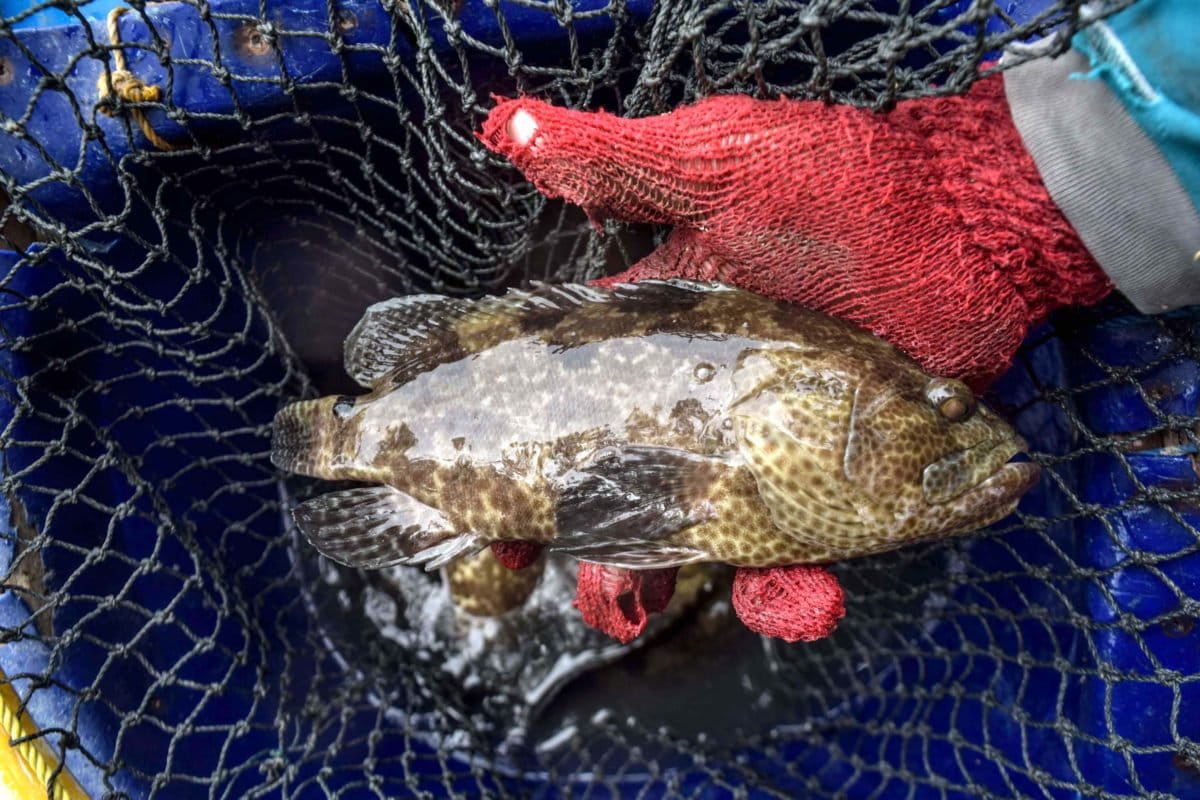
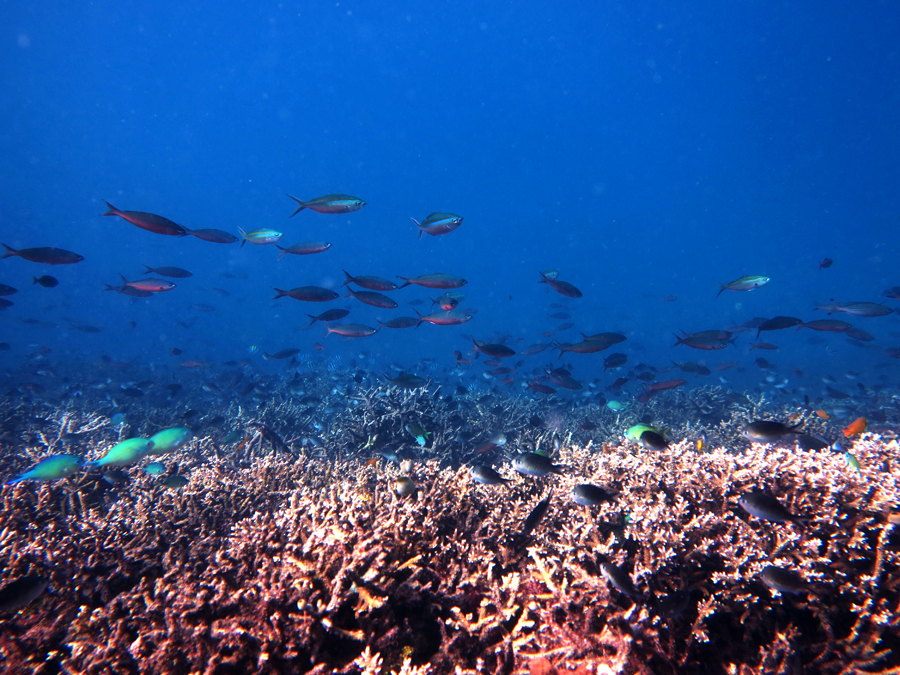
Ciguatoxin is a naturally occurring marine toxin produced primarily by microscopic dinoflagellates of the genus Gambierdiscus. These organisms live on the surface of macroalgae in coral reef environments. The toxin enters the food chain when herbivorous fish graze on the contaminated algae. Predatory fish, such as snappers, groupers, and barracudas, then consume these smaller fish, causing the toxin to bioaccumulate in their tissues.
Ciguatera fish poisoning (CFP) is the clinical condition resulting from the consumption of fish contaminated with these toxins. Symptoms typically include gastrointestinal distress—such as nausea, vomiting, and diarrhea—followed by neurological symptoms like tingling in the extremities, temperature reversal (where cold objects feel hot), and severe muscle pain.
Nurjanah, a Professor of Fishery Product Technology at IPB University, explains that while the mechanism is well-documented in tropical and subtropical regions, the reality in Indonesia is more nuanced. "There have been no confirmed cases of ciguatoxin poisoning linked to commercially traded Indonesian fish," she stated. She points out that the environmental conditions in Indonesia—specifically the relatively stable, year-round tropical temperatures—may be less conducive to the massive, unpredictable "algal blooms" that typically trigger high levels of ciguatoxin accumulation seen in subtropical zones.
Risk Distribution and Consumer Safety
One of the most critical aspects of the discussion is the distribution of the toxin within the fish’s body. According to research, if ciguatoxin is present, it does not distribute evenly. Instead, it tends to sequester in specific organs, particularly the liver, intestines, and the fatty tissues around the head.
"The probability of the toxin residing in the muscle meat—which is what most people consume—is very low, even in larger fish," Professor Nurjanah noted. She advises that for those concerned about potential risks, the simplest mitigation strategy is to avoid consuming the viscera (internal organs) and the head of large reef fish. This traditional food safety practice aligns with global health guidelines for mitigating ciguatera risk.

Furthermore, the detection of ciguatoxin is a complex, costly, and technically demanding process. Current detection levels are often as low as 0.6 parts per billion (ppb), or 0.6 micrograms per kilogram of fish. Because Indonesia currently lacks a standardized, high-speed, and cost-effective testing method for widespread commercial application, the country relies on systematic monitoring and general food safety standards rather than specific, per-fish testing.
Challenges in Research and Data Mapping
Tumpak Sidabutar, an oceanographer at the National Research and Innovation Agency (BRIN), acknowledges that while the risk is currently unquantified in Indonesia, it is a subject that demands more rigorous scientific inquiry. "As a nation with vast coral reef ecosystems, we cannot rule out the presence of ciguatoxin," he stated. During his own research expeditions in the waters of Ambon, Maluku, he reported finding trace amounts of the toxin, though the quantities were statistically insignificant for human health.
The challenge, according to experts, lies in the lack of comprehensive mapping. The growth of toxic microalgae is tied to environmental variables such as sea surface temperature, salinity, and climate phenomena like El Niño, which can trigger shifts in marine ecology. Without a detailed national database on the distribution of Gambierdiscus and subsequent toxin levels in local fish populations, it is difficult to develop a localized, evidence-based warning system.
The Economic and Food Sovereignty Perspective
The panic generated by the podcast highlights a broader concern regarding national food sovereignty. Fish and seafood are the primary sources of animal protein for millions of Indonesians. Unsubstantiated claims about the safety of key commodities like red snapper can devastate the livelihoods of small-scale fishers and undermine the reputation of the domestic fishing industry in international markets.
To address these concerns, experts are calling for the implementation of the "C3Q" principle in the post-harvest chain:
- Cool: Maintaining the cold chain from catch to consumer.
- Clean: Ensuring strict hygiene standards to prevent cross-contamination.
- Careful: Exercising caution in the selection and preparation of reef fish, especially large specimens.
- Quick: Reducing the time fish spends at room temperature to prevent microbial growth.
The integration of advanced technologies, such as Artificial Intelligence (AI) for real-time monitoring of algal blooms and satellite imagery to track environmental changes, is proposed as a vital step forward. A robust early-warning system would not only protect consumers but also provide fishers with actionable data, allowing them to avoid fishing in high-risk zones during potential bloom events.
Conclusion and Future Outlook
The debate surrounding the "Ancaman Superbug" podcast serves as a catalyst for a much-needed conversation about the intersection of marine ecology and food safety in Indonesia. While the danger of ciguatoxin is a documented phenomenon in marine science, the current evidence suggests that it is not an immediate, widespread threat to the average Indonesian consumer of red snapper.
However, the lack of comprehensive data underscores the need for a more proactive stance from the scientific and regulatory communities. Rather than relying on alarmist narratives, the focus must shift toward long-term research, better mapping of marine ecosystems, and the development of accessible, standardized testing protocols. By fostering a culture of informed consumption—such as avoiding high-risk organs and supporting properly handled, legally caught fish—Indonesia can ensure the safety of its population while protecting the integrity of its vital fisheries sector.
As the government continues to refine its food safety policies, the consensus among experts remains clear: awareness and education are the most effective tools against potential toxins. The future of Indonesia’s maritime economy depends on its ability to transition from reactive measures to a system rooted in rigorous, data-driven security, ensuring that the country’s marine wealth remains a safe and sustainable source of nutrition for generations to come.









