Nila Kartika Wati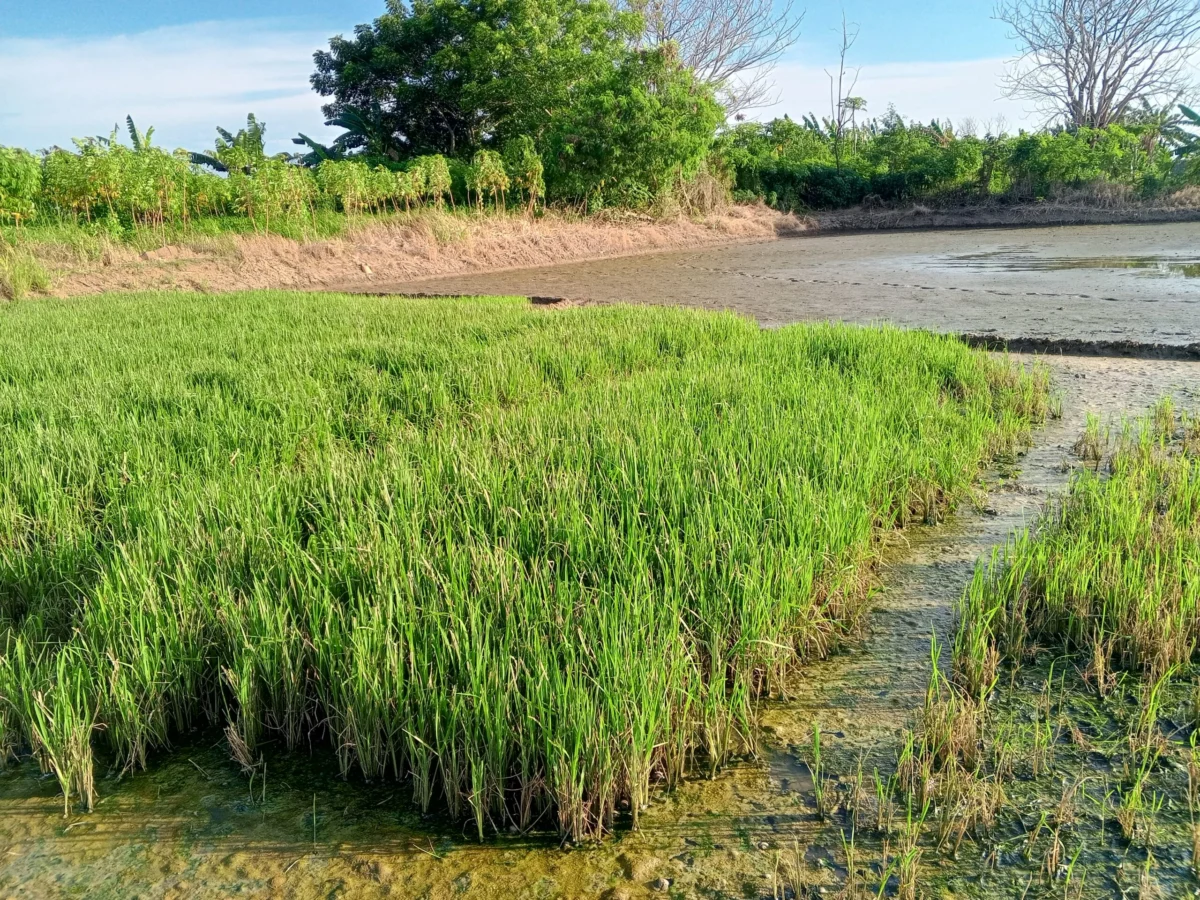
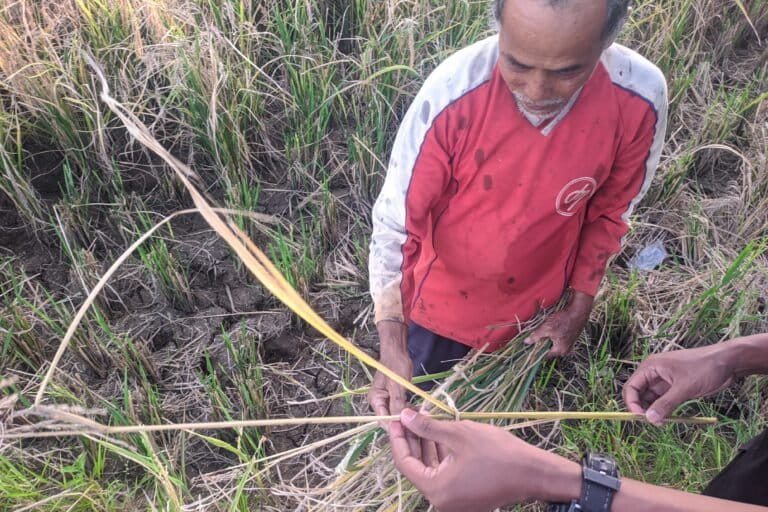
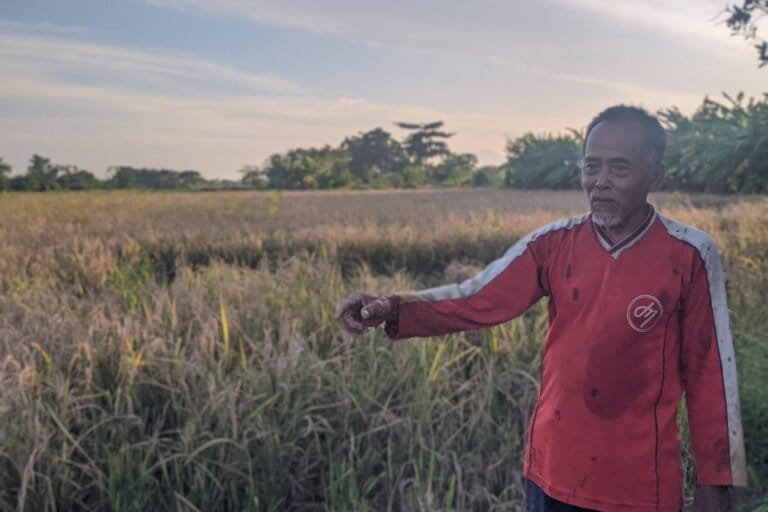
The persistent and escalating water pollution in the Ciujung River, Banten, has reached a critical threshold, leaving thousands of farmers who depend on its irrigation systems in a state of chronic economic instability. For farmers like Arman and Jarnudi, the arrival of the rice-planting season is no longer a time of hope but a period of profound anxiety. Success in the fields has become a matter of luck rather than labor; a successful harvest allows them to settle their initial capital debts, while a failure plunges them into a compounding cycle of financial ruin. At over 50 years old, Arman continues to toil in his fields in Tengkurak Village, Tirtayasa District, Serang Regency, where his hands—weathered by decades of agricultural work—carefully sort through rice grains. Using a traditional sickle, he harvests what little he can, stacking the stalks on the embankments of a field that sits precariously on the edge of the Ciujung River estuary.
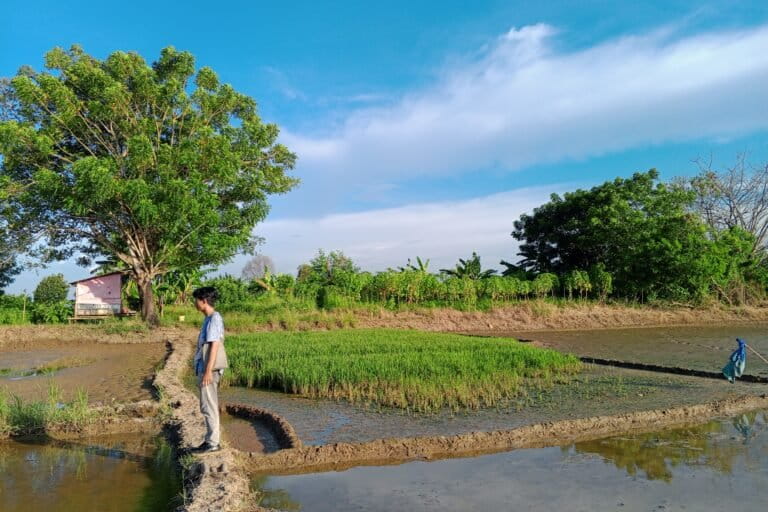
The Ciujung River, stretching 147 kilometers across the Lebak and Serang Regencies, serves as the lifeblood for the region’s agricultural heartland. However, the water that flows through its channels is often a murky, ink-black hue, emitting a pungent, nauseating stench that signals the presence of industrial effluent. This environmental degradation is not localized to Tirtayasa; it extends through the districts of Tanara, Carenang, and Lebak Wangi. For Arman and his family, their entire existence is tied to this waterway. Under ideal conditions, his one-hectare plot can yield between four to six tons of rice per harvest, potentially generating between IDR 20 million and IDR 39 million. However, when the cost of tractor rentals, labor, seeds, fertilizer, and pesticides—which totals roughly IDR 20 million per cycle—is factored in, the margins for survival are razor-thin.
A Decades-Long Decline in Productivity
The plight of the Ciujung farmers is not a recent phenomenon but the result of a slow-motion environmental catastrophe that began nearly three decades ago. According to local accounts, the productivity of the land began to plummet in the early 2000s, coinciding with the rapid industrialization of the riverbanks. Prior to this, the river provided reliable irrigation; today, it is a source of toxicity. Arman recalls that in years of heavy pollution, his harvest can drop to as little as four quintals—a mere fraction of his usual yield—returning only IDR 2 million to IDR 3 million. This does not even cover a tenth of his production costs.
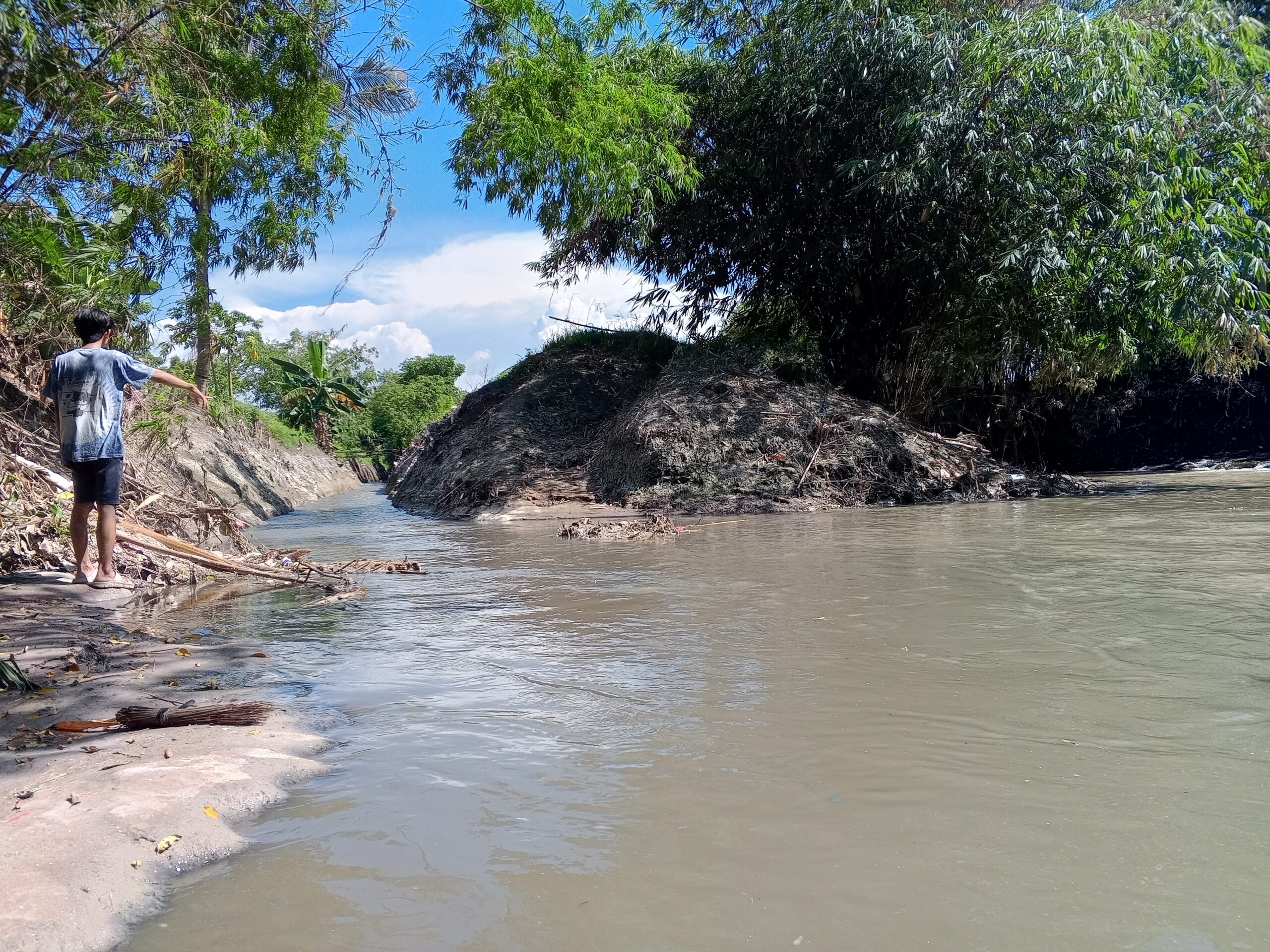
The mechanism of crop failure is directly linked to the river’s flow dynamics. When the upstream current is strong, it can occasionally flush the pollutants out toward the sea. However, during periods of low flow or drought, the contaminated water stagnates in the irrigation channels. The rice plants become "megegeg"—a local term describing a state where the plants stop growing but do not immediately die. Eventually, the toxic load becomes too much, and the crops wither. This situation is exacerbated during the dry season when the "twin plagues" of industrial waste and saltwater intrusion from the rising sea levels collide, creating a hypersaline, chemically toxic environment that no crop can survive.
The Debt Trap and the Role of Middlemen
The economic impact of these failed harvests extends beyond immediate loss of income. Most farmers in the region lack the liquid capital required to start a planting cycle and are forced to borrow from "tengkulak" or informal traditional lenders. These loans come with strings attached: the farmers are often contractually obligated to sell their entire harvest back to the lender at prices significantly below the market rate, sometimes as low as IDR 6,200 per kilogram.
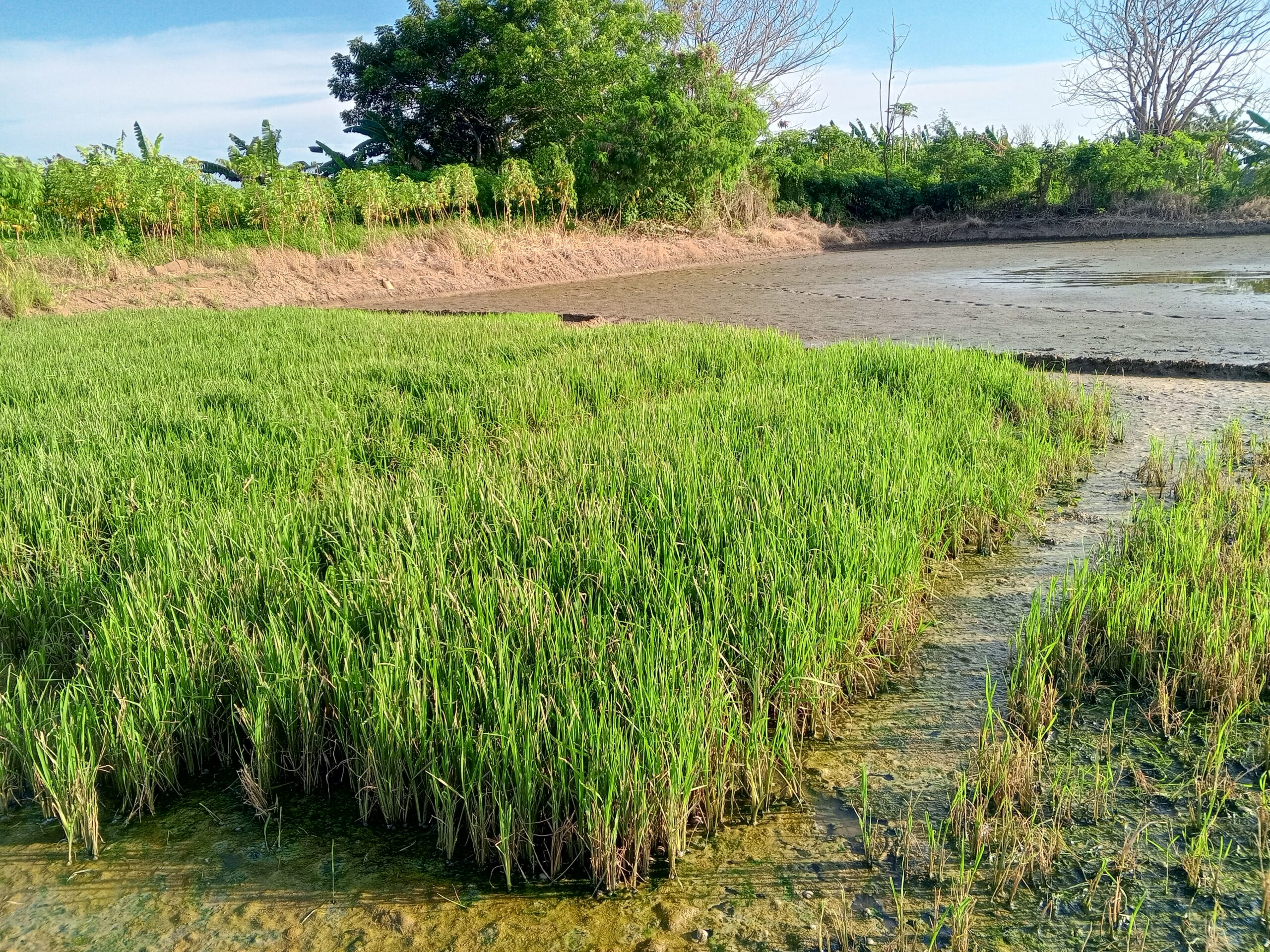
When the crops fail due to river pollution, the debt does not disappear. Instead, it is rolled over to the next season, creating a permanent state of debt bondage. Jarnudi, another local farmer, explains that the risks have become so high that many now choose to leave their land fallow during the dry season rather than risk the total loss of borrowed capital. The pollution does more than kill the rice; it destroys the local ecosystem, killing fish populations that once provided a secondary source of food and income, and causing painful skin irritations for anyone who comes into contact with the water.
Scientific Evidence of Contamination
The historical record of pollution in the Ciujung is well-documented but largely unaddressed. As far back as 2012, an environmental audit by the Ministry of Environment and Forests identified industrial discharge as the primary culprit. A major focus of the investigation was PT Indah Kiat Pulp and Paper (IKPP), one of the largest paper producers in Southeast Asia, which operates a massive facility along the river.
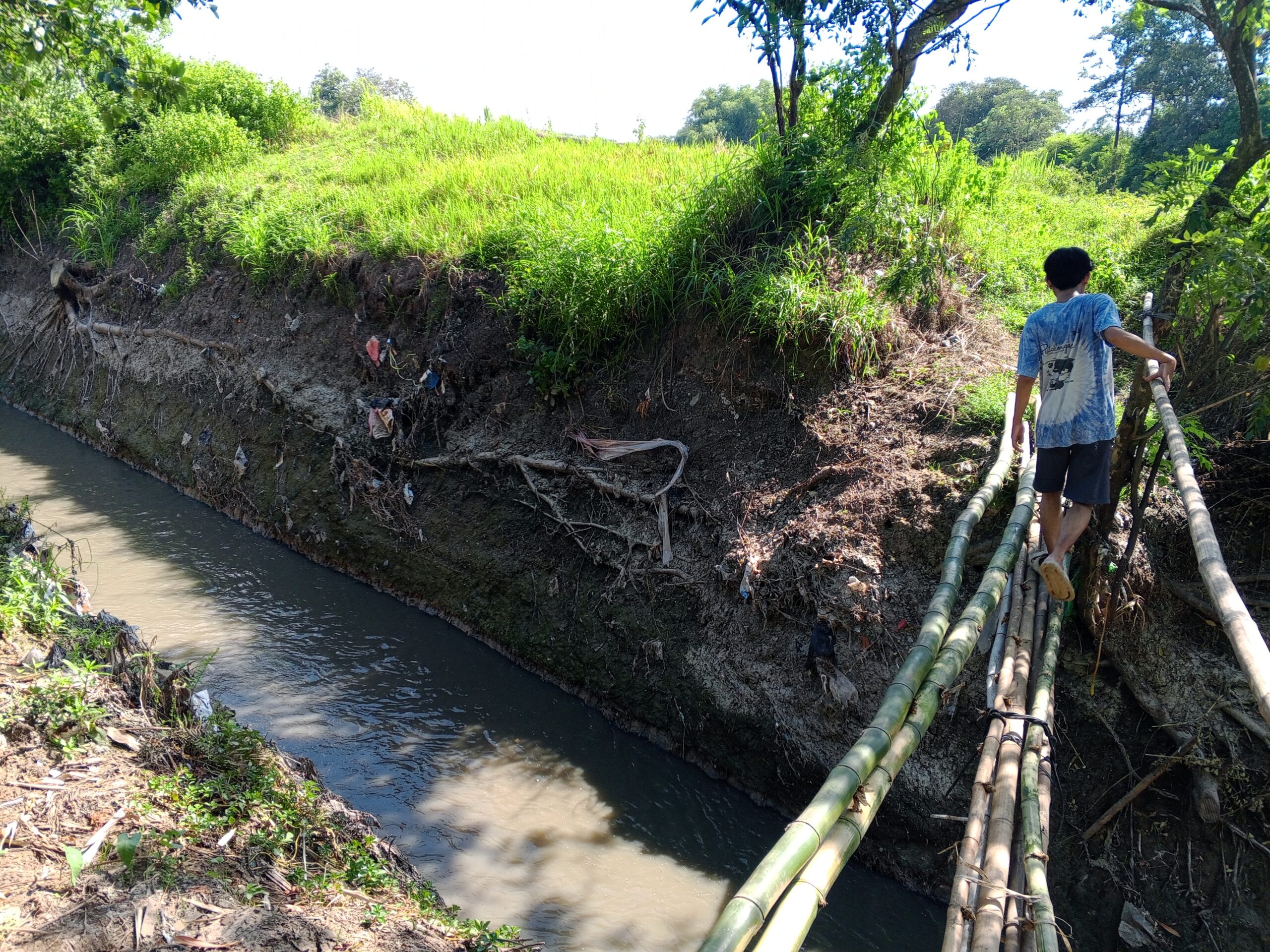
Research conducted by the National Research and Innovation Agency (BRIN) in the same period confirmed the presence of dangerous heavy metals in the river’s sediment. The study found concentrations of arsenic (As), cadmium (Cd), and lead (Pb), alongside other metals such as cobalt, chromium, iron, manganese, zinc, copper, and nickel. By 2024, the Ministry of Environment identified 26 different companies suspected of contributing to the pollution of the Ciujung, including two major pulp and paper mills. Despite these findings, the specific names of all the offending companies and the full details of their violations have often been shielded from public view, hindering community-led legal action.
Data from 2024 research on the river’s "Pollutant Load Carrying Capacity" highlights the staggering volume of waste the river is forced to absorb. The Biological Oxygen Demand (BOD) and Chemical Oxygen Demand (COD) levels—key indicators of water quality—frequently exceed the river’s natural ability to self-purify. For instance, the measured COD levels ranged as high as 12,460 kg/day, while total coliform bacteria reached nearly 2.8 million kg/day, posing a severe biological hazard.
Health Implications and Ecological Toxicity
The presence of these pollutants has dire consequences for both human health and the long-term viability of the soil. Lintang Rizkyta Ananda, Head of the Chemical Engineering Study Program at Setia Budi University, Rangkasbitung, warns that the dangers are both acute and chronic. In the short term, high coliform counts lead to skin infections and gastrointestinal diseases. High nitrate levels are particularly dangerous for infants, as they can interfere with oxygen transport in the blood.
However, it is the long-term accumulation of heavy metals that presents the most terrifying prospect. These elements do not dissipate; they bioaccumulate in the food chain. "The long-term impact of heavy metals in the body is not felt immediately, but later," Ananda explains. "They are known carcinogens and can cause irreversible organ damage." Furthermore, the chemicals alter the pH of the soil and water, making it "toxic" for rice. The reduction in dissolved oxygen prevents the roots from "breathing," while the heavy metals block the absorption of essential nutrients. This results in the characteristic yellowing of leaves, root rot, and the eventual collapse of the plant.
Regulatory Weakness and Corporate Accountability
The persistence of this crisis is widely attributed to a failure of governance and a lack of transparency. Hifdi Ridho, Director of the Ciujung Institute, argues that the pollution continues because the costs of polluting are lower than the costs of proper waste treatment. While Law No. 32/2009 on Environmental Protection and Management mandates strict waste management and carries heavy administrative and criminal penalties, enforcement remains inconsistent. "If there is no control or policy enforcement, it is profitable for corporations to ignore the law," Ridho notes.
The Serang Regency Environmental Office (DLH) admits that the river’s condition has fluctuated between "lightly to moderately polluted" in 2025 and "lightly to heavily polluted" in 2023. However, the agency’s transparency has been questioned. While officials cite 18 different parameters of physical and biological testing, they have historically restricted journalists and the public from documenting or photographing the full laboratory results.
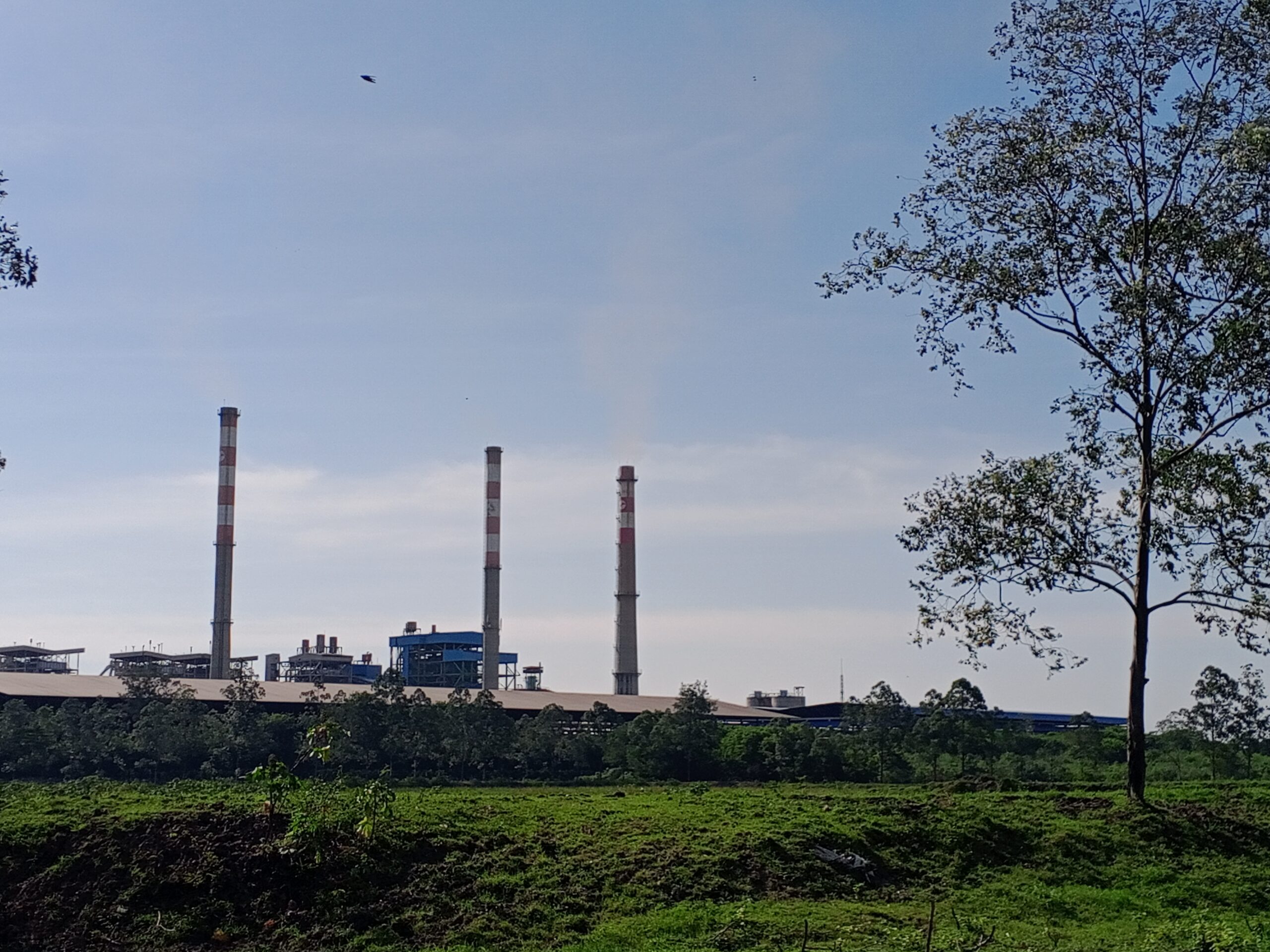
In a move to curb the damage, the DLH announced that as of 2024, it would no longer issue or renew Liquid Waste Disposal Permits (IPLC) that allow companies to discharge effluent directly into the river. New regulations require "technical approvals" that theoretically forbid environmental discharge. However, many industrial zones in the Cikande and Kragilan areas still lack communal Wastewater Treatment Plants (IPAL), meaning individual factories are responsible for their own waste—a system that is notoriously difficult to monitor and easy to circumvent through clandestine night-time dumping.
The Path Forward: Advocacy and Rehabilitation
Environmental advocates, including Nur Holis Hasan from Walhi Jakarta, emphasize that the government bears the ultimate responsibility for this ecological failure. He argues that environmental oversight has become a "formality," where investigation results are often compromised or kept opaque. To break the cycle, there must be a shift toward radical transparency, involving the affected communities in the monitoring process.
The rehabilitation of the Ciujung River requires more than just stopping current leaks; it requires the removal of decades of accumulated toxic sediment from the riverbed. For the farmers of Serang and Lebak, the stakes could not be higher. Their livelihoods, their health, and the food security of the Banten province depend on whether the government chooses to prioritize the health of its natural resources over the unbridled convenience of industrial giants. Until then, the black waters of the Ciujung will continue to flow, carrying with them the broken dreams of a generation of farmers who find themselves strangers in their own once-fertile land. Efforts to seek confirmation from major players like PT IKPP continue to be met with silence, underscoring the uphill battle for accountability in one of Indonesia’s most critical industrial corridors.