Bambang Pamungkas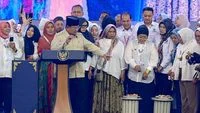
Jakarta, CNBC Indonesia – President-elect Prabowo Subianto, during a pivotal address on Wednesday, June 3, 2026, issued unequivocal directives regarding the menu specifications for his flagship "Makan Bergizi Gratis" (MBG) or Free Nutritious Meal program. Speaking before an assembly of 12,000 program mobilizers and partners in Sentul, Bogor, President Subianto underscored the critical importance of adhering to strict nutritional guidelines, particularly concerning protein portions and food preparation methods, to ensure the program effectively combats malnutrition among Indonesian children. His instructions, delivered with a hands-on approach, aim to stamp out potential for fraud and guarantee that every child receives adequate and quality sustenance.
The directive was not merely a verbal instruction but a vivid demonstration of the President’s commitment to the program’s integrity. During the event, President Subianto unexpectedly called for examples of chicken portions to be brought onto the stage. He then invited ten representatives from the program’s implementers, known as SPPGs (Suppliers and Program Partners Group), to join him, carrying plates displaying the various chicken cuts. The representatives eagerly ascended, some seizing the opportunity to shake hands with the President before presenting their samples. "The one on the left is chicken cut into 14 pieces; the one on the right is 8," President Subianto articulated, pointing to the plates. His message was clear: program partners must provide substantial chicken portions to schoolchildren, exemplifying the appropriate size for fulfilling children’s nutritional needs. He sternly warned against insufficient portions, stating, "If you cut it into more than 14 pieces, it is a sin. A sin! How many millions of Indonesian children will be deeply disappointed?" To enforce this, he declared that he would instruct the Minister of Education, Culture, Research, and Technology (Mendikdasmen), school principals, and teachers to monitor and report on whether children were receiving adequately sized chicken portions.
Beyond chicken, President Subianto also issued a specific prohibition on how eggs should be prepared for the MBG program. He explicitly instructed SPPG owners not to serve scrambled eggs (telur dadar). "Partners, secondly, do not make scrambled eggs," he stated. The partners on stage concurred, prompting a lighthearted but pointed remark from the President. He quipped about past practices: "There’s a mother behind me saying, ‘No, sir, not anymore,’ implying that perhaps it was done yesterday, right?" President Subianto explained his rationale: scrambled eggs, or even orak-arik (stir-fried scrambled eggs), could be easily adulterated with other ingredients, such as excessive flour, thereby reducing the actual quantity and nutritional value of the egg served. To prevent such dilution and ensure full nutritional benefit, he mandated that eggs must be served whole, either fried (ceplok) or boiled. "So, eggs must be whole, fried, or boiled. Is that right? Mendikdasmen, school principals, teachers, ensure there are no more scrambled eggs or what is it, orak-arik. It must be fried whole and round, and if boiled, peeled," he firmly instructed.
The "Makan Bergizi Gratis" Program: A Cornerstone of Prabowo’s Presidency
The "Makan Bergizi Gratis" program stands as one of President Prabowo Subianto’s most ambitious and defining campaign promises, now transitioning into a core policy initiative of his administration. Conceived during his presidential campaign, the program’s primary objective is to address the pervasive issue of child malnutrition and stunting across Indonesia, a challenge that has long hampered the nation’s human capital development. The initiative aims to provide nutritious meals to millions of schoolchildren daily, thereby improving their health, cognitive development, and educational outcomes.
The program is envisioned as a multi-faceted approach to national development. Beyond its immediate nutritional goals, MBG is expected to boost school attendance, reduce instances of illness among children, and indirectly stimulate local economies through the procurement of food supplies from domestic farmers and producers. The scale of the program is immense, targeting millions of students nationwide, from elementary to high school levels. The budgetary allocation for MBG represents a significant investment by the Indonesian government, reflecting a strategic pivot towards human capital development as a cornerstone of national progress. Experts project that the successful implementation of such a large-scale feeding program could have transformative effects on Indonesia’s demographic dividend in the coming decades.
Addressing Indonesia’s Nutritional Challenges: The Data Behind the Initiative
Indonesia, like many developing nations, has grappled with significant challenges in child nutrition. According to recent official statistics, while progress has been made, the prevalence of stunting remains a critical public health concern. As of early 2026, government reports indicate that a substantial percentage of Indonesian children under five years old still suffer from stunting, a condition characterized by impaired growth and development due to prolonged undernutrition. This issue is not merely about physical height; stunting is irrevocably linked to poor cognitive development, reduced educational attainment, and lower economic productivity in adulthood. Regional disparities in stunting rates are also pronounced, with some remote and impoverished areas reporting rates significantly higher than the national average.
The implications of widespread stunting are profound, impacting not only individual well-being but also national competitiveness. Children who are stunted are more susceptible to illness, perform poorly in school, and are less likely to reach their full potential, creating a cycle of poverty and underdevelopment. Recognising this, the Indonesian government has set ambitious targets to drastically reduce stunting rates, with the MBG program serving as a crucial intervention.
Protein, a key component of the MBG menu as highlighted by President Subianto, is fundamental for growth and development. Chicken and eggs are chosen for their high protein content, essential amino acids, and relative affordability on a mass scale. A typical serving of chicken provides crucial animal protein, iron, and B vitamins, vital for energy and cognitive function. Eggs are often referred to as "nature’s multi-vitamin," packed with protein, choline (critical for brain development), and various other vitamins and minerals. By ensuring adequate portions of these nutrient-dense foods, the MBG program aims to directly address protein and micronutrient deficiencies that contribute to stunting and poor health. The President’s specific instructions underscore a detailed understanding of the nutritional impact of these staples and the need to maximise their benefit for children.
Operationalizing the Directives: Challenges and Expectations
President Prabowo Subianto’s detailed directives, while clear in their intent, present a complex array of operational challenges and expectations for the program’s implementers. The sheer scale of the MBG program, involving 12,000 partners catering to millions of schoolchildren daily across a vast archipelago, necessitates meticulous planning, robust logistics, and stringent oversight.
Logistical Hurdles: The procurement and distribution of food on such a massive scale demand an efficient and resilient supply chain. Sourcing fresh chicken and eggs, maintaining proper cold chains to prevent spoilage, and ensuring timely delivery to thousands of schools, many in remote areas, will be a monumental task. The program will need to establish regional hubs, coordinate with local farmers and suppliers, and manage transportation networks effectively. Any disruption in this chain could compromise the quality and consistency of the meals.
Quality Control and Adherence: Monitoring adherence to specific portion sizes and preparation methods across a decentralised network of SPPGs will be a significant challenge. President Subianto’s instruction for the Mendikdasmen, school principals, and teachers to act as de facto auditors highlights the need for a multi-layered verification system. This will require clear guidelines, regular training sessions for school staff, and potentially digital reporting mechanisms to track compliance. The success of this oversight will depend heavily on the commitment and capacity of school-level personnel. The President’s "sin" remark regarding small portions underscores the moral imperative he places on quality, aiming to instill a sense of responsibility among all stakeholders.
Cost Implications: Mandating larger chicken portions and specific egg preparations (whole, fried, or boiled) could potentially increase the per-meal cost. While aiming for better nutrition, this must be managed within the allocated budget to ensure the program’s long-term financial sustainability. The government will need to carefully balance nutritional goals with fiscal prudence, potentially through bulk purchasing agreements, strategic partnerships with agricultural sectors, and continuous cost-benefit analyses. There is also the potential for increased demand to drive up the prices of chicken and eggs, requiring careful market monitoring and intervention if necessary.
Supplier Capacity and Economic Impact: The consistent demand generated by the MBG program offers a significant opportunity to stimulate local economies, particularly the poultry and egg industries. However, it also raises questions about the capacity of local farmers and suppliers to meet such a massive and sustained demand. Investment in local agricultural infrastructure, support for small and medium-sized enterprises (SMEs) in the food sector, and training for local producers could be essential to ensure a stable supply chain while empowering local communities. This could lead to job creation in farming, processing, distribution, and food preparation.
Training and Standardization: The success of the directives hinges on the effective training and standardization of practices among the 12,000 SPPG partners. Comprehensive training programs will be necessary to educate partners on exact portion sizes, proper food handling and hygiene, the mandated preparation methods for eggs, and waste management. This will ensure consistency in meal quality and safety across all participating schools. The anecdote about past scrambled egg practices implicitly acknowledges a learning curve and the need for clear, unambiguous instructions moving forward.
Public Reception and Trust: The President’s hands-on approach and direct emphasis on quality are likely to resonate positively with parents and the wider public. Demonstrating a personal commitment to the children’s well-being can foster greater trust in the government’s ability to deliver on its promises. Transparency in program implementation and visible improvements in children’s health will be crucial for maintaining public support.
Stakeholder Reactions and Future Outlook
The directives from President Prabowo Subianto are expected to elicit a range of reactions from key stakeholders, each playing a vital role in the MBG program’s success.
Ministry of Education, Culture, Research, and Technology (Mendikdasmen): The Ministry, directly tasked by the President, will be at the forefront of implementing these new standards. Its role will involve translating the presidential directives into detailed operational guidelines for schools and regional education offices. This includes developing monitoring protocols, training materials for teachers and school staff, and establishing clear reporting channels for compliance and grievances. The Ministry faces the challenge of balancing stringent oversight with empowering local schools and communities to manage the program effectively, ensuring that the spirit of the directives is maintained without stifling local initiative.
Program Partners (SPPGs): The 12,000 SPPG partners, the direct providers of the meals, will need to swiftly adapt their operations. While the clarity of the directives may be welcomed, the practical adjustments to portion control, procurement, and cooking methods will require immediate attention. The "emak" anecdote humorously underscores that some partners might have previously deviated from ideal practices, necessitating a cultural shift towards stricter adherence to nutritional and ethical standards. SPPGs will likely require robust support, ongoing training, and perhaps financial adjustments to accommodate the potentially increased costs associated with larger portions and specific preparation methods. Their ability to innovate and efficiently manage their supply chains will be crucial.
Nutrition Experts and Public Health Bodies: Public health experts and nutritionists are likely to commend the President’s emphasis on protein-rich foods like chicken and eggs, which are critical for addressing micronutrient deficiencies and stunting. They might also advocate for a broader inclusion of diverse food groups, such as fruits, vegetables, and whole grains, to ensure a comprehensive dietary intake. However, the focus on protein is a strong first step. These bodies will likely provide scientific input and collaborate with the government to refine nutritional standards and evaluate the program’s long-term health impacts.
Economic Sector: The directives will have a significant ripple effect on Indonesia’s agricultural and food processing sectors. The increased demand for chicken and eggs will boost the poultry industry, potentially leading to increased production, investment, and job creation. Local farmers, in particular, stand to benefit from stable, large-scale procurement. However, careful management will be needed to prevent supply shortages or undue price inflation, which could undermine the program’s cost-effectiveness. The economic implications extend to logistics, packaging, and food service industries, creating a wider ecosystem of economic activity.
Overall Government Commitment: President Subianto’s hands-on approach and direct communication underscore his personal commitment to the MBG program’s success. This leadership style signals to all levels of government and society that this initiative is a top priority for his administration. Such visible dedication can galvanize ministries, local governments, and communities to work cohesively towards the program’s ambitious goals. It also sets a precedent for direct intervention to ensure program integrity and quality.
Long-Term Vision: A Healthier, Smarter Generation
The "Makan Bergizi Gratis" program, guided by President Prabowo Subianto’s precise directives, represents more than just providing meals; it embodies a profound long-term vision for Indonesia. The ultimate goal is to cultivate a healthier, smarter, and more productive generation capable of driving the nation’s future development. By systematically addressing child malnutrition and stunting, the MBG program aims to break cycles of poverty, improve educational attainment, and enhance overall national human capital.
If successfully implemented with the mandated quality and integrity, the program has the potential to transform the health landscape of Indonesian children, leading to improved physical growth, enhanced cognitive function, and better academic performance. This, in turn, will prepare a more capable workforce, fostering innovation and economic growth for decades to come. The emphasis on local procurement also strengthens the domestic agricultural sector, creating a virtuous cycle of economic development and nutritional security. The MBG program, therefore, is not merely a social welfare initiative but a strategic investment in Indonesia’s most valuable asset: its future generations. The journey ahead will demand sustained political will, efficient administration, and continuous adaptation, but the foundation laid by these initial, firm directives signals a resolute commitment to a healthier and more prosperous Indonesia.