Nila Kartika Wati
The realization for Nur Fitriani came not from a global summit or a scientific journal, but from a simple digital interface on her smartphone screen in early 2026. A 27-year-old banking professional living in the bustling city of Yogyakarta, Fitriani was stunned to discover that her personal lifestyle choices generated a staggering 450 kilograms of carbon emissions in a single month. This data-driven epiphany served as a catalyst for a profound lifestyle transformation, highlighting a growing trend in Indonesia where technology and religious ethics converge to address the escalating climate crisis.
For Fitriani, the journey toward a lower-carbon existence began with a meticulous audit of her daily habits. Shocked by her initial footprint, she committed to a rigorous regime of reducing her reliance on fossil fuels. She pivoted from using a private motorcycle to utilizing the TransJogja bus system for urban transit and opted to walk to local shops instead of driving. Within her "kos" (a traditional Indonesian boarding house), she became a vigilant monitor of her electricity consumption. By documenting her activities every night before sleep using a specialized web-based calculator, she successfully reduced her monthly output to 260 kilograms—a 42% decrease. Her current footprint is a calculated mix of 120 kilograms from transportation, 130 kilograms from residential electricity, and a mere 10 kilograms from food consumption.
This personal evolution is not an isolated incident but part of a broader, community-led movement spearheaded by 1,000 Cahaya Muhammadiyah (1,000 Lights of Muhammadiyah). As one of the world’s largest Islamic organizations with an estimated 60 million members, Muhammadiyah’s foray into climate tech represents a significant shift in how religious institutions engage with environmental stewardship. Their carbon calculator platform, which debuted in 2025, was designed to be accessible across generations, specifically targeting "baby boomers" who often hold leadership positions within the organization’s vast network of schools, universities, and hospitals.
The Role of Community-Based Behavioral Change
Ahid Mudayana, Deputy Program Manager of 1,000 Cahaya Muhammadiyah, emphasizes that the platform’s primary objective is to foster behavioral change through community accountability. Unlike generic carbon calculators, this tool is integrated into the institutional fabric of Muhammadiyah’s "Amal Usaha" (charitable ventures). The results have been tangible. Educational institutions, ranging from primary schools to large universities, have reported consistent declines in their collective emissions after adopting the platform.
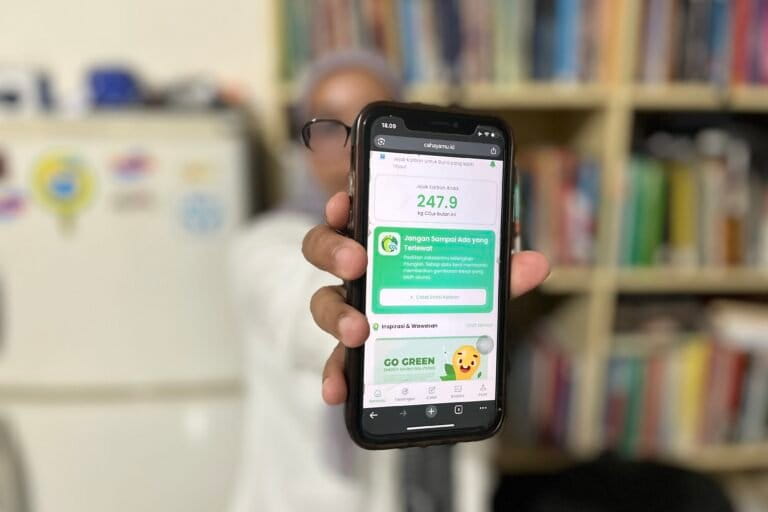
In Prambanan, Klaten, local schools and "pesantren" (Islamic boarding schools) have taken the data a step further by implementing structural changes, such as strictly regulating the hours during which electrical equipment can be used. At the University of Ahmad Dahlan in Yogyakarta, the data provided by the calculator served as a justification for the installation of solar panels, moving the campus toward a decentralized and renewable energy model. By providing immediate feedback and comparative data, the platform allows users to evaluate their progress against previous months, effectively gamifying the reduction of carbon emissions.
The effectiveness of these digital tools is amplified by their grounding in "Fiqh" (Islamic jurisprudence). In 2024, Muhammadiyah introduced the "Fiqh of Just Energy Transition," a landmark religious framework that provides a moral and theological basis for climate action. By blending scientific methodology with Sharia principles, the organization has created a powerful incentive for its members. Recent surveys indicate that 92% of Muslims believe that protecting the Earth is a religious obligation, while 78% of Hindus in the region have reported changing their consumption patterns for environmental reasons. This high level of religious-based environmental concern provides a fertile ground for initiatives like 1,000 Cahaya.
The Fiqh of Just Energy Transition: A Moral Compass
The introduction of the Fiqh of Just Energy Transition marks a pivotal moment in Indonesia’s climate policy landscape. Developed by a committee of scholars and environmentalists, including Ustaz Niki Alma Febriana Fauzi, the document outlines the ethical responsibilities of the "Ummah" (community) in the face of global warming. Fauzi, a lecturer and preacher, notes that while the Fiqh is not legally coercive—meaning it lacks state-enforced sanctions—it carries immense social and spiritual weight.
"It is a guide for daily life that we hope will become a collective movement to change our current trajectory," Fauzi explained. He regularly integrates these environmental teachings into his sermons, finding that the younger generation is particularly receptive to the message. However, the Fiqh goes beyond simple conservation; it addresses the complexities of a "just" transition. For instance, Fauzi is cautious about blanket endorsements of electric vehicles (EVs). He points out that the production of EV batteries often involves nickel mining practices in Indonesia that can be ecologically destructive and socially inequitable. This nuanced approach ensures that the transition to "green" energy does not inadvertently cause further harm to marginalized communities or local ecosystems.
The integration of justice into the climate conversation is essential. Many environmentalists argue that a transition that focuses solely on carbon metrics without considering social equity risks replicating the inequalities of the fossil fuel era. By centering the concept of justice, Muhammadiyah’s framework challenges its followers to think critically about the entire lifecycle of their consumption.
Institutional Support and the Path to Collective Action
The Institute for Essential Services Reform (IESR), a prominent Indonesian think tank, has been a long-standing advocate for these types of grassroots tools. Fabby Tumiwa, Executive Director of IESR, views the involvement of religious organizations as a breakthrough in climate mitigation. IESR launched its own platform, JejakKarbonku.id, as far back as 2010, recognizing early on that individual awareness is the first step toward systemic change.
Tumiwa argues that the proliferation of carbon calculators is a positive development. "The more platforms available, the better," he stated. "It makes environmental awareness more accessible and fosters a culture of sustainability." He points to the widespread adoption of reusable water bottles (tumblers) as a successful example of how individual choices can scale up. The reduction in single-use plastic bottles not only lowers the carbon footprint associated with plastic production but also addresses the burgeoning waste crisis in Indonesian cities.
The IESR platform is frequently updated to reflect the latest scientific methods and to accommodate the specific daily activities of Indonesians that might not be captured by international models. It provides personalized recommendations and reminders, helping users navigate the transition from awareness to action. However, Tumiwa stresses that individual behavior change must be a stepping stone to collective, structural advocacy. "We must push for these behavioral changes to become a collective movement that can address the structural problems of the climate crisis," he said, noting the importance of educating the public on the systemic inequalities inherent in global emissions patterns.
Chronology of the Digital Climate Movement in Indonesia
The evolution of carbon tracking in Indonesia can be traced through several key milestones that have moved the needle from niche environmentalism to mainstream religious practice:
- 2010: IESR launches the first major Indonesian carbon calculator, targeting tech-savvy youth and urban professionals to build baseline awareness of individual footprints.
- 2020-2023: A surge in "Green Islam" movements occurs as environmental disasters, including recurring floods and heatwaves, hit Indonesian urban centers with increasing frequency.
- 2024: Muhammadiyah formally adopts the Fiqh of Just Energy Transition, providing a theological mandate for its 60 million members to engage in climate mitigation.
- 2025: The "1,000 Cahaya Muhammadiyah" platform is released, specifically designed to bridge the gap between religious duty and measurable scientific outcomes.
- 2026: Users like Nur Fitriani demonstrate the practical application of these tools, showing that data-driven religious guidance can lead to a 40% or greater reduction in individual emissions within months.
Broader Implications and Future Outlook
The success of these initiatives has profound implications for Indonesia’s national climate targets. As the world’s largest archipelagic nation, Indonesia is uniquely vulnerable to rising sea levels and extreme weather patterns. The government has committed to an Enhanced Nationally Determined Contribution (E-NDC) to reduce emissions by up to 43.2% by 2030 with international support. While large-scale energy projects and forestry policies are critical, the role of civil society—and specifically religious organizations—cannot be overstated.
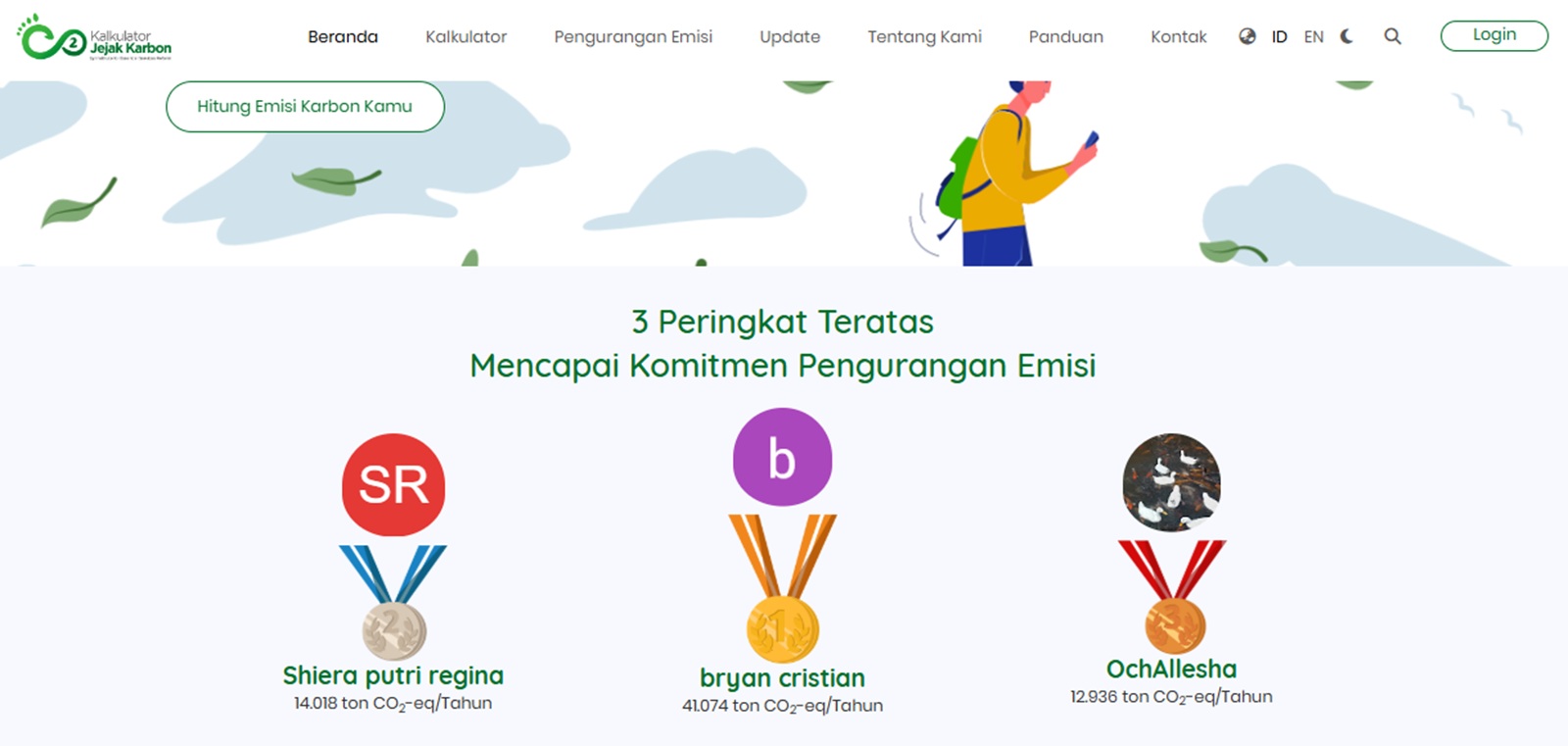
By framing carbon reduction as a financial benefit as well as a moral one, these platforms are tapping into a powerful motivator. As Nur Fitriani observed, "The results of this calculator are linear with monthly expenses. If the carbon footprint is high, the monthly costs are also high." This economic incentive, combined with religious conviction, creates a sustainable model for long-term behavioral change.
As other religious organizations in Indonesia, including Nahdlatul Ulama and various Christian, Hindu, and Buddhist councils, begin to develop similar frameworks, the potential for a massive, bottom-up climate movement grows. The "Indonesia model" of integrating faith-based ethics with digital carbon accounting offers a potential blueprint for other nations where religion remains a dominant force in public life.
The transition from a 450kg monthly footprint to 260kg may seem like a small drop in the ocean of global emissions. However, when multiplied by millions of adherents following the same guidance, these individual drops form a powerful tide of change. The journey of Nur Fitriani and the initiatives of 1,000 Cahaya Muhammadiyah suggest that the key to solving the climate crisis may not just lie in new technology, but in the ancient values of justice, stewardship, and community responsibility, updated for the digital age.