Nila Kartika Wati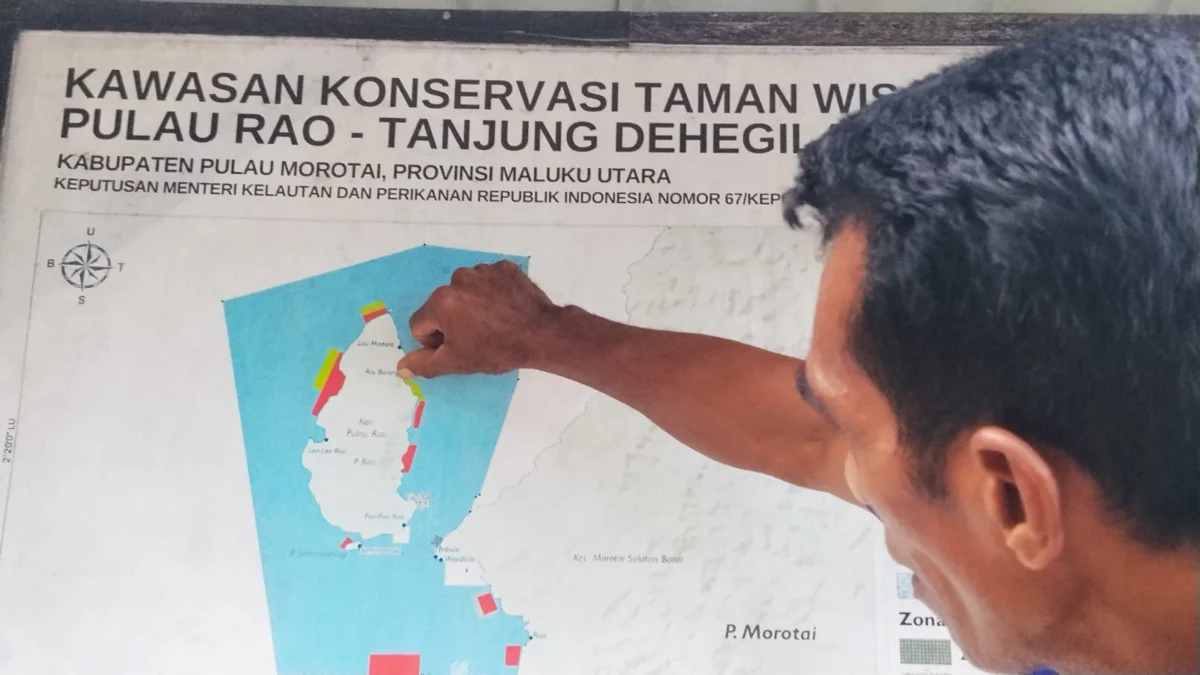
In the early hours of a mid-April morning in 2026, Timotius Suage departed from his home in Morotai Jaya, embarking on a 70-kilometer journey toward the village of Aru Burung in the Rao Island District of Morotai, North Maluku. While a pressing family matter required his attention at home, Suage chose to prioritize a different kind of calling: a strategic gathering with the Community Surveillance Group (Pokmaswas), the Regional Water Conservation Center (BKPD) of North Maluku, and fishery extension officers from the Ministry of Marine Affairs and Fisheries (KKP). For Suage, this was not merely a bureaucratic meeting; it was a vital component of a lifelong mission to safeguard the marine corridors that sustain his community.
As the Chairman of the Pokmaswas for the Rao Island Marine Tourism Park (TWP), Suage occupies a unique position at the intersection of faith and environmentalism. A Protestant pastor by vocation, he has spent years integrating the principles of stewardship into his leadership of the local fishing community. Since the formal designation of Rao Island as a marine conservation area in 2019, Suage has been the primary volunteer sentinel of these waters, balancing his spiritual duties with the often-dangerous task of maritime surveillance. His commitment is rooted in a simple but profound philosophy: the ocean is a legacy that must be preserved for the generations yet to come.
The Perilous Reality of Grassroots Surveillance
The role of a Pokmaswas leader is fraught with challenges that extend far beyond the logistical difficulties of patrolling vast stretches of the Pacific. Suage’s tenure has been marked by high-stakes confrontations with illegal fishers, some of whom resort to violence when confronted. On one notable occasion, Suage encountered a group of fishermen from a neighboring village operating deep within the conservation area’s "core zone"—a strictly no-take area designed for habitat regeneration. When he attempted to intervene and educate them on the zoning regulations, the encounter quickly turned hostile.
"They shouted obscenities and threatened to kill me," Suage recalled during an interview in April. "But I stood my ground. I reminded them that the Pokmaswas operates under a government mandate (SK) and that our duty is to protect the core zones from exploitation. If we allow these areas to be destroyed today, there will be nothing left for our grandchildren tomorrow."
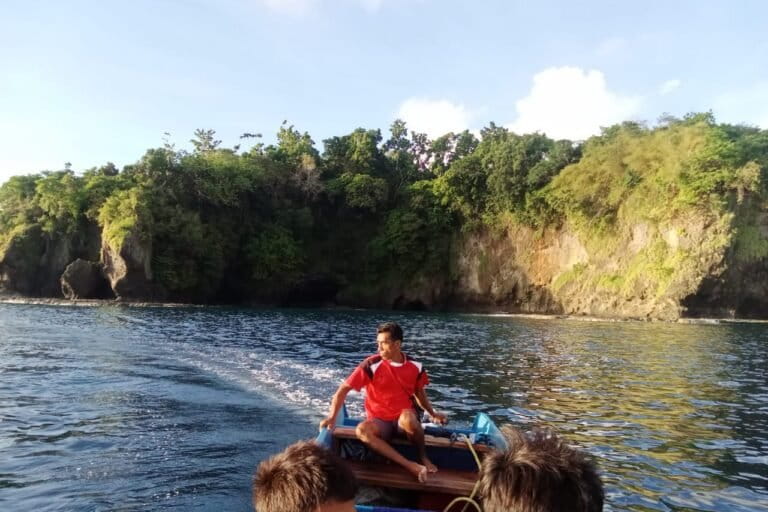
The dangers are not limited to physical threats from rogue fishers. Suage has also had to navigate the murky waters of local power dynamics. Early last year, he was summoned by the police for a two-day interrogation following allegations that certain officials were providing "protection" to illegal fishing operations in the Rao Island conservation area. Suage had raised these concerns during a meeting with authorities, leading to a formal investigation. While the process was grueling, his testimony eventually led to official sanctions and stern warnings for the implicated officers. Despite these pressures, Suage remains undeterred, viewing these conflicts as the necessary cost of ensuring the integrity of the marine park.
Understanding the Architecture of the Rao Island Conservation Area
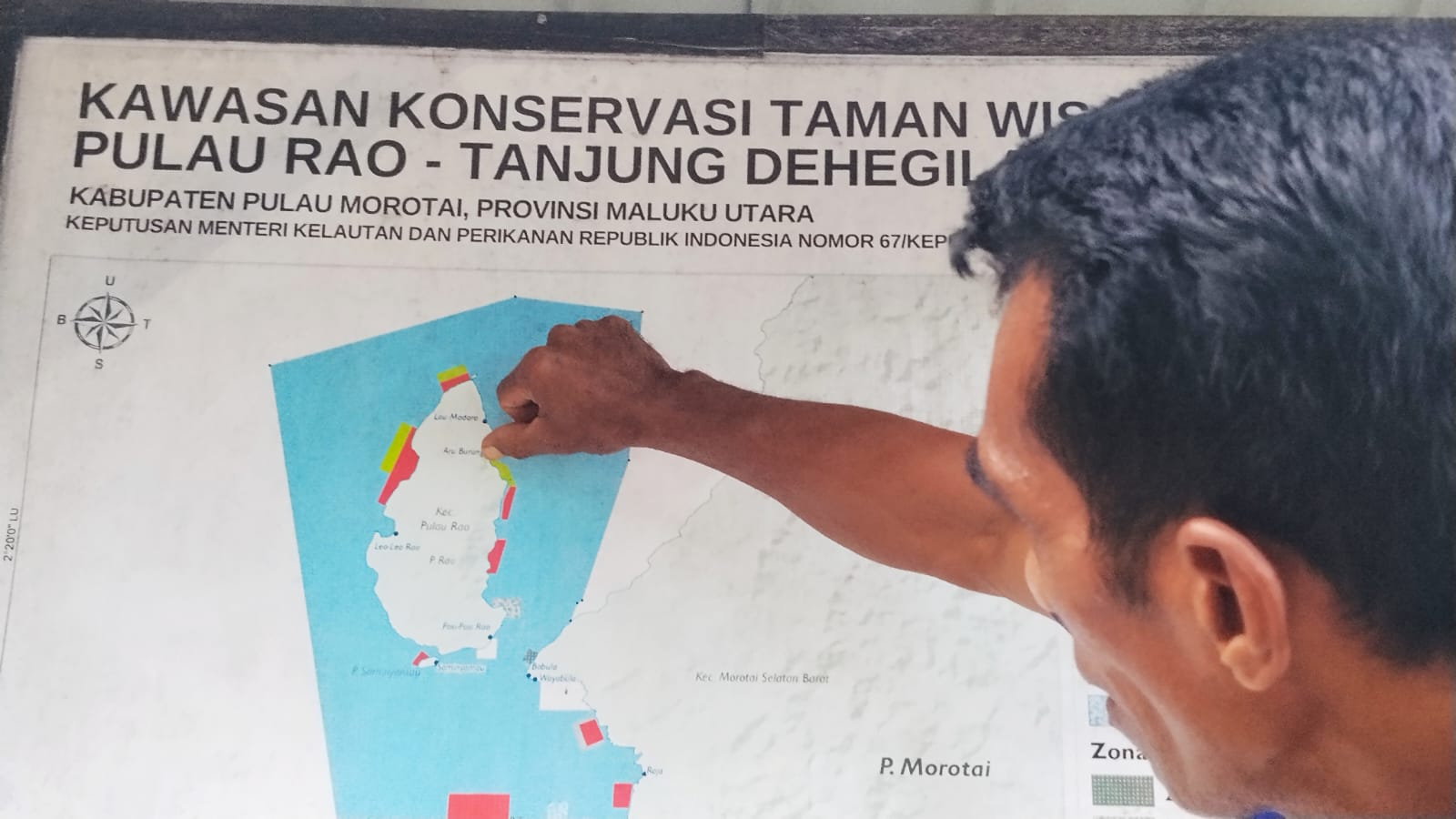
The Taman Wisata Perairan (TWP) Pulau Rao-Tanjung Dehegila is a massive undertaking in maritime management, covering an expansive 65,892.42 hectares. Its legal foundation is rooted in the Decree of the Minister of Marine Affairs and Fisheries No. 67/KEPMEN-KP/2020. The park is strategically divided into three primary management areas, each with specific ecological and economic objectives.
Area I, which spans 45,052.75 hectares, serves as the heart of the conservation effort. It includes the core zone, a strictly protected area where no extraction is permitted, as well as utilization zones for marine tourism and sustainable fisheries. This area also houses specialized sub-zones for coral reef rehabilitation, the protection of marine mammals, and the preservation of local cultural heritage.
Area II covers 13,060.42 hectares and focuses on balancing tourism with sustainable pen-capture fisheries, while Area III, totaling 7,779.25 hectares, is dedicated to tourism and rehabilitation. According to the 2020-2040 Management and Zoning Plan (RPZ-TWP), these waters are vital not only for North Maluku but as part of the broader Integrated Marine and Fisheries Center (SKPT) in Morotai. The region is a critical habitat for demersal species, particularly groupers, and serves as a primary hub for seaweed aquaculture.
Suage emphasizes that the core zone, while representing only a small fraction of the total area, is the "bank" of the ocean. "The core zone is where the fish spawn and grow without disturbance," he explained. "It is the source that replenishes the surrounding utilization zones. If we allow people to rob the bank, the whole economy of the sea will eventually collapse."
Ecological Recovery and the Concept of the Fish Bank
Despite the ongoing threats of blast fishing (using explosives) and potassium cyanide fishing, the conservation efforts led by Suage and his team are beginning to yield tangible results. In the years since the 2019 designation, local fishermen have reported a significant increase in fish populations near the shore. This "spillover effect"—where fish from protected zones migrate into areas where fishing is permitted—has shortened the travel time for traditional fishers.
"In the waters directly in front of our village, which is a utilization zone, you can now catch plenty of fish just by casting a line from the beach," Suage noted. This recovery is a direct consequence of protecting the high-density coral reefs and spawning grounds within the core zones. The presence of healthy seagrass beds and mangroves further bolsters this ecosystem, providing a nursery for charismatic and protected species.
The Rao Island-Tanjung Dehegila area is also a critical corridor for migratory marine life. Research conducted by organizations like WWF has identified Morotai as a vital nesting ground for Leatherback and Green sea turtles. The region serves as a migratory bridge for Green turtles traveling from the Bird’s Head Seascape in West Papua to the Derawan Islands in East Kalimantan and onward to the Philippines. Furthermore, the park protects habitats for dugongs, manta rays, whale sharks, and dolphins, making it a cornerstone of regional marine biodiversity.
The Financial Gap and the Spirit of Volunteerism
One of the most pressing issues facing the Pokmaswas is the lack of consistent operational funding. While the government provides basic equipment and technical support, the day-to-day costs of fuel for patrol boats, maintenance, and the time lost from personal livelihoods are borne entirely by the volunteers.
"We do not receive a salary or operational funds from the government for our surveillance work," Suage revealed. "We rely on our own resources and the occasional support of equipment. But we do it because we understand the stakes. This is about the survival of our community."
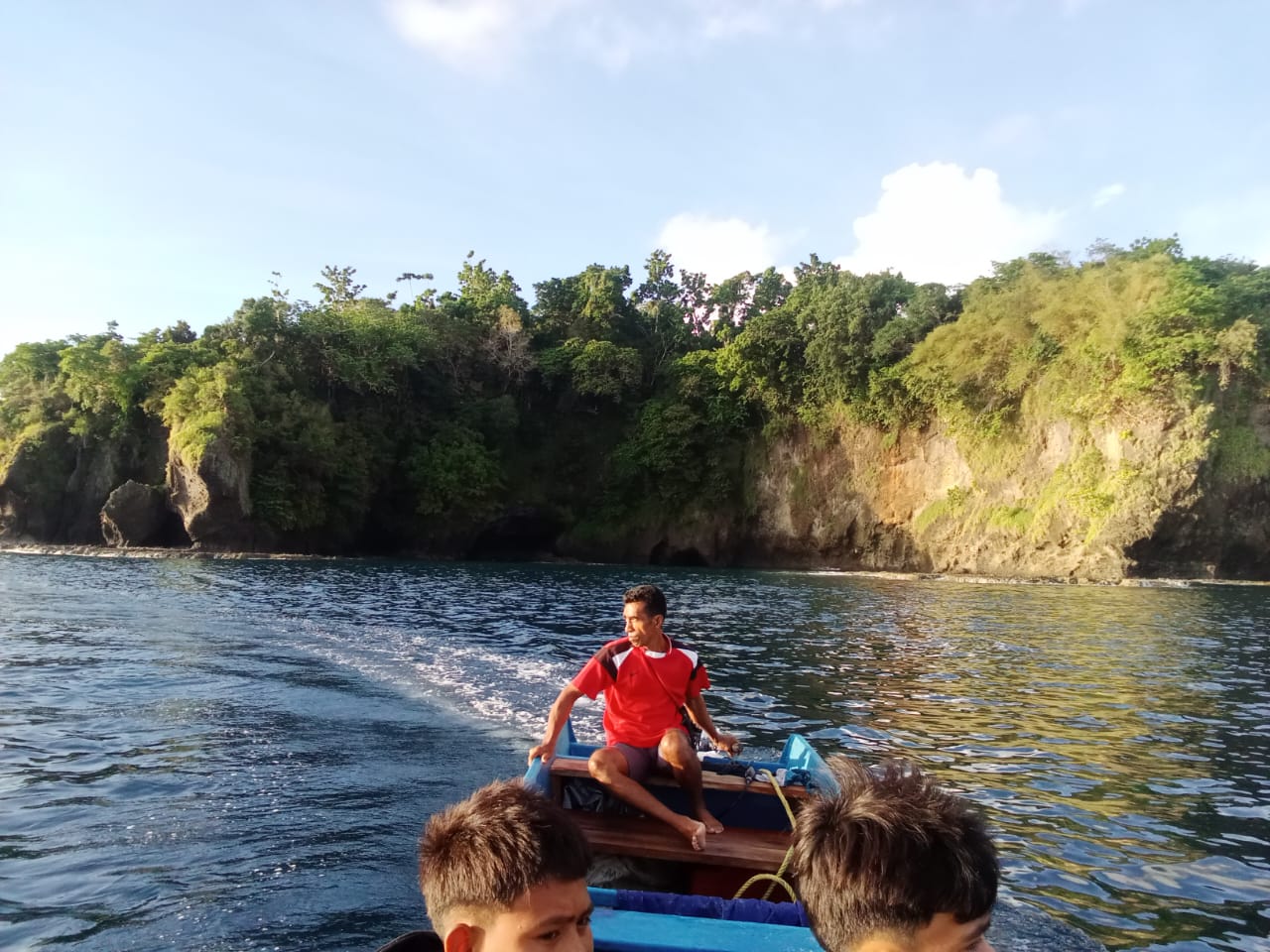
This lack of funding highlights a significant gap in Indonesia’s maritime policy. While the country has made ambitious commitments to expand its marine protected areas (MPAs) as part of the "30 by 30" global conservation goal, the burden of enforcement often falls on local communities who are least equipped to handle the financial and physical risks. Suage’s work serves as a testament to the power of community-led conservation, but it also underscores the need for more robust institutional support to ensure the long-term sustainability of these groups.
Morotai as a National Strategic Priority
The conservation of Rao Island is inextricably linked to Morotai’s status as one of Indonesia’s "10 New Balis." Under Presidential Regulation No. 56/2018, Morotai was designated a National Strategic Project (PSN) and a priority tourism destination. The government’s vision is to transform the region into a world-class marine tourism hub, leveraging the beauty of the Morotai Strait, Rao Island, and Zum-Zum Island.
However, the success of this tourism vision depends entirely on the health of the marine environment. Activities such as diving, snorkeling, and beach tourism require pristine coral reefs and abundant marine life—the very things Suage and the Pokmaswas are fighting to protect. By safeguarding the "fish bank," Suage is not only supporting the local fishing economy but also securing the foundation of Morotai’s future tourism industry.
The dual nature of Suage’s life—as a man of the cloth and a man of the sea—provides a powerful model for "eco-theology" in action. He uses his platform in the church to educate his congregation about the moral imperative of environmental stewardship. For him, protecting the ocean is an act of worship and a fulfillment of his duty to care for "the least of these," which includes the fragile ecosystems that sustain human life.
Conclusion and Implications for Future Policy
The story of Timotius Suage is a microcosm of the global struggle to protect marine biodiversity in the face of economic pressure and illegal exploitation. His efforts in Morotai demonstrate that while top-down government regulations are necessary, they are insufficient without bottom-up community engagement. The success of the Rao Island Marine Tourism Park is currently resting on the shoulders of volunteers who are willing to face death threats and financial hardship for the sake of the environment.
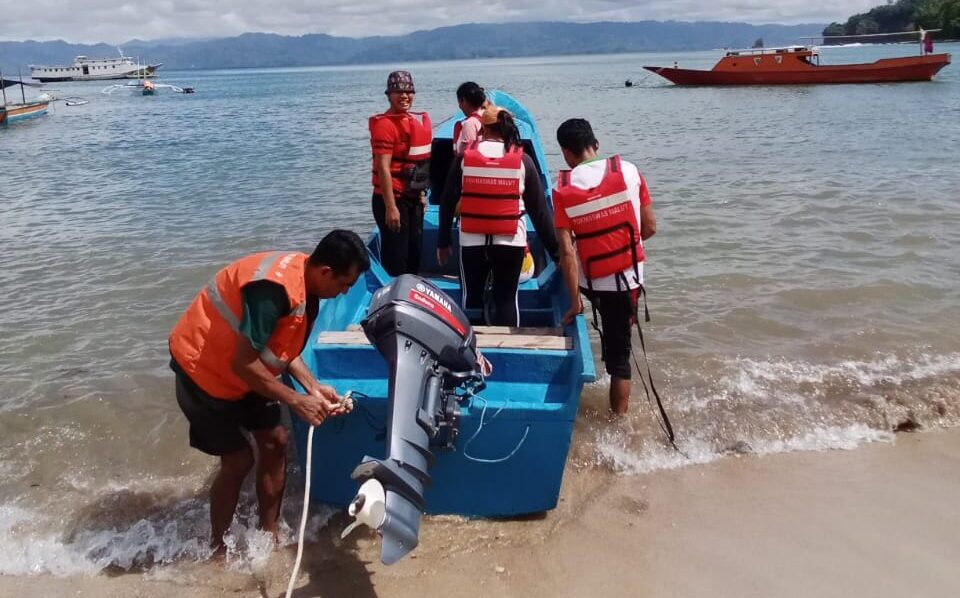
Moving forward, the Indonesian government and international conservation partners must address the sustainability of grassroots surveillance groups. Providing formal operational budgets, insurance for volunteers, and better integration with national maritime security agencies (Bakamla and Polairud) could significantly enhance the effectiveness of these groups.
As the sun set over the waters of Morotai Jaya following his meeting in Aru Burung, Suage’s resolve remained unshaken. The journey back was long, but the progress made in coordinating with the KKP and BKPD offered a glimmer of hope. For the Pastor of the Pacific, the battle for the ocean is far from over, but as long as the "fish bank" remains guarded, there is a future for the children of Morotai. The legacy of Timotius Suage serves as a reminder that the most effective guardians of the earth are often those who have the most to lose, and the most to leave behind.