Bambang Pamungkas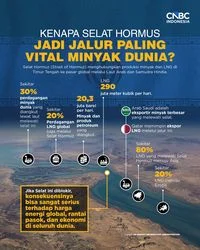
The protracted conflict involving Iran, now stretching into its third month, has dramatically reshaped the global energy landscape, ushering in a period of intense volatility for crude oil prices. Since hostilities erupted on February 28, 2026, the oil market has been gripped by its most erratic phase in years, characterized by rapid and significant price swings driven by geopolitical tensions, supply fears, and the fluctuating prospects of diplomatic resolution.
Initial Market Shock and Unprecedented Price Surges
The onset of the conflict triggered an immediate and severe reaction in energy markets. Brent crude, the international benchmark, saw an extraordinary surge from approximately US$70 per barrel to a peak of US$126 per barrel in less than three months. This dramatic escalation, representing a 44.3% increase, far outstripped the initial price rally observed during the first 58 days of the Russia-Ukraine war, which registered a comparatively modest 15.6% jump. The initial shock was fueled by widespread panic over potential supply disruptions, particularly from the strategically vital Middle East, and a rapidly escalating geopolitical risk premium that permeated every facet of the energy supply chain.
Market participants, including hedge funds, reacted swiftly to the unfolding crisis. Speculative bullish positions soared throughout March, reflecting a consensus belief that global supply would tighten considerably. This aggressive market sentiment propelled Brent to its zenith of US$126.41 per barrel by April 30, a level not seen in over a decade, signaling the profound anxiety gripping energy traders and consumers alike.
The Strait of Hormuz: A Global Chokepoint Under Threat
At the heart of this global energy panic lies the Strait of Hormuz. This narrow waterway, a critical maritime chokepoint, facilitates the passage of approximately one-fifth of the world’s total petroleum consumption. Any perceived threat to its navigability instantly sends tremors through the physical oil market, tightening prompt supply and inflating risk premiums across the entire energy spectrum – from crude oil and Liquefied Natural Gas (LNG) to tanker rates and refined products.
Throughout March and April, the market operated under the constant shadow of three dominant factors: the explicit threat of distribution impediments in Hormuz, the intermittent military engagements between the United States and Iran, and the evolving trajectory of diplomatic overtures between Washington and Tehran. Tanker activity and shipping movements in the Arabian Gulf region experienced notable disruptions, momentarily validating scenarios, such as those projected by Oxford Economics, which warned that a sustained blockage impacting 10 million barrels per day (mbpd) of oil distribution could keep Brent above US$100 per barrel. The mere possibility of such a scenario becoming a reality was enough to inject extreme volatility.
Chronology of Conflict and Market Reaction
The conflict’s timeline reveals a market moving on emotional cues and fleeting signals:
- February 28, 2026: Conflict erupts, initiating the dramatic ascent of oil prices from around US$70 per barrel.
- March-April 2026: Sustained fear of Hormuz disruption and military escalation keeps prices elevated, with significant bullish bets from speculators.
- April 7, 2026: West Texas Intermediate (WTI) crude experiences a sharp 16.41% single-day decline, a momentary correction amidst broader fears.
- Late April 2026: WTI stages its largest rally of the period, as market participants anticipate broader Middle East supply disruptions.
- April 30, 2026: Brent crude peaks at US$126.41 per barrel, reflecting maximum market anxiety.
- May 18, 2026: Brent touches US$112.1 per barrel, still significantly elevated.
- Mid-May 2026: The market narrative begins to shift following reports of potential diplomatic breakthroughs.
- May 25, 2026: Brent plunges to US$96.14 per barrel, a sharp correction of over 14% in a single week, spurred by hopes of eased tensions.
- May 26, 2026 (Morning): Brent stabilizes around US$98.12 per barrel, with WTI at US$91.77 per barrel, still substantially higher than pre-conflict levels, but off their peaks.
Geopolitical Undercurrents and Negotiation Hurdles
The prospect of peace talks between the United States and Iran, initially hinted at in mid-May, brought a welcome, albeit temporary, respite to the market’s upward trajectory. A comment from US President Donald Trump, suggesting that Washington and Tehran had "largely negotiated" a memorandum of peace, immediately triggered a substantial sell-off across energy markets. Investors quickly began to price in the potential reopening of the Strait of Hormuz and a corresponding reduction in geopolitical risk premiums.
However, the subsequent decline in prices soon stalled, as market participants began to confront the intricate complexities inherent in any US-Iran peace agreement. The path to a lasting resolution remains fraught with significant challenges, including:
- Unfreezing Iranian Assets: A major sticking point involves the release of billions of dollars in Iranian assets frozen under international sanctions.
- Future of Tehran’s Nuclear Program: The enduring controversy surrounding Iran’s nuclear ambitions remains a central obstacle, with the US demanding verifiable assurances.
- Israel’s Regional Position: The security concerns and strategic interests of Israel in the broader regional context add another layer of complexity to any comprehensive negotiation.
President Trump himself reportedly cautioned his negotiation team against rushing a deal, emphasizing the need for thoroughness. Furthermore, Washington has maintained its blockade of Iranian vessels in the Strait of Hormuz, underscoring that full normalization of trade routes will only occur once a formal memorandum is officially signed. These persistent hurdles forced the market to recalibrate its assessment of global supply risks, preventing a complete return to pre-conflict price levels.
OPEC’s Perspective and Global Demand Resilience
The Organization of the Petroleum Exporting Countries (OPEC) provided crucial insights into the market’s turmoil through its monthly reports. The April 2026 OPEC Monthly Oil Market Report highlighted the severe pressure on the physical oil market due to distribution disruptions and shifts in trade flows, leading to a "very tight" prompt oil supply. Refineries in Asia and Europe, struggling with interrupted Middle Eastern oil flows, found themselves aggressively competing for scarce spot cargoes.
OPEC data also revealed a staggering 5 mbpd decline in global refinery intake during March 2026 compared to the previous month – the largest such drop since April 2020, during the height of the COVID-19 lockdowns. A significant 67% of this reduction was directly attributed to geopolitical constraints and the altered crude oil trade routes caused by the conflict. Despite the immediate disruptions, OPEC maintained a robust outlook for global oil demand. Its March and April 2026 reports reiterated a projection of 1.4 mbpd growth in world oil demand throughout 2026, with India, China, and other Asian nations continuing to serve as the primary engines of global energy consumption. This underlying strength in demand, even amidst conflict, suggests that any significant or sustained supply disruption would inevitably lead to even greater price volatility.
Beyond Crude: LNG and Natural Gas Markets Under Pressure
The ripple effects of the Iran-US conflict were not confined to the crude oil market; they extended significantly to the natural gas and LNG sectors, which exhibited even more pronounced heat. The Japan Korea Marker (JKM), a key benchmark for spot LNG prices in Asia, stood at US$18.81 per MMBtu on May 22, 2026. This represented a substantial monthly increase of 14.77% and a staggering year-on-year surge of over 50%. Similarly, German Gas prices remained stubbornly high at EUR49.79 per MWh, reflecting an annual increase of approximately 33.65%.
The persistent pressure in gas markets stemmed from the incomplete recovery of LNG distribution from the Gulf region. Major Asian economies, particularly Japan and South Korea, were aggressively seeking additional supplies to bolster their energy security in anticipation of the high-demand summer months. This heightened competition for LNG cargoes, coupled with the ongoing uncertainty surrounding Middle Eastern supplies, also contributed to sustained high demand for thermal coal, highlighting the interconnectedness of global energy markets.
Analyst Insights and Future Outlook
While the market has shown signs of normalizing distribution, the path to full recovery is expected to be protracted. Saul Kavonic, an analyst at MST Marquee, noted that although the market is beginning to perceive opportunities for energy distribution normalization, the extensive infrastructure damage sustained during the conflict means that supply recovery cannot occur rapidly. This assessment underscores why a geopolitical risk premium remains firmly embedded in oil prices, preventing them from fully returning to pre-conflict levels of around US$66-US$70 per barrel.
Energy sector experts from various firms echo this sentiment. Analysts at Goldman Sachs, for instance, maintain a cautiously bullish outlook for the second half of 2026, citing persistent underinvestment in new production capacity and the resilience of global demand. Conversely, Rystad Energy suggests a phased return to normalcy, emphasizing that a complete restoration of supply chains could take many months due to logistical hurdles and the potential for renewed geopolitical friction. The consensus view is that while diplomatic overtures offer a glimmer of hope, the physical realities of conflict and the deeply entrenched distrust between the parties will ensure continued market sensitivity.
Broader Economic Implications
The sustained high energy prices resulting from the Iran-US conflict carry significant broader economic implications. For major oil-importing nations, particularly in Europe and Asia, the elevated costs translate directly into inflationary pressures, impacting consumer prices across various sectors. This poses a challenge for central banks grappling with the dual mandate of price stability and economic growth, potentially constraining monetary policy options.
The volatility also highlights the fragility of global energy security, prompting an accelerated push towards diversifying energy sources and investing in renewable technologies. Countries are re-evaluating their strategic petroleum reserves and exploring new supply routes to mitigate future shocks. Furthermore, the increased risk profile in the Middle East has led to higher shipping insurance costs and logistical complexities, affecting global trade beyond just energy commodities.
Conclusion: Enduring Volatility in a New Energy Reality
In the midst of all this volatility, one undeniable truth has emerged: even with the initiation of diplomatic channels, global oil prices are far from returning to their pre-conflict equilibrium. While tanker routes and shipping protocols can be negotiated, the market’s deep-seated fear of supply disruptions is a much more intractable challenge to overcome. The fundamental dynamics of robust global demand, particularly from rapidly growing economies like India and China, combined with the persistent geopolitical risks in a crucial energy-producing region, suggest that the global oil market will continue its "hot-cold" dance for the foreseeable future. The Iran-US conflict has not merely disrupted the market; it has fundamentally reshaped the perception of risk and reliability in the global energy supply chain, ushering in a new era of enduring uncertainty.