Chalifah Fatihah
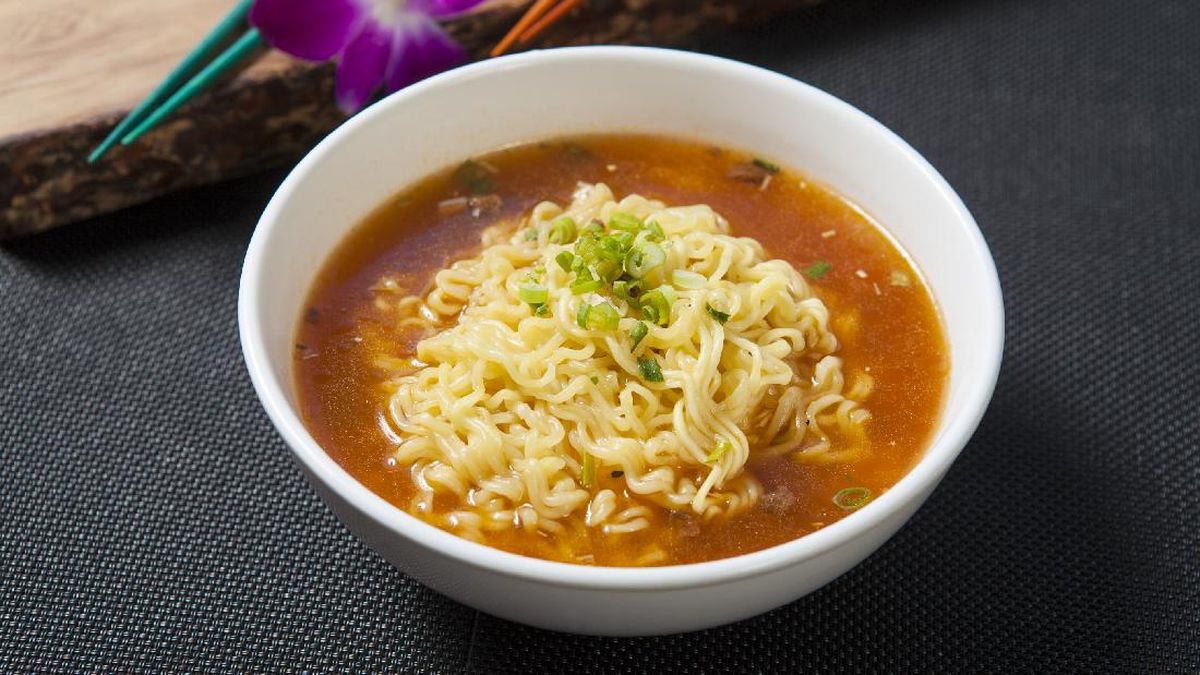
The age-old debate surrounding the consumption of instant noodle boiling water continues to simmer, fueled by widespread concern over potential health risks. For decades, a persistent myth has circulated: that this starchy liquid harbors a hazardous wax coating, rendering it unfit for consumption. However, a closer examination of scientific understanding and nutritional advice reveals a more nuanced reality, suggesting that while the water itself may not be inherently dangerous, the overall health profile of instant noodles warrants careful consideration and mindful consumption habits.
Instant noodles have become a global culinary phenomenon, lauded for their unparalleled convenience, affordability, and widespread availability. Their rapid rise in popularity, particularly from the mid-20th century onwards, can be attributed to their ability to provide a quick and satisfying meal for busy individuals, students, and those on a tight budget. The first commercially successful instant noodle product, Nissin’s "Chikin Ramen," launched in Japan in 1958, marked the beginning of a food revolution that would see instant noodles become a staple in kitchens worldwide. This surge in consumption, however, has also brought with it a growing awareness of their nutritional content and potential long-term health implications.
The core of the controversy lies in the perceived presence of wax in the boiling water. This belief often stems from observations of a cloudy or slightly viscous residue left in the pot after cooking. The theory suggests that this residue is a wax coating applied during the noodle manufacturing process to prevent sticking and extend shelf life, and that consuming it can lead to adverse health effects. However, reputable sources, including health and nutrition experts, have largely debunked this claim.
According to information from Healthline and Detik, the boiling water from instant noodles is generally considered safe to consume, provided the noodles themselves are cooked properly and the product is within its expiry date. The cloudy appearance is primarily attributed to starch released from the noodles during the boiling process, not a wax coating. In fact, this starch contributes to the texture and flavor of the noodles and the broth. Discarding this water, therefore, could actually diminish the intended taste profile of the instant noodle product, as manufacturers design their flavor packets to complement the starch-rich cooking liquid. Thus, there is no mandatory requirement to discard the boiling water for safety reasons.
Despite the relative safety of the boiling water, instant noodles as a whole are frequently categorized as an unhealthy food choice, particularly when consumed frequently and without modifications. This perception is largely due to their nutritional composition. Instant noodles are typically high in refined carbohydrates and sodium, while being comparatively low in essential nutrients such as protein, fiber, vitamins, and minerals. A diet consisting solely of instant noodles, without the addition of other food groups, can lead to nutritional imbalances.
The high sodium content in the seasoning packets is a significant concern. A single serving of instant noodles can contribute a substantial portion of the recommended daily sodium intake. Chronic overconsumption of sodium is a well-established risk factor for hypertension (high blood pressure), which in turn increases the risk of cardiovascular diseases, stroke, and kidney problems. For instance, a study published in the Journal of the American Heart Association highlighted the correlation between high consumption of processed foods, including instant noodles, and increased cardiovascular risk.
The convenience and affordability of instant noodles have contributed to their widespread consumption globally. In many developing nations, they serve as an accessible source of calories, especially for lower-income populations. However, this accessibility often comes at the cost of nutritional adequacy. The World Health Organization (WHO) has consistently advocated for reducing sodium intake globally to combat the rising tide of non-communicable diseases, making the high sodium content of instant noodles a public health concern.
Recognizing these nutritional shortcomings, health professionals and nutritionists offer practical advice on how to make instant noodles a healthier part of one’s diet, or at least mitigate their negative impacts. These strategies focus on enhancing the nutritional value and reducing the less desirable components.
Enhancing Nutritional Value:
One of the most effective ways to improve the health profile of instant noodles is by incorporating a variety of nutrient-rich ingredients.
-
Adding Vegetables: This is a simple yet impactful modification. Including fresh or frozen vegetables such as spinach, bok choy, carrots, broccoli, cabbage, or mushrooms can significantly boost the fiber, vitamin, and mineral content of the dish. These additions not only enhance nutritional value but also add freshness and texture. For example, a cup of mixed vegetables can provide essential antioxidants and dietary fiber, contributing to better digestion and overall well-being.
-
Incorporating Protein Sources: Instant noodles are notoriously low in protein, which is crucial for satiety and muscle health. Adding lean protein sources can transform a simple meal into a more balanced and filling one. Options include:
- Eggs: A boiled or poached egg can be easily added, providing high-quality protein and essential amino acids.
- Lean Meats: Cooked chicken breast, lean beef, or fish can be diced and added to the noodles.
- Plant-Based Proteins: Tofu, tempeh, or legumes like edamame can also be incorporated for a plant-forward approach.
- Processed Meats: While convenient, options like meatballs or fish cakes should be consumed in moderation due to their own sodium content.
Reducing Undesirable Components:
-
Moderating Seasoning Usage: The seasoning packets are the primary source of high sodium. A common recommendation is to use only half of the packet, or even less, to significantly reduce sodium intake without completely sacrificing flavor. Consumers can also supplement with their own lower-sodium seasonings or herbs.
-
Choosing Lower-Sodium Options: The market has responded to consumer demand for healthier options, with many brands now offering "low-sodium" varieties of instant noodles. These products are formulated with reduced amounts of salt, making them a better choice for regular consumption. While still a processed food, they represent a step in the right direction.
-
Mindful Consumption Frequency: Perhaps the most crucial advice is to avoid making instant noodles a daily staple. Their convenience should not overshadow the importance of a varied and balanced diet. Limiting consumption to an occasional treat, rather than a regular meal replacement, is key to maintaining good health. Nutrition experts often advise that a healthy diet should be diverse, incorporating a wide range of foods from all food groups.
The debate about whether to discard the boiling water of instant noodles ultimately comes down to personal preference and a deeper understanding of what constitutes a healthy eating pattern. While the water itself is not inherently harmful, the nutritional profile of instant noodles as a whole demands attention. By making informed choices about preparation, ingredient additions, and consumption frequency, individuals can enjoy instant noodles occasionally while prioritizing their long-term health and well-being. The focus should shift from the minutiae of the boiling water to the broader picture of dietary balance and nutrient intake.
The global impact of instant noodle consumption is significant. According to the World Instant Noodles Association, global consumption reached an estimated 121.1 billion servings in 2022. This sheer volume underscores the importance of public health education regarding their nutritional implications. Initiatives aimed at promoting healthier eating habits, particularly among vulnerable populations who rely heavily on affordable and convenient food options, are crucial. Such initiatives could involve public awareness campaigns, school nutrition programs, and encouraging food manufacturers to develop even healthier product alternatives.
The long-term implications of a diet high in processed foods, including excessive instant noodle consumption, extend beyond individual health. They contribute to the global burden of chronic diseases, placing a strain on healthcare systems and impacting economic productivity. Therefore, a collective effort involving consumers, manufacturers, and public health organizations is needed to promote a more balanced and nutritious approach to food consumption. The conversation around instant noodles, while seemingly focused on a simple cooking step, serves as a valuable entry point into a larger discussion about dietary choices and their profound impact on individual and public health.