Nasution Nanang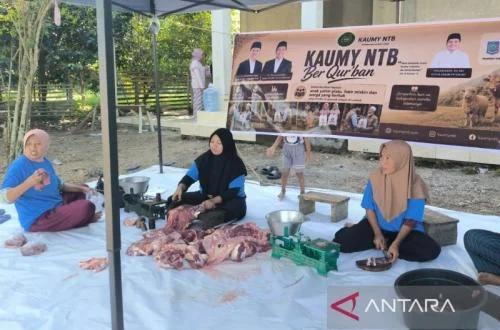
MATARAM, REPUBLIKA.CO.ID – The Keluarga Alumni Universitas Muhammadiyah Yogyakarta (KAUMY) Nusa Tenggara Barat (NTB) chapter successfully distributed sacrificial meat to communities across six villages on Lombok Island on Thursday, commemorating Idul Adha 1447 Hijriah. This significant initiative, spearheaded by KAUMY NTB, underscores a profound commitment to social welfare and community engagement, providing crucial support to some of the region’s most vulnerable populations. Arief Rachman, Chairman of KAUMY NTB, articulated that the distribution was a tangible manifestation of the organization’s dedication to societal well-being, reflecting a core principle of alumni responsibility towards their communities. The efforts extended across various districts, ensuring that the spirit of sharing inherent in the Islamic festival reached those most in need, thereby fostering a stronger sense of solidarity and mutual support within the diverse communities of Lombok.
The sacrificial meat, integral to the Idul Adha celebrations, was sourced through a collaborative network of benefactors. Principal contributions included generous support from the Governor of NTB, the Head of the NTB Museum, and substantial infaq (voluntary charitable donations) from numerous UMY alumni residing and working within the NTB province. This multi-stakeholder approach highlights a broader synergy between government entities, cultural institutions, and civil society organizations in addressing social needs. The ceremonial slaughter of the sacrificial animals, a pivotal event preceding the distribution, took place in Dusun Abror, Desa Jembatan Kembar Timur, Kabupaten Lombok Barat. This gathering was attended by key management figures and a dedicated contingent of KAUMY NTB alumni, symbolizing their direct involvement and commitment to the integrity of the process. The careful planning and execution of the slaughter ensured adherence to religious rites and hygiene standards, preparing the meat for its subsequent journey to thousands of beneficiaries.
Arief Rachman further emphasized the enduring importance of nurturing the spirit of sharing, positioning it as a fundamental contribution from the alumni community towards societal betterment. He stressed that such initiatives are not merely one-off charitable acts but rather integral components of an ongoing commitment to social justice and equity. The distribution strategy was meticulously planned to ensure maximum impact, prioritizing specific demographic segments. Beneficiaries included orphaned children, impoverished families (fakir miskin), the elderly, and communities residing in areas officially designated as experiencing extreme poverty across Kabupaten Lombok Barat, Kabupaten Lombok Tengah, and Kota Mataram. This targeted approach aimed to alleviate immediate nutritional needs and bring the joy of the festive season to those who often face significant economic hardships, reinforcing the idea that no segment of society should be left behind.
The actual delivery of the sacrificial meat was undertaken directly by KAUMY NTB’s dedicated management and a robust team of volunteers. This hands-on approach was crucial in ensuring that the aid reached the intended recipients efficiently and respectfully, fostering direct interaction and building trust between the alumni organization and the local communities. Beyond the immediate provision of food, this direct engagement also served as a valuable opportunity to strengthen silaturahmi – the bond of kinship and friendship – between the alumni members and the diverse communities they serve. These interactions facilitated a deeper understanding of community needs and strengthened the network of support, laying the groundwork for future collaborative endeavors aimed at sustainable development.
KAUMY NTB has articulated a clear commitment to aligning its efforts with the broader developmental goals of the local government. The organization aims to actively support the regional government’s vision of fostering a prosperous and equitable society through a diverse portfolio of social and humanitarian activities. Looking ahead, Arief Rachman announced ambitious plans for a sustained engagement initiative, stating, "In the future, we will organize ‘KAUMY NTB Mengabdi’," which translates to "KAUMY NTB Serves" or "KAUMY NTB Dedicates Itself." This forthcoming program signifies a long-term strategic commitment to various forms of community service, extending beyond annual events to encompass broader socio-economic and educational interventions designed to uplift communities across the province.
The Enduring Significance of Idul Adha and Alumni Philanthropy
Idul Adha, known as the "Festival of Sacrifice," is one of the two major Islamic holidays, observed globally by Muslims to commemorate Prophet Ibrahim’s (Abraham’s) willingness to sacrifice his son as an act of obedience to God. The act of sacrificing animals, typically sheep, goats, or cattle, symbolizes devotion, gratitude, and the willingness to give up something precious for the sake of faith. A central tenet of this festival is the distribution of the meat into three parts: one for the family, one for relatives and friends, and one for the poor and needy. This emphasizes the profound importance of charity, empathy, and community solidarity, ensuring that even the most disadvantaged members of society can partake in the festivities and enjoy nutritious food.
In regions like NTB, where socio-economic disparities persist, the Idul Adha meat distribution takes on added significance. NTB, while renowned for its natural beauty and growing tourism sector, still faces challenges related to poverty and inequality, particularly in rural and remote areas. According to recent statistical data from the Central Bureau of Statistics (BPS), parts of Lombok continue to register poverty rates above the national average, making targeted interventions crucial for alleviating immediate hardship. Initiatives like KAUMY NTB’s directly address these challenges by providing essential protein, which is often a luxury for families living below the poverty line. This not only offers nutritional support but also instills a sense of dignity and inclusion within the community during a culturally significant time.
Alumni associations, such as KAUMY NTB, play a vital role in this broader philanthropic landscape. Beyond serving as networking platforms for former students, these organizations often evolve into powerful conduits for social change and community development. Leveraging the collective resources, expertise, and networks of their members, alumni associations can mobilize substantial support for various causes. KAUMY, as an association of graduates from Universitas Muhammadiyah Yogyakarta, a prominent Islamic university, inherently carries a mandate for social responsibility rooted in Islamic teachings and the university’s commitment to Tridharma Perguruan Tinggi (the three pillars of higher education: teaching, research, and community service). Their activities thus extend the university’s ethos of service into practical community action, demonstrating that education’s impact extends far beyond the classroom.
Operational Excellence and Targeted Impact
The logistical undertaking of distributing sacrificial meat to six villages across three distinct regions (Lombok Barat, Lombok Tengah, and Kota Mataram) is a complex operation requiring meticulous planning and coordination. The selection of Dusun Abror, Desa Jembatan Kembar Timur, Kabupaten Lombok Barat, as the central slaughtering point suggests strategic considerations regarding accessibility, facilities, and local community support. The presence of KAUMY NTB management and alumni during the slaughter reinforces transparency and accountability, ensuring that religious protocols are honored and the process adheres to ethical standards.
The prioritization of beneficiaries – children, the poor, the elderly, and those in extreme poverty – reflects a well-thought-out needs assessment. This targeted approach maximizes the impact of the distributed resources, directing aid to those who are statistically most vulnerable and whose dietary needs are often unmet. While specific numbers of animals sacrificed or kilograms of meat distributed were not detailed in the initial report, the scope of reaching six villages across multiple districts implies a significant quantity of meat, potentially benefiting hundreds, if not thousands, of families. For many recipients, particularly in areas of extreme poverty, this meat might represent the only opportunity to consume fresh protein during the festive season, making a substantial difference to their nutritional intake and overall well-being.
The direct distribution model, executed by KAUMY NTB officials and volunteers, offers several advantages. It minimizes logistical bottlenecks and potential misuse of resources, ensuring that the aid reaches beneficiaries without intermediaries. This direct engagement also fosters personal connections, allowing volunteers to understand the lived realities of the communities they serve and creating a feedback loop for future initiatives. Such interactions are invaluable in building trust and strengthening the social fabric, demonstrating that the aid comes with genuine care and respect. The emphasis on strengthening silaturahmi highlights the cultural and social dimensions of this initiative, recognizing that humanitarian aid is not just about material provision but also about fostering human connection and community cohesion.
Broader Implications and Future Trajectory
KAUMY NTB’s commitment to supporting the local government’s vision for a prosperous society is a critical aspect of their long-term strategy. This alignment signifies a collaborative approach to development, where non-governmental organizations and alumni groups complement official government programs. By focusing on areas of extreme poverty and vulnerable demographics, KAUMY NTB effectively acts as a civil society partner in achieving broader socio-economic development goals. Such partnerships are essential for sustainable progress, allowing for more agile and community-centric interventions that can sometimes bypass bureaucratic hurdles.
The announcement of "KAUMY NTB Mengabdi" signals an exciting future for the organization’s community engagement. This initiative suggests a shift towards more sustained, multi-faceted programs beyond annual religious distributions. While the exact scope of "Mengabdi" remains to be fully unveiled, it could potentially encompass a range of activities such as:
- Educational Support: Scholarship programs for underprivileged students, tutoring initiatives, or infrastructure development for local schools.
- Health Services: Free medical check-ups, health awareness campaigns, or assistance in accessing healthcare facilities for remote communities.
- Economic Empowerment: Vocational training, micro-enterprise support, or agricultural development projects to enhance livelihoods.
- Environmental Conservation: Tree-planting campaigns, waste management initiatives, or clean water projects.
- Disaster Relief: Rapid response teams and aid distribution in the event of natural calamities, which are not uncommon in the region.
Such long-term engagement would transform KAUMY NTB from an occasional benefactor into a consistent force for positive change, contributing significantly to the human development index of NTB. It would also further solidify the role of alumni associations as vital components of civil society, demonstrating that the impact of a university extends far beyond the academic achievements of its graduates. By harnessing the collective intellect, resources, and passion of its alumni, KAUMY NTB is poised to make a lasting and meaningful difference in the lives of countless individuals and communities across Lombok, embodying the very essence of service and social responsibility that lies at the heart of their identity. This journey of service, initiated by the spirit of Idul Adha, promises to be a continuous testament to the power of collective action and philanthropic dedication.