Chalifah Fatihah
Jakarta, Indonesia – May 22, 2026 – The Indonesian Ministry of Tourism (Kemenpar) is undertaking a comprehensive and accelerated strategic initiative to ensure the successful revalidation of Raja Ampat’s prestigious UNESCO Global Geopark status. This critical process, slated for assessment by UNESCO assessors in August, hinges on a robust commitment to sustainable tourism practices and enhanced environmental stewardship within the famed archipelago.
Minister of Tourism, Widiyanti Putri Wardhana, has personally visited Raja Ampat to spearhead coordination efforts with local government authorities and stakeholders in the tourism industry. The primary objective is to fortify the sustainable management of this globally significant natural and cultural heritage site, ensuring its long-term ecological integrity and its continued recognition by UNESCO.
Strengthening Sustainable Tourism Frameworks
The core of Kemenpar’s strategy revolves around reinforcing the principles of sustainable tourism, a critical component for maintaining UNESCO Global Geopark designation. Minister Wardhana emphasized the need for meticulous planning and implementation to balance the influx of tourists with the preservation of Raja Ampat’s fragile ecosystems.
"We are meticulously examining all aspects that require improvement," stated Minister Wardhana following the National Coordination Meeting (Rakornas) on Tourism held at the Kemenpar office in Jakarta on Wednesday, May 20. "A key focus is on accurately calculating the carrying capacity of each dive site. This involves determining the ideal number of vessels that can visit these locations without causing detrimental environmental impact."
The concern for the delicate marine environment, particularly the vibrant coral reefs, is paramount. Damage from anchoring by tourist vessels poses a significant threat to these underwater ecosystems. To mitigate this, the Ministry is implementing two key infrastructure-related policies:
Mooring Buoy Installation Program
A total of 136 mooring buoys will be strategically deployed across Raja Ampat’s prime dive and snorkeling locations. These buoys will serve as designated mooring points for tourist boats, eliminating the need for them to drop heavy iron anchors directly onto the coral beds. This initiative, a direct response to the environmental challenges identified, aims to significantly reduce physical damage to the reefs. The installation is planned to be completed in phases, with initial efforts targeting high-traffic areas.
Green Accommodation Standardization
Beyond marine infrastructure, Kemenpar is actively promoting the adoption of "Green Accommodation" principles across the entire tourism spectrum. This initiative encourages hotels, resorts, and local homestays to integrate sustainable practices into their operations. This includes responsible waste management, energy and water conservation, and the use of locally sourced, sustainable materials. The aim is to foster a holistic approach to sustainability that engages all tourism providers, from large-scale operators to small community-based enterprises.
Addressing the Waste Management Challenge
Waste management has emerged as a critical and complex challenge for Raja Ampat, requiring innovative and effective solutions. Minister Wardhana underscored the government’s commitment to strict enforcement of regulations prohibiting the disposal of waste into the sea by tourism service providers.
"Waste is currently a national issue, and its impact on Raja Ampat is particularly concerning," the Minister elaborated. "One potential solution we are exploring is the installation of nets at river mouths to intercept waste originating from land-based sources before it reaches the marine environment. This will necessitate substantial effort and careful financial planning in collaboration with local communities and relevant agencies."
The influx of domestic waste, carried by river currents from inland areas, has been identified as a significant contributor to marine pollution in Raja Ampat. Kemenpar is working with environmental agencies and local governments to develop comprehensive waste management strategies that address both land-based and sea-based waste streams. This includes exploring options for improved waste collection, segregation, recycling facilities, and public awareness campaigns to encourage responsible waste disposal among residents and visitors.
The Road to Revalidation: A Timeline of Action
The journey towards the revalidation of Raja Ampat’s UNESCO Global Geopark status is a multi-faceted endeavor with a clear timeline of critical actions:
- Present to August 2026: Kemenpar, in collaboration with local governments and tourism stakeholders, is implementing the aforementioned strategic initiatives, including mooring buoy installation and green accommodation promotion. This period also involves intensive data collection and reporting to prepare for the UNESCO assessment.
- August 2026: A team of official assessors from UNESCO is scheduled to conduct a site visit to Raja Ampat. This visit is crucial for the direct evaluation of the management practices, conservation efforts, and the overall sustainability of the geopark. The assessors will engage with local communities, government officials, and tourism operators to gain a comprehensive understanding of the situation on the ground.
- Post-August 2026: Following the site visit, the UNESCO assessment team will compile a report and recommendations. The final decision on the revalidation of Raja Ampat’s status will be made by the UNESCO Global Geopark Bureau.
The revalidation process is not merely a formality; it is a rigorous review designed to ensure that the geopark continues to meet the high standards set by UNESCO. Maintaining this designation requires ongoing commitment to scientific research, conservation, community engagement, and sustainable development.
Background: The Significance of Raja Ampat as a Global Geopark
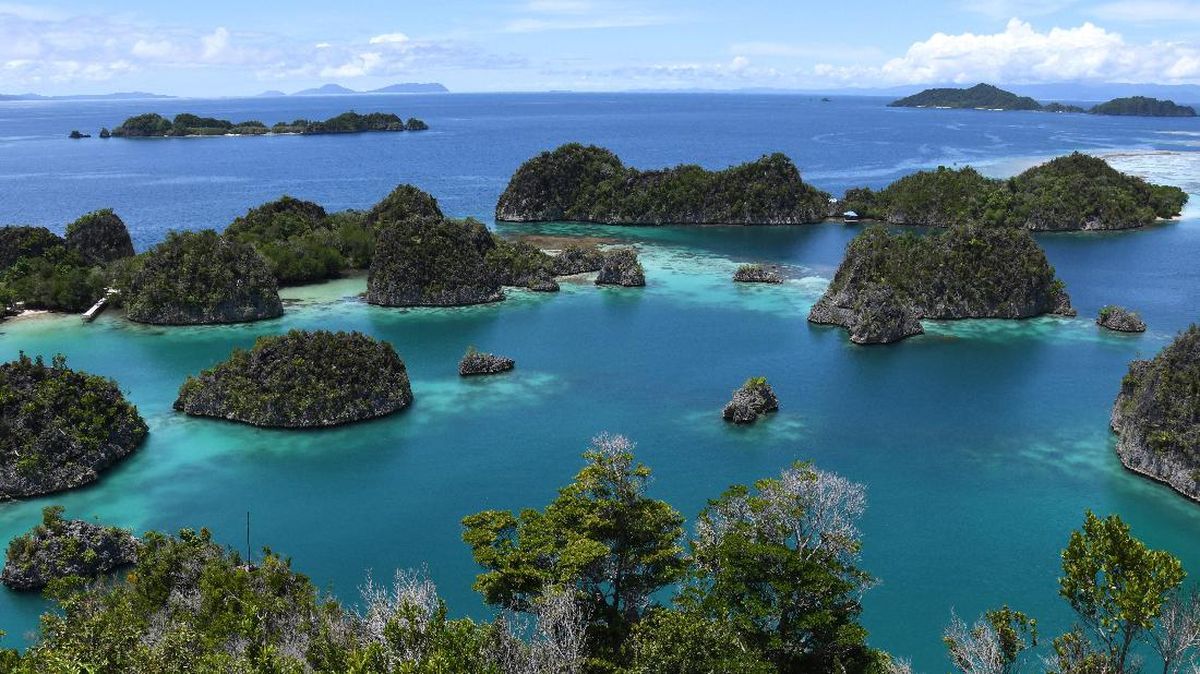
Raja Ampat, an archipelago located in the heart of the Coral Triangle, is renowned for its extraordinary biodiversity, both above and below the water. It boasts the highest marine species diversity on Earth, with over 1,700 species of fish and 600 species of coral recorded. This unparalleled natural richness, coupled with its unique geological formations and cultural heritage, led to its designation as a UNESCO Global Geopark.
The UNESCO Global Geoparks program aims to conserve geological heritage while promoting sustainable development. These sites are recognized for their outstanding geological significance, their natural beauty, and their role in protecting biodiversity and cultural heritage. For Raja Ampat, this designation has been instrumental in raising global awareness of its ecological importance and has spurred efforts towards responsible tourism management.
The initial designation of Raja Ampat as a UNESCO Global Geopark was a significant achievement, underscoring Indonesia’s commitment to preserving its natural treasures. The revalidation process is a testament to the ongoing need for vigilance and continuous improvement in managing such a globally important site.
Supporting Data and Environmental Context
The ecological significance of Raja Ampat cannot be overstated. Scientific studies have consistently highlighted its role as a global center of marine biodiversity. For instance, research by organizations like Conservation International has documented the presence of over 1,500 fish species and 75% of the world’s coral species within its waters. The health of these ecosystems is directly linked to the livelihoods of local communities, many of whom depend on sustainable fishing and tourism.
The threats to this delicate balance are real. Increased tourism, while economically beneficial, can lead to increased waste, pollution, and physical damage to coral reefs. The impact of climate change, including rising sea temperatures and ocean acidification, further exacerbates these challenges. The carrying capacity calculations being undertaken by Kemenpar are therefore critical for ensuring that the number of visitors and vessels does not exceed the environment’s ability to recover.
The deployment of mooring buoys, for example, is a proactive measure based on studies that indicate significant coral damage caused by anchors. A study by the Coral Reef Alliance, for instance, has shown that poorly managed anchoring can lead to the destruction of large areas of coral reef over time. By providing a sustainable alternative, Kemenpar aims to mitigate this direct physical impact.
Official Responses and Stakeholder Engagement
Minister Wardhana’s proactive engagement with local authorities and industry players signifies a commitment to a collaborative approach. The Rakornas meeting served as a platform to align strategies and ensure that all stakeholders are working towards the common goal of maintaining the UNESCO Global Geopark status.
Local government officials in Raja Ampat have expressed their full support for Kemenpar’s initiatives. They recognize the economic and cultural importance of the UNESCO designation and are committed to implementing the necessary conservation measures. "We are fully committed to working hand-in-hand with the Ministry to ensure that Raja Ampat remains a beacon of sustainable tourism," stated a representative from the Papua Barat Daya provincial government.
The tourism industry, including dive operators and accommodation providers, is also being actively involved in the process. Many businesses have already begun to adopt more sustainable practices, recognizing that the long-term viability of their operations depends on the health of the environment. Industry associations are providing training and resources to help their members meet the "Green Accommodation" standards.
Broader Implications and Analysis
The success of Raja Ampat’s revalidation will have significant implications beyond the archipelago itself. It will serve as a powerful example of how a globally recognized natural heritage site can be managed sustainably, balancing economic development with environmental protection. This could inspire similar initiatives in other fragile ecosystems around the world.
Conversely, failure to meet UNESCO’s standards could result in the loss of the Global Geopark designation, potentially impacting tourism revenue and international recognition. This would be a significant setback for conservation efforts and for Indonesia’s standing in the global ecotourism landscape.
The challenges faced by Raja Ampat are representative of those confronting many of the world’s most beautiful and ecologically sensitive destinations. The Ministry’s focused approach on sustainable tourism, incorporating infrastructure improvements, strict regulation enforcement, and community engagement, offers a potential blueprint for addressing these complex issues. The coming months will be critical in demonstrating Indonesia’s unwavering commitment to safeguarding this extraordinary natural wonder for future generations. The international community will be watching closely as Raja Ampat navigates this crucial period, aiming to solidify its status as a world-class sustainable destination.