Nila Kartika Wati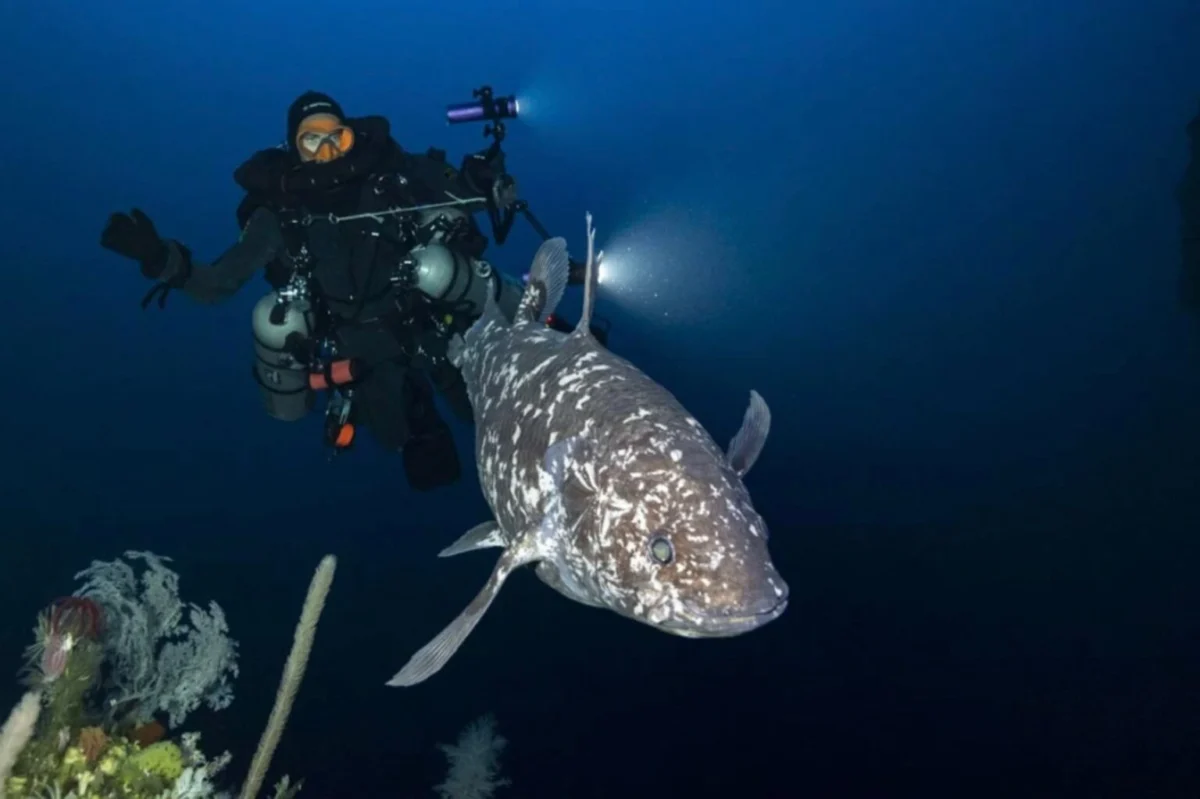
The Indonesian archipelago has solidified its status as a critical global sanctuary for the coelacanth, a prehistoric marine species once thought to have been extinct for 66 million years. While the continent of Africa—specifically the waters of South Africa facing the Indian Ocean—served as the initial site of its modern rediscovery, recent scientific evidence confirms that Indonesia provides a robust and perhaps more expansive "second home" for this enigmatic creature. Known locally as the "Raja Laut" or King of the Sea, the Indonesian coelacanth (Latimeria menadoensis) continues to challenge biological assumptions, with new sightings in North Maluku and West Papua suggesting that the species may be far more widely distributed across the Indo-Pacific than previously understood.
The coelacanth is often referred to as a "living fossil," a term used to describe species that have remained morphologically unchanged over millions of years. This lineage dates back to the Devonian period, approximately 400 million years ago, and was believed to have vanished alongside the dinosaurs at the end of the Cretaceous period. The discovery of a living specimen in 1938 off the coast of South Africa shocked the scientific community, but it would take another 59 years before a second species was identified in the deep waters of North Sulawesi, Indonesia. This discovery in 1997 sparked a global fascination with the Indonesian "Raja Laut," leading to decades of clandestine research in some of the world’s most inaccessible marine environments.
The Evolutionary Significance of the Raja Laut
The Indonesian coelacanth is a member of the Sarcopterygii group, or lobe-finned fish. Unlike the more common ray-finned fish (Actinopterygii) that dominate modern oceans, the coelacanth possesses fleshy, stalk-like fins that contain skeletal structures similar to the limbs of land-dwelling vertebrates. This makes them the closest living relatives to tetrapods—the four-limbed animals that eventually crawled out of the sea to inhabit land.
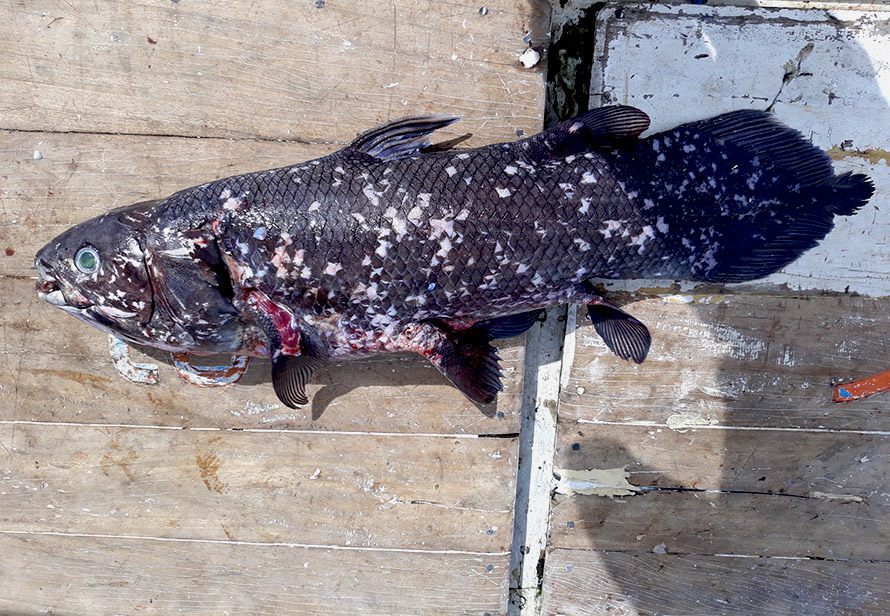
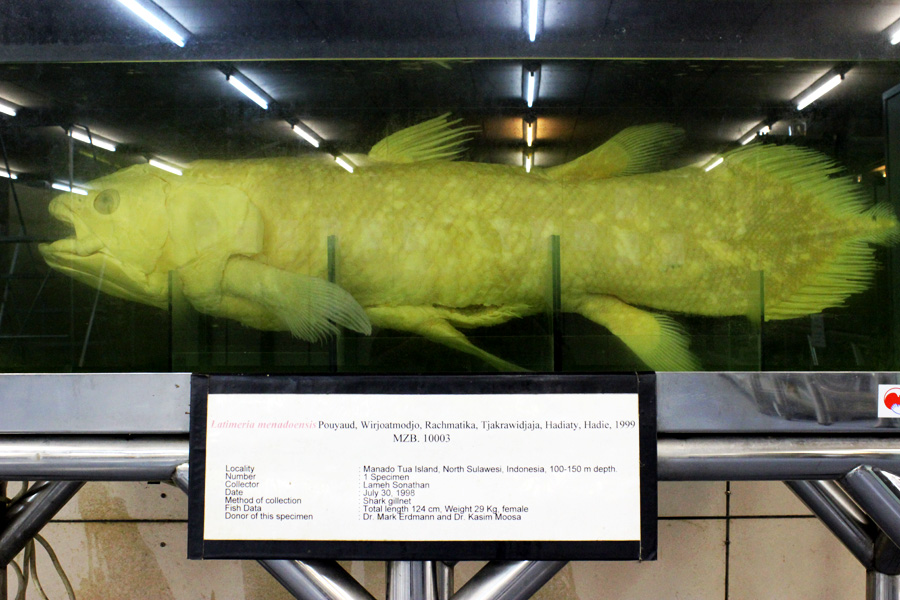
Morphologically, the Indonesian coelacanth is a marvel of ancient design. It can grow up to two meters in length and weigh as much as 100 kilograms. While its African cousin, Latimeria chalumnae, is characterized by a deep blue-gray hue, the Indonesian species, Latimeria menadoensis, displays a distinct golden-brown coloration adorned with white speckles. These spots act as a unique identifier for individuals, much like a human fingerprint, allowing researchers to track specific fish through photographic evidence.
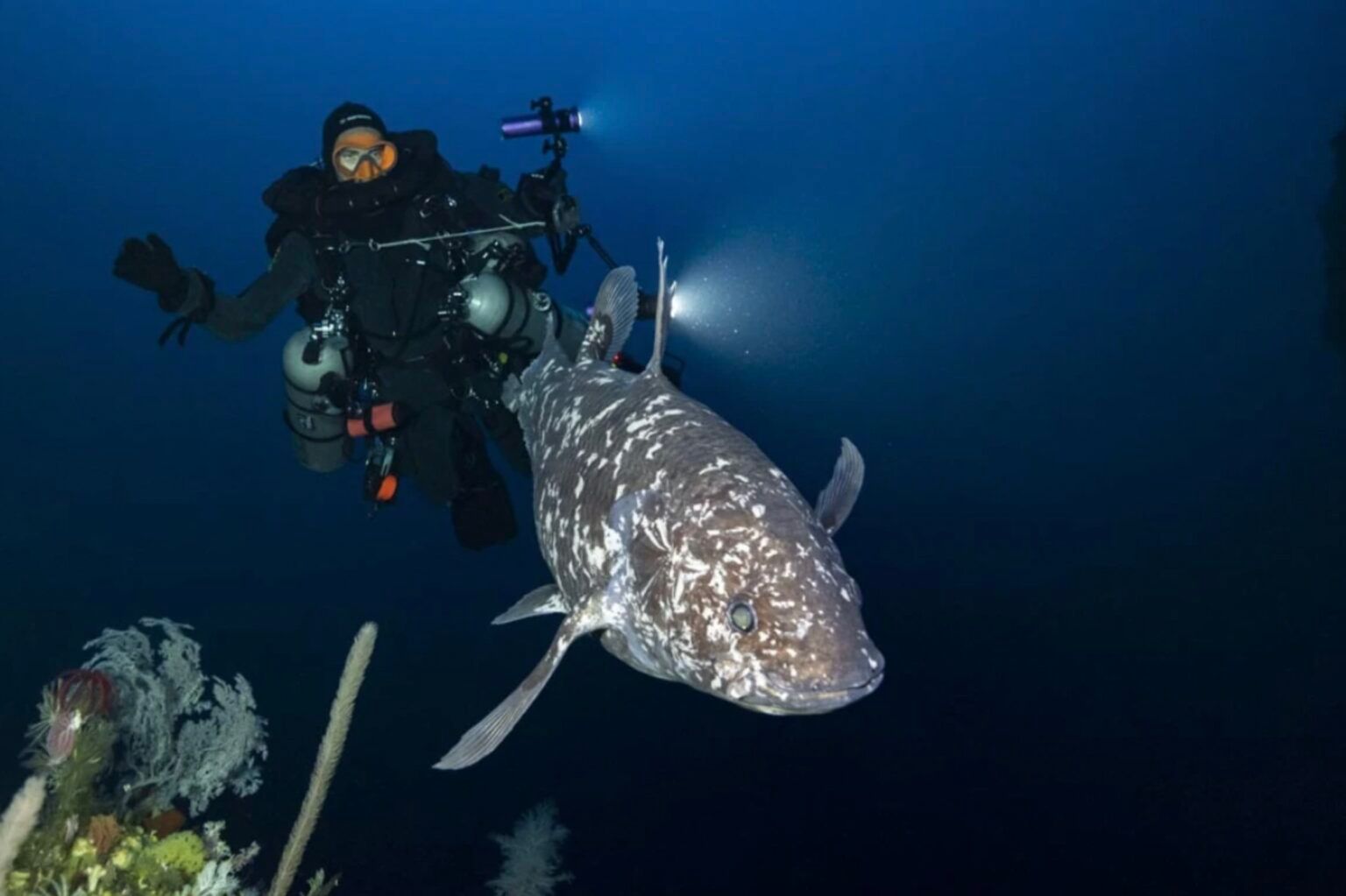
Beyond its fins, the coelacanth possesses an intracranial joint, a hinge in its skull that allows it to lift the front part of its head while feeding, increasing its bite force. It also features a rostral organ in its snout, which scientists believe is used for electroreception to detect prey in the pitch-black environment of the deep sea. These primitive yet effective biological tools have allowed the species to survive multiple mass extinction events that wiped out the majority of life on Earth.
A Chronology of Discovery in Indonesian Waters
The journey to understanding the Indonesian coelacanth began in 1997 when biologist Mark Erdmann spotted a strange-looking fish in a local market in Manado, North Sulawesi. Recognizing its resemblance to the African coelacanth, he initiated a search that led to the capture of a live specimen in 1998. This find proved that the coelacanth was not limited to a single pocket of the Western Indian Ocean but had a sister species thousands of miles away.
In the decades following the Manado discovery, researchers have slowly pieced together the species’ range. In 2018, sightings were reported in the waters of Raja Ampat, West Papua, and Biak. However, the most significant recent development occurred in late 2024 and was formally documented in the journal Scientific Reports in April 2025. A team of international researchers, including members from the Underwater Scientific Exploration for Education (UNSEEN) association, successfully documented the fish in the waters of North Maluku at a depth of 150 meters.
Alexis Chappuis, a lead researcher involved in the North Maluku expedition, noted that the discovery was made using advanced technology, including Remotely Operated Vehicles (ROVs) and specialized trimix diving—a technique involving a blend of oxygen, helium, and nitrogen to allow human divers to reach extreme depths safely. The team’s findings suggest that the North Maluku population serves as a vital geographic link between the populations in Sulawesi and West Papua.
Scientific Analysis of Habitat and Distribution
The rarity of coelacanth sightings is largely attributed to their preferred habitat. These fish are residents of the mesophotic zone—the "twilight zone" of the ocean where light is scarce. They typically inhabit deep-sea caves and steep volcanic slopes at depths ranging from 150 to 200 meters, where temperatures remain cool and stable. Because these environments are difficult for traditional divers to reach and dangerous for standard submarines to navigate, much of the coelacanth’s life remains a mystery.
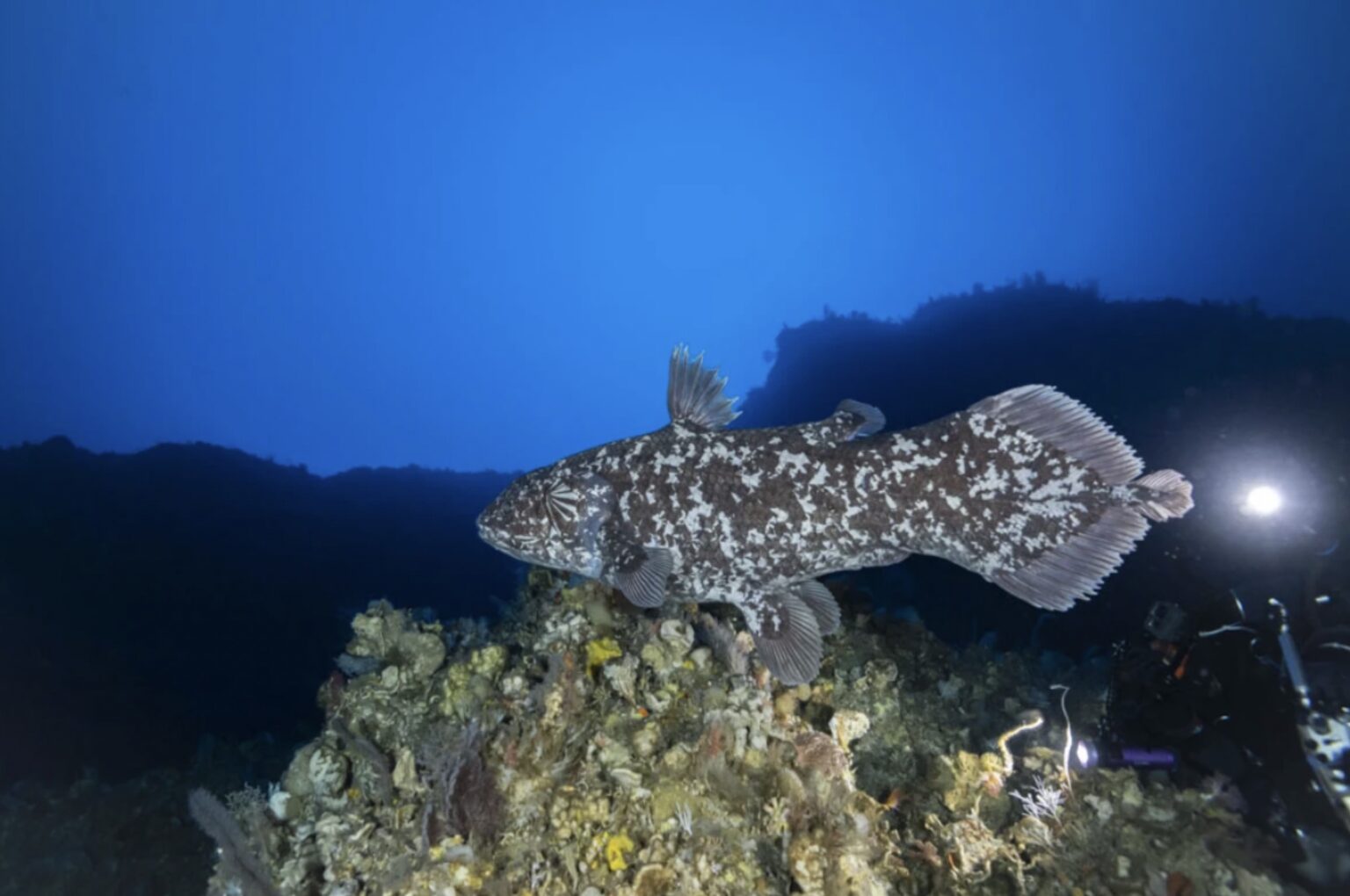
Kunto Wibowo, Chairman of the Ichthyology Research Group at the National Research and Innovation Agency (BRIN), suggests that the distribution of the Raja Laut is influenced by Indonesia’s complex oceanographic systems. A primary factor is the Arlindo, or the Indonesian Throughflow (ITF). This massive current system moves water from the Pacific Ocean to the Indian Ocean through the Indonesian archipelago. Wibowo posits that while coelacanths are not migratory by nature, their larvae or even slow-moving adults could be transported by deep-water currents, allowing the species to colonize new volcanic islands across the region.
"There is a strong possibility that the coelacanth exists in waters facing the Indian Ocean, such as the eastern coast of Sumatra or the southern coast of Java," Wibowo stated. "However, these are high-energy environments that require sophisticated research infrastructure to explore."
Genetic analysis has further enriched our understanding of the species. Studies indicate that the Indonesian and African lineages diverged approximately 30 to 40 million years ago. More surprisingly, research by Tri Eko Wahjono of BRIN suggests that even within Indonesia, different populations may have been isolated for up to 13 million years. This genetic divergence raises the possibility that there may be more than one species of coelacanth hidden within the vast Indonesian maritime territory.
Conservation Status and Legal Frameworks
Despite its resilience over millions of years, the coelacanth faces modern threats that have landed it on the International Union for Conservation of Nature (IUCN) Red List as a "Vulnerable" species. Its primary threat is not targeted fishing—as its flesh is oily, high in urea, and generally considered unpalatable—but rather accidental "by-catch." Deep-sea fishermen targeting snapper or oilfish occasionally hook coelacanths, which often die due to the rapid pressure change when brought to the surface.
Recognizing its immense scientific and natural heritage value, the Indonesian government has implemented strict legal protections. Under the Decree of the Minister of Maritime Affairs and Fisheries No. 66 of 2025, the coelacanth is listed as a fully protected species. This regulation prohibits any form of capture, trade, or utilization of the fish, except for highly regulated scientific research.
Furthermore, the species is listed under Appendix I of the Convention on International Trade in Endangered Species of Wild Fauna and Flora (CITES). This international treaty bans all commercial trade of the species, ensuring that the Raja Laut is protected not just within Indonesian borders but across the global market.
Ecological Role and Behavioral Observations
As a top predator in its deep-sea niche, the coelacanth plays a vital role in maintaining the balance of mesophotic ecosystems. They are known to be nocturnal hunters, emerging from their caves at night to feed on a variety of prey, including small sharks, rays, and various deep-sea bony fish. Their metabolism is remarkably slow, a trait that likely contributed to their survival through periods of low oxygen or food scarcity in Earth’s past.
Observations from ROV footage show that the coelacanth is a passive, non-aggressive swimmer. It often drifts with the current, using its lobed fins to make precise adjustments in position. Interestingly, they have been observed performing "headstands" in the water, a behavior thought to be related to their electroreceptive hunting technique, allowing them to scan the seafloor for hidden prey.
The social structure of the Raja Laut remains largely unknown, although they are frequently found in small groups within the same cave systems. Unlike many fish that lay thousands of eggs, coelacanths are ovoviviparous, meaning they give birth to live young after a gestation period that scientists estimate could last up to five years—the longest of any vertebrate. This low reproductive rate makes the population particularly sensitive to any environmental disturbances or accidental fishing mortality.
Implications for Future Marine Research
The ongoing discoveries in North Maluku and Papua emphasize the need for a more comprehensive mapping of Indonesia’s deep-sea biodiversity. The fact that a two-meter-long "prehistoric" fish could remain hidden for so long suggests that many other species unknown to science may inhabit the Indonesian Throughflow corridors.
The presence of the coelacanth also serves as a biological indicator of the health of mesophotic coral ecosystems. These deep-water reefs are increasingly seen as potential "refuges" for marine life as shallow-water reefs suffer from the impacts of climate change and rising sea temperatures. Protecting the coelacanth’s habitat effectively means protecting these vital, deep-water reservoirs of biodiversity.
As Indonesia continues to develop its blue economy, the challenge will be to balance industrial maritime activities—seafloor mining, deep-sea fishing, and infrastructure development—with the preservation of these ancient residents. The Raja Laut is more than just a biological curiosity; it is a living link to the history of life on Earth. Its continued presence in the Indonesian archipelago is a testament to the region’s extraordinary ecological importance and a reminder of the mysteries that still lie beneath the waves.
The scientific community now looks toward the southern coasts of Java and Sumatra, where the deep trenches of the Indian Ocean meet the Indonesian shelf. If the "King of the Sea" is indeed riding the currents of the Arlindo, the next chapter in the story of this 400-million-year-old survivor may soon be written in the depths of the south. For now, the Indonesian coelacanth remains a silent guardian of the deep, a golden-brown relic of a world long gone, thriving in the clandestine corners of the world’s largest archipelago.