
 Nila Kartika Wati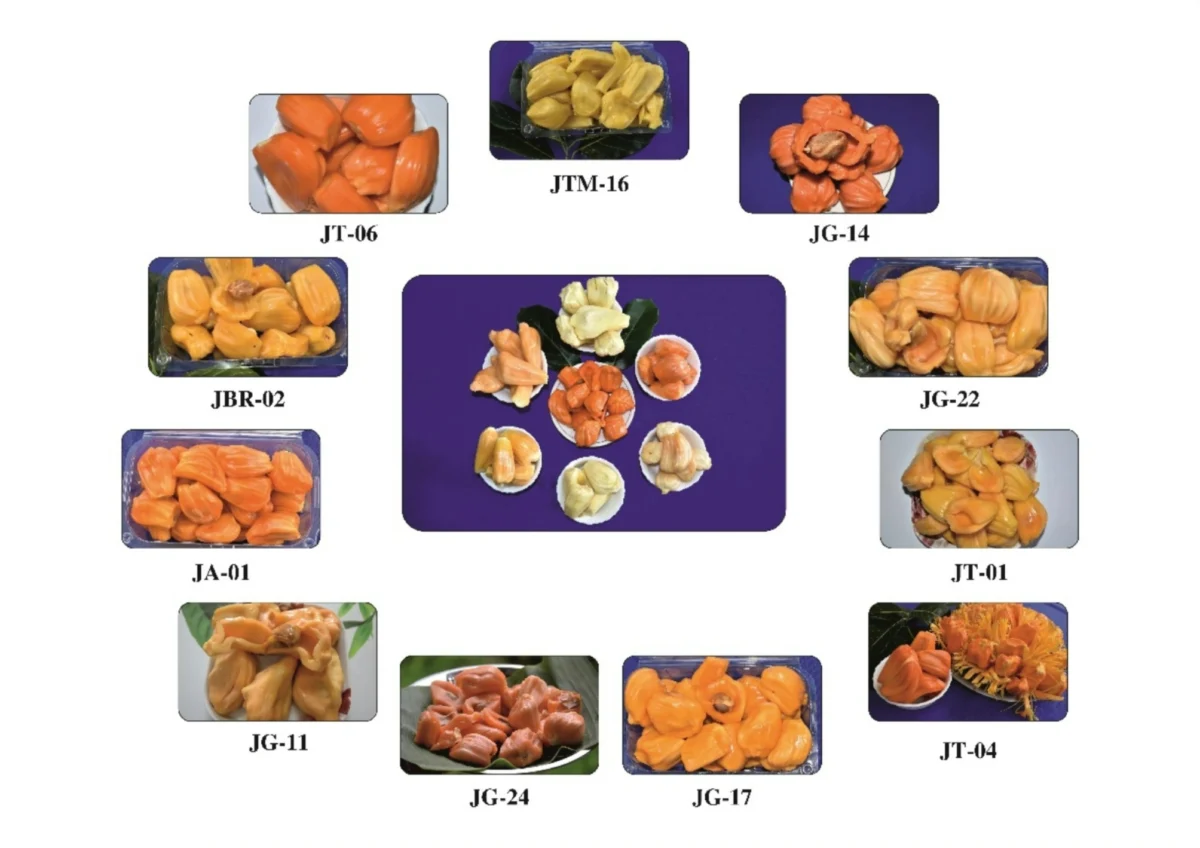
The global food system is currently facing an unprecedented convergence of pressures, driven primarily by the escalating volatility of the Earth’s climate. As heatwaves, prolonged droughts, and erratic precipitation patterns become the new norm, traditional staples such as rice, wheat, and maize—which occupy the vast majority of agricultural land and demand intensive water and chemical inputs—are struggling to maintain consistent yields. This vulnerability has sparked a critical reassessment among agricultural scientists and botanists, who are increasingly turning their attention toward underutilized crops. Among these, the jackfruit (Artocarpus heterophyllus), a robust, nutrient-dense, and highly resilient species, is emerging as a potential cornerstone for future food security.
A recent study published in the journal Scientific Reports offers a profound look at the genetic diversity of jackfruit in India’s arid regions, highlighting its potential to serve as a cornerstone of climate-resilient agriculture. While historically viewed as a backyard commodity or a minor fruit, the jackfruit is now being scrutinized for its ability to thrive in challenging environments with minimal human intervention.
The Anatomy of Resilience: Why Jackfruit Matters
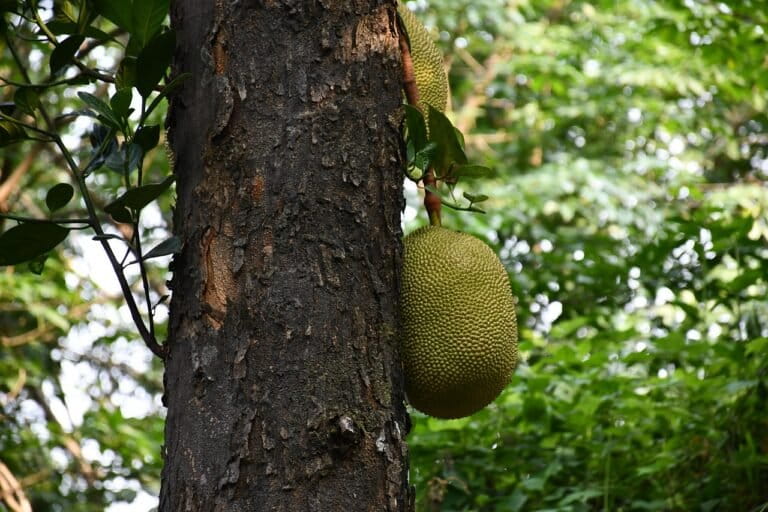
Native to the tropical rainforests of the Western Ghats in India, the jackfruit has long been a staple across South and Southeast Asia, including Indonesia, where it is a culinary mainstay. Unlike the giant pumpkin, which holds the world record for individual fruit mass but relies on crawling vines across the soil, the jackfruit is a powerhouse of vertical growth. It produces fruits that can weigh several dozen kilograms while supported by the sturdy trunk of the tree itself.
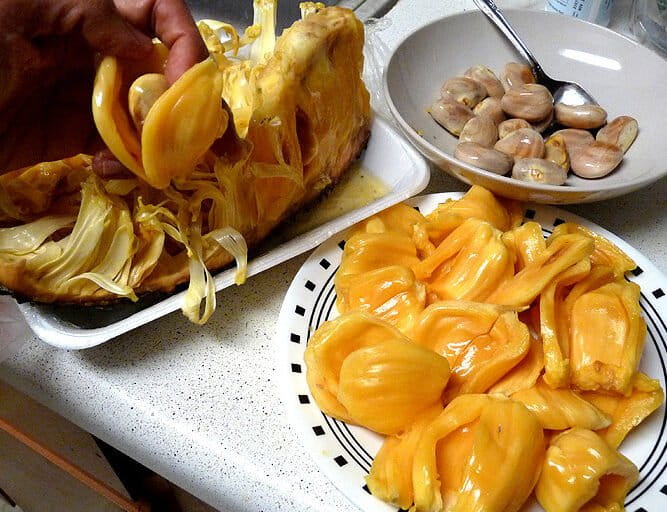
The plant is remarkably versatile. Its young, unripe fruit—often referred to as "vegetable meat" due to its texture—is a common ingredient in savory dishes like gudeg and lodeh. When mature, the fruit provides sweet, nutrient-rich flesh, while the seeds, which are packed with vitamins B1 and B2, can be boiled or roasted as a secondary source of energy. In regions plagued by food insecurity, the high carbohydrate content of the jackfruit acts as a critical buffer, providing a reliable calorie source when primary crops fail.
Chronology of Research: The Karnataka Study (2020–2023)
Between 2020 and 2023, a research team from the ICAR-Indian Institute of Horticultural Research (IIHR) conducted an extensive survey of 94 jackfruit trees across the Tumkur and Bengaluru Rural districts in Karnataka, India. This region was selected specifically for its diverse microclimates and ecological variability.
The research was designed to observe trees grown from seeds in diverse settings, ranging from private home gardens to secondary forests, where the trees received virtually no commercial fertilizers or irrigation. By monitoring these trees over a three-year period, the researchers aimed to document phenotypic variations that have evolved in response to localized environmental stressors.
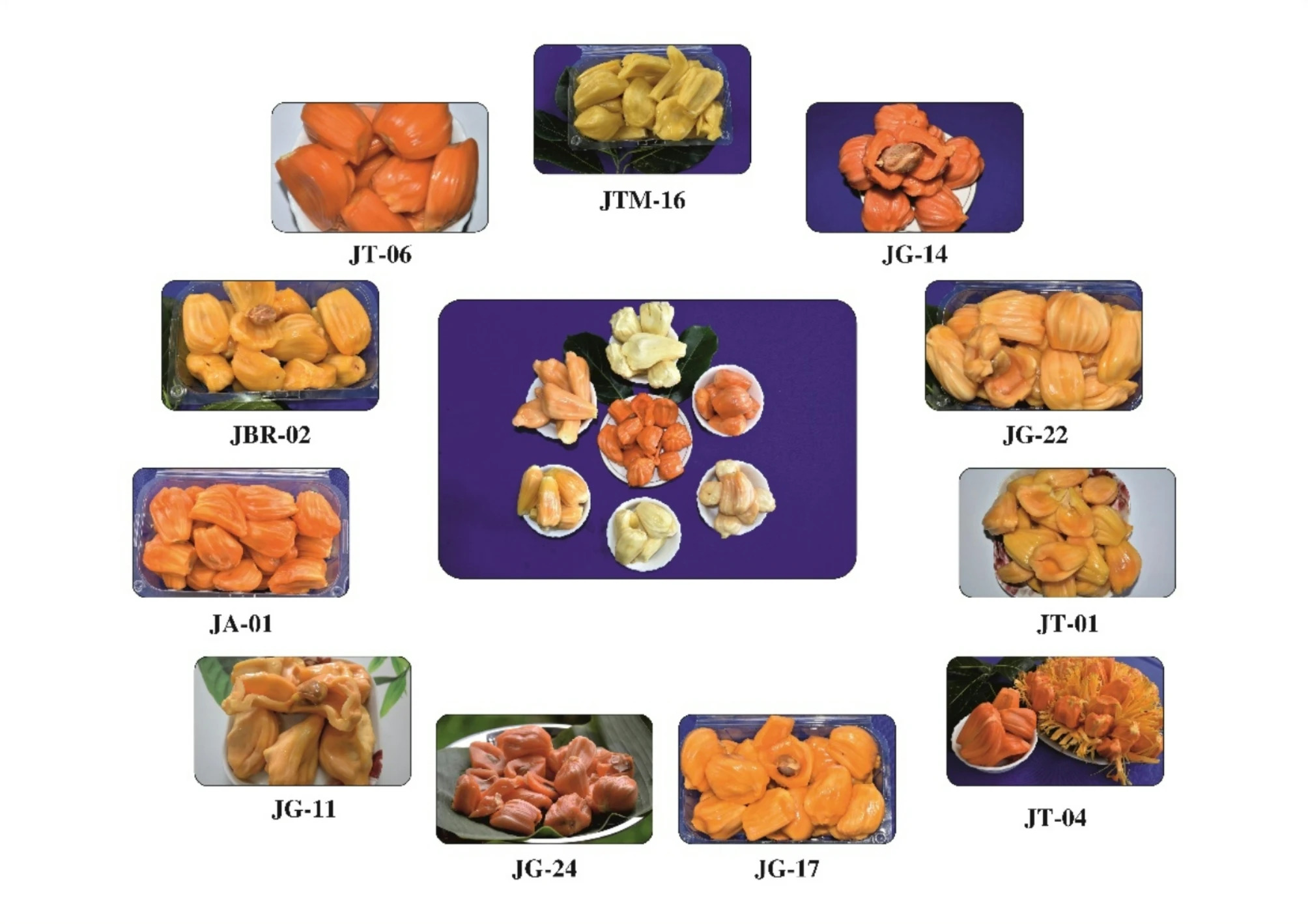
The findings were striking. The study revealed a massive spectrum of diversity: the smallest fruit recorded weighed approximately 1 kilogram, while the largest exceeded 13 kilograms. The average weight hovered near 6 kilograms. Beyond size, the color of the flesh—ranging from pale yellow to deep orange—correlated significantly with nutritional profiles. Notably, the deep orange-fleshed varieties exhibited higher concentrations of carotenoids, lycopene, and antioxidants, underscoring the genetic wealth hidden within these seemingly mundane backyard trees.
Genetic Diversity and the Mechanics of Breeding
The high degree of variation observed in the Karnataka study is rooted in the biological nature of the jackfruit. Because the tree is generally cross-pollinated and typically propagated through seeds rather than cloning, every offspring possesses a unique genetic makeup. The research found that even trees located in close proximity to one another often displayed wildly different characteristics, confirming that genetic inheritance plays a more dominant role in fruit development than mere geographic location.
This genetic diversity is the "holy grail" for agricultural breeders. In a climate-stressed future, uniformity is a liability. Monocultures of wheat or corn are highly susceptible to being wiped out by a single pest or a specific weather event. Conversely, a diverse population of jackfruit trees provides a vast genetic library from which breeders can select traits such as drought tolerance, heat resistance, and enhanced nutritional yield.
Collaborative Breeding: Empowering Local Farmers
A key pillar of the ICAR-IIHR research is the implementation of "participatory breeding." This model moves away from the traditional top-down approach where scientists conduct research in isolation. Instead, it involves local farmers at every stage of the process, from the initial identification of superior trees to the taste-testing and evaluation phases.
By engaging the community, the researchers ensured that the trees selected for further development—11 "superior" trees identified in the study—were not only scientifically promising but also economically viable for the local populations. These 11 trees are now being preserved in a network of sites, including private farms, the National Bureau of Plant Genetic Resources in New Delhi, and the ICAR-IIHR germplasm repository in Bengaluru. This collaborative framework ensures that as these trees are developed into new varieties, the farmers themselves retain access to the genetic material and the potential for increased income through the sale of superior fruit and seedlings.
Broader Implications for Global Agriculture
The implications of this research extend far beyond the borders of India. As the world population continues to grow and climate change threatens the productivity of traditional breadbaskets, the agricultural community must pivot toward "orphan crops"—species that have been historically overlooked by industrial-scale agriculture.
The jackfruit offers a low-input, high-output solution. Its ability to grow in varying soils and its relative hardiness make it a prime candidate for reforestation and agroforestry programs. By integrating jackfruit into current farming systems, nations can enhance their food sovereignty, reduce reliance on water-intensive imports, and improve the nutritional density of their local food supplies.
However, challenges remain. The industry faces significant hurdles, including the long maturation time of seed-grown trees—which can take 8 to 10 years to bear fruit—and a lack of standardized varieties. Furthermore, the susceptibility of jackfruit to certain pests, such as the borer beetle, requires additional research into integrated pest management strategies.
Addressing the Research Gap: A Call for Expansion
While the study provides a vital foundation, the researchers acknowledge its limitations. The survey did not directly measure the trees’ physiological responses to acute drought or extreme heat, focusing instead on observable economic traits. The researchers emphasize that future studies must involve larger sample sizes and more rigorous environmental stress testing to confirm the tree’s long-term resilience under extreme climate change scenarios.
Global efforts are already underway to address these gaps. Similar assessments of jackfruit genetic diversity are being conducted in Indonesia, Malaysia, Thailand, and the Philippines. These international efforts suggest a growing consensus: the solution to the impending food crisis may not be found in creating a new, genetically modified super-crop, but in rediscovering and optimizing the vast, hidden potential of trees that have quietly sustained human populations for centuries.
The Path Forward
The path to a sustainable future requires a paradigm shift in how we define "important" crops. As we move into the second half of the 2020s, the focus on jackfruit signals a move toward diversified, locally-adapted, and climate-smart agriculture. By leveraging the genetic diversity of the jackfruit, scientists and farmers can create a more robust food system, one that is less dependent on intensive chemical inputs and more capable of enduring the unpredictable challenges of a warming world.
The preservation of these 11 superior trees in India is not merely an act of biological conservation; it is an investment in the future of human nutrition. As researchers continue to map the genetic potential of the jackfruit, the goal remains clear: to transition this humble tree from a minor fruit to a major, resilient pillar of the global food security architecture. The lessons learned from the Karnataka study provide a blueprint for how other nations might assess their own botanical resources, ensuring that the seeds of today become the security of tomorrow.









