Azin Asro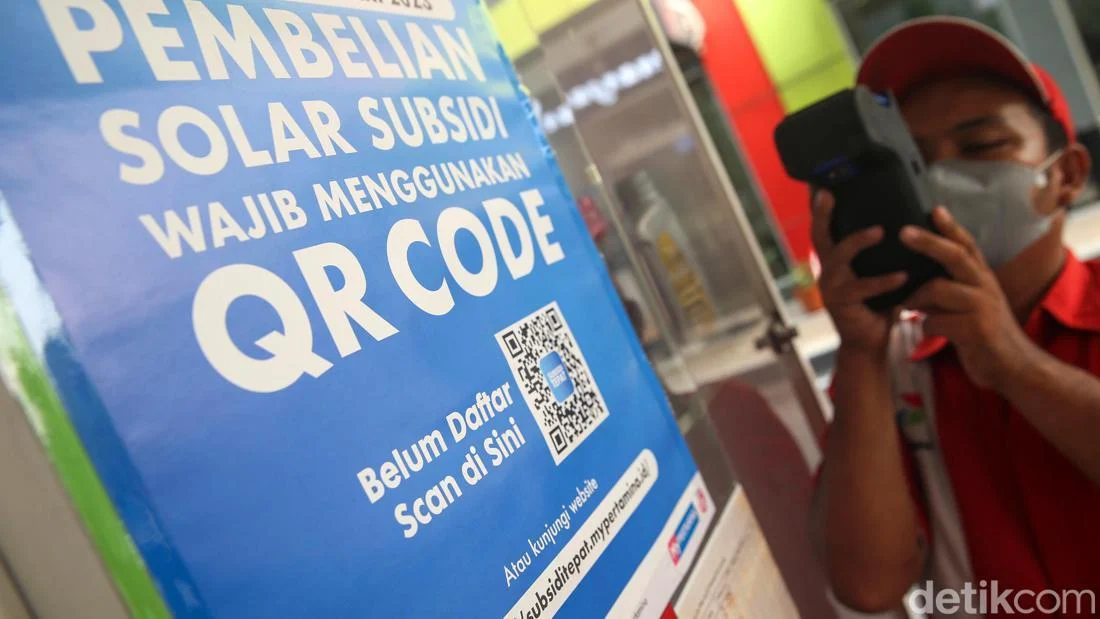
The implementation of the "Subsidi Tepat" program by PT Pertamina Patra Niaga marks a significant shift in how the Indonesian government manages the distribution of subsidized fuels, specifically Pertalite (RON 90) and Solar (Subsidiary Diesel). Under this digitalized framework, vehicle owners are now required to register their vehicles on the MyPertamina platform to obtain a unique QR Code, which serves as the primary instrument for purchasing subsidized fuel at gas stations (SPBU). However, as the system transitions from an open distribution model to a more controlled, data-driven one, many consumers have reported technical hurdles and administrative discrepancies. One of the most prominent issues faced by motorists is the appearance of the "Not a Subsidy Recipient" (Bukan Penerima Subsidi) or "QR Code Blocked" notification during the scanning process at the pump. This situation necessitates a comprehensive understanding of the registration protocols, the legal criteria for eligibility, and the administrative channels available for dispute resolution.
The Mechanics of the MyPertamina Registration and Verification Process
To ensure that government subsidies reach the intended demographics, Pertamina has established a rigorous registration process. Motorists must visit the official MyPertamina website and upload several key documents, including their National Identity Card (KTP), Vehicle Registration Certificate (STNK), and clear photographs of the vehicle showing the license plate and the side profile. Once the data is submitted, it undergoes a verification process to ensure the information matches the national database managed by the Korlantas Polri (National Police Traffic Corps).
According to Pertamina’s official guidelines, the verification process can take a maximum of 14 working days from the date of submission. During this period, the system cross-references the vehicle’s engine capacity (CC), the type of vehicle, and the validity of the registration documents against the criteria set by the government. If the verification is successful, the user receives a QR Code via email or through the MyPertamina application. This code can be printed or stored on a mobile device to be scanned by SPBU operators during every transaction. The QR Code is inextricably linked to the vehicle’s license plate; thus, any discrepancy between the physical plate on the vehicle and the data embedded in the QR Code will result in a transaction failure.
Deciphering the Not a Subsidy Recipient Error
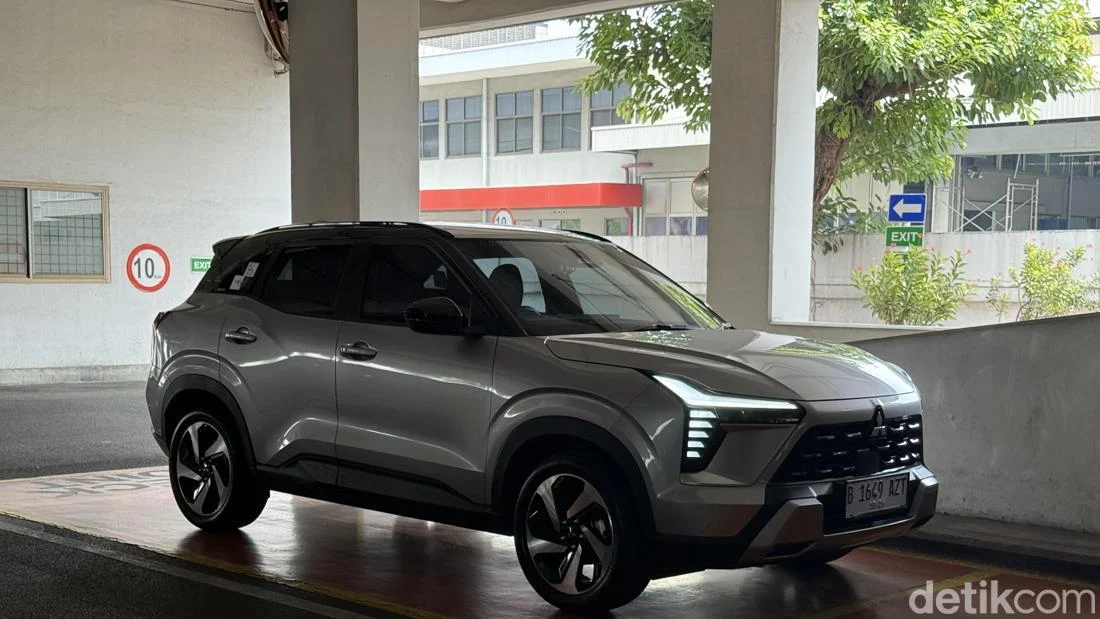
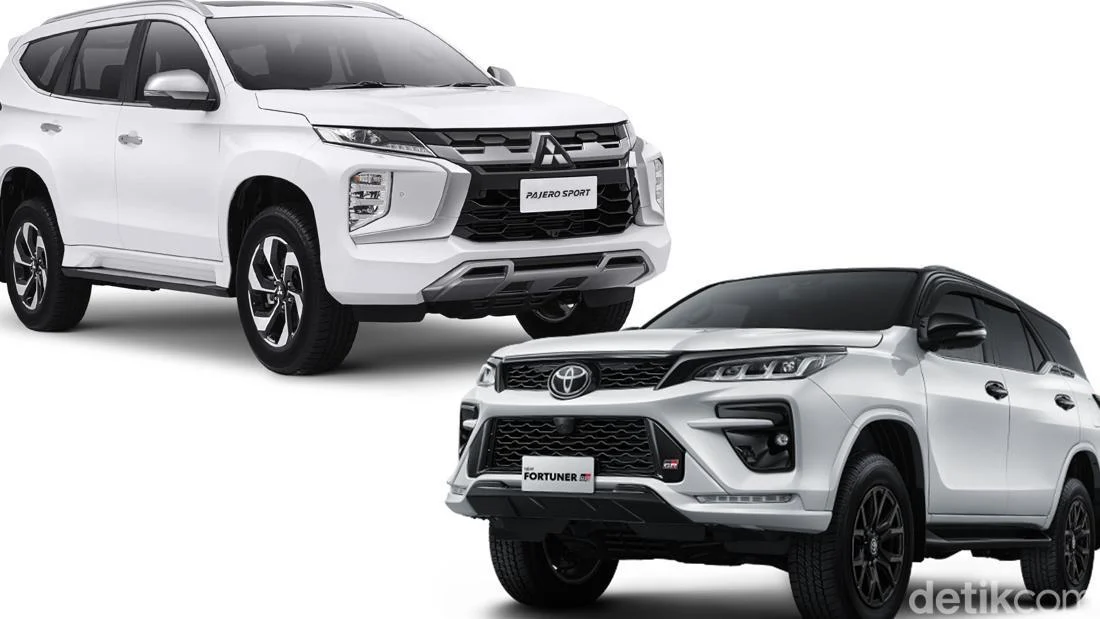
The notification "Not a Subsidy Recipient" or "QR Code Blocked" often causes confusion and frustration at the point of sale. There are several technical and regulatory reasons why this might occur. Primarily, the system is designed to block access if the vehicle is identified as a luxury car or a vehicle with an engine capacity that exceeds the current threshold for subsidies. While the government continues to refine the specific engine capacity limits—often discussed in the context of 1,400 CC for cars and 250 CC for motorcycles—the system already flags vehicles that are registered under corporate names or those that do not fall under the "public interest" categories defined by law.
Furthermore, a "Blocked" status may be triggered if the system detects anomalous purchasing patterns, such as multiple transactions in a single day that exceed the daily quota allowed for a specific vehicle type. For Solar, the Daily Purchase Limit (Kuota Harian) is strictly regulated: 60 liters for private four-wheeled vehicles, 80 liters for four-wheeled public or freight transport, and 200 liters for six-wheeled or larger freight vehicles. Exceeding these limits can lead to a temporary or permanent suspension of the QR Code.
In instances where a user believes their vehicle has been incorrectly flagged, Pertamina provides an appeal mechanism. Motorists are encouraged to visit the official dispute resolution portal at ptm.id/sanggahblokirnopol. This portal is intended to allow users to upload proof of eligibility or clarify data errors. However, recent reports have highlighted technical instability within this portal, with many users encountering "Page Not Found" errors. In such cases, the primary alternative is to contact the Pertamina Call Center at 135, which operates 24/7 to handle complaints and provide manual verification assistance.
Legal Framework: Presidential Regulation No. 191 of 2014
The eligibility criteria for subsidized fuel are not arbitrary; they are grounded in Presidential Regulation (Perpres) No. 191 of 2014 regarding the Supply, Distribution, and Retail Selling Price of Fuel Oil. This regulation serves as the legal backbone for the "Subsidi Tepat" program. For Solar (Biosolar), the beneficiaries are categorized into five main sectors:
- Land Transportation: This includes private vehicles (within specific limits), yellow-plate public transport, and non-luxury freight vehicles transporting basic necessities.
- Water Transportation: This covers small-scale river, lake, and ferry transport, as well as sea transport using Indonesian-flagged vessels for public service obligations.
- Fisheries: Small-scale fishermen using boats with a maximum size of 30 Gross Tonnage (GT) who are registered with the Ministry of Marine Affairs and Fisheries.
- Agriculture: Small-scale farmers or farmer groups (Gapoktan) who use agricultural machinery for cultivation, provided they have a recommendation letter from local authorities.
- Micro Businesses: Small home industries that utilize machinery powered by diesel, also requiring local government certification.
For Pertalite, the regulations are currently being updated to be more specific. The government is aiming to finalize a revision to Perpres 191/2014 that will explicitly bar luxury vehicles from consuming RON 90 fuel. The goal is to ensure that the state budget (APBN) is not used to subsidize fuel for the affluent, thereby redirecting those funds toward social welfare and infrastructure.
The Evolution of Indonesia’s Fuel Subsidy Policy
The shift toward a digitalized, closed-loop distribution system is the culmination of years of fiscal pressure. Historically, Indonesia utilized an "open subsidy" model where anyone could purchase subsidized fuel at the pump. This led to significant "leakage," where subsidized fuel intended for the poor was consumed by high-income individuals or diverted to industrial sectors like mining and plantations, which are legally required to use non-subsidized "Pertamina Dex" or "Dexlite."
In mid-2022, amid rising global oil prices and a weakening Rupiah, the government faced a ballooning subsidy bill that threatened national fiscal stability. In response, Pertamina launched the "Subsidi Tepat" pilot project in several regions, making registration mandatory for Solar. By 2024, the focus expanded significantly toward Pertalite, which accounts for the vast majority of fuel consumption in the country. The transition has been gradual, moving from voluntary registration to mandatory QR Code presentation in specific provinces, eventually aiming for nationwide coverage.
Economic Data and Fiscal Implications
The urgency of this digital transformation is underscored by the sheer scale of the Indonesian state budget allocated to energy subsidies. In 2023, the government spent hundreds of trillions of Rupiah on fuel and electricity subsidies. For 2024, the quota for Pertalite has been set at approximately 31.7 million kiloliters (kL), while the quota for subsidized Solar is roughly 19 million kL.
Data from the Downstream Oil and Gas Regulatory Agency (BPH Migas) suggests that without a digital tracking system, the risk of over-quota consumption is high. By implementing the QR Code system, Pertamina can monitor every liter sold in real-time. If a vehicle’s consumption exceeds the logic of its registered use, the system can flag it for investigation. This data-driven approach is estimated to save the state trillions of Rupiah by reducing misallocation and smuggling.
Public Reaction and Official Responses
The implementation has met with a mixture of support and concern. Consumer advocacy groups have pointed out the "digital divide," noting that elderly drivers or those in remote areas with poor internet connectivity may struggle with the MyPertamina app. In response, Pertamina has set up physical registration booths at thousands of SPBUs across the country, where staff assist motorists in uploading their documents manually.
Official statements from the Ministry of Energy and Mineral Resources (ESDM) emphasize that the QR Code is not intended to restrict the public’s mobility but to ensure fairness. "The subsidy is the right of the underprivileged. When someone who can afford non-subsidized fuel uses Pertalite, they are essentially taking from the poor," stated a spokesperson for the Ministry during a recent public forum.
Meanwhile, BPH Migas has increased its oversight of SPBU operators. Gas stations found to be dispensing subsidized fuel to vehicles without QR Codes or to vehicles with mismatched plates face stiff penalties, including the suspension of their fuel supply or the revocation of their operating licenses.
Analysis of Future Implications
The digitalization of fuel distribution is a precursor to a broader trend of targeted social assistance in Indonesia. By successfully linking fuel purchases to verified identities and vehicle data, the government is building a robust database that could eventually be used for other targeted programs, such as direct cash transfers (BLT) or tiered pricing based on socio-economic status.
However, the "Page Not Found" issue on the appeal website highlights a critical area for improvement: infrastructure reliability. For a digital system to maintain public trust, the administrative channels for resolving errors must be as robust as the enforcement mechanisms. If citizens are blocked from a necessity like fuel due to a system error and find the "appeal" door locked, it could lead to social friction.
In the long term, the "Subsidi Tepat" program is expected to drive a shift in consumer behavior. As it becomes more difficult for high-capacity vehicles to access subsidized fuel, there may be an acceleration in the adoption of more fuel-efficient vehicles or a transition toward Electric Vehicles (EVs), aligning with Indonesia’s net-zero emission goals. For now, the focus remains on refining the MyPertamina ecosystem to ensure that no eligible citizen is left behind by a technical glitch, while simultaneously closing the loopholes that have long allowed the misdirection of state resources.