Nasution Nanang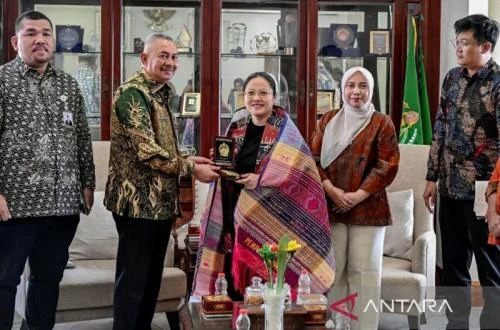
Medan, Indonesia – The Provincial Government of North Sumatra (Pemprov Sumut) has unequivocally affirmed its full commitment to collaborate with the Asian Development Bank (ADB) in bolstering the development of the Sei Mangkei Special Economic Zone (SEZ) in Simalungun Regency. This strategic partnership, underscored by a recent workshop on special economic zones held in Medan in conjunction with the Coordinating Ministry for Economic Affairs, aims to leverage Sei Mangkei as a pivotal engine for regional economic growth and a magnet for significant investment, thereby positioning North Sumatra as a key economic hub within Southeast Asia.
Strategic Imperative for Regional Growth
The commitment from North Sumatra’s leadership comes at a crucial time as Indonesia intensifies its efforts to accelerate economic development through strategically located and well-managed special economic zones. Speaking at the conclusion of the workshop, Sulaiman Harahap, the Acting Regional Secretary of North Sumatra Province, underscored the profound significance of the Sei Mangkei SEZ. "The development of the Sei Mangkei Special Economic Zone is identified as one of the primary catalysts for regional economic growth," Harahap stated following his meeting with officials from the Coordinating Ministry for Economic Affairs and the ADB at the North Sumatra Governor’s Office. His remarks highlighted the provincial government’s conviction that the SEZ is not merely an industrial park but a comprehensive ecosystem designed to spur job creation, attract capital, and foster technological advancement.
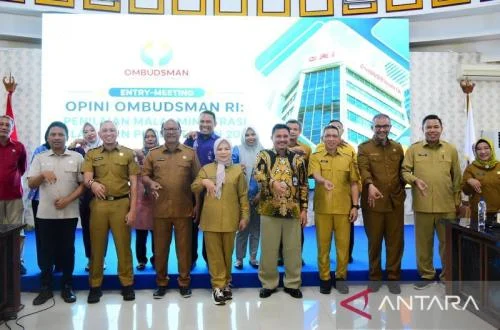
The workshop itself served as a vital platform for knowledge exchange and capacity building, bringing together key stakeholders to discuss best practices in SEZ management and governance. This collaborative initiative is a tangible manifestation of North Sumatra’s proactive approach to enhancing its economic infrastructure and regulatory framework to meet international standards. The engagement with ADB, a renowned multilateral development bank with extensive experience in regional development, is expected to provide invaluable technical expertise and strategic guidance, further strengthening the foundation for Sei Mangkei’s success.
Deep Dive into Sei Mangkei Special Economic Zone
The Sei Mangkei SEZ, formally established through Government Regulation Number 29 of 2012 and officially operational since January 27, 2015, represents a cornerstone of Indonesia’s national economic strategy. Spanning an impressive total area of 2,002.7 hectares, this zone is strategically designed to capitalize on North Sumatra’s rich natural resources and its advantageous geographical position. Its primary industrial focus areas include downstream palm oil processing, rubber processing, logistics, and tourism.
North Sumatra is a global leader in palm oil and rubber production, making Sei Mangkei an ideal location for value-added processing industries. The SEZ aims to transform raw commodities into higher-value products such as oleochemicals, food and beverages, and various rubber derivatives, thereby increasing export revenues and strengthening Indonesia’s position in global supply chains. The logistics sector is equally crucial, with Sei Mangkei envisioned as a robust logistics hub connecting Sumatra’s hinterlands to global markets via the nearby Kuala Tanjung Port, which is rapidly developing into a major international shipping gateway. Furthermore, the inclusion of tourism signifies a broader vision for the SEZ to integrate economic activities with local attractions, potentially drawing investment into hospitality and related services.
The economic projections for Sei Mangkei are ambitious yet indicative of its vast potential. By the year 2031, the SEZ is projected to attract a total investment of Rp129 trillion (approximately USD 8.5 billion, subject to exchange rates) and generate employment opportunities for up to 83,304 individuals. These figures underscore the transformational impact expected from the zone, not only for Simalungun Regency but for the entire North Sumatra province and the national economy. To facilitate this growth, significant investments have been made in infrastructure, including robust road networks, reliable utilities (power and water), and seamless connectivity to the Trans-Sumatra Toll Road and Kualanamu International Airport, ensuring efficient movement of goods and people.
Strengthening Economic Governance through Regional Cooperation
Sulaiman Harahap elaborated that the recent workshop forms an integral part of broader subregional cooperation frameworks that Indonesia actively participates in. These include the Brunei Darussalam-Indonesia-Malaysia-Philippines East ASEAN Growth Area (BIMP-EAGA), the Indonesia-Malaysia-Thailand Growth Triangle (IMT-GT), and the Greater Mekong Subregion (GMS). These initiatives are designed to foster economic integration, facilitate cross-border trade and investment, and enhance connectivity among member countries.
BIMP-EAGA, established in 1994, aims to accelerate economic development in less-developed areas of the four member countries through cooperation in trade, investment, tourism, and infrastructure. IMT-GT, founded in 1993, focuses on economic integration among regions in Indonesia, Malaysia, and Thailand, particularly through infrastructure development, human resource development, and tourism promotion. The GMS program, supported by ADB since 1992, involves Cambodia, China (Yunnan Province and Guangxi Zhuang Autonomous Region), Laos, Myanmar, Thailand, and Vietnam, concentrating on infrastructure, trade facilitation, and investment.
North Sumatra’s participation in these subregional groupings highlights its strategic geographical location and its role as a bridge connecting different parts of Southeast Asia. Harahap expressed optimism that the workshop, by drawing upon the experiences and best practices from these diverse regional contexts, would significantly enhance the capacity for SEZ management in North Sumatra. The ultimate goal is to elevate the quality of economic zone governance and solidify Sei Mangkei’s position as a premier economic area within the province, attracting a diverse range of industries and investors.
North Sumatra: Host of IMT-GT 2026
Adding to its growing regional prominence, North Sumatra Province has been entrusted with the significant responsibility of hosting the 32nd IMT-GT Summit in Medan in September 2026. This decision is a powerful testament to the recognition of North Sumatra’s strategic role in regional economic cooperation and its increasing influence within the ASEAN economic landscape.
"This trust is clear evidence of the acknowledgment of North Sumatra’s strategic role in regional economic cooperation," Harahap remarked, emphasizing the provincial government’s pride and determination to make the event a resounding success. Hosting such a high-profile international gathering provides an unparalleled opportunity for North Sumatra to showcase its investment potential, cultural richness, and advancements in infrastructure to a broad audience of regional leaders, policymakers, and potential investors.
The provincial government anticipates that the synergy with ADB will be further strengthened through the preparations and execution of the IMT-GT Summit. This collaboration is expected to not only ensure the smooth running of the regional cooperation efforts but also to significantly boost regional economic growth and create more employment opportunities across the province. The summit will serve as a platform for deeper policy dialogue, identification of new collaborative projects, and the forging of stronger ties among the member nations, with North Sumatra at the heart of these discussions.
Insights from Key Stakeholders
Sonny Ameriansah Soekoer, Assistant Deputy for Regional Economic Cooperation at the Coordinating Ministry for Economic Affairs, reiterated the importance of the ongoing engagements. He explained that the recent meeting with ADB and provincial officials was an integral part of the preparatory process for the 32nd IMT-GT Summit. Soekoer highlighted the unique nature of the IMT-GT initiative, noting, "IMT-GT is the only activity that directly involves regional administrations. One of its objectives is to synergize development policies across Sumatra. ADB, as a strategic advisor, can be utilized to seek their advice and insights." This statement underscores the critical role ADB plays in providing expert guidance on development strategies, helping to align regional and national policies for maximum impact.
Pamela Asis-Layugan, Regional Cooperation Specialist at the Regional Cooperation and Integration Unit of ADB’s Southeast Asia Department, further articulated ADB’s pivotal role as a regional development partner. She emphasized that through workshops focused on Special Economic Zones, "we can identify which corridors are worth developing, thereby strengthening both regional and national economic power." Asis-Layugan’s perspective highlights ADB’s data-driven approach to identifying growth corridors and supporting projects that promise significant economic returns. She also mentioned ADB’s commitment to enhancing the capacity of civil servants through various capacity-building programs. These programs are designed to equip government officials with the necessary skills and knowledge in strategic areas such as economic development, tourism promotion, and sustainable resource management, ensuring effective implementation of development initiatives.
Broader Implications and Future Outlook
The concerted efforts to develop the Sei Mangkei SEZ with ADB’s support, coupled with North Sumatra’s role as a key player in regional cooperation frameworks like IMT-GT, carry significant implications for the province and Indonesia as a whole.
Economic Diversification and Value Addition: By focusing on downstream industries for palm oil and rubber, Sei Mangkei is set to transform North Sumatra’s economy from a raw material exporter to a producer of high-value manufactured goods. This diversification reduces reliance on volatile commodity prices and creates more resilient economic structures.
Job Creation and Human Capital Development: The projected creation of over 83,000 jobs will significantly impact local livelihoods. Beyond direct employment, the SEZ is expected to foster demand for skilled labor, prompting investments in vocational training and education, thereby improving the overall human capital index in the region.
Enhanced Investment Climate: The streamlined regulatory processes, attractive fiscal incentives (such as tax holidays and allowances), and advanced infrastructure within Sei Mangkei aim to significantly improve the ease of doing business. This environment is crucial for attracting both domestic and foreign direct investment, which in turn brings capital, technology, and management expertise.
Regional Connectivity and Integration: The strategic location of Sei Mangkei, with its access to the Kuala Tanjung Port, positions North Sumatra as a crucial logistics and trade hub for the BIMP-EAGA and IMT-GT regions. Improved connectivity facilitates cross-border trade, strengthens regional supply chains, and fosters deeper economic integration within ASEAN.
Sustainable Development Goals: While driving economic growth, the development of Sei Mangkei is also expected to incorporate principles of sustainable development. This includes the adoption of environmentally friendly industrial practices, efficient resource management, and social inclusion, aligning with ADB’s broader mandate for sustainable and inclusive growth.
However, the path to achieving these ambitious goals is not without its challenges. Ensuring continuous infrastructure maintenance, attracting anchor tenants, addressing potential land acquisition issues, and aligning human resource development with industry needs will require sustained effort and strong coordination among all stakeholders.
In conclusion, North Sumatra’s unwavering support for the Sei Mangkei SEZ, backed by the strategic partnership with ADB and its proactive engagement in regional economic blocs, underscores a clear vision for robust and sustainable economic growth. As North Sumatra prepares to host the IMT-GT Summit in 2026, its role as a pivotal driver of regional prosperity and integration is set to be further cemented, paving the way for a more dynamic and prosperous future for the province and for Indonesia within the broader Southeast Asian context.
Konten ini diolah dengan bantuan AI.
sumber : antara