Nasution Nanang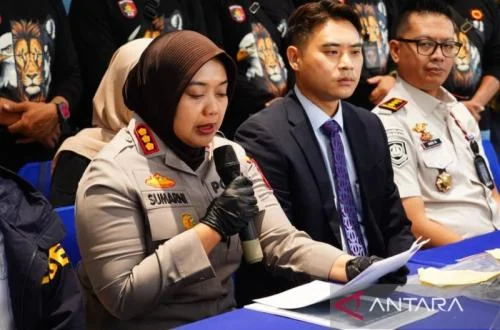
REPUBLIKA.CO.ID, BEKASI – Indonesian authorities have successfully unraveled the complex chronology behind the premeditated murder of Byong Chan Sang, a 66-year-old South Korean national, who was tragically killed at his residence in Kampung Buaran, Lambangsari Village, Tambun Selatan District, Bekasi Regency, West Java. The comprehensive investigation, spearheaded by the Metro Bekasi Police, has shed light on a meticulously planned contract killing, driven by a substantial financial incentive. Commissioner Pol. Sumarni, the Chief of Metro Bekasi Police, confirmed that the incident involved two primary suspects, identified by their initials SJ and HW, who conspired to eliminate the victim in exchange for a staggering sum of Rp139 million (approximately USD 8,600, based on prevailing exchange rates at the time). This case has not only highlighted the vulnerabilities faced by foreign nationals residing in Indonesia but also underscored the persistent challenges in combating organized criminal activities, particularly those involving contract killings. The police’s swift action in apprehending the perpetrators and meticulously detailing the crime’s progression offers a crucial insight into the dark underbelly of such heinous acts, ensuring that justice is pursued for the victim and his family.
Unveiling the Criminal Conspiracy: The Plot Takes Shape
The investigation revealed that the murder of Byong Chan Sang was not a spontaneous act but rather the culmination of a deliberate and calculated conspiracy. Suspect HW, identified as the primary executor, meticulously prepared for the assault. The planning phase involved multiple clandestine meetings between HW and SJ, where they ironed out the intricate details of their nefarious scheme. These discussions were critical in mapping out the modus operandi, escape routes, and the ultimate disposal of evidence. During these meetings, HW, displaying a chilling level of foresight and commitment to the crime, demanded an additional Rp9 million from SJ. This supplementary fund was specifically requested to purchase a new motorcycle, which HW intended to use for surveillance purposes, monitoring the victim’s daily routine and the security arrangements around his residence. This detail alone underscores the premeditated nature of the crime, demonstrating a level of professionalism and dedication to the criminal enterprise that is deeply unsettling. The financial incentive, a significant Rp139 million, served as the primary catalyst, binding the two individuals in a deadly pact against the unsuspecting victim.
Chronology of a Calculated Murder: From Surveillance to Execution
The events leading up to Byong Chan Sang’s demise unfolded with a chilling precision, meticulously reconstructed by police investigators.
The Preparatory Phase:
Weeks, if not months, prior to the actual execution, HW engaged in systematic surveillance of the victim’s home and activities. The newly acquired motorcycle, funded by the additional Rp9 million, became an indispensable tool for these reconnaissance missions. HW observed Byong Chan Sang’s routines, identifying patterns of entry and exit, the presence of other household members, and potential security vulnerabilities. This phase was crucial for HW to develop a comprehensive understanding of the target environment, minimizing risks and maximizing the chances of a successful, undetected strike. The meticulous planning involved selecting the opportune moment for the attack, considering the victim’s habits and the general quietness of the residential area.
The Night of the Attack: May 26, 2026:
On Tuesday, May 26, 2026, at approximately 10:40 PM Western Indonesian Time (WIB), HW initiated the final phase of the plan. To effectively conceal his identity and movements, he donned a specific disguise: a blue hoodie, a black cap, a black face mask, long trousers, and slip-on sandals. This ensemble was carefully chosen to obscure his features and make him less identifiable by potential witnesses or surveillance cameras. He then made his way to the victim’s residence in Kampung Buaran.
Infiltration and Confrontation:
Upon arriving at the victim’s house, HW found a crucial entry point when the front gate was opened by Q, identified as the victim’s child. This moment of opportunity allowed HW to gain access to the property without force, suggesting a potential familiarity or a carefully timed entry. Inside the house, Byong Chan Sang was found sitting at his dining table, engrossed in work on his laptop, completely unaware of the impending danger. Noticing the intruder, the victim reportedly stood up and attempted to confront or question HW.
The Brutal Execution:
Before Byong Chan Sang could fully react or raise an alarm, HW launched a swift and brutal assault. He immediately drew a fruit knife and repeatedly stabbed the victim in the left abdomen. The ferocity of the attack left the victim severely wounded. However, HW’s intent was not merely to injure. He proceeded to deliver a fatal blow, using a dumbbell to strike the back of the victim’s head. This final, crushing impact rendered Byong Chan Sang incapacitated, leading to his immediate death at the scene. The combination of stabbing and blunt force trauma underscored the extreme violence and determination of the assailant to ensure the victim’s demise.
The Aftermath: Robbery and Escape:
After confirming that Byong Chan Sang was no longer a threat, HW systematically proceeded to collect specific items from the victim’s possession, fulfilling part of the initial criminal agreement which likely included a robbery component to further obscure the primary motive. He took the victim’s laptop, the Digital Video Recorder (DVR) unit from the CCTV system – a critical piece of evidence that could have identified him – and a blue BCA ATM card retrieved from the victim’s wallet. Following the robbery, HW rendezvoused with SJ, who was waiting in a car nearby. HW handed over the stolen ATM card to SJ and, in a chilling demonstration of the ongoing transaction, demanded an additional Rp20 million in cash, which SJ promptly provided. This immediate payout further solidified the contract killing nature of the crime.
The Cover-up Attempt:
The next day, in a desperate attempt to destroy evidence and erase his tracks, HW engaged in a calculated cover-up. He disposed of the murder weapon (the fruit knife), the stolen laptop, and the crucial CCTV DVR by discarding them into the flowing waters of the Kalimalang River. Simultaneously, he took steps to eliminate any forensic evidence from his attire. The blue hoodie, black cap, and grey gloves worn during the attack were gathered and subsequently burned in an area adjacent to his workplace. These actions highlight the perpetrators’ awareness of forensic procedures and their concerted effort to evade justice.
Background Context: Foreign Nationals and Crime in Indonesia
Indonesia, particularly economic hubs like Bekasi and its surrounding Greater Jakarta area, hosts a significant population of foreign nationals (WNA) who reside, work, and conduct business within the country. These individuals, often drawn by investment opportunities, employment, or retirement, sometimes become targets of various crimes due to perceived wealth or isolation from local support networks. Contract killings, while not a daily occurrence, represent a particularly disturbing facet of organized crime that can emerge from financial disputes, business rivalries, or personal grievances. The involvement of local intermediaries and executors, often motivated by substantial financial rewards in comparison to average local incomes, underscores the socio-economic factors that can fuel such criminal enterprises. The case of Byong Chan Sang serves as a grim reminder that even within the relative safety of one’s home, foreign residents can be vulnerable to meticulously planned acts of violence. Law enforcement agencies face the complex task of not only apprehending perpetrators but also dismantling the underlying networks that facilitate such crimes, which often involve cross-cultural and sometimes transnational elements. The increasing interconnectedness of global communities means that crimes against foreign nationals can have broader diplomatic and economic implications, affecting international perceptions of safety and investment climate.
Official Responses and Commitment to Justice
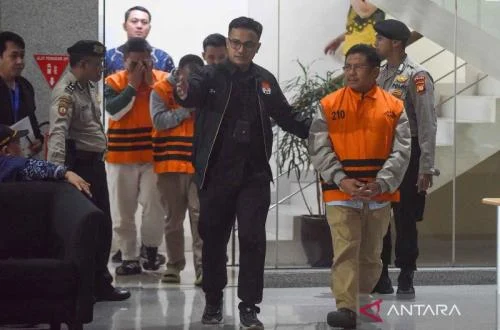
The Metro Bekasi Police, under the leadership of Commissioner Pol. Sumarni, has demonstrated a firm commitment to resolving this high-profile case. In her statements, Commissioner Sumarni emphasized the police’s dedication to ensuring the safety and security of all residents, including foreign nationals, within their jurisdiction. The swift identification and apprehension of suspects SJ and HW within a short timeframe following the discovery of the crime speak volumes about the investigative capabilities of the local police force.
Official statements from the police have focused on the detailed reconstruction of the crime, the motive of financial gain, and the premeditated nature of the murder. Authorities have stressed that all available resources are being utilized to gather comprehensive evidence, build an airtight case, and ensure that the perpetrators face the full force of the law for premeditated murder and robbery. The police are also likely to be collaborating with relevant diplomatic missions, specifically the Embassy of the Republic of Korea in Jakarta, to provide updates on the investigation and ensure proper procedures are followed concerning a foreign victim. Such collaboration is standard practice in international criminal cases, aiming to facilitate communication and address any concerns raised by the victim’s home country. The Korean Embassy would typically monitor the legal proceedings and offer support to the victim’s family, reflecting their responsibility to protect their citizens abroad.
Furthermore, this incident may prompt law enforcement to review and strengthen security protocols for foreign residents, potentially through increased community policing efforts and awareness campaigns aimed at preventing such tragedies. The robust response from the police is crucial not only for delivering justice in this specific case but also for maintaining public confidence and demonstrating the state’s capacity to uphold law and order.
Broader Impact and Implications
The brutal murder of Byong Chan Sang carries significant broader implications, extending beyond the immediate tragedy for the victim and his family.
Impact on Foreign Residents and Investors:
Such high-profile crimes against foreign nationals can understandably create apprehension among the expatriate community in Indonesia. Concerns about personal safety and security might arise, potentially influencing decisions regarding residency, investment, and business operations in the country. It underscores the critical need for robust security measures and effective law enforcement to maintain confidence among the international community, which plays a vital role in Indonesia’s economic development.
Legal Ramifications:
The identification of the crime as "premeditated murder" (pembunuhan berencana) under Indonesian law carries severe penalties, potentially including life imprisonment or even the death penalty, depending on the specifics of the case and judicial discretion. The additional charge of robbery further compounds the legal challenges for the accused. This case will serve as a test of the Indonesian justice system’s capacity to handle complex criminal investigations involving multiple perpetrators and sophisticated cover-up attempts. The transparency and fairness of the judicial process will be closely watched, particularly by the international community.
Combating Organized Crime:
The revelation of a contract killing for a substantial sum highlights the persistent threat of organized crime networks. Law enforcement agencies are continually working to dismantle such groups, which often operate across various sectors and can be difficult to penetrate. This case provides valuable intelligence for understanding the operational methods, motivations, and financial structures of these criminal organizations, aiding in the development of more effective strategies to combat them. The involvement of intermediaries and the systematic planning point to a level of criminal sophistication that requires sustained police effort.
Community Vigilance and Awareness:
The incident also serves as a stark reminder for local communities to remain vigilant and report suspicious activities. While authorities work tirelessly to prevent and solve crimes, community cooperation is an invaluable asset in maintaining public safety. Awareness campaigns about reporting unusual behavior or individuals, especially around foreign residents, could contribute to a safer environment for all.
Diplomatic and International Relations:
As the victim was a South Korean national, the case inevitably draws diplomatic attention. The Korean Embassy will likely maintain close contact with Indonesian authorities throughout the investigation and trial, ensuring that the victim’s rights are upheld and that the legal process is transparent. Such incidents, while isolated, can momentarily strain bilateral relations or prompt discussions on security cooperation between nations.
In conclusion, the detailed unraveling of Byong Chan Sang’s murder by the Metro Bekasi Police represents a significant step towards justice. The meticulous investigation, from piecing together the planning stages to detailing the brutal execution and the subsequent cover-up, paints a grim picture of a crime driven by greed and executed with chilling precision. As the legal process moves forward, the broader implications for foreign residents’ safety, the ongoing fight against organized crime, and the integrity of the justice system will remain critical focal points for both domestic and international observers.