Nila Kartika Wati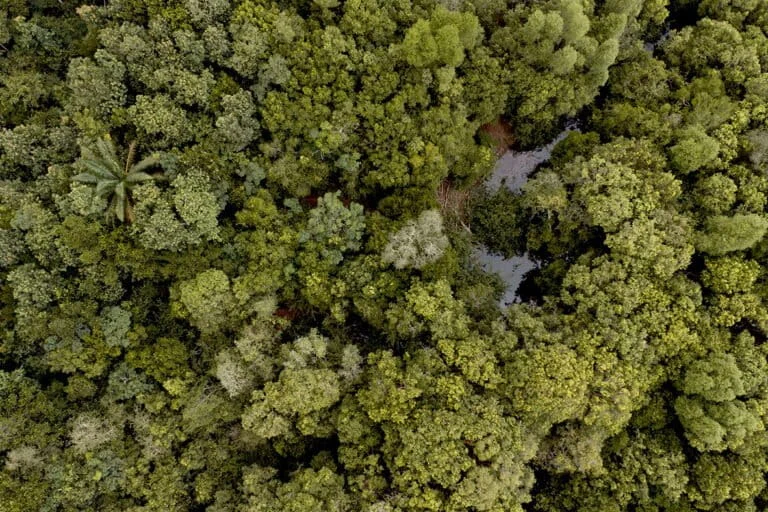
In the heart of the Penukal and Abab regions of the Penukal Abab Lematang Ilir (PALI) Regency in South Sumatra, a unique and ancient system of wetland management continues to sustain both the environment and the local population. Known as "Paye," these specialized wetland sections—comprising small river segments, marshes, and stagnant pools connected to peat forests—serve as the lifeblood of the community. During the recent Tempirai Wetland Festival held in mid-June 2026, environmentalists, archaeologists, and local residents gathered to highlight the critical importance of these ecosystems, which are increasingly viewed as a vital defense against the escalating global climate crisis.
For the people of Tempirai, Paye is not merely a geographical feature but a fundamental pillar of food security and water management. These water bodies remain hydrated throughout the year, serving as a permanent sanctuary for a diverse array of freshwater fish and acting as the headwaters for several tributaries of the Penukal and Abab Rivers. The preservation of these areas is inextricably linked to the survival of traditional practices and the maintenance of a delicate ecological balance that has existed for over a millennium.
The Ecological Architecture of Paye and Lebung
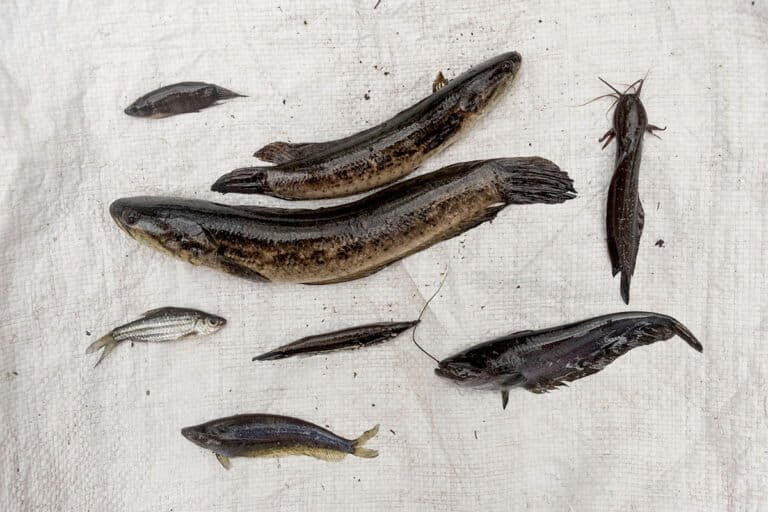
The biological richness of the Paye is a testament to the health of the South Sumatran wetlands. Ibrahim, a 57-year-old community leader from Tempirai, emphasized during a cultural discussion at the festival that these waters provide a consistent supply of protein for thousands of residents. The ecosystem is home to several species of the Channa genus, including the common snakehead (Channa striata), the forest snakehead known locally as bujuk (Channa lucius), the great snakehead or toman (Channa micropeltes), and the ocellated snakehead known as serandang (Channa pleurophthalma). Other vital species include the swamp catfish (Clarias nieuhofii) and the kissing gourami (Helostoma temminckii).
A critical component of the Paye system is the "Lebung," which are deep depressions or basins within the wetland floor. During the peak of the dry season, when water levels recede across the broader landscape, these Lebung act as the "final home" or refuge for fish populations. This natural mechanism ensures that the aquatic life can survive until the monsoon rains return, at which point the fish migrate back into the expanding marshes and river systems, allowing residents to resume sustainable harvesting with traditional nets.
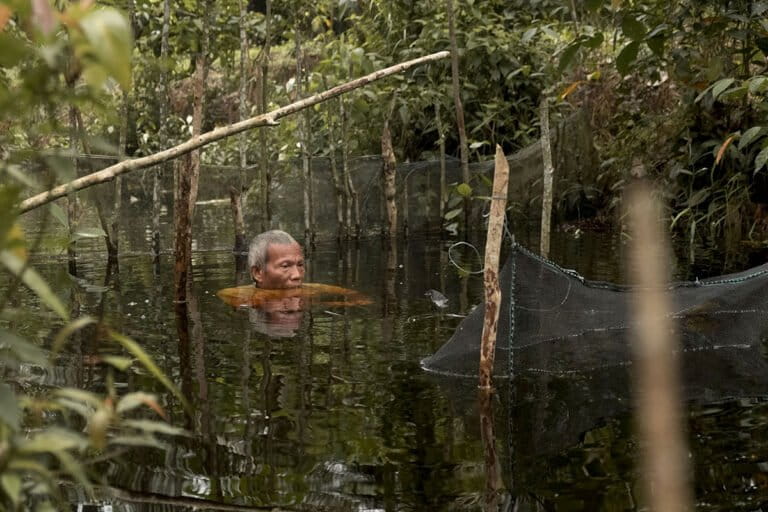
Beyond fisheries, the Paye supports a variety of flora that underpins the local cottage industry. The surrounding banks are often thick with Pandanus helicopus, known locally as "kuang" or "rasau," which provides the raw material for traditional mat weaving. The nibung palm (Oncosperma tigillarium) is harvested for durable building materials, while the sugar palm (Arenga pinnata) is tapped for its sap, which is processed into artisanal palm sugar. This multifaceted utility makes the Paye an indispensable economic asset.
Jongot: The Ancient Model of Sustainable Agroforestry
Closely intertwined with the Paye is the "Jongot," a traditional form of agroforestry that has been practiced by Tempirai families for generations. A Jongot is typically a family-managed forest garden, usually about half a hectare in size, located in the immediate vicinity of a Paye. These gardens represent a sophisticated form of land use where wild forest fruit trees are integrated with cultivated crops and timber species.
In these plots, one can find a treasure trove of botanical diversity, including rare and endangered species. These include the tampui (Baccaurea macrocarpa), the rambutan-like remanas (Nephelium ramboutan-ake), the rare forest durian (Durio oxleyanus), and the cempedak (Artocarpus integer). The Jongot also serves as a repository for valuable timber, such as Meranti (Dipterocarpaceae), and functional plants like the acid-rich asam kandis (Garcinia xanthochymus).
According to local residents, the placement of Jongot near Paye is intentional. The high water table of the wetland provides the necessary hydration for these diverse species to thrive without the need for intensive irrigation. This synergy between the water source (Paye) and the food forest (Jongot) creates a self-sustaining loop of resource management that requires minimal external input, offering a stark contrast to modern monoculture plantation models.
The Sriwijaya Connection: A Millennium of Environmental Stewardship
The cultural significance of the Tempirai wetlands extends deep into Indonesia’s history. Sondang M. Siregar, an archaeologist from the National Research and Innovation Agency (BRIN), presented evidence at the festival suggesting that the landscape has been inhabited and managed since the era of the Sriwijaya Kingdom, a powerful maritime empire that dominated Southeast Asia between the 7th and 13th centuries.
The Tempirai landscape is geographically and historically linked to the Bumiayu Temple complex, which dates back to the 9th century. The frequent discovery of ancient Chinese ceramics and other artifacts in the region confirms that Tempirai was a significant settlement along the inland trade routes of the empire. More importantly, Sondang argues that the current management of Paye and Jongot is a living legacy of the "Talang Tuwo" inscription, dated 684 AD.
The Talang Tuwo inscription, commissioned by King Sri Jayanasa, is one of the world’s oldest known environmental protection edicts. It mandated the creation of parks (Sriksetra) for the benefit of all living beings and specifically listed trees that should be planted, such as the sugar palm, bamboo, and coconut, while emphasizing the importance of water management through the construction of dams and ponds.
"The management of wetlands in Tempirai today—maintaining water flow and planting diverse species—is a direct reflection of the mandate given by the Sriwijaya leaders over 1,300 years ago," Sondang noted. She urged that revitalizing these ancient principles of "sacred environmentalism" is essential for modern conservation efforts.
Deep Peat and Carbon Sequestration: The Science of Tempirai
While the cultural value of the region is clear, the scientific data regarding its ecological importance is equally staggering. Adios Syafri from the Hutan Kita Institute (HaKI) revealed that the Tempirai wetland complex covers approximately 13,904 hectares. Within this area lies Danau Burung, a 1,250-hectare sub-region that contains exceptionally deep peat deposits.
"Research conducted over the last decade indicates that the peat in the Danau Burung area reaches depths of up to 12 meters," Syafri stated. This makes the Tempirai wetlands one of the most significant carbon sinks in the province. Peatlands of this depth store vast amounts of carbon; if drained or burned, they would release greenhouse gases on a scale that would severely undermine Indonesia’s climate commitments.
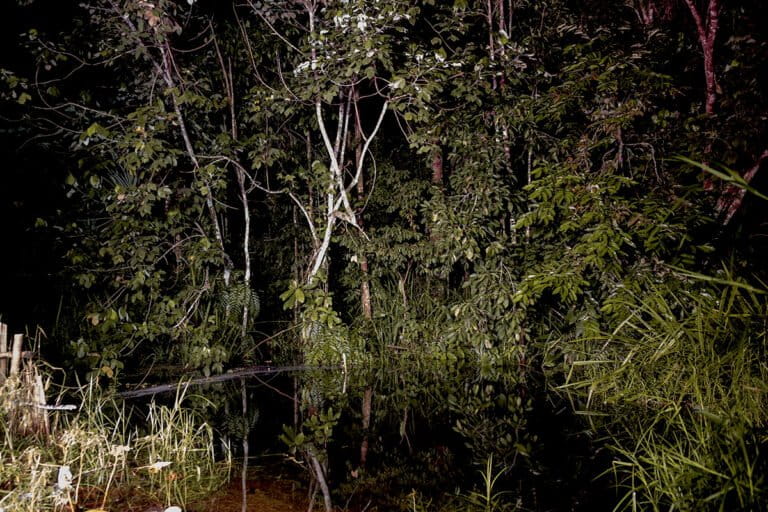
Furthermore, the hydrological function of these deep peat layers is vital for the region. They act as a giant sponge, absorbing excess water during the rainy season to prevent downstream flooding in the Penukal and Abab rivers, and slowly releasing that water during the dry season to maintain river levels. The network of rivers within this complex, including the Danau Burung Besak and Danau Burung Kecik, forms a critical watershed that supports both wildlife and human agriculture.
Biodiversity Under Threat: The Case for Urgent Protection
Despite their resilience, the wetlands of PALI are facing unprecedented pressures. Irkhamiawan Ma’ruf, a freshwater fish researcher from the University of Muhammadiyah Palembang, warned that several species unique to these waters are on the brink of local extinction.
Of particular concern is the "Puntung Kanyut" or Bala Shark (Balantiocheilos melanopterus) and the "Byuku" or Malayan Giant Turtle (Orlitia borneensis). These species are increasingly rare due to habitat fragmentation and the encroachment of industrial activities. Ma’ruf expressed hope that if the Paye systems are strictly protected from being filled or drained, even the legendary "Tangkeleso" or Musi River Arwana (Scleropage formosus) might one day be found in the area again.
"If we lose these specific habitats in Tempirai, we lose them forever for all of South Sumatra," Ma’ruf cautioned. The encroachment of oil palm plantations, which often require extensive drainage of wetlands, poses the most significant threat to the integrity of the Paye. When the water table is lowered for plantations, the surrounding Paye dry up, the Jongot forests lose their hydration, and the risk of catastrophic peat fires increases exponentially.
Conclusion: A Traditional Solution to a Global Crisis
The Festival Lahan Basah Tempirai served as a powerful reminder that the solutions to modern environmental crises can often be found in ancestral wisdom. The Paye and Jongot systems of PALI represent a model of "nature-based solutions" that the international community is only now beginning to formalize.
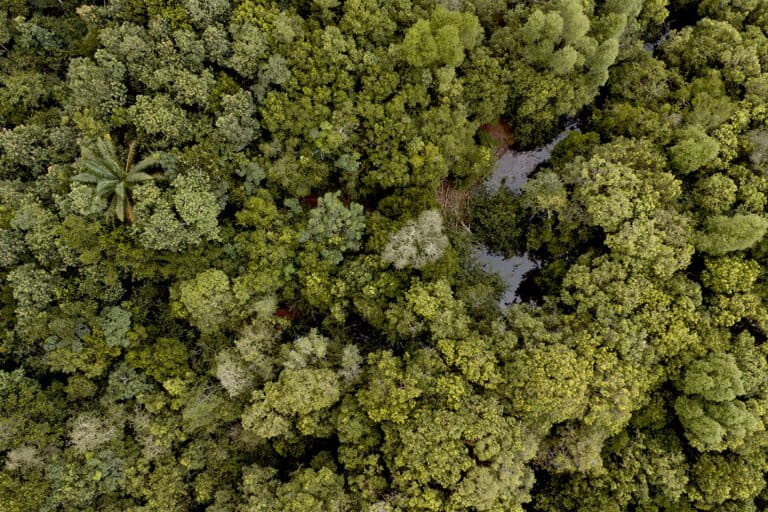
By maintaining these wetlands, the community of Tempirai is performing a global service: sequestering carbon, preserving rare biodiversity, and managing water cycles. However, as Adios Syafri noted, the burden of conservation should not fall solely on the shoulders of local residents. There is a pressing need for formal recognition of these "customary conservation areas" by the provincial and national governments to protect them from industrial land-clearing.
In an era defined by climate instability, the 12-meter-deep peat of Danau Burung and the ancient fish sanctuaries of the Paye are more than just local landmarks. They are vital assets in the fight for a sustainable future. As the people of Tempirai continue to follow the environmental mandates of their Sriwijaya ancestors, they offer a blueprint for how humanity can live in harmony with the wetlands that sustain us. Protecting the Paye is not just about saving a river or a fish species; it is about honoring a thousand-year-old pact between a people and their land.